
Category: Performance Tracking
-
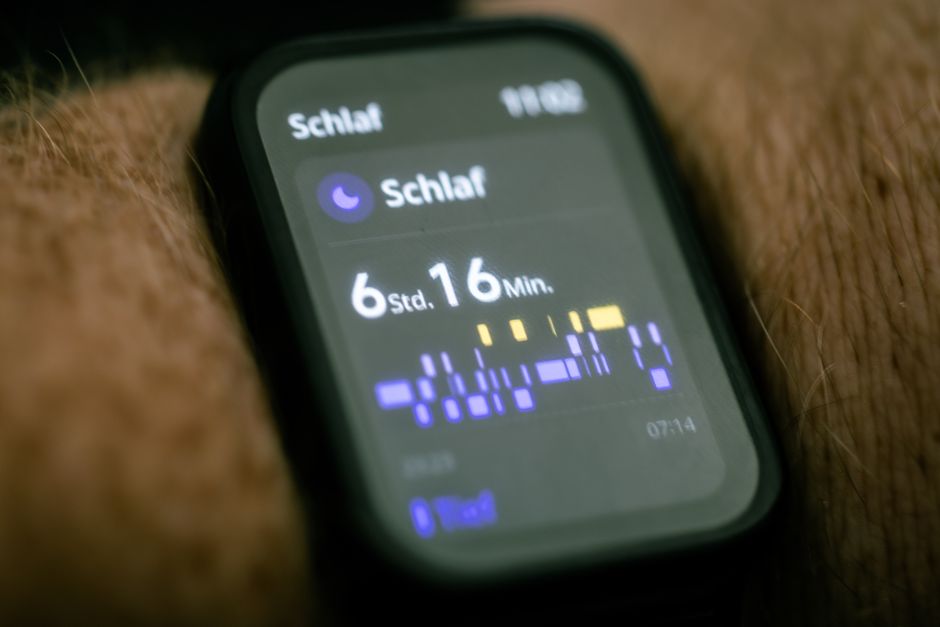
Wearable Data That Changes How You Train and Sleep: A Practical Workflow for Men Over 50 Who Don’t Want to Obsess Over Every Number
The watch buzzes. The ring updates. The dashboard adds three new colors and a warning you did not ask for. Meanwhile, you’re still the same guy with a 7 a.m. meeting, a stiff lower back, and a workout window that has to fit between real obligations. That’s the right starting point for figuring out how…
-
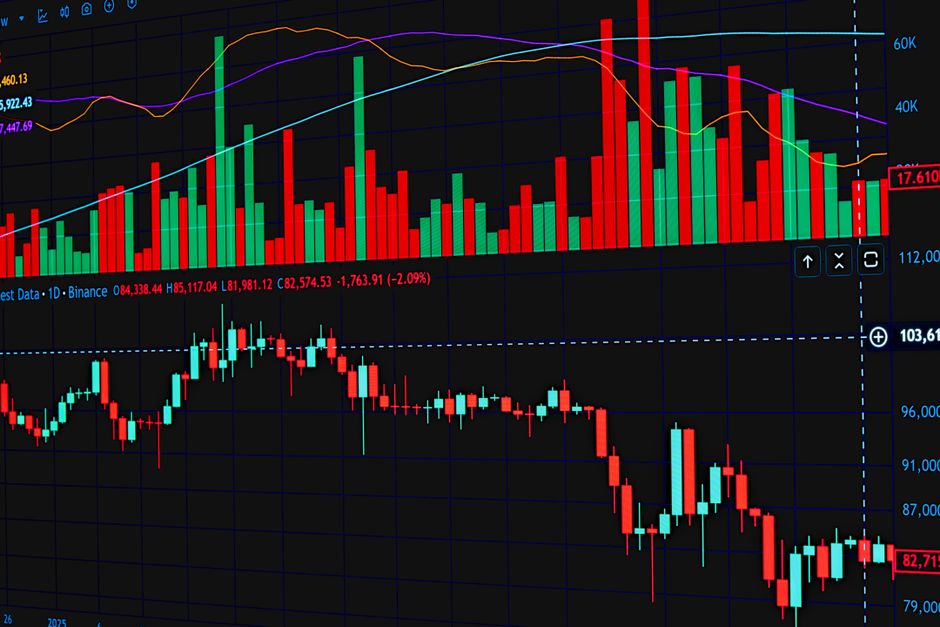
HRV, Sleep Stages, and Recovery Scores: Which Metrics Actually Predict How You’ll Feel Tomorrow
Wearables love a tidy number. One app says your HRV looks great. Another says your sleep stages were messy. A third hands you a cheerful recovery score and acts like the case is closed. If you’ve ever wanted an HRV sleep recovery score explained without the usual gadget marketing fog, here’s the straight take: those…
-
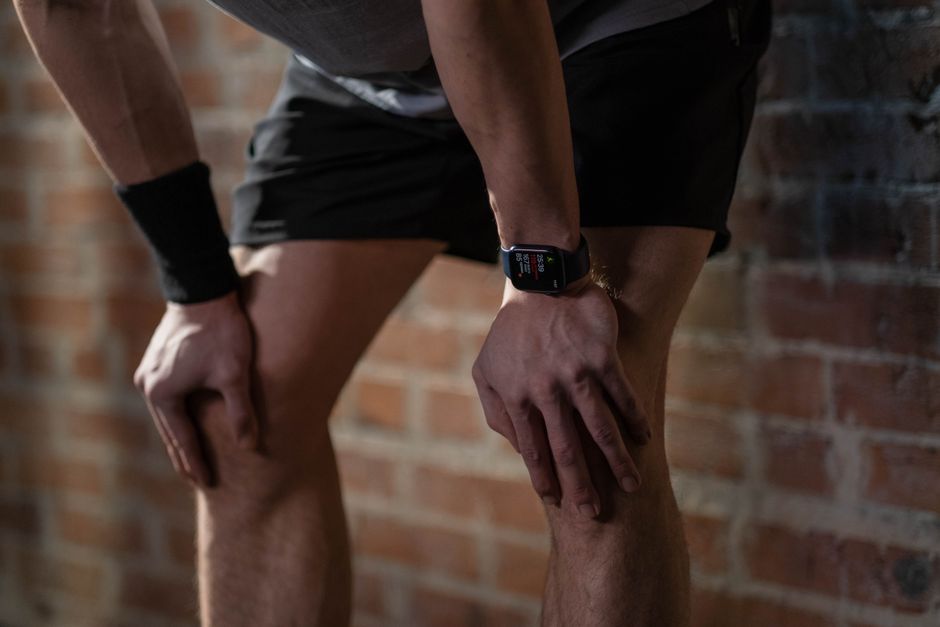
WHOOP vs Oura Ring vs Garmin: Which Wearable Actually Delivers Actionable Metrics for Men Over 50, Not Just More Data
If you’re comparing WHOOP vs Oura vs Garmin for men over 50, the real question isn’t which device collects the most numbers. It’s which one tells you something useful before your 7 a.m. workout, your long travel day, or the annual stretch where sleep falls apart and everything feels just a little more expensive, including…
-
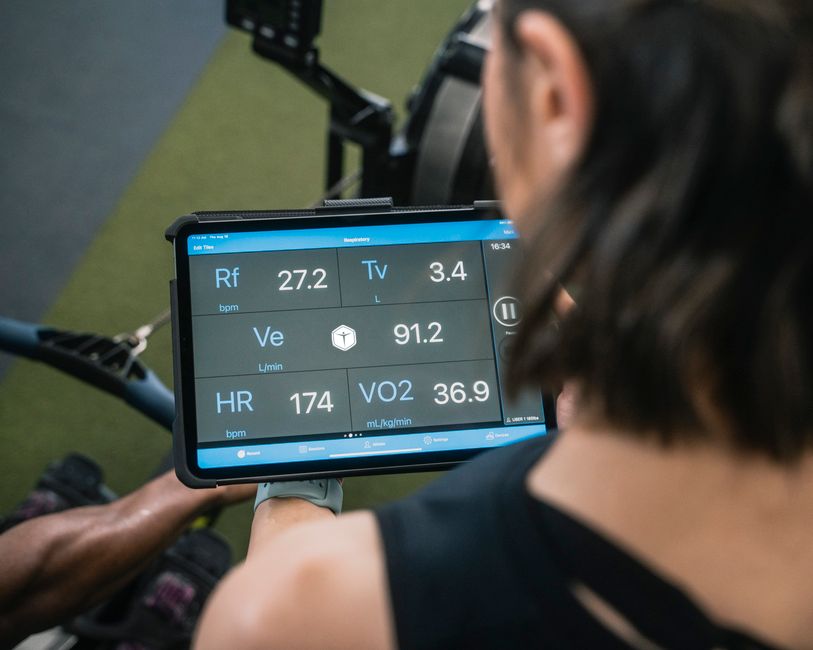
How to Use Wearable Data to Adjust Your Training as You Age: A Framework for Men Over 50
Most men don’t need more wearable features after 50. They need a way to use wearable data to adjust training after 50 without turning every morning into a referendum on whether the watch approves of leg day. That’s the real problem. The data gets better, the dashboards get louder, and recovery gets less forgiving. You…
-
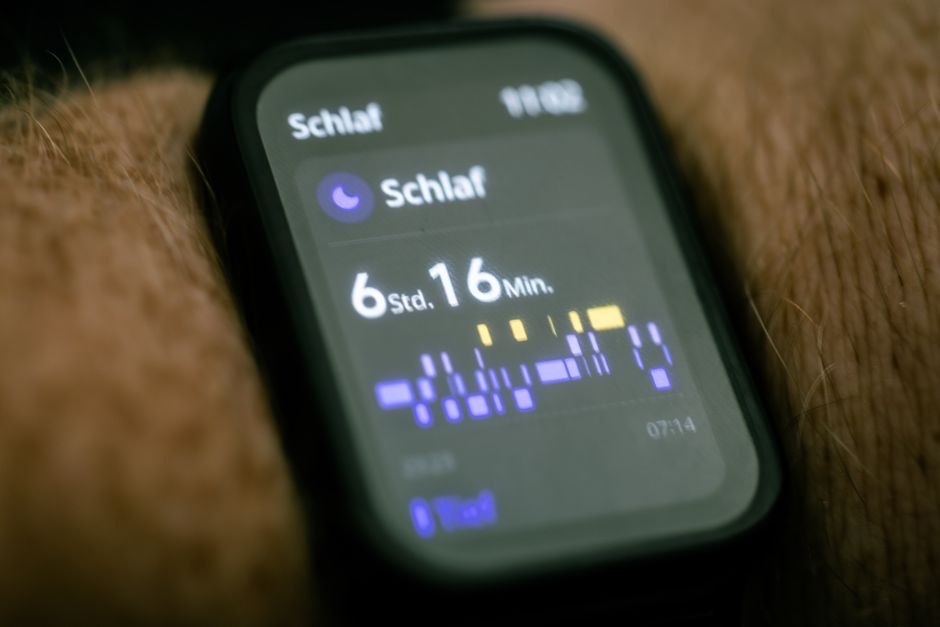
Oura Ring Gen 5 vs. WHOOP 5.0: Which Wearable Delivers Better Sleep and Recovery Data for Men Over 50?
If you are comparing Oura Ring Gen 5 vs WHOOP 5.0, the real question is not which one has prettier charts. It is which device gives a 55-year-old man useful recovery data without turning basic self-awareness into a part-time job. That matters because sleep gets less forgiving with age. Sleep Foundation reports that 40% to…
-
Smartwatch vs. Fitness Band vs. Smart Ring: Which Form Factor Is Best for Health Tracking Over 50?
Most men don’t quit wearables because the data is bad. Smartwatch vs fitness band vs smart ring health tracking only works if the device survives normal life. They quit because the device gets annoying. The watch feels bulky in bed. The band starts looking like a probation bracelet at dinner. The ring is comfortable until…
-
How to Use Your Wearable to Improve Sleep Quality: A Practical Framework for Men Over 50
If you want to improve sleep quality with a wearable as a man over 50, the first thing to know is that your device is useful, but it isn’t a bedside oracle. It can show patterns. It can flag a bad week. It can help you see whether the change you made at 9 p.m.…
-
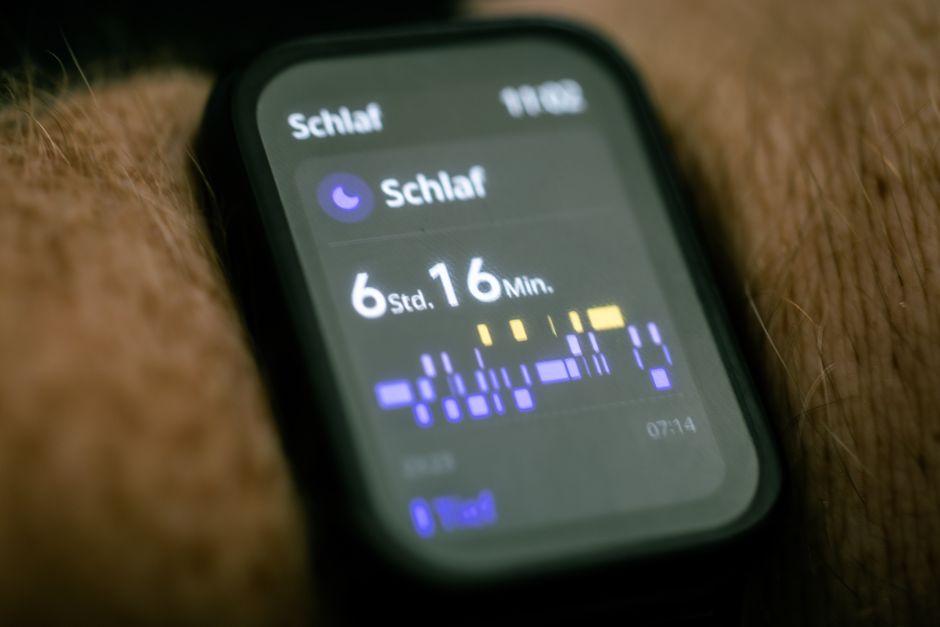
Wearable Sleep Staging Accuracy: How Oura, WHOOP, and Garmin Compare Against Polysomnography
If you’ve ever looked at your sleep app at 6:12 a.m. and wondered whether that neat little REM bar is real or just expensive bedtime fan fiction, you’re asking the right question. Wearable sleep staging accuracy vs PSG is the only comparison that actually matters, because PSG is the lab standard and your ring, band,…
-
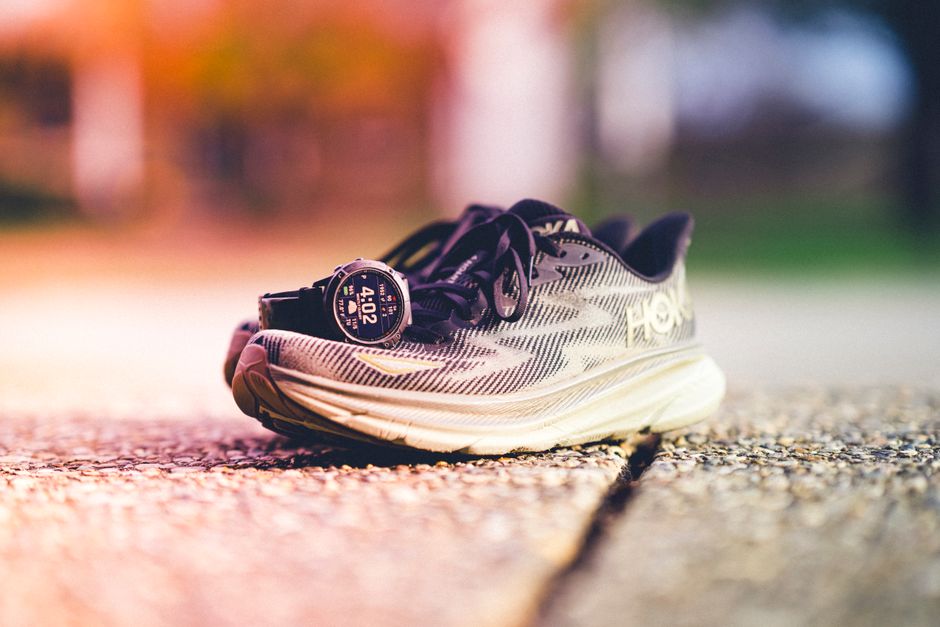
Recovery Score Decoded: How Oura, WHOOP, and Garmin Calculate Readiness and What It Misses
If you’ve ever woken up to three different recovery numbers from three different devices, you’re not imagining the contradiction. A recovery score from Oura, WHOOP, and Garmin readiness tools can point in three different directions on the same morning, even when they all claim to be reading the same body. That’s the first thing worth…
-
Heart Rate Variability for Longevity: How Men Over 50 Can Use HRV Trends to Extend Healthspan
You can feel the difference between a good recovery week and a bad one before any app tells you. Sleep gets thinner. Training feels oddly expensive. Two drinks hit like four. The problem is that most health metrics show up late, after the damage is already obvious. HRV longevity men over 50 is useful because…