
Category: Performance Tracking
-
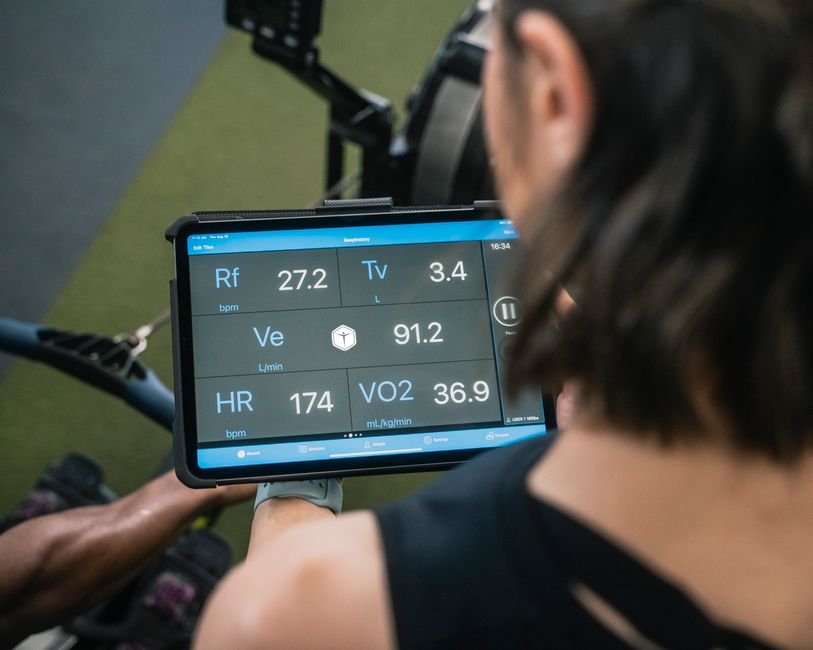
VO2 Max and Longevity: How to Use Your Wearable to Track and Improve Cardiorespiratory Fitness After 50
If you are a man over 50 wearing a Garmin, Apple Watch, WHOOP, or Oura, there is a decent chance one number quietly matters more for longevity than half the lab panel you paid for last quarter. That number is VO2 max. Your wearable won’t measure it perfectly, and the marketing around it can get…
-
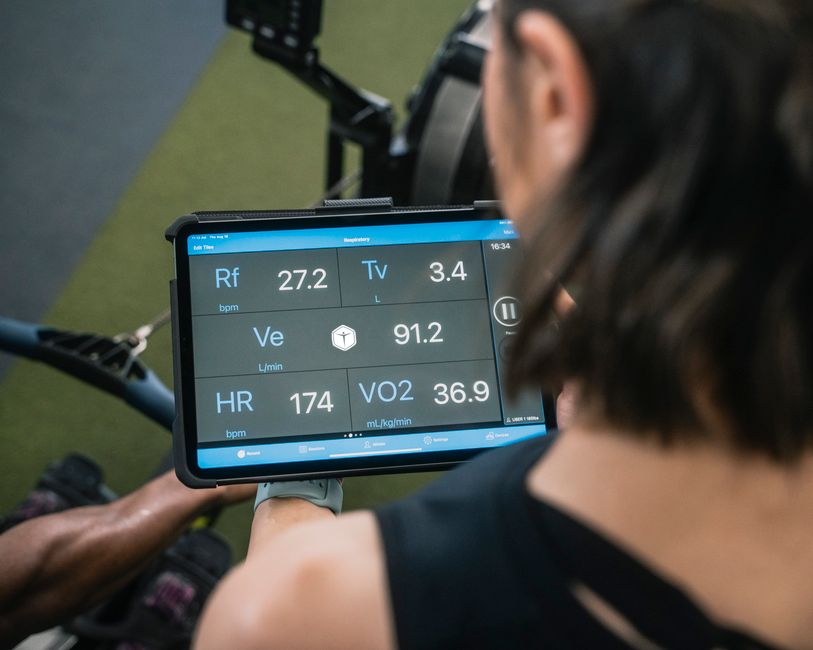
Wearable Metrics That Matter After 50: HRV, RHR, Sleep, and Respiratory Rate Ranked by Predictive Value
Most wearables dump a small spreadsheet on your wrist, then leave you to figure out which numbers matter and which ones are just decorative frosting. For men past 50, that matters more than the marketing copy would suggest. The point isn’t to become emotionally attached to a readiness score. The point is to notice the…
-
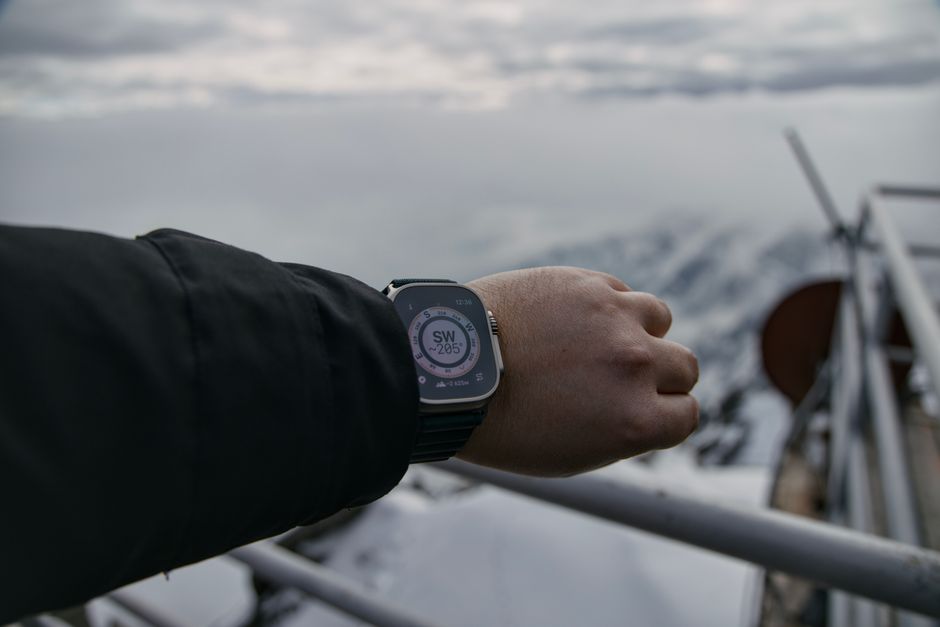
Apple Watch Ultra vs. Garmin Epix vs. WHOOP 4.0: Which Premium Wearable Fits the Executive Athlete?
Apple Watch Ultra vs Garmin Epix vs WHOOP isn’t really one comparison. It’s three different ideas about what should live on your wrist when you’re trying to train hard, sleep better, and still show up sharp for a board meeting at 8 a.m. One acts like a premium smartwatch with serious fitness chops. One is…
-
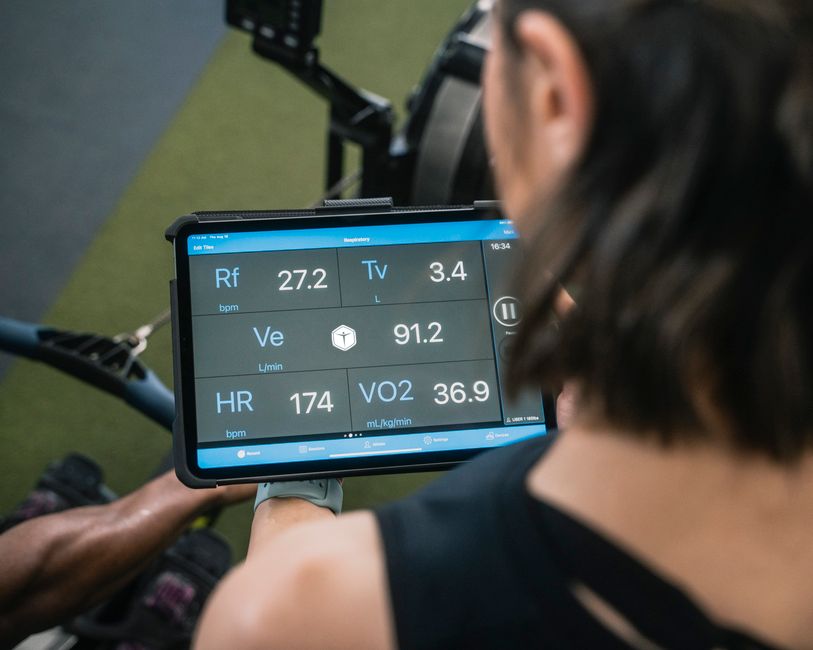
Heart Rate Zone Accuracy at 50+: How Oura, WHOOP, and Garmin Handle VO2 Max and Lactate Threshold Estimation for Older Athletes
If you’re trying to train seriously in your 50s, wearable heart rate accuracy over 50 stops being a toy problem and starts being a training problem. A bad overnight resting heart rate number is mildly annoying. A bad lactate threshold estimate can turn an interval session into junk miles. That’s the real split in this…
-
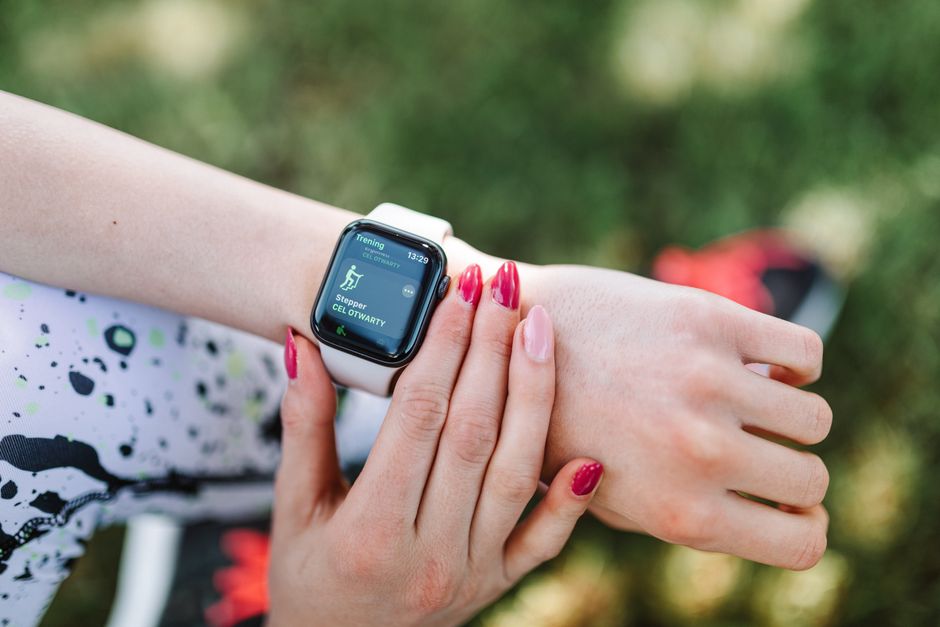
Garmin Epix Pro vs. Apple Watch Ultra 2: Which Premium Sports Watch Serves the 50+ Executive Better for Training, Health Monitoring, and Battery Life?
Garmin Epix Pro vs Apple Watch Ultra 2 for men over 50 isn’t really a spec-sheet argument. It’s a values test. Do you want the watch that behaves like a serious training tool first and a smartwatch second, or the one that behaves like an excellent iPhone extension that has gotten surprisingly capable at endurance…
-

Comparing High-End Multisport Watches: Features for the Executive Athlete
Most high-end multisport watches promise the same fantasy. Better training. Better recovery. Better data. Better life. Then you look closer and realize one watch is really a training computer, one is really a smartwatch with excellent sports features, one is built for people who disappear into the mountains for three days, and one is a…
-

Sleep Latency, Deep Sleep Percentage, and Morning HRV: Which Wearable Metric Actually Correlates With Next-Day Cognitive Performance in Men Over 50?
Sleep tracking gets pitched like a magic dashboard. Put on a ring, glance at an app, and apparently your brain becomes a spreadsheet. The problem is that most men over 50 don’t need more numbers. They need to know which wearable sleep metrics for cognitive performance over 50 are actually worth paying attention to, and…
-
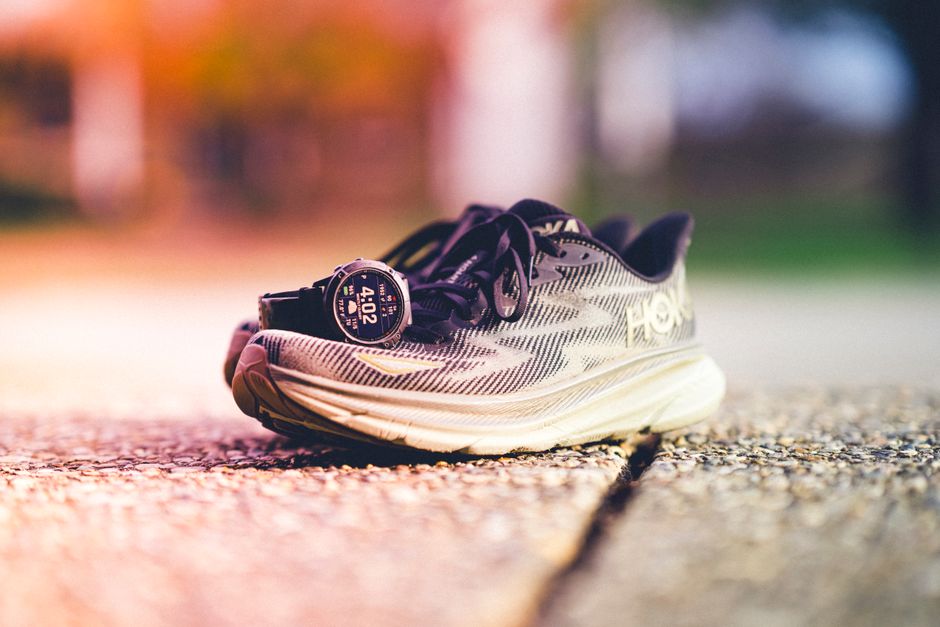
WHOOP Strain vs. Garmin Training Load vs. Oura Readiness: Which Recovery Algorithm Actually Predicts How You’ll Feel Tomorrow?
Most recovery scores are selling the same fantasy: wake up, glance at one number, and know exactly how hard to train, how sharp you’ll feel, and whether your body is quietly filing a complaint. That’s tidy. Real physiology isn’t. For a WHOOP vs Garmin vs Oura recovery algorithm comparison, the uncomfortable truth is that all…
-
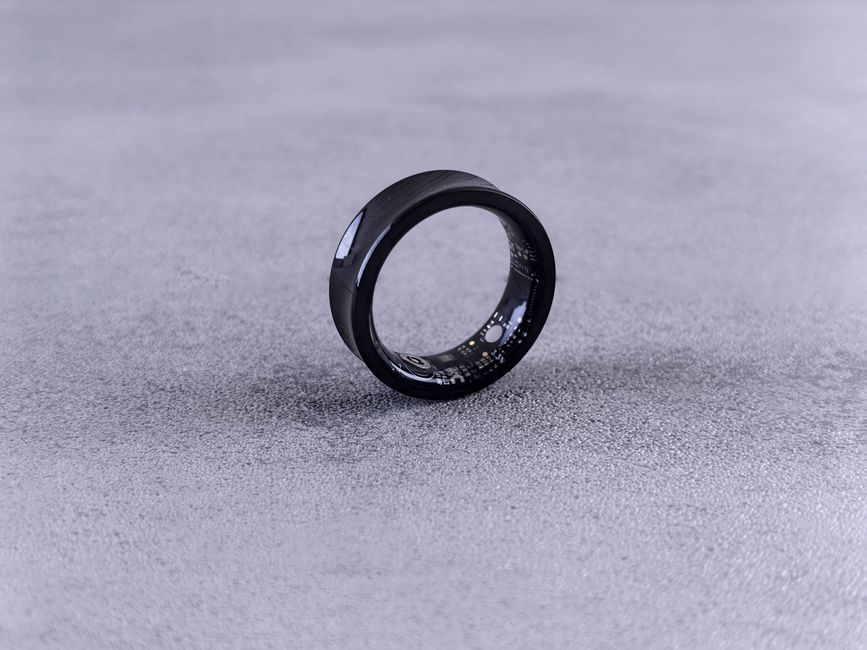
Best Wearable for Golfers Over 50: Garmin Approach, WHOOP, and Oura Ring Compared
If you’re playing more golf now than you did at 35, you’re not unusual. You’re the market. The National Golf Foundation says 11.6 million adults age 50 and older played on-course golf in the U.S. in 2024, or 43% of all on-course golfers. GolfN adds that this group also plays more rounds and spends more…
-
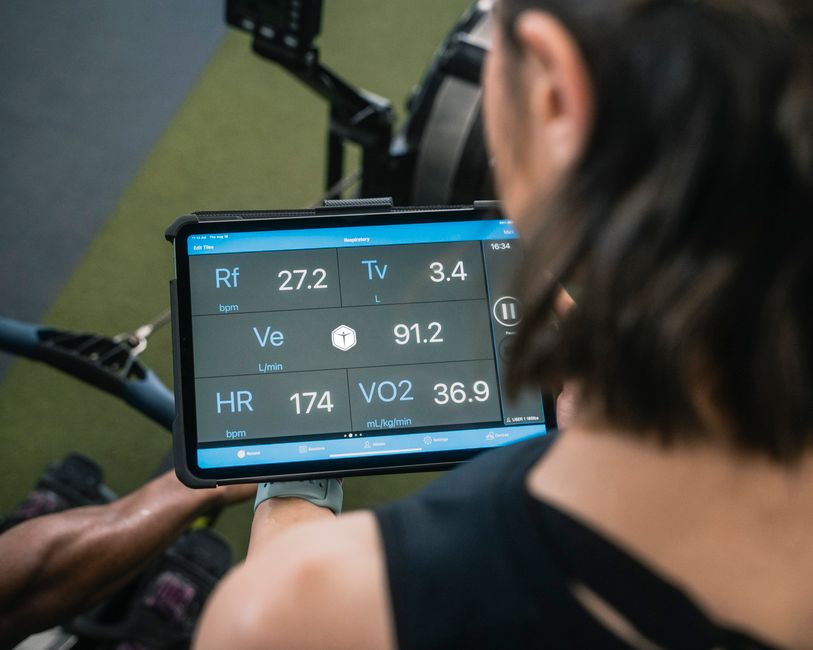
Resting Heart Rate and HRV After 50: Setting Realistic Baselines and Using Trendlines for Training Decisions
You wake up, check your watch, and see two numbers that seem to have their own mood swings. Resting heart rate is up a few beats. HRV is down. Yesterday’s workout felt fine. Sleep was decent. So now what? For most men over 50, the useful question isn’t whether one morning’s score looks good. It’s…