
Author: Neil Gulino
-
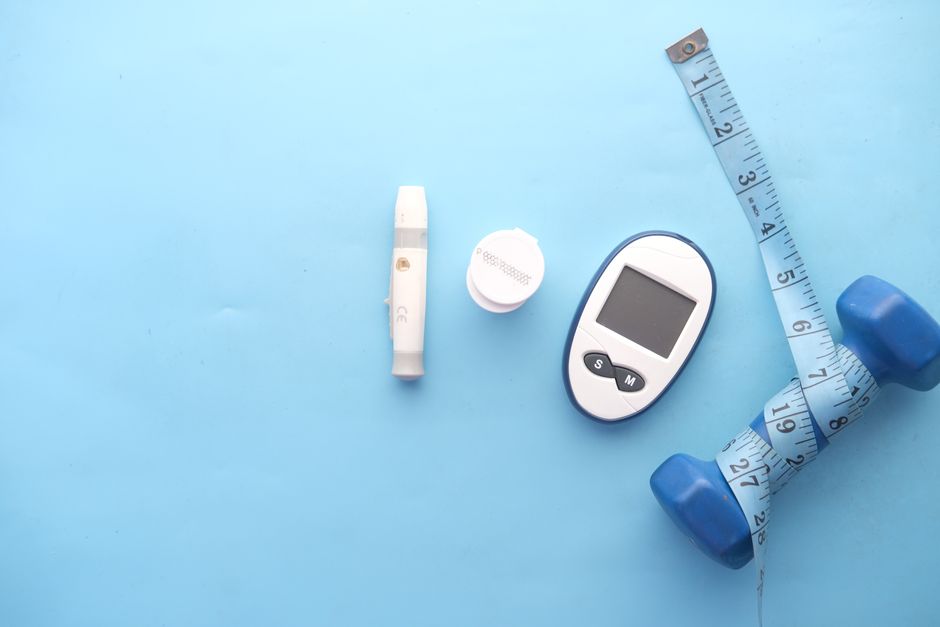
Berberine for Men Over 45: Evidence Review for Blood Sugar, Lipids, and Weight Management
Berberine benefits for men over 45 are real enough to be worth attention, but not magical enough to deserve the internet nonsense surrounding them. That’s the useful place to start. If you’re looking at rising HbA1c, softer fasting glucose, worse triglycerides, or the familiar midlife annoyance where the waist gets bigger while the discipline stays…
-

The Complete Advanced Thyroid Panel for Men Over 45: What to Test Beyond TSH
If you’re dragging through the afternoon, waking up cold, or feeling like your recovery speed quietly left the building, a single “normal” TSH result doesn’t settle much. An advanced thyroid panel for men over 45 tells a fuller story because TSH is a signal from the pituitary, not a direct read on how much usable…
-

SiPhox Health Review: Is This At-Home Lab Platform Ready for Routine Biomarker Tracking?
Most men don’t need more wellness theater. They need cleaner answers with less friction. That’s what makes a SiPhox Health review worth doing in the first place: not because an at-home lab sounds futuristic, but because a 52-year-old with a calendar full of meetings may actually test more often if he doesn’t have to book…
-

Omega-3 Index Testing: Why This Biomarker Deserves a Spot on Your Annual Panel
Most annual bloodwork is built to catch disease after it has started causing trouble. That’s useful, but it leaves a gap. If you’re the kind of person who already tracks ApoB, HbA1c, or hsCRP, you probably want markers that say something about direction, not just damage control. That’s where the omega-3 index test biomarker earns…
-
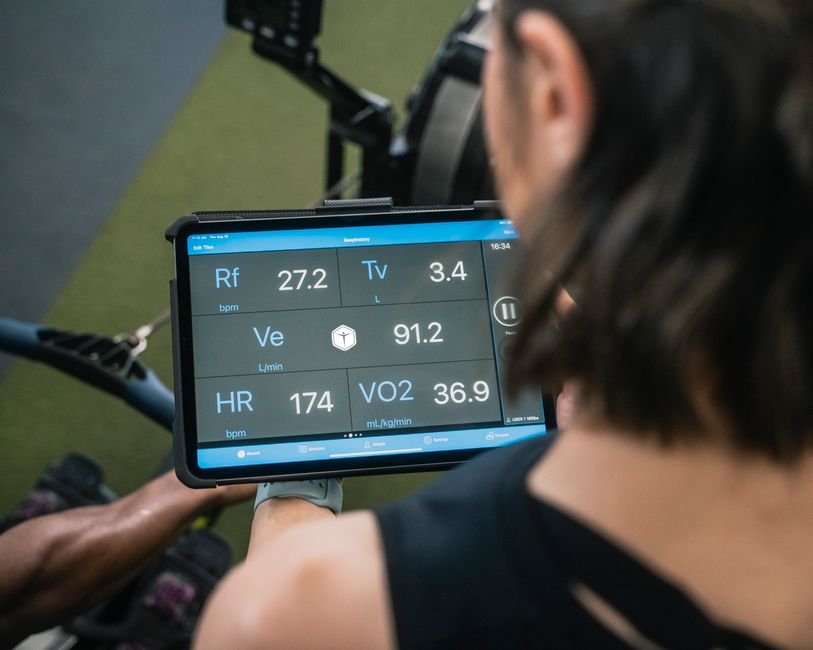
VO2 Max and Longevity: How to Use Your Wearable to Track and Improve Cardiorespiratory Fitness After 50
If you are a man over 50 wearing a Garmin, Apple Watch, WHOOP, or Oura, there is a decent chance one number quietly matters more for longevity than half the lab panel you paid for last quarter. That number is VO2 max. Your wearable won’t measure it perfectly, and the marketing around it can get…
-
Hone Health vs. Maximus: Which TRT Clinic Prioritizes Long-Term Monitoring?
Most men don’t start shopping for a TRT clinic because they love telehealth workflows. They start because energy is off, recovery is slower, libido changed, and the local answer is often some version of “your labs are normal for your age.” That phrase has pushed a lot of men toward online clinics that promise speed,…
-

Testosterone Cream vs. Injections for Men Over 50: Absorption, Stability, and Protocol Design Compared
If you’re comparing testosterone cream vs injections for men over 50, the real question isn’t which option sounds easier. It’s which delivery method gives you the most predictable levels, the lowest friction, and the cleanest safety profile for your actual life. That matters because TRT can look deceptively simple from the outside. A telehealth clinic…
-
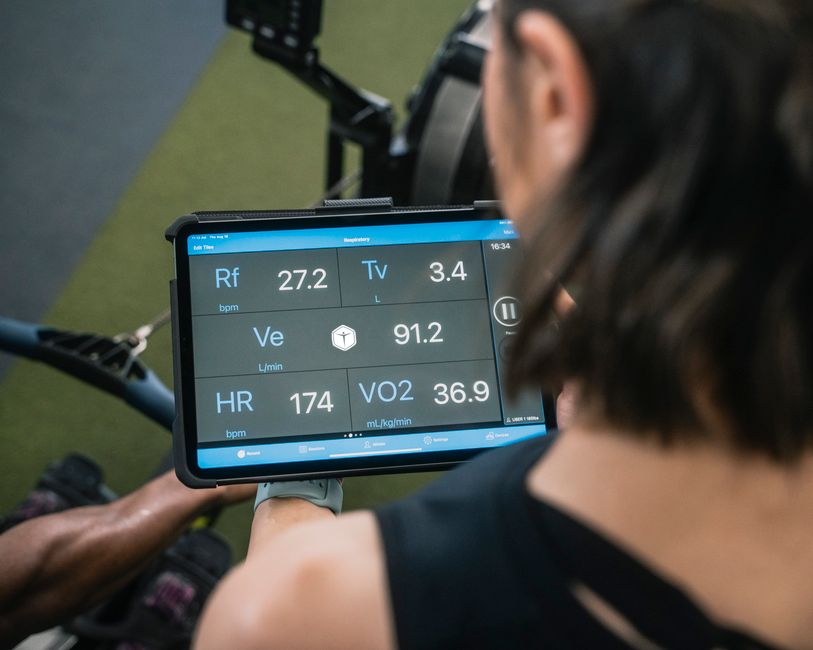
Wearable Metrics That Matter After 50: HRV, RHR, Sleep, and Respiratory Rate Ranked by Predictive Value
Most wearables dump a small spreadsheet on your wrist, then leave you to figure out which numbers matter and which ones are just decorative frosting. For men past 50, that matters more than the marketing copy would suggest. The point isn’t to become emotionally attached to a readiness score. The point is to notice the…
-
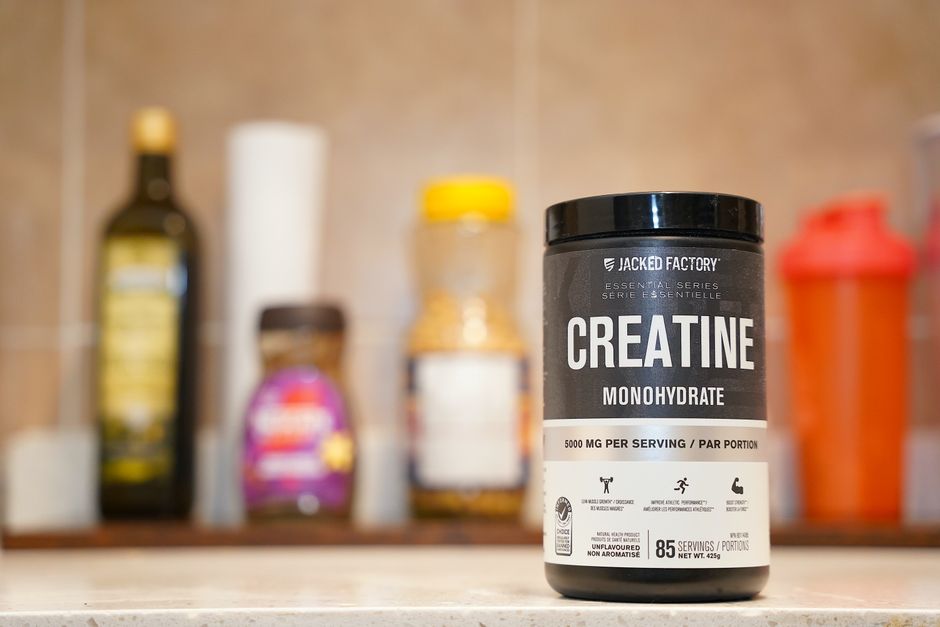
Creatine Monohydrate Brands Ranked by Third-Party Testing: Finding the Cleanest Product
Most creatine advice still acts like the category is simple: buy creatine monohydrate, take 3 to 5 grams a day, move on. That part is simple. Buying from the right company isn’t. If you’re looking for third-party tested creatine monohydrate brands, the real issue is whether the tub in your hand contains clean, stable creatine…
-

TRT and Mental Health: What the Research Says About Mood, Anxiety, and Cognitive Effects
You can feel off for months before the lab work gives the problem a neat label. Mood gets flatter. Patience gets shorter. Focus starts wandering in the middle of work you used to handle without thinking. For some men, that slide has less to do with grit or aging in the abstract and more to…