
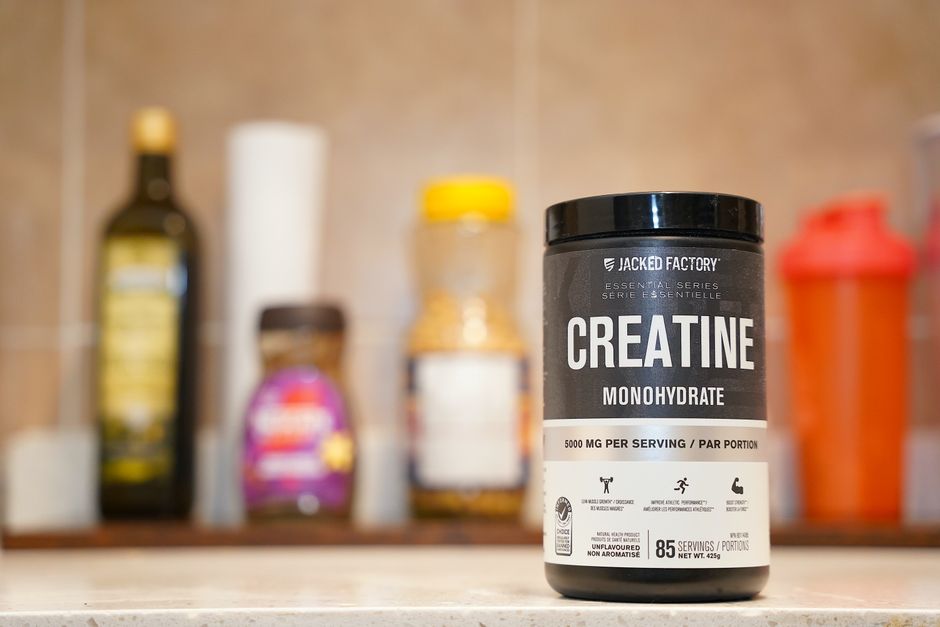
Most creatine advice still acts like the category is simple: buy creatine monohydrate, take 3 to 5 grams a day, move on. That part is simple. Buying from the right company isn’t. If you’re looking for third-party tested creatine monohydrate brands, the real issue is whether the tub in your hand contains clean, stable creatine instead of a label and a marketing budget.
That distinction matters more for a 55-year-old executive than for a 22-year-old buying whatever was on sale after leg day. Time is tighter. Risk tolerance is lower. Wasted spend gets old fast. So does supplement theater, where the label says “pure” and nobody outside the brand has checked a thing.
The straight take is this: if a creatine brand has NSF Certified for Sport or Informed Sport certification, it has cleared a much higher bar than the average supplement on Amazon. If it also uses Creapure, that is an additional quality signal worth paying for when consistency matters. Not because German manufacturing is magical. Because contaminants, degraded creatine, and lazy sourcing are still common enough to make “trust us” a poor purchasing strategy.
Why Third-Party Testing Matters for Creatine
Creatine monohydrate is one of the most studied supplements in sports nutrition. That’s the good news. The less charming part is that a well-studied ingredient can still be sold badly.
A 2011 analysis of 33 commercial creatine supplements, published on ResearchGate as “Levels of Creatine, Organic Contaminants and Heavy Metals in Creatine Dietary Supplements,” found that about 15% contained detectable levels of the industrial contaminants dicyandiamide, or DCD, and dihydro-1,3,5-triazine, or DHT. On top of that, 44% showed meaningful breakdown into creatinine. In plain English, nearly half the products had enough degradation that the labeled amount of active creatine wasn’t what the buyer was likely getting.
That’s why third-party testing matters. It does two jobs the label can’t do on its own. First, it checks whether the product contains what it claims to contain. Second, it checks whether the manufacturing process introduced contaminants, banned substances, or breakdown products that shouldn’t be there in the first place.
For this audience, that isn’t a small distinction. Creatine is usually bought for a practical reason: training performance, recovery, muscle maintenance, or maybe a cognitive edge that doesn’t come from another cup of coffee at 4 p.m. If the powder is degraded or contaminated, the buyer pays for the downside and gets less of the upside.
There is also a bigger pattern here. The supplement industry still allows a lot of certification theater. A bag can look clean and expensive while skipping the one step that matters: outside verification.
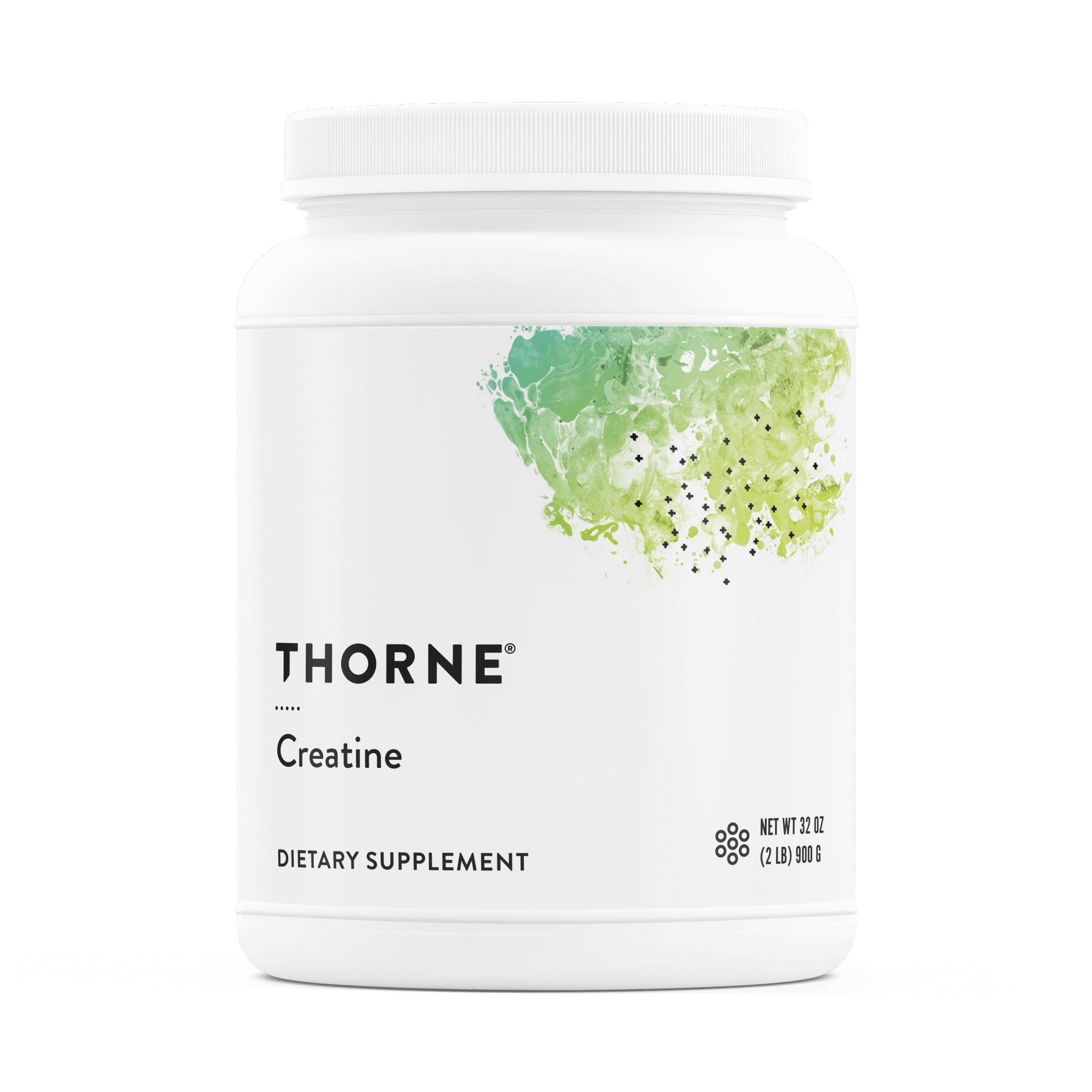
Thorne Creatine Monohydrate
We may earn a commission if you purchase through this link — it doesn't affect the price you pay
How Supplement Certification Programs Work
Not all seals mean the same thing, and this is where most buyers get lost. Two labels matter most in this category: NSF Certified for Sport and Informed Sport.
According to NSF International, NSF Certified for Sport verifies label claims and screens products for more than 280 banned substances. That matters most for athletes, executives who compete in masters sports, and anyone who wants a cleaner supply chain than the usual supplement roulette. The point isn’t just whether the creatine has creatine in it. The program is designed to catch contamination that wouldn’t show up on a glossy product page.
Informed Sport uses a similar logic with a slightly different emphasis. Informed Sport says it tests every batch for more than 250 World Anti-Doping Agency listed banned substances using ISO/IEC 17025 accredited methods. “Every batch” is the phrase worth noticing. Spot-checking is useful. Batch-by-batch verification is stronger.
Both programs also give consumers a way to verify certification online. That’s a quiet but important detail. A useful certification is one you can check, not one you are expected to admire from across the room.
This is also what these programs don’t do. They don’t turn a weak product into a strong one. They don’t tell you whether the price is sensible. Certification answers a narrower question: was the product independently checked for label accuracy and contamination using a real process.
That narrower question happens to be the one most worth answering first.
The Best Third-Party Tested Creatine Monohydrate Brands
If the goal is to buy once and stop thinking about it, the best third-party tested creatine monohydrate brands are the ones that combine credible certification with a clean sourcing story. Five names stand out.
Momentous sits at the top of the list because it checks the most boxes. It carries both NSF Certified for Sport and Informed Sport certification, and it uses Creapure as its raw material source. That combination is unusually strong. It gives the buyer certification from two respected programs plus a raw ingredient with a long-standing purity reputation. Who this isn’t for: someone who only wants the cheapest grams-per-dollar option and doesn’t care about redundant quality signals.
Thorne is the conservative pick. It holds NSF Certified for Sport certification and has a long reputation for clinical-looking execution without the usual bro-science packaging. For a reader who wants a straightforward product from a brand that is already familiar in practitioner-adjacent circles, Thorne is easy to justify. Who this isn’t for: someone who insists on Creapure specifically as a sourcing requirement.
Klean Athlete belongs in the same upper tier. It’s NSF Certified for Sport, which makes it a sensible option for buyers who want a testing-first brand and don’t need extra storytelling around the ingredient. Who this isn’t for: the reader trying to squeeze out the lowest possible cost per serving from a warehouse-size tub.
Bare Performance Nutrition is a more interesting hybrid. It carries NSF Certified for Sport and uses Creapure. That makes it a strong value if you want both recognized certification and the higher-purity raw material standard without necessarily paying for the most premium branding in the category. Who this isn’t for: someone who wants the most clinically minimal brand presentation.
Sports Research earns its spot because it is Informed Sport certified. That single certification is still meaningful, especially for buyers who want batch-level screening and a brand that is easy to find. Who this isn’t for: anyone who wants the comfort of dual certification or explicitly prefers NSF.
ConsumerLab’s June 2026 creatine review adds a useful layer here. It tested 11 creatine products and found that one failed because of excess creatinine. ConsumerLab’s passing standard required at least 99.9% of claimed creatine content and creatinine no higher than 0.1% of measured creatine. That’s exactly the sort of technical threshold that matters more than brand storytelling.
The practical ranking is simple. If you want the cleanest all-around signal set, start with Momentous. If you want a trusted mainstream medical-adjacent brand, Thorne is the safe call. If you want NSF without paying for extra narrative, Klean Athlete works. If you want Creapure plus NSF, Bare Performance Nutrition deserves a look. If batch testing matters most and Informed Sport is enough, Sports Research is a credible choice.
Creapure vs. Generic Creatine: Is the Premium Worth It?
For readers who care about purity, the answer is yes. The premium for Creapure is usually worth it.
Creapure is manufactured by AlzChem in Trostberg, Germany, and the company states a minimum purity standard of 99.9%. More important than the headline number is what independent comparisons have shown around contaminants. Creapure’s published standards cite DCD levels under 20 mg/kg and undetectable DHT, both below the European Food Safety Authority safety limits of 50 mg/kg for DCD and 3 mg/kg for DHT.
That would be mildly reassuring on its own. The real contrast comes from generic creatine sourced from lower-quality manufacturing channels. Independent comparisons have found generic creatine from Chinese manufacturers with DCD as high as 54,000 mg/kg. That isn’t a rounding error. That’s a category gap.
Does that mean every non-Creapure product is bad? No. Certification still matters. A well-certified generic product can be a rational buy, especially if price sensitivity matters. But if two products are both credible and one uses a raw material with a documented purity advantage, paying a little more is reasonable.
The simple rule is this: if the product is third-party certified and uses Creapure, that is the strongest purity signal available from the brands in this brief. If it is certified but generic, it can still be acceptable. If it has neither credible certification nor clear sourcing, skip it.
How to Verify Your Creatine’s Testing Status
The good brands make verification possible. The weak ones make you work for it or hope you stop asking.
Creapure products carry a QS code on the package that can be entered at Creapure.com for batch-level verification. That’s useful because it connects the label in your hand to a trackable manufacturing claim, not just a marketing phrase. If a brand says it uses Creapure but gives you no verifiable pathway, treat that as a yellow flag.
NSF and Informed Sport also maintain searchable databases. That means a buyer can check whether a product is actually certified instead of assuming the logo belongs there. This takes a few minutes and saves the usual post-purchase guessing.
An NSF-linked 2024 consumer trust study found buyers were willing to pay 11% more for certified supplements. A 2024 NOW survey found that 98% of consumers ranked product quality and safety as top purchase concerns. People don’t mind paying a little more when the product gives them a reason.
The verification checklist is short:
Look for NSF Certified for Sport or Informed Sport on the label.
Check the brand in the public database before buying.
If the product claims Creapure, verify the QS code or brand listing through Creapure’s system.
If the brand hides behind vague language like “lab tested” without naming the program, assume nothing.
That last one matters. “Lab tested” without a certifying body is often just certification theater in a lab coat.
What 50+ Readers Should Know About Creatine Safety
This is the part most readers actually care about: is creatine safe, and is it still worth taking after 50.
The evidence base is unusually strong for a supplement. Creatine monohydrate has more than 1,000 published studies behind it, and Examine.com gives it an Evidence Grade of I, or Good/Strong, for safety in healthy individuals. That’s about as far from speculative supplement culture as this category gets.
Kidney concerns are the first objection, usually because creatinine and creatine get blurred together in casual conversation. A 2025 systematic review indexed on PubMed found no significant changes in glomerular filtration rate, or GFR, with creatine supplementation. For healthy adults, that is reassuring. Who this isn’t for: anyone with known kidney disease, reduced renal function, or a physician actively monitoring kidney issues. That reader should talk to his provider before adding creatine rather than treating a supplement article like a lab order.
There is also a cognitive angle here, which matters for this audience more than another half-rep on a leg press. A 2025 Nutrition Reviews paper on dietary creatine and cognitive function in adults 60 and older found that 5 of 6 studies in adults 55 and up showed positive effects on memory and attention. That doesn’t mean creatine is a magic fix for brain fog. It does mean the evidence is interesting enough to take seriously, especially for readers noticing slower recall, heavier mental fatigue, or poorer sleep-driven recovery.
The sensible takeaway isn’t that every man over 50 should automatically start creatine tomorrow morning. The sensible takeaway is that creatine monohydrate is one of the better-supported options worth considering if your goals include muscle maintenance, training recovery, and possibly cognitive support, provided the product is well tested and your health context doesn’t raise obvious red flags.
Frequently Asked Questions
Does creatine monohydrate cause kidney damage in healthy men over 50?
Current evidence doesn’t show meaningful kidney function harm in healthy adults. The 2025 systematic review indexed on PubMed found no significant change in GFR with supplementation. That said, men with known kidney disease or abnormal renal markers should clear it with their provider first.
Can creatine help with brain fog and memory as I age?
Possibly. The evidence isn’t as deep as the strength-and-recovery literature, but the 2025 Nutrition Reviews paper found positive memory and attention effects in 5 of 6 studies involving adults 55 and older. That’s promising, not definitive.
Is there a real difference between creatine monohydrate and other forms like HCL or ethyl ester?
For most buyers, monohydrate is still the default. It has the deepest evidence base, the most safety data, and the clearest testing benchmarks. Fancy forms usually have better marketing than evidence.
How much should a 55-year-old take each day?
The sources here focus on product quality and safety, not a protocol. The useful point is product quality: buy a third-party tested monohydrate first, then discuss dose with your provider if you have kidney concerns, medication interactions, or a more complicated health picture.
Does the DHT concern around creatine and hair loss actually hold up?
The DHT in the contamination discussion is dihydro-1,3,5-triazine, an industrial contaminant measured in product purity testing. That isn’t the same thing as dihydrotestosterone, the hormone people usually mean in hair-loss conversations. Mixing those two up causes a lot of unnecessary confusion.
The best third-party tested creatine monohydrate brands give you two things: cleaner sourcing and fewer reasons to wonder what is actually in the tub. For most careful buyers, that means starting with certified products from Momentous, Thorne, Klean Athlete, Bare Performance Nutrition, or Sports Research, and giving extra credit to Creapure when purity is the priority. Creatine itself isn’t the risky part here. Lazy sourcing wrapped in premium packaging is.
Sources
- ResearchGate. “Levels of Creatine, Organic Contaminants and Heavy Metals in Creatine Dietary Supplements.” 2011.
- NSF International. NSF Certified for Sport program materials and certified products database.
- Informed Sport. “The Informed Sport Certification Process.”
- ConsumerLab.com. “Creatine Supplements Review.” June 2026.
- Creapure / AlzChem. “What Is Creapure?” purity standards and QS verification materials.
- Examine.com. “Creatine Supplement Evidence.”
- Nutrition Reviews. “Dietary Creatine and Cognitive Function in US Adults Aged 60+.” 2025.
- PubMed / National Library of Medicine. Systematic review of creatine and kidney function. 2025.
- NOW Foods Consumer Survey. Top wellness and health priorities. 2024.
Continue reading: Read the pillar — Supplements & Nutrition
This article is for informational purposes only and is not financial advice. Consult a qualified professional for personalized guidance.
Leave a Reply