
Category: Biomarkers & Lab Testing
-

How to Read Your Own Bloodwork at 50+: An Insider’s Decoder for Total T, ApoB, HbA1c, hsCRP, and SHBG
Most men over 50 get handed a lab report, hear the word “normal,” and go home with exactly the same question they started with: then why do I feel worse than I did five years ago? That’s the gap this article is here to close. If you want to know how to read bloodwork for…
-

Vitamin B12, Folate, and Homocysteine: The Nutrient Triad Affecting Energy, Cognition, and Cardiovascular Risk After 50
If you’re a man over 50 and your energy feels flatter, your thinking feels a half-step slower, or your workout recovery has quietly become a negotiation, this lab trio is worth more attention than it usually gets. B12, folate, and homocysteine aren’t three random numbers floating around on a blood panel. They’re part of the…
-

HbA1c and Fasting Insulin: The Two Metabolic Markers Men Over 50 Should Track Closely
You can get a fasting glucose in range, an HbA1c that doesn’t alarm anybody, and still have a metabolic picture that is headed the wrong way. This is one of the more annoying tricks of midlife health: the standard panel gives you a polite shrug while the underlying trend is already in motion. For HbA1c…
-
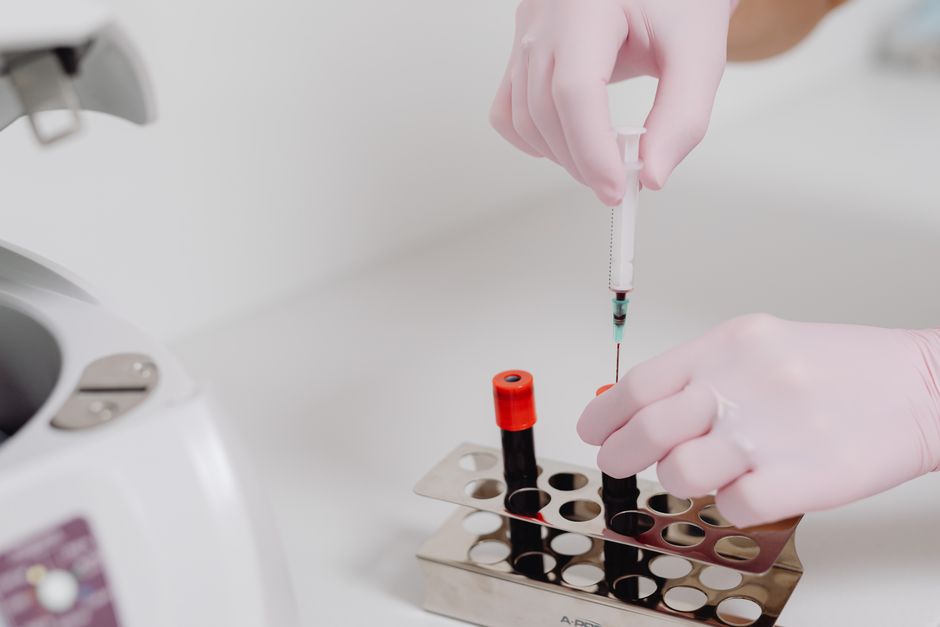
How to Interpret Your Own Blood Work: A Step-by-Step Guide for Men Over 50
Most men do not need more lab work. They need a better way to read the labs they already have. That is the real gap. A standard blood panel lands in the portal, a few numbers are bolded in red, and the official summary is usually some version of “normal for your age.” Meanwhile, energy…
-
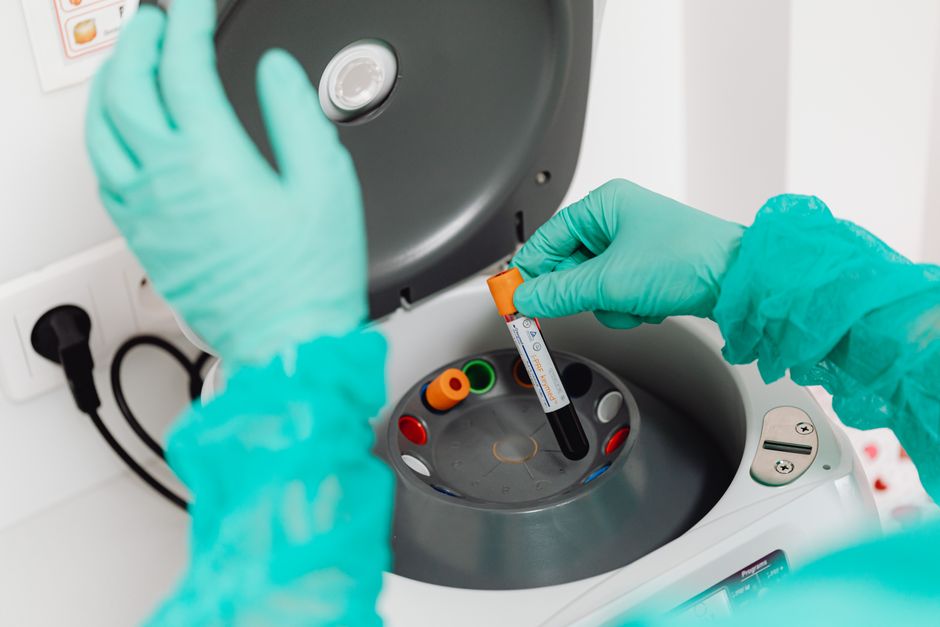
Marek Health Labs: What Their Biomarker Panels Cover and How They Compare to Quest and LabCorp
Marek Health biomarker panels are built for the guy who already knows a standard annual physical leaves a lot unsaid. You get a testosterone number, maybe a lipid panel, and a cheerful “normal for your age” note that explains exactly nothing about why recovery is worse, sleep is lighter, or body composition is drifting in…
-
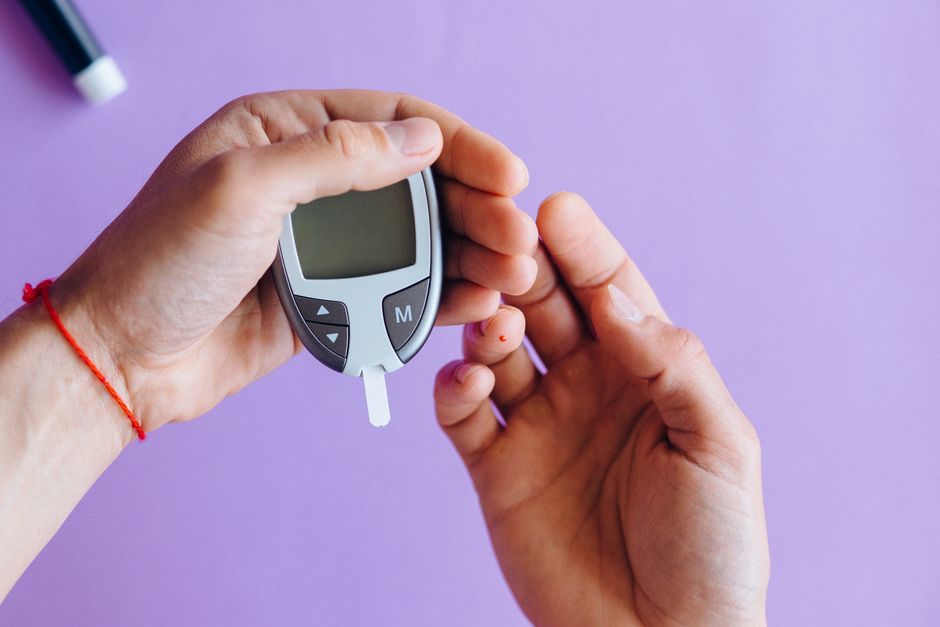
CGM for Non-Diabetics: What Continuous Glucose Monitors Reveal About Metabolic Health in Men Over 50
If your fasting glucose comes back “normal,” your HbA1c looks fine, and you still feel like your energy falls off a cliff after lunch, that isn’t nothing. It’s the snapshot problem. Standard labs give you a still photo. A CGM gives you the movie. That matters for CGM non-diabetic metabolic health men over 50 because…
-
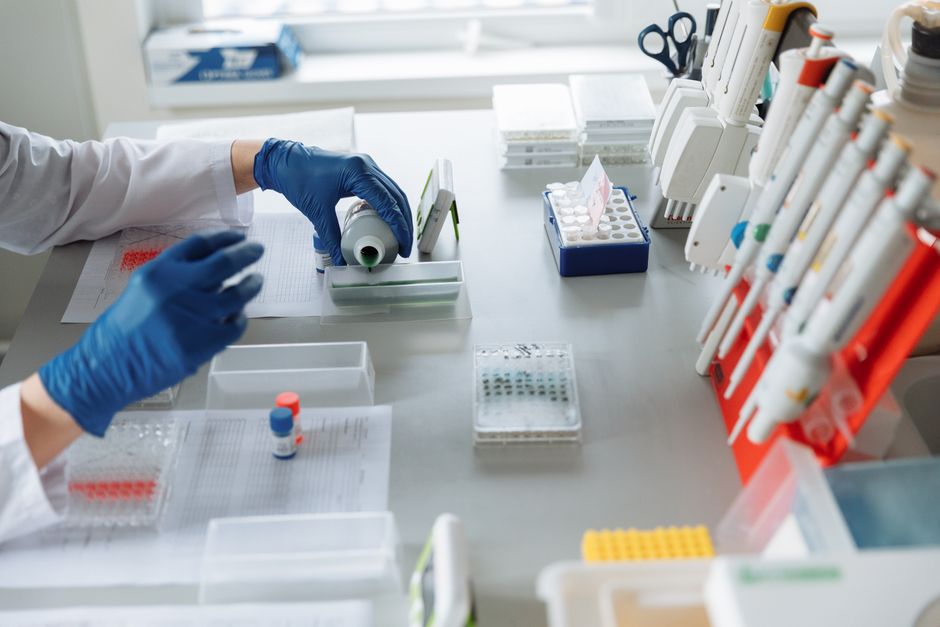
The Complete Advanced Thyroid Panel for Men Over 45: What to Test Beyond TSH
If you’re dragging through the afternoon, waking up cold, or feeling like your recovery speed quietly left the building, a single “normal” TSH result doesn’t settle much. An advanced thyroid panel for men over 45 tells a fuller story because TSH is a signal from the pituitary, not a direct read on how much usable…
-
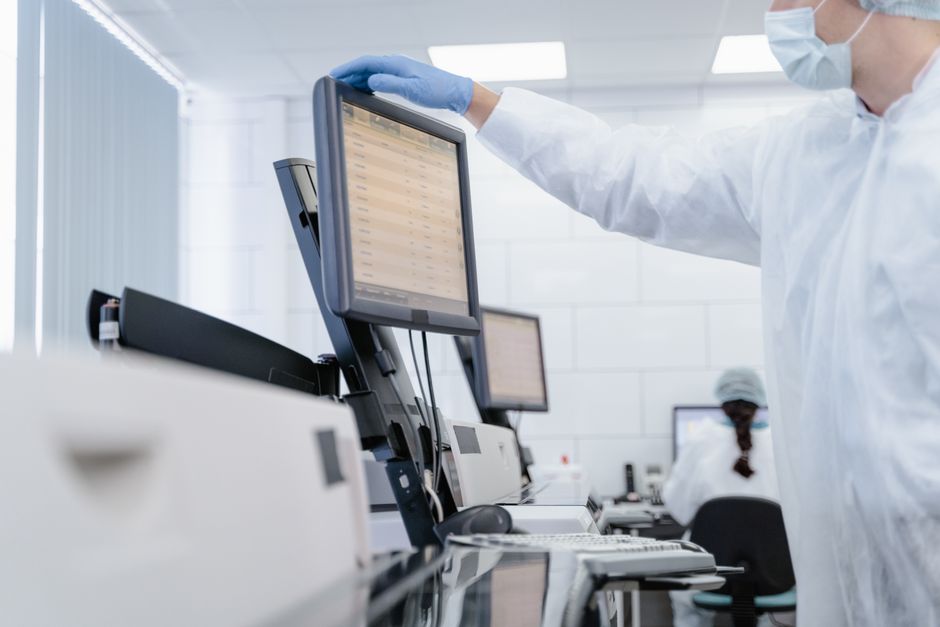
SiPhox Health Review: Is This At-Home Lab Platform Ready for Routine Biomarker Tracking?
Most men don’t need more wellness theater. They need cleaner answers with less friction. That’s what makes a SiPhox Health review worth doing in the first place: not because an at-home lab sounds futuristic, but because a 52-year-old with a calendar full of meetings may actually test more often if he doesn’t have to book…
-

Omega-3 Index Testing: Why This Biomarker Deserves a Spot on Your Annual Panel
Most annual bloodwork is built to catch disease after it has started causing trouble. That’s useful, but it leaves a gap. If you’re the kind of person who already tracks ApoB, HbA1c, or hsCRP, you probably want markers that say something about direction, not just damage control. That’s where the omega-3 index test biomarker earns…
-
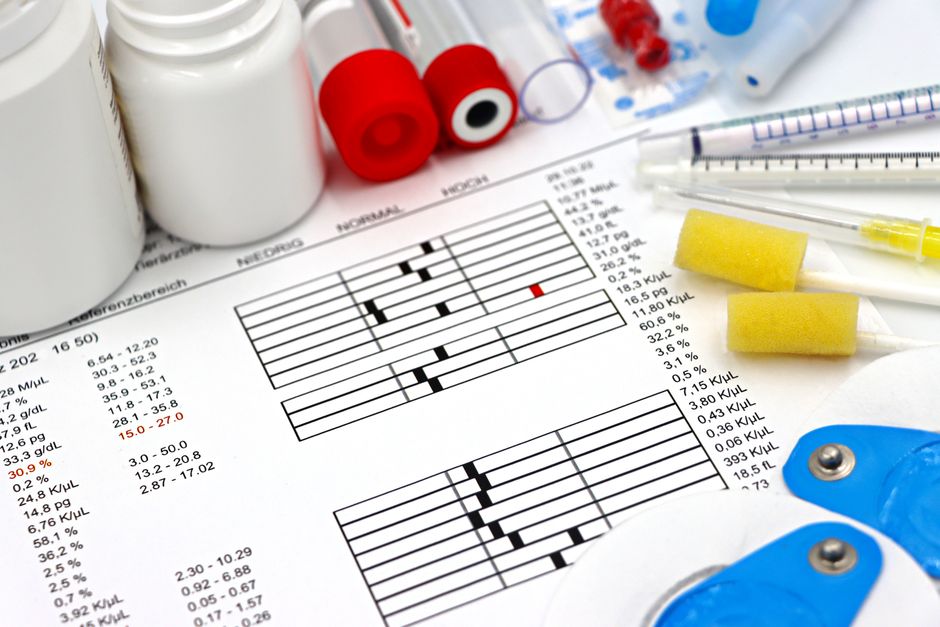
Three-Year Biomarker Trendlines: How to Turn Annual Lab Panels Into a Predictive Health Dashboard
The usual annual lab routine goes like this: a doctor says your numbers are “normal,” you file the report away, and nothing useful happens until next year. That’s fine if the goal is checking a box. It’s weak if the goal is noticing where your health is actually drifting. Biomarker trendlines annual labs tracking solves…