
Category: Biomarkers & Lab Testing
-
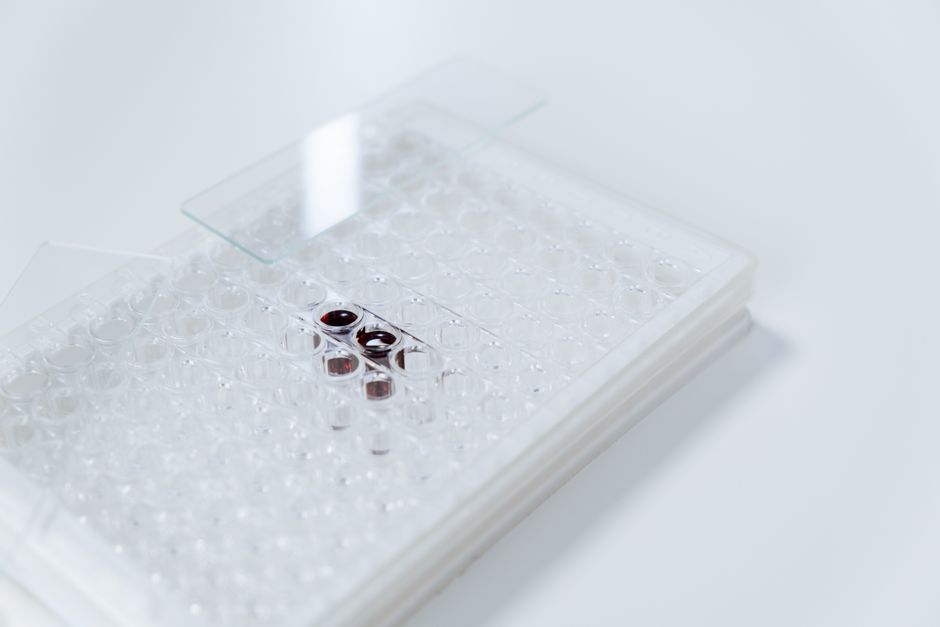
The Complete Advanced Lipid Panel for Men Over 50: ApoB, LDL-P, Lp(a), and Beyond Standard Cholesterol
If you’re a man over 50 and your doctor keeps telling you your cholesterol looks “fine,” that may be true in the narrowest possible sense. It may also miss the part that actually drives risk. An advanced lipid panel for men over 50 looks past basic total cholesterol, HDL, LDL-C, and triglycerides. It adds markers…
-
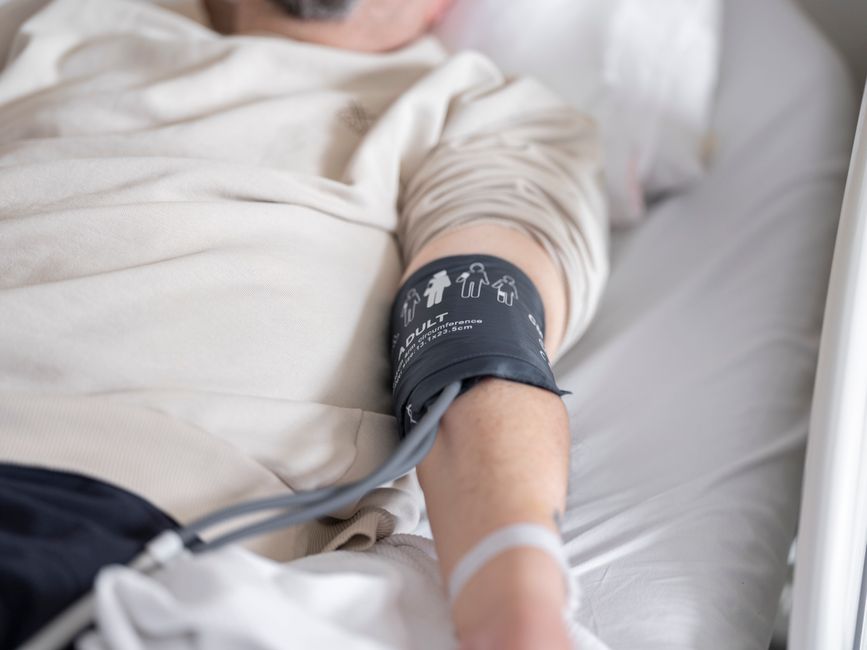
Iron and Ferritin: The Underdiagnosed Biomarker Every Man Over 45 Should Monitor
Most men over 45 know the usual bloodwork script by heart. Glucose. Cholesterol. Maybe testosterone if they’re already suspicious that something feels off. But an iron ferritin test for men over 45 belongs on that shortlist too, because it catches a problem that can cut in two directions at once: too little iron, or too…
-

SiPhox Health vs. LetsGetChecked vs. InsideTracker: Comparing the DIY Lab Testing Platforms for Men Who Want Quarterly Biomarker Monitoring Without a Doctor
If you are trying to monitor testosterone, ApoB, HbA1c, inflammation, and the rest of the usual middle-age plot twists every quarter, the platform matters more than the marketing. Some services are built for repeat tracking. Some are built for one-off diagnostic questions. Some are built for people who enjoy dashboards so much they might frame…
-
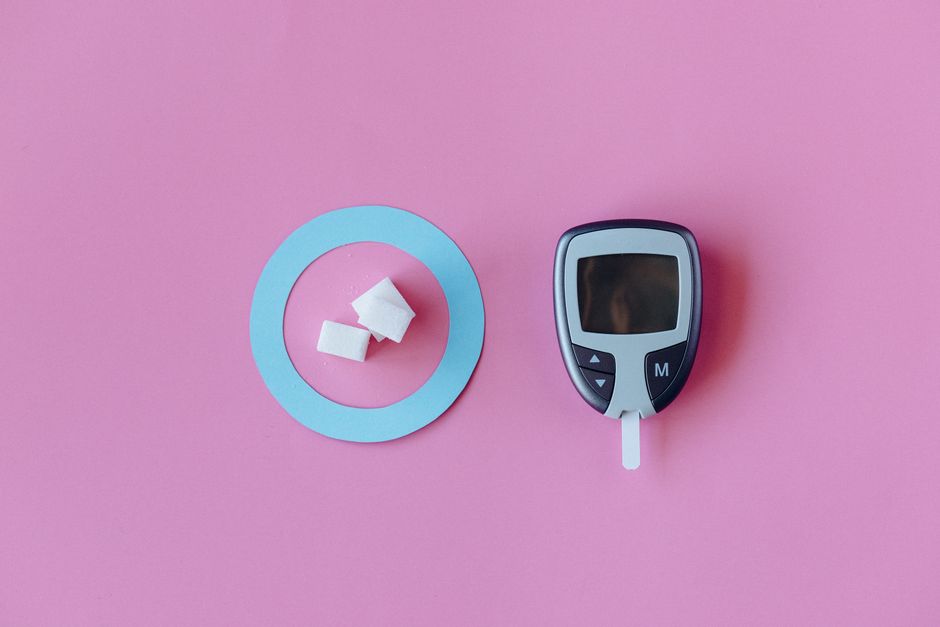
Fasting Insulin vs. HbA1c vs. Continuous Glucose Monitoring: Which Metabolic Health Marker Should a Man Over 50 Prioritize and Why
You get the annual physical, glance at the glucose number, see that HbA1c sits inside the lab’s normal range, and assume the metabolic side of the dashboard is fine. That’s a comforting story. It’s also often incomplete. For men over 50, the real problem is timing. Metabolic trouble usually starts quietly, years before the standard…
-
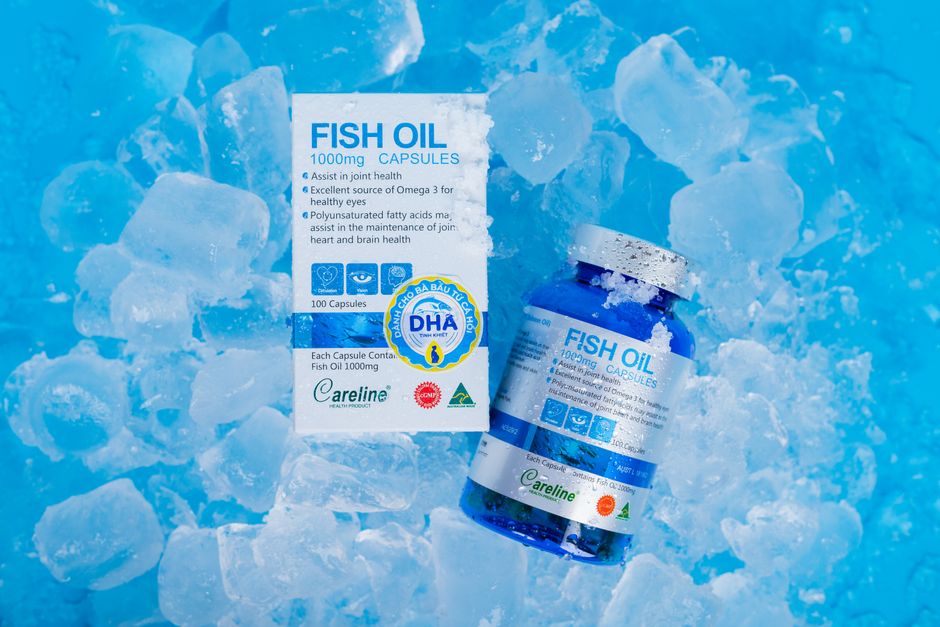
Omega-3 Index Testing: How to Measure Your EPA+DHA Status and What Therapeutic Levels Look Like
Most men don’t have an omega-3 problem because they forgot salmon exists. They have one because they assume a decent diet plus a generic fish-oil capsule must be close enough. Usually it isn’t. An omega-3 index test gives you a cleaner answer by measuring EPA and DHA levels directly in red blood cell membranes, which…
-
Uric Acid and Metabolic Health: Why Men Over 45 Should Include This Marker in Their Annual Panel
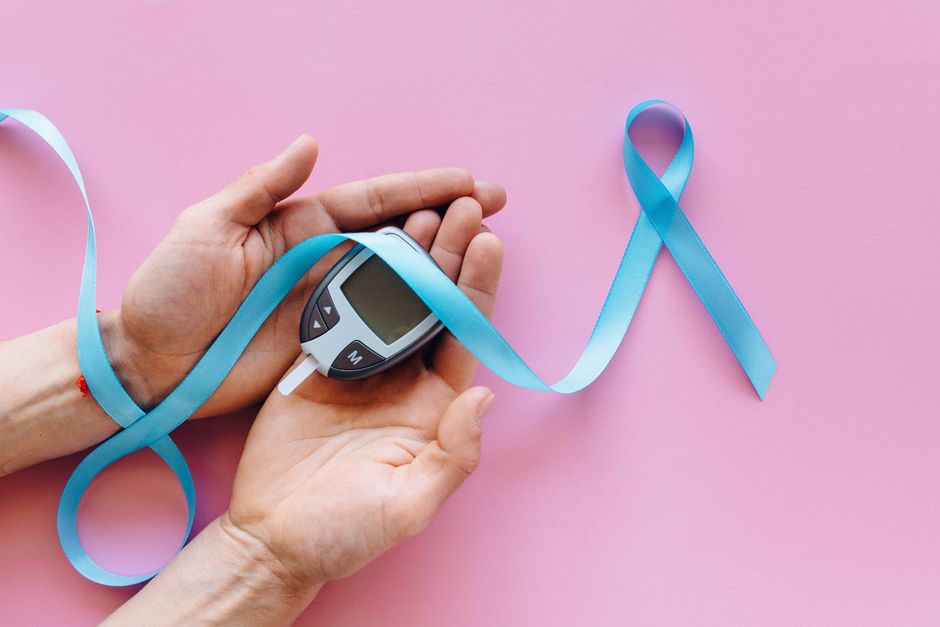
Most men over 45 can recite the usual bloodwork lineup from memory: CBC, CMP, lipids, HbA1c, maybe testosterone if something already feels off. A uric acid test usually doesn’t make the cut. That’s a blind spot. Uric acid has been typecast as the gout number, which is a little like calling blood pressure the headache…
-

The Complete Vitamin D Testing Guide for Men Over 45: 25(OH)D, Optimal Ranges, and When to Retest
Most men don’t need another vague wellness lecture. They need a vitamin D testing guide men over 45 can actually use when the lab portal shows a number, the doctor says “normal,” and the body is still sending less encouraging feedback. This is where the conversation usually goes sideways. One camp acts like vitamin D…
-

Direct LDL vs. Calculated LDL: Why the Testing Method Matters for Men Over 50
Most men over 50 don’t have a cholesterol problem. They have a measurement problem. The lab report says LDL is “fine,” the doctor glances at the line item, and everyone moves on. Meanwhile triglycerides are creeping up, fasting status is inconsistent, and the number being treated as hard fact is often just math from 1972…
-
Beyond Standard Labs: A Tiered Guide to Advanced Biomarkers Men Over 45 Should Consider Adding
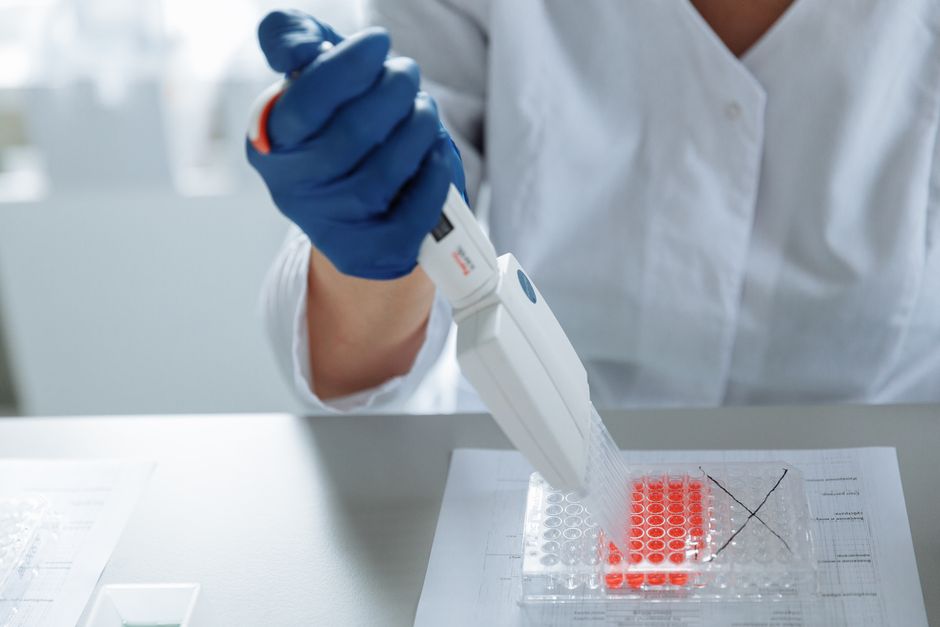
You can be told your labs are “normal” and still feel like something is sliding backward. Recovery gets slower. Sleep gets lighter. Midsection gets stickier. Focus starts behaving like an unreliable contractor. That’s exactly why an advanced biomarker testing guide men over 45 can use is more useful than another reminder to eat more vegetables…
-

Everlywell vs. LetsGetChecked: Which At-Home Lab Platform Is Better for Men Over 45?
Most men over 45 don’t need more wellness theater. They need a lab platform that gives useful numbers, reasonable turnaround, and some kind of adult supervision when the results come back strange. On that score, LetsGetChecked is the stronger default for most men. Everlywell still has a lane, especially if you want saliva collection and…