
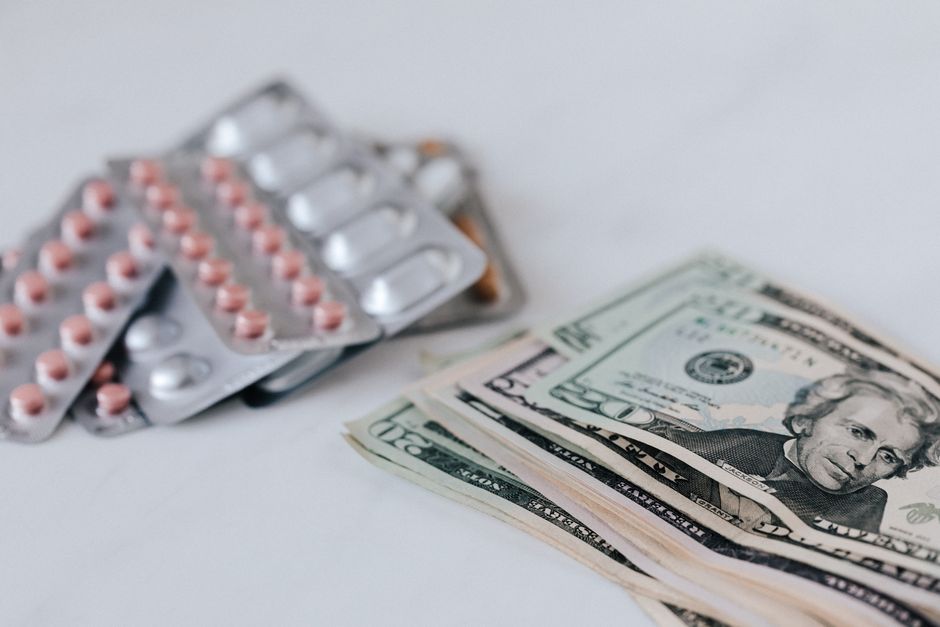
Supplement shelves are a tidy little economics experiment. One bottle says `$19.99`, another says `$54`, and both are trying to convince you they’re the sensible choice. For a time-poor guy who has already wasted money on products that promised a lot and delivered flavored dust, that price tag isn’t useful. It’s theater.
The better question is simpler: what are you actually getting per effective dose? That’s the heart of any supplement cost per dose comparison worth doing. Not cost per bottle. Not cost per scoop. Cost per amount that reaches an evidence-backed dose, in a form your body can plausibly use, with enough testing behind it that you’re not treating the label like fan fiction.
That sounds fussy. It isn’t. Five minutes of math usually tells you whether a supplement is a decent buy, a convenience premium, or a polished way to overpay.
The $69 Billion Question: What Are You Actually Getting?
This isn’t a niche market filled with a few tubs of whey and some dusty fish oil on the bottom shelf. Nutrition Business Journal data, reported by Nutraceuticals World in March 2025, put the U.S. dietary supplement market at an estimated `$69.3 billion` in 2024, up `5.2%` year over year. Vitamins made up `27.5%` of the market, specialty ingredients `21.8%`, and sports nutrition `15.2%`, with sports nutrition growing fastest at `8.4%`.
That scale matters because a market that large attracts every pricing strategy in the book. Premium branding. Subscription discounts. Gummy versions of perfectly ordinary compounds. Clinical-looking labels designed to make a mediocre formula seem like it belongs in a lab next to an MRI.
More choice doesn’t automatically mean better value. It usually means more ways to obscure value. When dozens of brands are selling versions of the same nutrient, the bottle price stops being a decision tool and starts being a distraction.
For this audience, the real risk isn’t just overspending. It’s spending like a rational person in a market that often isn’t rational. A cheap product can be underdosed. An expensive product can be dressed-up commodity powder. A good supplement can still be a bad buy if the dose, form, and testing don’t justify the premium.
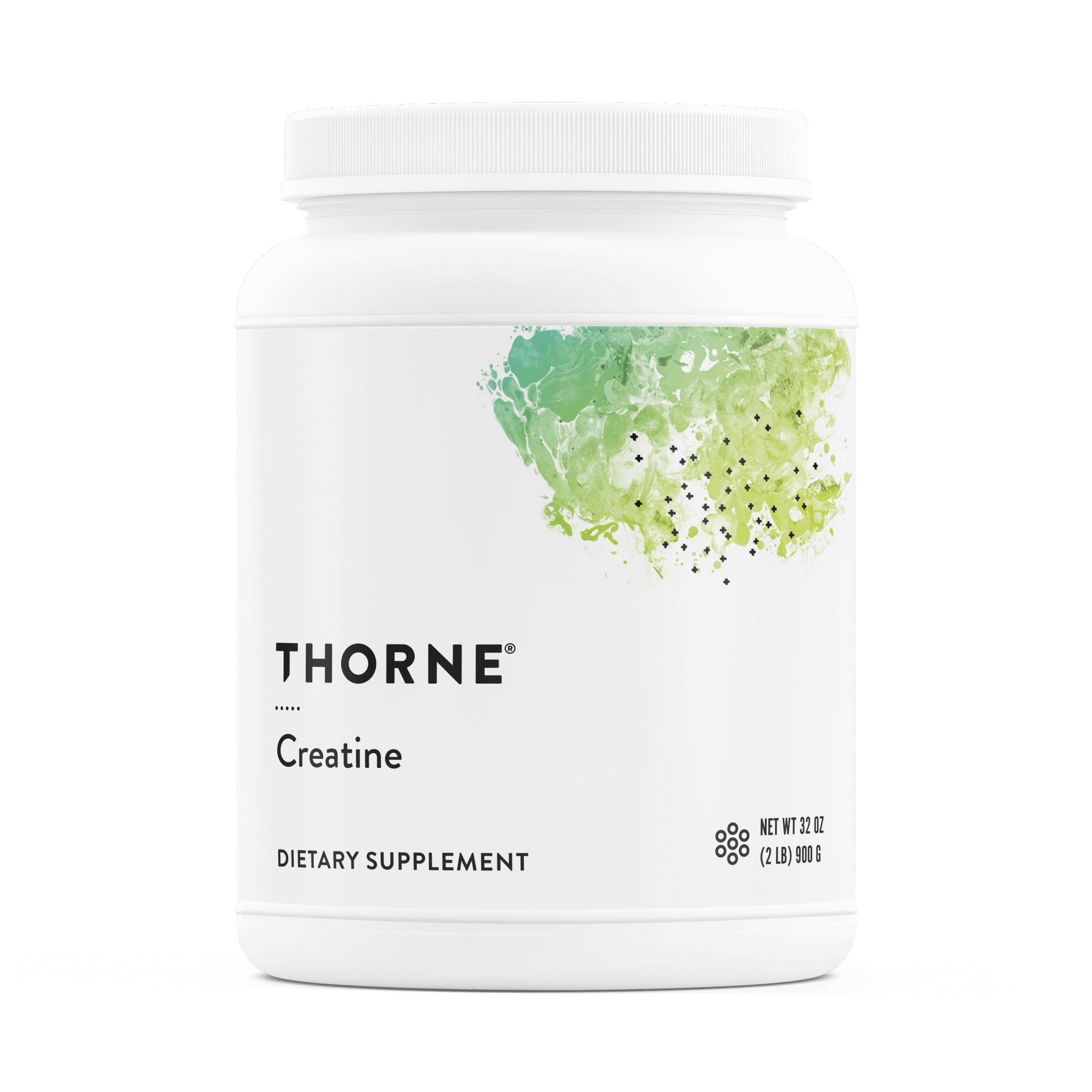
Thorne Creatine Monohydrate
We may earn a commission if you purchase through this link — it doesn't affect the price you pay
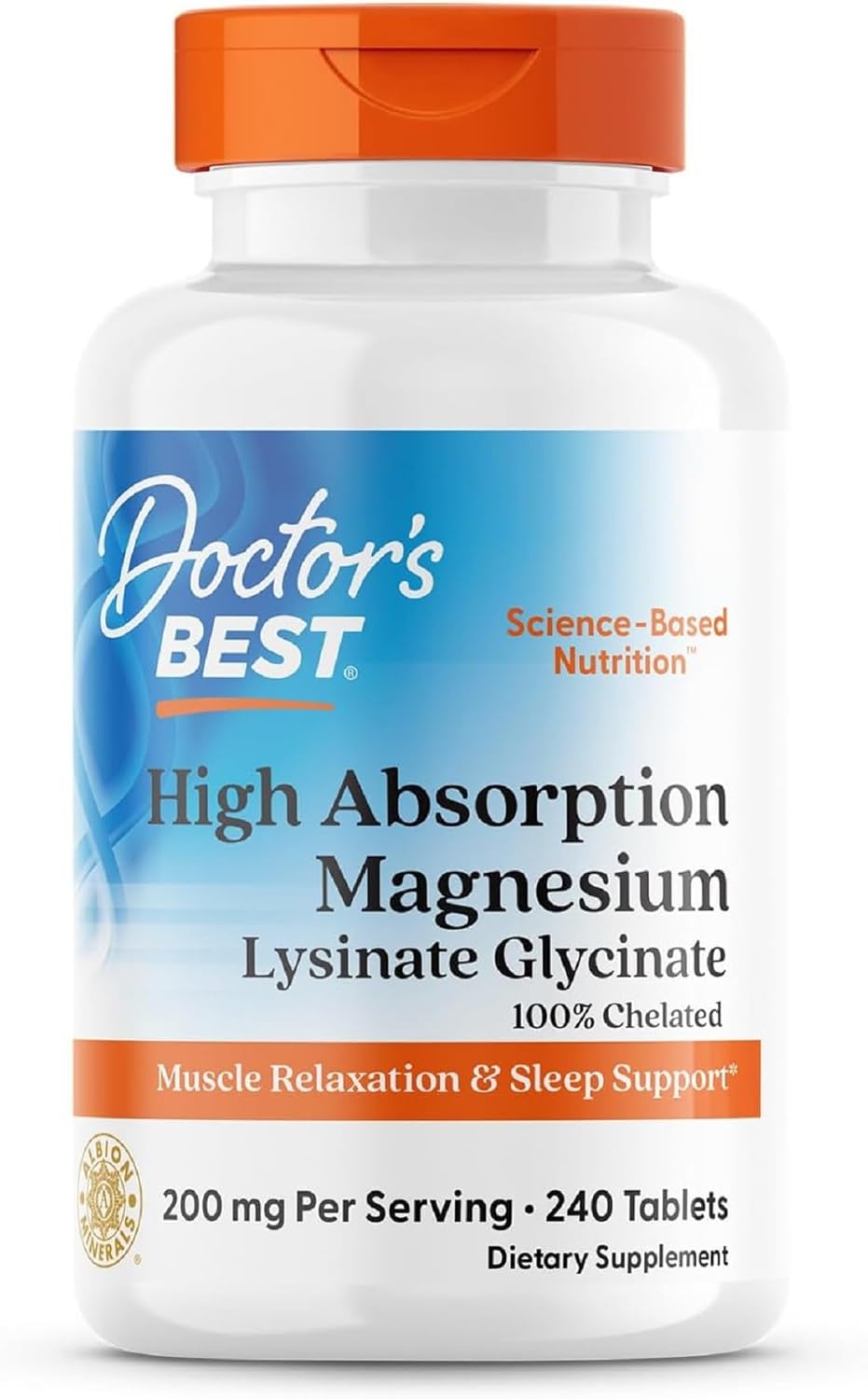
Doctor's Best High Absorption Magnesium Glycinate
Why the Sticker Price Tells You Almost Nothing
Price feels like a shortcut. Higher price should mean better sourcing, tighter quality control, more accurate labels. In supplements, that assumption breaks fast.
A 2023 paper in JAMA Network Open analyzed 57 sports supplements and found that nearly `90%` were inaccurately labeled. About `40%` contained no detectable amount of the labeled ingredient at all. Among the products that did contain the ingredient, actual quantities ranged from `0.02%` to `334%` of the stated amount. Only `6` of the `57` products landed within `10%` of the label claim. That’s not normal product variance. That’s a market telling you the label is sometimes more of a suggestion than a fact.
ConsumerLab found something similar in a different corner of the aisle. In its October 2024 review of B vitamin supplements, `19%` of tested products contained significantly more or less than claimed, and higher cost did not line up with better quality. So the lazy rule most people use, “the expensive one is probably better,” doesn’t hold up very well.
That matters because cost only means something if the label is broadly honest. If a pre-workout claims a clinical dose and contains almost none of it, the cost per serving calculation is meaningless. You’re comparing sticker prices on empty promises.
This is also where a lot of supplement marketing gets weirdly polished. You get language about “advanced delivery systems” and “premium complexes” when the basic question hasn’t been answered: does the bottle contain what it says it contains? Until that box is checked, the price tag tells you almost nothing.
The Math That Changes Everything: Cost Per Serving vs. Cost Per Effective Dose
Cost per serving is the starting point. Cost per effective dose is the useful metric.
Cost per serving is simple math: bottle price divided by number of servings. Cost per effective dose goes one step further. It asks whether that serving actually gets you to the evidence-backed amount of the active ingredient you care about.
Protein is a clean example because the serving itself is usually the intended dose. BarBend’s 2024 review priced Momentous Grass-Fed Whey Protein Isolate at about `$2.60` per serving. Thorne Whey Protein Isolate and Legion Whey+ both land around `$2.17` per serving based on current product pricing. That’s not a trivial spread, but it’s also not wildly different once you’re comparing high-protein servings from brands that position themselves as premium.
Creatine makes the distinction clearer. Legion Micronized Creatine Monohydrate runs about `$1.00` per serving. Momentous Creatine comes in around `$0.58` per serving, or roughly `$0.44` with a subscription. Thorne Creatine is about `$1.20` per serving. If each one gives you the same evidence-backed `5 gram` monohydrate dose, then the expensive option needs a very good reason for the markup.
Now look at creatine gummies. Legion’s gummies cost about `$1.66` per serving for that same `5 gram` dose. That’s roughly `66%` more than Legion’s own powdered monohydrate, and anywhere from `38%` to `186%` more than the powder examples above depending on which comparison you use. You’re not paying for superior evidence. You’re paying for convenience and texture.
Sometimes that convenience is worth it. Most of the time, it’s a snack tax in athletic wear.
The practical formula looks like this:
`cost per serving = price / servings`
`cost per gram of active ingredient = cost per serving / grams of active ingredient`
`cost per effective dose = cost required to reach the studied dose`
For something like creatine monohydrate, the studied dose is usually straightforward. For more complex formulas, this is where the label either becomes useful or collapses into fog. If the product hides doses inside a proprietary blend, you can’t calculate the cost per effective dose with confidence. That isn’t a small inconvenience. It’s the whole problem.
Bioavailability Is the Hidden Variable in Every Dose
A supplement can look cheap right up until you ask whether the form is absorbable enough to matter.
Magnesium is the classic example. Nebraska Medicine notes that magnesium oxide, common in budget products, has roughly `4%` to `5%` bioavailability. The comparative figures used here put magnesium glycinate or so-called food-state forms at about `70%` absorption. That means a cheap bottle of oxide can turn into a very expensive way to buy poorly absorbed magnesium.
Put real numbers on it and the point lands faster. If a `$10` bottle of magnesium oxide gives you only about `$0.50` to `$0.70` worth of absorbable magnesium per `$10` spent, while a `$25` bottle of magnesium glycinate yields roughly `$17.50` worth, the “budget” option isn’t the budget option anymore. It’s the low-ticket version of wasting money.
Creatine marketing offers another version of the same trick. A 2022 paper available through the NIH’s PubMed Central compared creatine monohydrate with other forms and noted that creatine monohydrate showed `38 times` the solubility of creatine HCl under lab conditions, while human trials still haven’t shown HCl to be superior in outcomes that matter. Yet HCl is often sold at a premium, usually with language implying it is cleaner, smarter, or more advanced.
Maybe it feels easier on your stomach. Maybe you prefer the format. Fine. But the evidence for paying more is thin. If the mechanism sounds fancy and the human data doesn’t move, the premium deserves skepticism.
This is where “cost per effective dose” earns its keep. It forces the form question into the math. A bigger number on the label isn’t automatically better. A cheaper bottle isn’t automatically cheaper. And a premium version with no demonstrated advantage is often just a confidence game with cleaner packaging.
What Third-Party Testing Tells You That the Label Doesn’t
Third-party testing is one of the few supplement premiums that can make rational sense.
NSF says its Certified for Sport program screens for banned substances, verifies that what’s on the label is in the bottle, tests for contaminants such as heavy metals, and audits manufacturing facilities for good manufacturing practice compliance. Informed Sport goes lot by lot for substances prohibited by the World Anti-Doping Agency. That’s not marketing wallpaper. That’s a real process.
It’s also not cheap. InventoryReady reports that NSF Certified for Sport can cost manufacturers anywhere from `$15,000` to more than `$50,000` annually. That helps explain why brands like Thorne, Momentous, and Legion Athletics charge more than bare-bones competitors. Thorne alone lists more than `20` NSF Certified for Sport products. Momentous leans heavily on NSF Certified for Sport across flagship products. Legion is more mixed by product line, but it positions transparency and testing as part of the premium case.
There is still a judgment call here. If you’re buying plain vitamin D from a brand with strong manufacturing controls and a clean record, paying a huge markup for elite-sport certification may not be necessary. If you’re buying protein, creatine, or anything you use around regular training or competition, the value of verified label accuracy goes up.
InventoryReady also cites research suggesting consumers are willing to pay about `11%` more for products with independent certification. That sounds about right. A modest premium for verified quality can be sensible. A massive premium for vague promises usually isn’t.
So the question isn’t “is third-party testing worth paying for?” The better question is whether the premium is proportionate to the risk it reduces.
A 5-Minute Supplement Cost Per Dose Comparison Framework
You don’t need a spreadsheet worthy of a hedge fund analyst. You need five checks, in order.
First, calculate cost per serving. Price divided by servings. That gives you the rough shape of the comparison.
Second, calculate cost per gram, milligram, or dose of the active ingredient you actually care about. If one magnesium product gives you `200 mg` of glycinate and another gives you `500 mg` of oxide, those aren’t comparable just because the serving count matches.
Third, check the ingredient form. This is where a lot of fake bargains die. Magnesium oxide versus glycinate. Creatine HCl versus monohydrate. Generic “botanical blend” versus a standardized extract with a known dose. If the form is the bargain-bin version, low price may just mean low utility.
Fourth, verify third-party testing. Look for NSF, Informed Sport, USP, or a credible ConsumerLab review. No certification doesn’t automatically mean bad. But if a brand is charging premium pricing and offering no meaningful validation, the burden of proof is on them.
Fifth, watch for proprietary blends. Nutrifitt and other supplement analysts make the basic point well: when the label hides individual ingredient amounts inside a blend, you can’t tell whether you’re buying an evidence-backed formula or pixie-dust math. If you can’t calculate the cost per effective dose, you can’t compare value honestly.
That’s the whole framework. Quick math, form check, testing check, blend check. It isn’t glamorous. It’s useful. And in a category built on polished labels and selective storytelling, useful beats glamorous every time.
Frequently Asked Questions
Is the most expensive supplement always the best quality?
No. The pricing spread often reflects branding, convenience, certification costs, or format more than ingredient quality. JAMA Network Open and ConsumerLab both show that higher price doesn’t reliably predict label accuracy.
Should I trust proprietary blends or avoid them when comparing brands?
Avoid them if value comparison is the goal. Without individual ingredient amounts, you can’t calculate cost per effective dose, and you can’t tell whether the formula reaches studied levels.
How do I verify a supplement’s label accuracy without sending it to a lab?
Start with third-party signals: NSF Certified for Sport, Informed Sport, USP, or credible ConsumerLab testing. None are perfect, but they are better than taking the label’s word for it.
Are store-brand supplements from Amazon or Costco comparable to premium brands like Thorne or Momentous?
Sometimes, especially for simple ingredients with transparent labels. The gap gets wider when ingredient form, contamination risk, or sport certification matters. That’s where premium brands have a stronger case, assuming the testing is real and the dose is appropriate.
How much should I expect to spend per month on a quality supplement routine for men over 45?
There is no universal number because the category ranges from low-cost basics to expensive convenience products. The better test is whether each item earns its place on a cost-per-effective-dose basis instead of just looking respectable on the kitchen counter.
The Bottom Line
The winning supplement isn’t the cheapest bottle or the prettiest one. It’s the product that gives you the studied dose, in a useful form, with testing strong enough to trust the label, at a price that survives basic math. Run that comparison first, and a lot of the supplement aisle starts looking less like wellness and more like retail costume design.
Related: Momentous vs. Thorne supplement brand comparison
Related: creatine monohydrate brands ranked by third-party testing
Related: third-party tested protein powder certifications explained
Related: magnesium forms for sleep and recovery
Sources
- Nutraceuticals World (Nutrition Business Journal data), “The State of Supplements: U.S. Market Approaches $70 Billion” (March 2025)
- JAMA Network Open, “Analysis of Sports Supplements for Label Accuracy” (August 2023)
- ConsumerLab.com, “Not All B Vitamins Contain What They Claim” (October 2024)
- BarBend, “Momentous Grass-Fed Whey Protein Isolate Review” (2024)
- Nebraska Medicine, “7 Types of Magnesium: Which Form Is Right for You” (2024)
- NSF International, “Certified for Sport Program” (2024)
- InventoryReady, “Choosing Certifications: Informed Sport, NSF, and Third-Party Testing” (2024)
- PMC / National Institutes of Health, “Comparison of Creatine Monohydrate and Other Creatine Forms” (2022)
- Nutrifitt, “Proprietary Blends vs. Transparent Labels” (2024)
Continue reading: Read the pillar — Supplements & Nutrition
This article is for informational purposes only and is not financial advice. Consult a qualified professional for personalized guidance.
Leave a Reply