
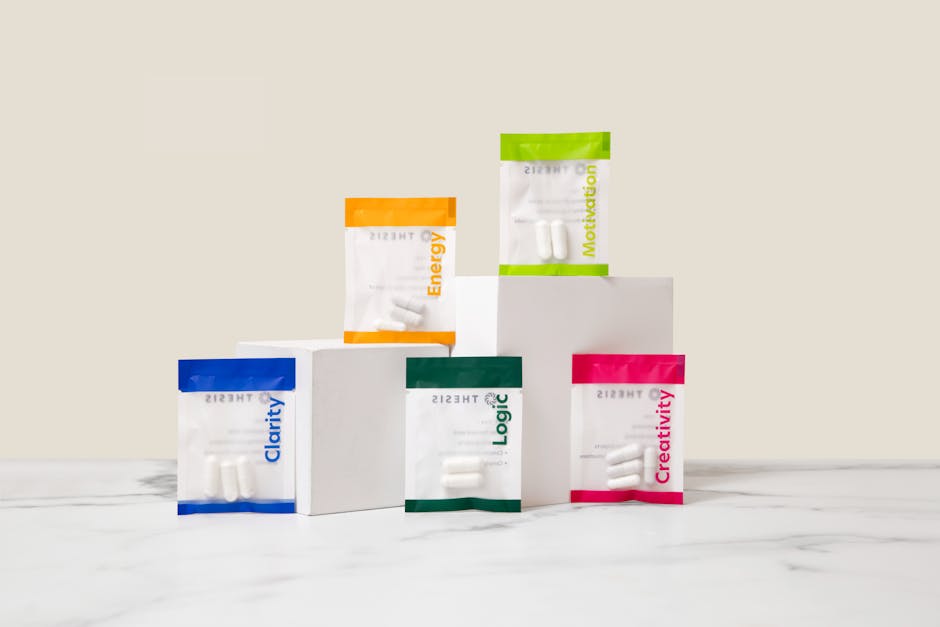
If you’re spending real money on supplements, the label isn’t the product. The testing is the product. That’s the part that tells you whether the powder or capsule in the bottle is actually what the company claims it is, in the stated dose, without extra surprises nobody invited.
That’s why the real question in Momentous vs Thorne supplements isn’t which brand has cooler branding or a smarter podcast strategy. It’s which company gives a man over 45 better evidence that what’s in the bottle matches the promise on the front. Those aren’t the same thing, and the supplement industry has spent years pretending they are.
Here’s the straight take: Thorne has the deeper testing infrastructure. Momentous does a better job showing product-level transparency on select SKUs. If broad certification coverage and facility-level quality controls matter most, Thorne is ahead. If you care more about batch documents on a specific product, Momentous has a respectable case. But these brands aren’t playing the same game.
Why Third-Party Testing Matters for Men Over 45
By the time most men hit their late 40s or 50s, the supplement budget usually gets more selective. Fewer random tubs. More focus on sleep, recovery, protein intake, omega-3s, magnesium, creatine, and whatever supports training without wasting money. That makes quality control more important, not less.
Informed Sport says as many as one in ten sports supplements are contaminated with ingredients or compounds prohibited in sport. It also reports that product contamination was responsible for 8% of all anti-doping violations between 2005 and 2022. Even if the reader isn’t a tested athlete, that statistic matters because it exposes the underlying problem: a meaningful slice of the market still can’t reliably prove what is or isn’t in the bottle.
For a 55-year-old executive who tracks sleep, pays attention to ApoB, and would rather not gamble with liver enzymes or mystery stimulants, third-party testing isn’t marketing fluff. It’s the line between a supplement and a trust exercise. And the supplement aisle already has enough trust exercises.
Third-party certifications such as NSF Certified for Sport or programs like Informed Sport don’t guarantee that a supplement will transform recovery, fix low energy, or turn Tuesday’s deadlift session into a religious experience. They do something more basic and more useful: they reduce uncertainty about identity, purity, label accuracy, and banned substances. That’s the floor. Any premium brand should be judged there first.
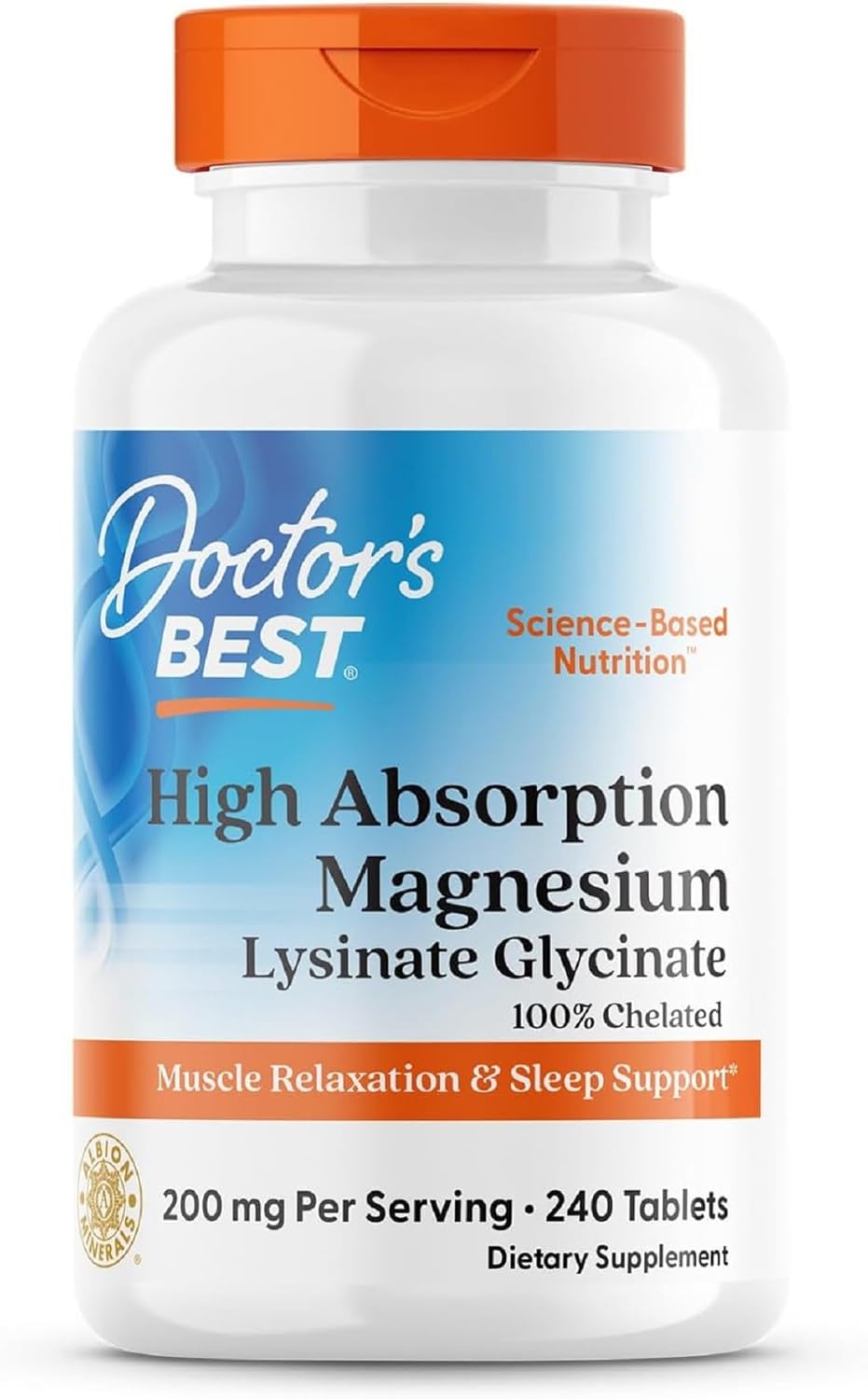
Doctor's Best High Absorption Magnesium Glycinate
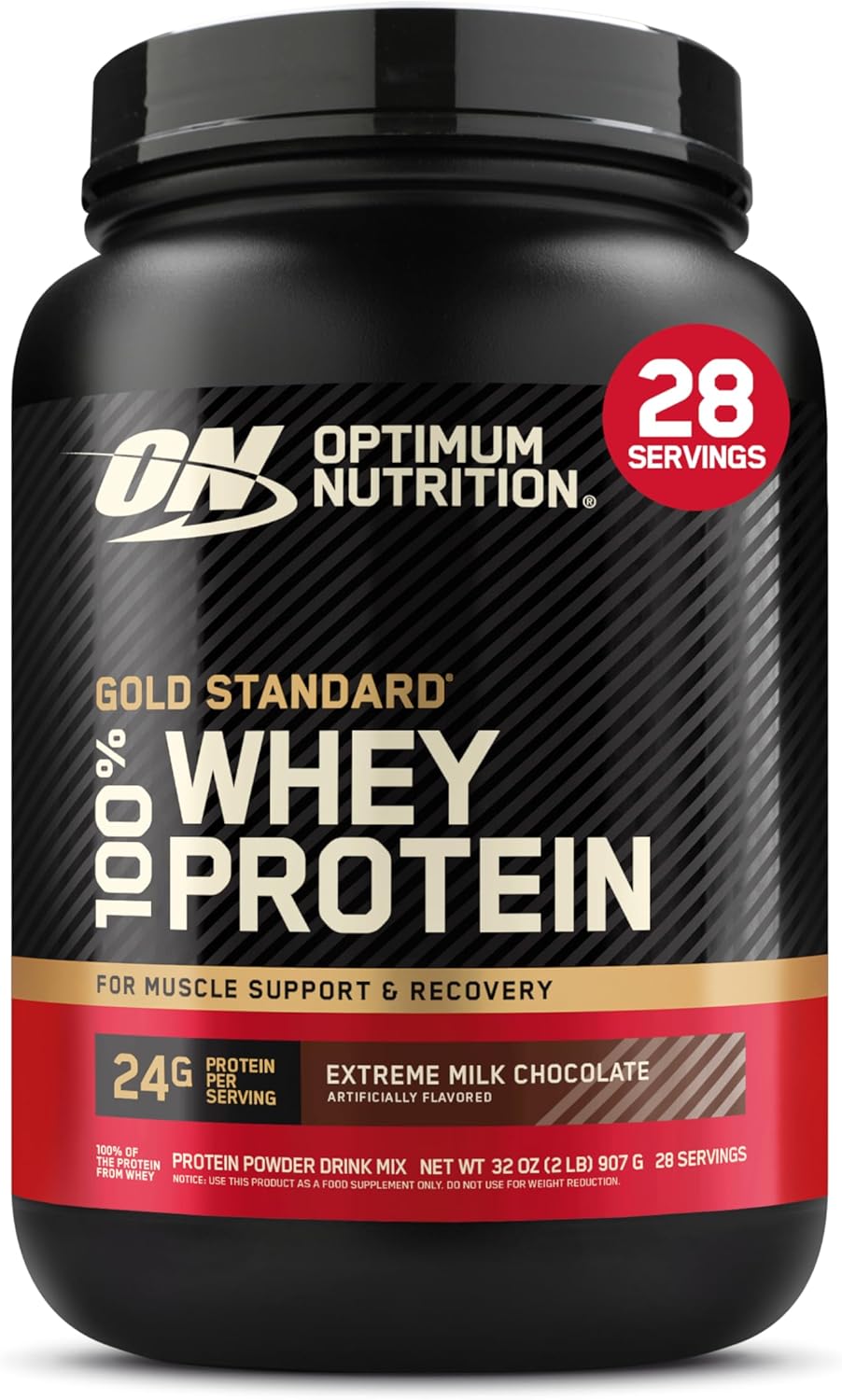
Optimum Nutrition Gold Standard 100% Whey
This article contains affiliate links. We may earn a commission at no extra cost to you.
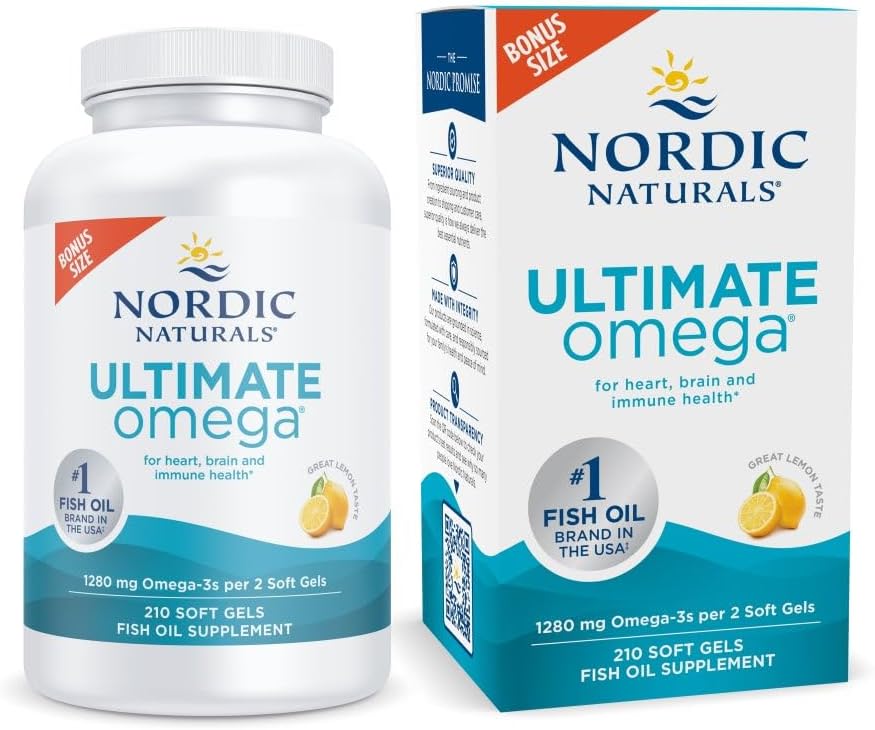
Nordic Naturals Ultimate Omega
This article contains affiliate links. We may earn a commission at no extra cost to you.
Thorne’s Testing Protocol: Four Rounds, Two Labs, Three Certifications
Thorne‘s quality story is built like an operating system, not a single badge. According to Thorne‘s quality documentation, the company runs two in-house laboratories and performs four rounds of testing: raw material identity and purity, in-process mixing checks, finished product potency testing, and shelf-life confirmation.
That matters because each round catches a different kind of failure. Raw material testing asks whether the ingredient is what the supplier says it is. In-process testing asks whether manufacturing stayed consistent. Finished product testing asks whether the formula in the bottle matches the label. Shelf-life confirmation asks whether that still holds after the product has been sitting on a shelf instead of starring in a launch video.
Thorne also says its Summerville, South Carolina facility is NSF certified, that it manufactures more than 40 NSF Certified for Sport products, and that it holds cGMP certification, GRMA certification, and TGA certification. The zero-Form-483 FDA record is the sort of detail quality-conscious buyers should notice. It doesn’t make a company infallible. It does suggest a level of process discipline most supplement brands would rather replace with a nice font and the word “clean.”
For a buyer comparing premium brands, this is the key Thorne advantage: the company isn’t just pointing to one clean product page. It’s pointing to a repeatable quality system that spans raw materials, manufacturing, finished goods, and certification breadth across the line.
Momentous’s Quality Framework: NSF Certification and Product-Level Transparency
Momentous takes a different route. The company’s quality pitch is less about in-house laboratory depth and more about selective product verification, ingredient sourcing, and product-specific documentation.
The clearest documented example is Momentous Whey Protein Isolate, which carries NSF Certified for Sport certification. Momentous also provides Certificate of Analysis documentation by product, and its Omega-3 is described as Norwegian-sourced and tested for heavy metals and purity. That isn’t trivial. For buyers who want to inspect a specific SKU before reordering, access to batch-style documentation is useful.
The company’s quality philosophy, framed as “The Momentous Standard,” emphasizes high-quality sourcing and third-party verification. It also leans on expert partnerships, including Dr. Andrew Huberman and Dr. Andy Galpin, to support formulation credibility. That can help signal seriousness, but it isn’t the same thing as disclosing broad facility-level certification depth or an in-house lab network.
So the tradeoff is pretty clear. Momentous gives the buyer more product-level visibility on certain items. Thorne gives the buyer more evidence of system-level control across the portfolio. If the question is whether Momentous is legitimate, the answer is yes. If the question is whether it shows the same depth of testing infrastructure as Thorne, the answer is no.
Momentous vs Thorne Supplements: Third-Party Testing Depth and Breadth
This is where the two brands separate.
Thorne holds NSF Certified for Sport status across 40-plus products, alongside TGA, GRMA, and cGMP certification, plus the company-level testing architecture already covered. Momentous holds NSF Certified for Sport on select products such as Whey Protein Isolate and provides Certificate of Analysis documentation, but it doesn’t publicly disclose the same combination of facility-level certifications or in-house lab infrastructure.
That means Thorne wins on breadth. More certifications. More product coverage. More visible process controls. For a buyer who wants one brand with a wide bench of rigorously controlled products, that’s a meaningful advantage.
Momentous wins on visibility within specific products. A batch document for the exact product being purchased is useful, especially for someone who wants to sanity-check fish oil purity or review documentation before adding another product to the cabinet. In that sense, Momentous is more like a good single-product report card, while Thorne is more like a well-run school district. One tells you a lot about the individual class. The other tells you the whole system probably has fewer weird surprises.
The practical takeaway is simple. If the buyer wants the most robust third-party testing platform across many categories, Thorne is the stronger pick. If the buyer already wants a specific Momentous product and values the ability to review its documentation directly, Momentous still makes a credible premium-case purchase.
Ingredient Sourcing and Transparency: What Each Brand Discloses
Testing only matters if the ingredient policy underneath it is serious. Thorne’s published quality language is unusually explicit here. The company says it excludes more than 100 unnecessary ingredients through its “No List” policy, and that every ingredient is quarantined until it meets specification for identification, concentration, and purity.
That kind of policy does two things. First, it sets a visible standard for what the company won’t put in a formula. Second, it makes the approval process sound less casual than the usual supplement-industry shrug. For buyers who have already read enough labels to know how much filler nonsense gets normalized, this is a real point in Thorne’s favor.
Momentous is more selective and product-centered in what it discloses. It emphasizes clinically researched ingredients, trusted expert collaborators, and product-level documentation such as COAs. That can be useful when evaluating a single item, especially alongside category-specific reading like this review of third-party tested omega-3 supplements or this breakdown of protein powder for men over 45.
The difference is philosophical as much as operational. Thorne publishes a formal ingredient-control posture. Momentous publishes a cleaner product story. Neither is meaningless. But if transparency means seeing the company explain its rules before you even pick a product, Thorne is stronger. If transparency means inspecting the paper trail on a product you already narrowed down, Momentous holds up better.
Cost-Per-Effective-Dose: What You’re Actually Paying For at the Premium Tier
Neither of these brands is pretending to be cheap. Core products from both brands commonly sit in the roughly $40 to $60 range for categories like whey protein, omega-3s, and magnesium. That’s premium pricing, and premium pricing should buy more than aspirational packaging.
With Thorne, part of the premium appears to fund a larger quality infrastructure: in-house labs, four-stage testing, broad certification coverage, and the overhead that comes with keeping more than 40 products inside the NSF Certified for Sport orbit. Those are expensive habits, but they are the sort of habits quality-focused buyers should want a supplement company to have.
With Momentous, the premium appears to attach to formulation partnerships, quality sourcing, and product-level COA transparency. That’s a different value proposition. The buyer is paying for selective rigor, athlete-performance positioning, and more visible documentation within individual SKUs rather than a published end-to-end manufacturing apparatus.
So which is the better value?
For buyers building a supplement stack across multiple categories, Thorne usually makes more sense because the testing overhead is spread across a wider line. A man comparing creatine, fish oil, magnesium, and multivitamins can stay in one ecosystem with a fairly consistent quality thesis. That pairs well with adjacent category research like this science-backed creatine guide for men over 45 and this review of magnesium for sleep and recovery.
For buyers who want one or two hero products and like reviewing the underlying documentation, Momentous can still justify the spend. But the broader the stack gets, the more Thorne’s infrastructure advantage starts to matter. Premium isn’t just about whether a brand costs more. It’s about whether the expensive part is doing useful work.
Frequently Asked Questions
Does NSF Certified for Sport guarantee a supplement will work, or just that it’s free of banned substances?
Mostly the second. NSF Certified for Sport is about identity, purity, label accuracy, and screening for banned substances. It doesn’t guarantee that a formula is ideal for a specific person, or that the dose is appropriate for his goals, labs, or training situation.
Is Informed Sport certification different from NSF Certified for Sport, and do either of these brands carry it?
Yes. They are different third-party programs with similar goals around contamination and banned-substance risk. In the cited source set here, Thorne is documented for NSF Certified for Sport, and Momentous is documented for NSF Certified for Sport on select products such as Whey Protein Isolate. None of the cited sources here document either brand as carrying Informed Sport certification, so that claim would need separate verification.
Can HSA or FSA funds be used on Momentous or Thorne supplements?
Sometimes, but only under specific plan rules and product categories. Many general supplements don’t qualify automatically. Buyers should verify eligibility with their HSA or FSA administrator before assuming a premium fish oil bill is somehow tax strategy now.
Which brand is better for a man over 45 who is already on TRT and wants supplements that won’t interfere with his protocol?
On testing depth alone, Thorne has the stronger case because of its wider certification footprint and more visible quality controls. But the better choice also depends on the category. Protein, omega-3s, magnesium, and creatine solve different problems, and none should be added casually if there are underlying kidney, liver, clotting, or medication issues. For men on TRT, the sensible move is to match the supplement to the goal and review it with the prescribing provider when labs or medications complicate the picture.
The bottom line
If the question is which brand shows the stronger third-party testing infrastructure, Thorne wins. Momentous is still a credible premium brand, especially when product-level transparency matters most, but its public quality case is narrower and more SKU-specific. For buyers who verify before they buy, that difference is the whole point.
Sources
- Thorne Quality Page
- Thorne NSF Certified for Sport Supplements
- Momentous Official Website — The Momentous Standard and Product Pages
- Informed Sport — Why Risk It?
- NSF International — What is NSF Certified for Sport
Continue reading: Read the pillar — Supplements & Nutrition
This article is for informational purposes only and is not financial advice. Consult a qualified professional for personalized guidance.
Leave a Reply