
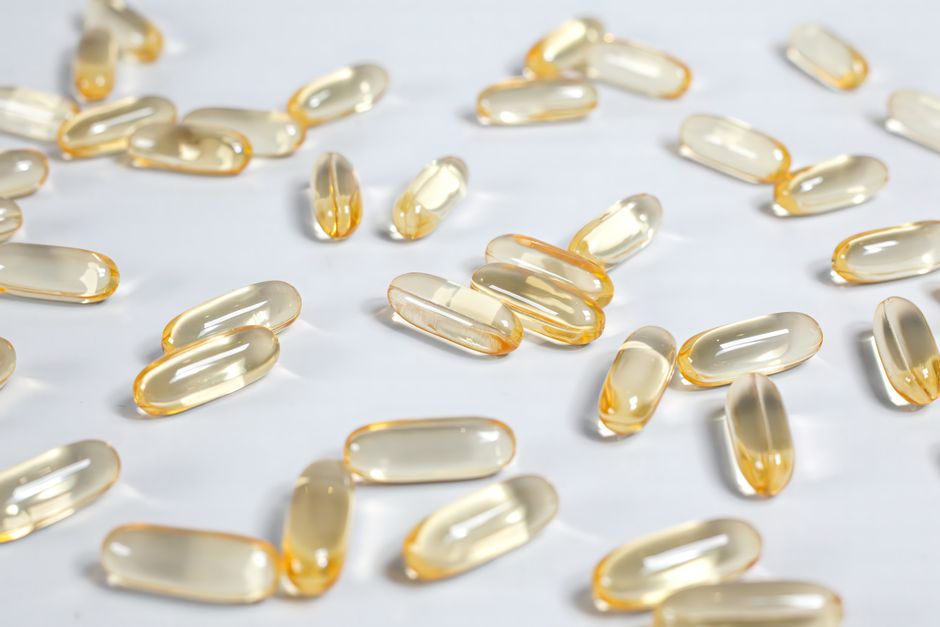
The supplement aisle is full of labels that promise precision and deliver mystery powder. That’s the real appeal of a brand like Legion: it tries to make the label readable before it tries to make the product exciting.
If you’re looking for a Legion Athletics review focused on third party testing, here’s the short version. Legion does more than most supplement brands to show its work. It publishes Labdoor testing on product pages, avoids proprietary blends, and makes its formulas easy to audit. That’s a meaningful advantage for a normal buyer who wants cleaner ingredients and fewer games. It isn’t the same thing as sport-specific certification, and that distinction matters more than marketing copy likes to admit.
So the honest verdict is pretty simple. Legion is a credible premium supplement brand for people who care about transparency and can tolerate the price. It’s less compelling for budget buyers, and it isn’t the obvious pick for competitive athletes who need NSF Certified for Sport or Informed Sport on the label rather than “trust us, we’re careful.”
What Is Legion Athletics and Who Is It For?
Legion Athletics was founded in 2014 by Mike Matthews, whose books Bigger Leaner Stronger and Thinner Leaner Stronger have sold nearly 2 million copies combined, according to Legion Athletics. That matters because the brand was built around a specific pitch from the start: fewer filler formulas, more visible dosing, and a cleaner separation from the usual supplement-industry smoke machine.
Legion says it has sold more than 2 million bottles to over 300,000 customers. Those numbers don’t prove product quality on their own, but they do suggest this isn’t a tiny white-label operation ordering generic tubs and slapping on stern-looking labels. Scale cuts both ways in supplements. Big brands can get sloppy. They can also afford testing, better manufacturing partners, and the kind of transparency pages that smaller brands avoid because the details get awkward fast.
The company centers its philosophy on three ideas: no proprietary blends, clinically effective doses supported by peer-reviewed research, and all-natural ingredients. That’s a sensible positioning for the Resilience reader because the real problem usually isn’t whether a product sounds impressive. It’s whether you can tell what is in it, how much of it is in it, and whether the formula was built for outcomes or for margin.
Who is Legion actually for? Mostly experienced supplement buyers who already know the difference between a label that informs and a label that tap dances. If you’ve spent a few hundred dollars on powders and capsules that mostly tasted like expensive optimism, Legion is aiming at that frustration. If you want the cheapest workable protein or creatine on the shelf, it probably isn’t.

Legion Athletics
This article contains affiliate links. We may earn a commission at no extra cost to you.

Transparent Labs
This article contains affiliate links. We may earn a commission at no extra cost to you.
Legion Athletics Review: Third-Party Testing and the Important Gaps
This is the section most buyers should care about first, because third-party testing is where quality claims stop being vibes and start becoming operational details. Legion says it works with Labdoor, which uses ISO 17025-accredited laboratories to test for label accuracy, purity, and contaminants such as heavy metals, microbes, and allergens. The company also publishes those results on product pages, which is better than the industry norm of hinting vaguely at quality control and hoping no one asks follow-up questions.
That’s a real strength. Public test results create accountability. They also make it easier to compare one product against another without relying on influencer code economics dressed up as education. In a supplement market where, as the Council for Responsible Nutrition keeps reminding people, usage stays high while product complexity keeps rising, visible testing isn’t a luxury feature. It’s table stakes for any brand charging premium prices.
Legion also says its products are made in NSF-certified, FDA-inspected, cGMP-compliant facilities in the United States. Again, that’s good. But here’s the important gap: manufacturing in a compliant facility isn’t the same thing as the finished product carrying NSF Certified for Sport or Informed Sport certification. Those sport-specific programs matter because they test against prohibited-substance risk in a way that general quality claims don’t fully replace.
Legion states that its supplements meet WADA safety guidelines, and for a general consumer that may be enough. For a competitive athlete, military professional, or anyone subject to a formal drug-testing standard, “may be enough” is how expensive mistakes happen. This is where the clean-label story needs a footnote in bold. Legion’s testing posture is strong for mainstream buyers. It isn’t the same as buying a product stamped for sport use by a certification system built around that exact problem.
That doesn’t make Legion misleading. It makes the brand good at one kind of reassurance and weaker at another. If your question is, “Will this likely be cleaner and more transparent than the average supplement brand?” the answer looks like yes. If your question is, “Is this the safest possible choice for a tested athlete?” the answer is no, because there are brands built specifically for that standard.
Ingredient Transparency: No Proprietary Blends, Full Label Disclosure
Legion’s biggest advantage may be less glamorous than third-party testing: it tells you what you are taking. No proprietary blends. No hiding meaningful doses under trademarked names and heroic typography. Every ingredient and its amount appears on the label.
That shouldn’t feel unusual, but in supplements it still is. SupplySide Supplement Journal has covered the industry’s long-running proprietary-blend problem, where brands can list a parade of ingredients without revealing individual doses. That’s the regulatory version of a magician’s sleeve. Consumers see the expensive ingredients and assume they are meaningfully present. Sometimes they are. Sometimes the formula is mostly cheap filler with a cameo from something useful. Critics call that pixie dusting for a reason.
Legion takes the opposite route. On its transparency materials, the company says it avoids artificial sweeteners such as sucralose and aspartame, along with artificial flavors and dyes. Instead it leans on stevia, monk fruit, and erythritol. That won’t matter to every buyer, but it does matter to the kind of reader who already flips the tub around before buying and doesn’t enjoy finding a chemistry set disguised as vanilla.
There is also a practical upside to full label disclosure: it lets you compare formulas without pretending every product category needs mystery. If a pre-workout gives you 350 milligrams of caffeine, say it. If a recovery product contains 5 grams of creatine monohydrate, say it. If the serving is light on the expensive ingredient and heavy on the flavor system, definitely say it. Legion generally does.
This is one place where the brand’s premium pricing makes more sense. You’re not just paying for powder. You’re paying to remove some uncertainty from a market that monetizes uncertainty extremely well. The supplement business has an entire side hustle built around making underdosed formulas sound advanced. Legion’s refusal to play that game is one of its better traits.
Product Line Breakdown: Key Offerings and Who Each Serves
Legion’s catalog is broad enough that a blanket thumbs-up or thumbs-down is useless. The smarter question is which product line solves which problem, and whether the formula matches the buyer.
Whey+ is the easiest entry point. Legion positions it as a grass-fed whey protein isolate sourced from Irish dairy, with 22 grams of protein per serving and public Labdoor testing. For someone who wants a cleaner protein powder and is willing to pay above commodity pricing, that makes sense. It’s less compelling for the person whose only metric is cost per gram of protein.
Pulse is the flagship pre-workout. The notable detail is 350 milligrams of caffeine paired with L-theanine at a 1:1 ratio, along with citrulline malate and beta-alanine. That’s a grown-up formula, not a pixie-dusted “energy blend.” It’s also not for everyone. If you train late, run anxiety-prone, or already drink coffee like a litigation strategy, 350 milligrams isn’t a trivial dose.
Recharge is the recovery-focused product, built around 5 grams of micronized creatine monohydrate and L-carnitine L-tartrate. That’s a clearer use case: post-workout recovery and creatine support without making you play ingredient detective. For many buyers, though, the real question is whether they need the combo product or would do just as well with standalone creatine plus normal protein intake. Sometimes convenience wins. Sometimes it is just a pricier route to the same destination.
Phoenix targets fat loss and comes in caffeinated and stimulant-free versions, with ingredients such as grains of paradise, forskolin, and 5-HTP. This is where the evidence conversation usually gets messier. Fat burners are a category with more swagger than reliable outcomes, so a transparent formula is welcome, but transparency doesn’t magically turn a mixed-evidence category into a miracle. If you’re buying Phoenix, you should do it with sober expectations, not late-night-infomercial ones.
Then there are the simpler staples: Triumph as the all-natural multivitamin and Micronized Creatine Monohydrate as the no-drama workhorse. Those products fit the buyer who wants fewer moving parts. And for many readers, fewer moving parts is the point. Not every supplement decision needs to become a hobby.
Pricing, Competition, and Who Should Buy
Legion is expensive enough that the value question can’t be hand-waved. Whey+ runs about $1.66 per serving, versus roughly $1.00 to $1.20 for many comparable whey isolates. Pulse lands around $1.50 per serving. That puts Legion firmly in premium territory, and premium only works when the buyer actually values what the brand does differently.
What are you paying for? Better transparency, cleaner positioning, public Labdoor references, and formulas that generally avoid the usual underdosed nonsense. You are also paying for branding, direct-to-consumer margins, and a product philosophy that is intentionally not aimed at bargain hunters. That’s not automatically bad. But it does mean the wrong buyer will feel overcharged almost immediately.
The competitive set matters here. Transparent Labs appeals to a similar buyer: someone who wants visible dosing, cleaner ingredients, and fewer supplement-industry magic tricks. Thorne sits in an even more clinically credible lane and carries higher pricing, but it also has stronger recognition around certifications such as NSF Certified for Sport. That matters if your standard isn’t just transparency but maximum trust under testing constraints.
Legion does offer a 100% money-back guarantee, which lowers the trial risk. Its availability through direct online channels and The Vitamin Shoppe also makes it easier to buy than some niche brands that exist mostly inside podcasts and aggressive retargeting ads. Trustpilot reviews, while never a perfect proxy for product quality, at least provide some context for customer experience around ordering and support.
So who should buy Legion? The strongest case is the experienced supplement user who values ingredient transparency, dislikes proprietary blends, and is willing to pay a premium for a cleaner formula and visible testing. Who should skip it? Budget-conscious buyers, anyone who just wants basic creatine or protein at the best possible price, and athletes who specifically need NSF or Informed Sport certification. For those people, Legion’s strengths are real, but they aren’t the right strengths.
Frequently Asked Questions
Are Legion Athletics supplements third-party tested by Informed Sport or NSF?
No. Legion uses Labdoor testing and says its products are made in NSF-certified, FDA-inspected, cGMP-compliant facilities, but that is different from the finished supplement carrying Informed Sport or NSF Certified for Sport certification.
Does Legion Athletics use artificial ingredients or fillers in its products?
Legion says it avoids artificial sweeteners, artificial flavors, and artificial food dyes. It also rejects proprietary blends, so you can see each ingredient and dose on the label instead of guessing.
How does Legion Pulse compare to other natural pre-workout brands?
Pulse stands out for using a disclosed formula with 350 milligrams of caffeine, L-theanine, citrulline malate, and beta-alanine. That makes it easier to evaluate than “energy blend” products, but it is also a strong stimulant formula and not a casual choice for caffeine-sensitive users.
What is Legion’s return policy and money-back guarantee?
Legion offers a 100% money-back guarantee. That doesn’t make the products cheap, but it does reduce the downside of trying a premium formula that may or may not fit your routine.
Can you buy Legion Athletics in stores or only online?
You can buy Legion direct-to-consumer online, and the brand is also available through The Vitamin Shoppe retail locations.
Legion’s value comes down to a tradeoff that is refreshingly clear. You pay more, but in return you get better label transparency, public testing references, and formulas that are easier to evaluate without playing detective. For a time-poor buyer who wants clean supplement decisions, that may be worth it. For a bargain hunter or a tested athlete, probably not.
Continue reading: Read the pillar — Supplements & Nutrition
This article is for informational purposes only and is not financial advice. Consult a qualified professional for personalized guidance.
Leave a Reply