
Category: Supplements & Nutrition
-

L-Theanine and Glycine for Sleep: Evidence-Based Supplement Stack for Men Over 45
Sleep gets weirder after 45. You can still feel tired all day, finally get into bed at a reasonable hour, and then spend the next 40 minutes negotiating with your own brain. Or you fall asleep on time and wake at 3:17 a.m. like your body has accepted a second job. That’s exactly why l-theanine…
-
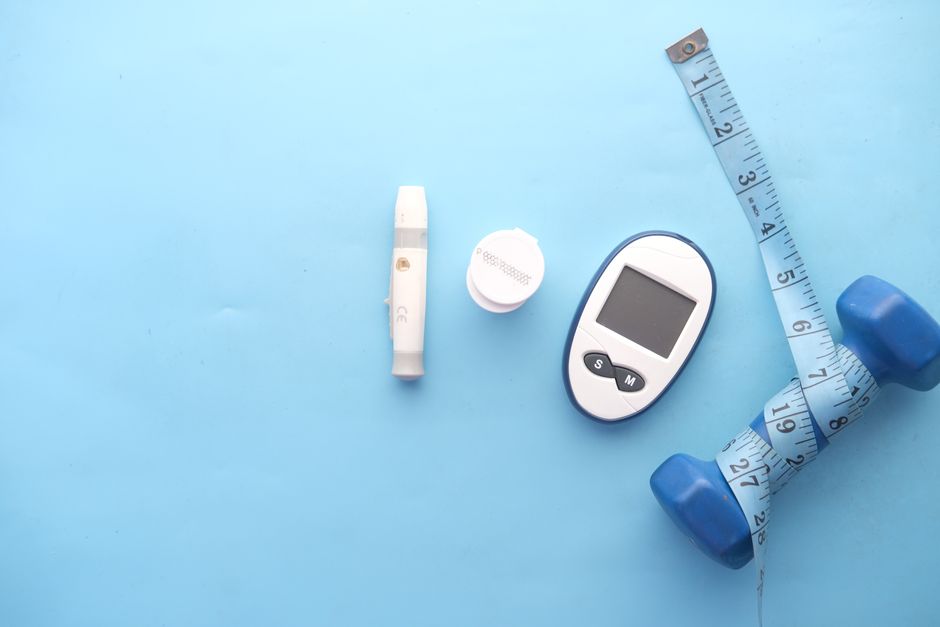
Berberine for Men Over 45: Evidence Review for Blood Sugar, Lipids, and Weight Management
Berberine benefits for men over 45 are real enough to be worth attention, but not magical enough to deserve the internet nonsense surrounding them. That’s the useful place to start. If you’re looking at rising HbA1c, softer fasting glucose, worse triglycerides, or the familiar midlife annoyance where the waist gets bigger while the discipline stays…
-
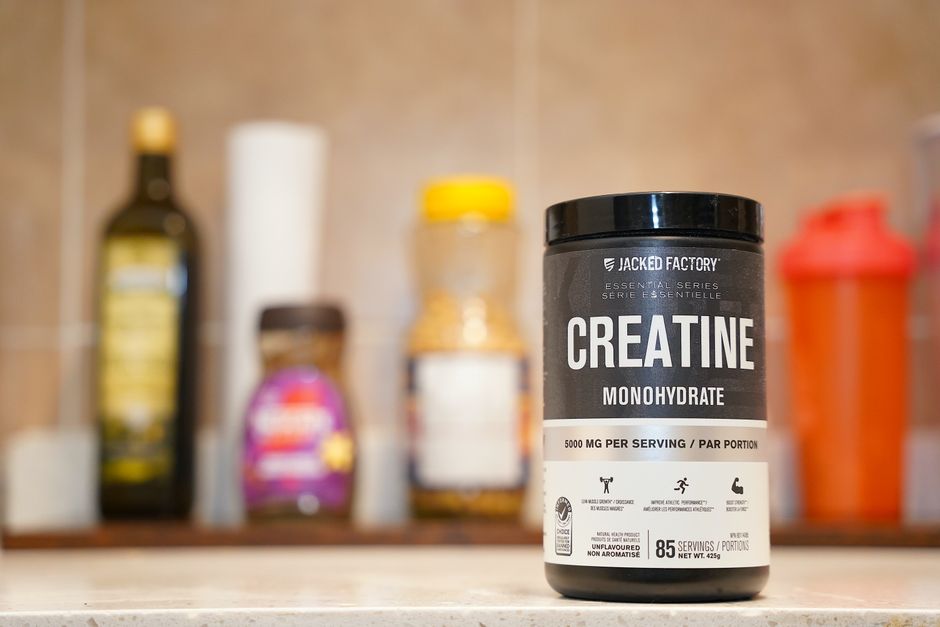
Creatine Monohydrate Brands Ranked by Third-Party Testing: Finding the Cleanest Product
Most creatine advice still acts like the category is simple: buy creatine monohydrate, take 3 to 5 grams a day, move on. That part is simple. Buying from the right company isn’t. If you’re looking for third-party tested creatine monohydrate brands, the real issue is whether the tub in your hand contains clean, stable creatine…
-

The Post-50 Protein Strategy for Muscle Preservation: How Much, When, and Which Sources Work Best
Protein intake for men over 50 stops being a background nutrition detail and starts acting more like maintenance on expensive equipment. Same body. Different response. What worked at 35 often turns into a polite shrug at 55, especially if breakfast is coffee, lunch is whatever happened between meetings, and dinner is doing all the heavy…
-
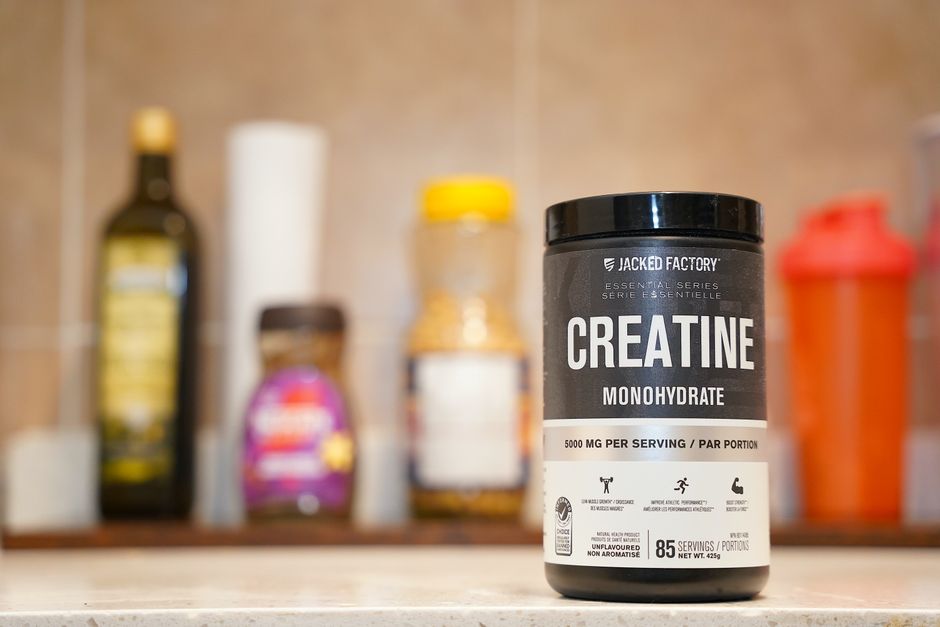
Advanced Creatine Strategies for Men Over 50: Beyond Basic Monohydrate
By your 50s, the supplement aisle starts to look like a confidence trick with better packaging. Every tub promises cleaner energy, sharper focus, more power, less soreness, and some vague form of optimization that conveniently costs extra. That’s exactly why creatine strategies for men over 50 deserve a more sober look. This is one of…
-

Creatine and Cognitive Function in Men Over 50: Examining the Evidence for Working Memory, Fatigue Resistance, and Neuroprotection at 5g Daily
Creatine has a branding problem. Most men still file it under gym powder, shaker bottle, and that guy in the weight room who somehow talks only in capital letters. That misses the more interesting question. The brain uses a huge amount of energy, cognitive performance gets less forgiving with age, and creatine cognitive benefits for…
-

Deep Dive into Longevity Supplements: Beyond NMN, NR, and Urolithin A
Most longevity supplement coverage gets stuck on the same three names: NMN, NR, and urolithin A. That isn’t irrational. Those compounds are easy to explain, easy to market, and tied to a clean story about cellular energy. But longevity supplements research is a lot messier than that, because aging itself is a lot messier than…
-

Omega-3 Index Testing: How to Know If Your Fish Oil Dose Is Actually Reaching Therapeutic Levels
Fish oil has a weird status in men’s health. It’s common enough to live next to the coffee maker, but vague enough that most people treat the dose like a lucky guess. An omega-3 index test is the fastest way to answer the only question that matters: is your fish oil effectiveness showing up in…
-

Vitamin D Upper Limit for Adults (2025): NIH Office of Dietary Supplements Fact Sheet
The NIH vitamin D upper limit for adults is 4,000 IU a day from all sources combined. That’s the number the NIH Office of Dietary Supplements uses, and it traces back to the National Academies’ Food and Nutrition Board. If you’re taking a 5,000 IU capsule because the bottle looked reassuring and the internet sounded…
-

Food First vs. Supplement First: A Decision Framework for Men Over 45 Filling Nutritional Gaps
Most men over 45 do not have a supplement problem. They have a decision problem. The pantry says one thing, the lab panel says another, and the supplement aisle is a small monument to marketing inflation. So the useful question is not whether food or pills are morally superior. The useful question is which nutritional…