
Sleep gets weirder after 45. You can still feel tired all day, finally get into bed at a reasonable hour, and then spend the next 40 minutes negotiating with your own brain. Or you fall asleep on time and wake at 3:17 a.m. like your body has accepted a second job. That’s exactly why l-theanine glycine sleep support for men over 45 keeps coming up in serious supplement conversations.
The interest makes sense. Men over 45 are often dealing with two problems at once: the mental static that keeps the mind from settling and the age-related shift in sleep architecture that makes deep, restorative sleep harder to reach. L-theanine and glycine matter because they address different parts of that problem. One appears to calm hyperarousal. The other appears to help trigger the body-temperature drop that normally nudges the brain toward sleep.
That doesn’t make this stack magic. It makes it plausible. The evidence suggests L-theanine can improve sleep quality and sleep onset in some adults, while glycine has shown benefits for next-day fatigue, vigilance, and sleep initiation physiology. For a time-poor man who wants a melatonin-free option with actual human data behind it, that’s worth a closer look.
Why Sleep Quality Declines After 45
If your sleep feels lighter than it used to, that isn’t just bad habits catching up with you. Aging changes the structure of sleep itself. University of Chicago Medicine, summarizing the research by Van Cauter and colleagues published in JAMA, reported that slow-wave sleep drops from nearly 20% of total sleep in young adults to less than 5% in adults ages 35 to 50. Growth hormone secretion fell by roughly 75% over the same stretch.
That matters because slow-wave sleep is the part doing the heavy lifting for physical recovery, hormone regulation, and the feeling that sleep actually did something. Once that phase shrinks, the margin for error gets smaller. A late meal, alcohol, stress, travel, or a warm bedroom that barely mattered at 32 can hit much harder at 52.
This is the part many men get wrong. They assume poor sleep means poor discipline. Often it means the underlying physiology has changed and the old autopilot routine no longer works.
The CDC’s 2024 National Health Interview Survey and reporting from the National Council on Aging both point to how common sleep problems are in midlife and older adulthood. So if your recovery feels less reliable, your patience shorter, and your training or work output more fragile after a rough night, that isn’t some personal character defect. It’s a biological shift, and it explains why targeted sleep support gets more relevant with age.
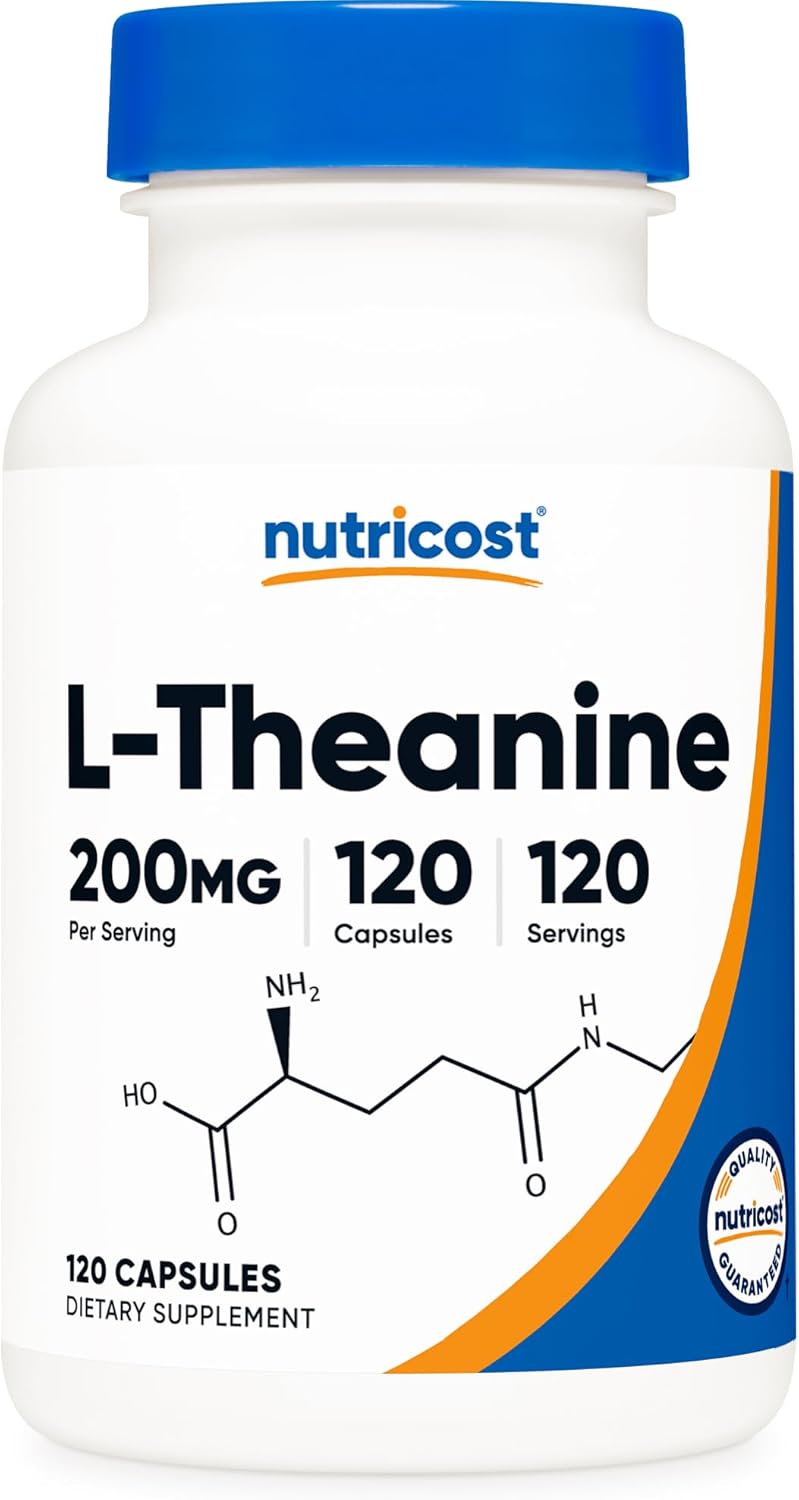
Nutricost L-Theanine 200mg
$11.95
This article contains affiliate links. We may earn a commission at no extra cost to you.
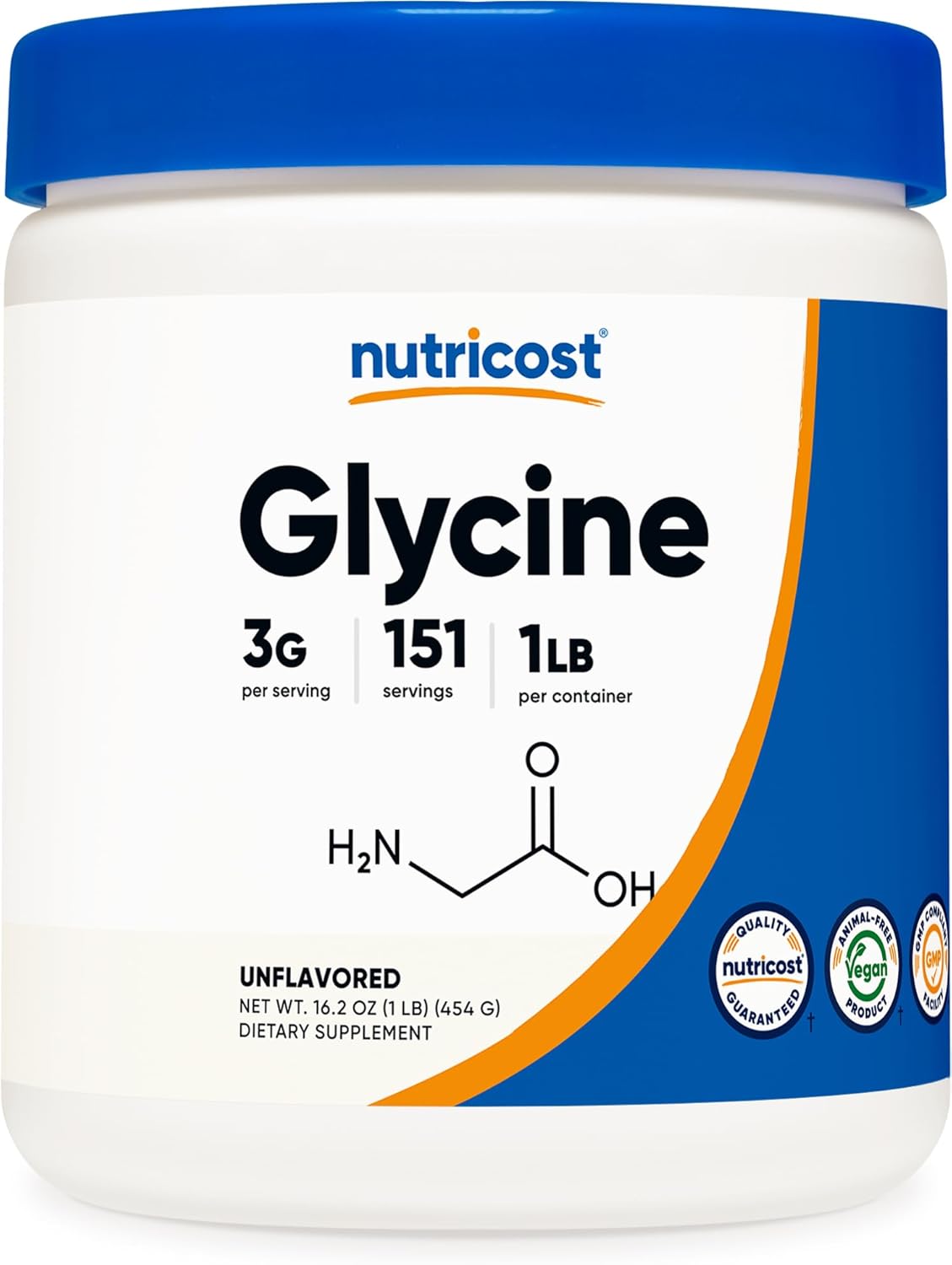
Nutricost Glycine
$21.95
This article contains affiliate links. We may earn a commission at no extra cost to you.
L-Theanine: How It Supports Restful Sleep
L-theanine is one of the cleaner cases in the supplement world: the mechanism is plausible, the human data is meaningful, and the claims don’t need fireworks to be interesting. It’s an amino acid found in tea, and the evidence suggests it may support sleep by promoting a calmer mental state rather than by forcing sedation.
A 2026 systematic review in Nutritional Neuroscience looked at 13 trials involving 550 participants and found that 200 to 450 mg per day of L-theanine significantly improved sleep latency, sleep maintenance, sleep efficiency, perceived sleep satisfaction, and feelings of refreshment. A 2025 meta-analysis in Sleep Medicine Reviews reviewed 19 studies with 897 participants and also found significant improvements in subjective sleep onset latency, daytime dysfunction, and overall sleep quality.
That’s the useful distinction. L-theanine doesn’t appear to work like a knockout pill. The more plausible explanation, supported by Sleep Foundation and Cleveland Clinic summaries, is that it increases alpha-wave activity and may influence GABA signaling, which can make the brain less noisy at the exact moment you need it to switch off.
For men over 45, that matters because many sleep complaints aren’t just “I am not sleepy.” They are “I am tired, but my mind is still running spreadsheets.” If that sounds familiar, L-theanine fits the problem better than a blunt sedative approach.
The evidence is still not a blank check. The studies aren’t all in men over 45 specifically, and supplement trials vary in quality. But the overall pattern is stronger than the usual wellness vapor. The evidence suggests L-theanine is worth considering when the main issue is mental overactivation at bedtime, not when untreated sleep apnea, heavy alcohol use, or a chaotic schedule is the real culprit.
Glycine: The Sleep-Regulating Amino Acid
Glycine works from a different angle, which is what makes it interesting in a stack. Instead of mainly addressing the mental side of bedtime, glycine appears to support the physical transition into sleep.
In a 2012 study published in Frontiers in Neurology, Bannai and colleagues gave partially sleep-restricted healthy adults 3 grams of glycine before bed. Compared with placebo, the glycine group reported less fatigue and showed better psychomotor vigilance the next day. That doesn’t mean glycine fixes a terrible night. It does mean the effect was large enough to show up in how people felt and performed.
The more interesting piece came from a 2015 Neuropsychopharmacology study by Kawai and colleagues. Their work showed that glycine promotes sleep by lowering core body temperature through NMDA receptor activation in the suprachiasmatic nucleus, which then drives peripheral vasodilation and heat loss. In plain English: glycine appears to help trigger the cooling signal that normally tells the body it is time to sleep.
That isn’t a trivial mechanism. Sleep onset is tied closely to a drop in core body temperature. If that system gets less reliable with age, stress, travel, or evening overstimulation, a supplement that nudges the temperature signal may help from a very different direction than something aimed at calmness.
This is why glycine is more than “just another amino acid.” It may support sleep onset without the hangover effect many men want to avoid. It also explains why glycine pairs logically with L-theanine. One addresses a mind that won’t settle. The other may help the body make the move into sleep in the first place.
Why L-Theanine and Glycine Work Better Together for Sleep in Men Over 45
This is where the stack earns its keep. L-theanine and glycine don’t look redundant. They look complementary.
Sleep Foundation and Cleveland Clinic both describe L-theanine as a supplement that may support relaxation and sleep quality without functioning like a classic sedative. Glycine, meanwhile, appears to support the body-temperature decline linked to natural sleep onset. Put together, the stack addresses the two problems men over 45 complain about most often: a mind that stays switched on and a body that no longer glides into sleep as easily as it used to.
That combination is why l-theanine glycine sleep for men over 45 is a more sensible conversation than simply asking whether either ingredient “works.” The better question is whether the stack matches the pattern of your sleep problem. If your issue is bedtime hyperarousal plus lighter, more fragile sleep, the mechanisms line up well.
It also helps that this stack is melatonin-free. For some men, that matters. Melatonin can be useful in circadian situations like jet lag or schedule shifts, but it isn’t the same as improving the underlying architecture of nightly sleep. L-theanine and glycine are appealing because the evidence suggests they may support natural sleep processes rather than override them.
There are limits, of course. This stack isn’t the answer for obvious snorers with suspected sleep apnea, men waking repeatedly to urinate because of untreated urinary issues, or anyone whose “sleep problem” is really three whiskeys and a glowing phone at 11:45 p.m. Supplements can’t out-negotiate bad systems forever. They can only help when the basics are in the room.
Optimal Dosage and Timing for Men Over 45
The most practical protocol from the available evidence is straightforward: 200 mg of L-theanine plus 3 grams of glycine, taken together 30 to 60 minutes before bedtime.
That combination sits right in the middle of the evidence base. The Nutritional Neuroscience review found benefits with L-theanine in the 200 to 450 mg range, while the Frontiers in Neurology glycine study used 3 grams before bed. Sleep Foundation’s review also points to 3 grams of glycine and around 200 mg of L-theanine as sensible starting points for sleep support.
For most men over 45, that makes 200 mg plus 3,000 mg the obvious starting line. Above roughly 400 mg of L-theanine, the evidence doesn’t clearly show additional sleep benefit, even if drowsiness can increase. Above 5 grams of glycine, better sleep outcomes haven’t been shown consistently either.
Timing matters too. Take the stack too early and the effect may fade before lights out. Take it as you are climbing into bed and you may not give glycine enough time to influence the cooling signal. Thirty to 60 minutes is the cleanest compromise.
If you test it, hold your bedtime routine steady, keep alcohol out of the experiment, and give it at least several nights.
Safety, Side Effects, and What to Look for in Supplements
The safety profile here is one reason this stack gets serious attention. Cleveland Clinic and Sleep Foundation both describe L-theanine as generally well tolerated in the 200 to 400 mg range, with mild side effects such as headache or gastrointestinal upset appearing occasionally. Glycine also has a wide safety margin. The Frontiers in Neurology literature around glycine and related reviews suggest that 3 to 5 grams per day is usually well tolerated, with gastrointestinal issues showing up mostly at much higher intakes.
That said, “generally safe” isn’t the same as “safe for everyone.” L-theanine may interact with blood pressure medications or sedatives. If you are already taking anything that lowers blood pressure, calms the nervous system, or changes sleep architecture, this is worth discussing with your provider before layering it on top.
Product quality matters more than most people want it to. The supplement aisle is full of labels that sound clinical and act theatrical. For this audience, the boring answer is the right one: look for brands with third-party testing such as NSF Certified for Sport, Informed Sport, or USP verification when available. If the company can’t say what is in the capsule and who tested it, that isn’t a supplement problem. That’s a trust problem.
Who is this stack not for? Men taking sedatives without medical oversight. Men with blood-pressure issues already being actively managed by medication. Men who want a supplement to paper over obvious sleep apnea symptoms. And men who treat a stack like a permission slip to ignore the rest of their routine.
For the right person, though, the appeal is clear: low complexity, plausible mechanisms, human sleep data, and little reason to expect next-morning grogginess at standard doses.
Frequently Asked Questions
Can I take L-theanine and glycine together every night, or do I need cycling breaks?
The current evidence doesn’t point to a required cycling schedule at standard doses. If you are using 200 mg of L-theanine and 3 grams of glycine and tolerating them well, nightly use is a reasonable way to test whether the stack consistently helps. If you are taking sedatives, blood pressure medication, or anything else that could interact, talk with your provider first.
How long does it take for L-theanine and glycine to improve sleep quality, same night or over weeks?
Glycine may have same-night effects because it is tied to sleep initiation physiology, while L-theanine may also help the first night if bedtime hyperarousal is your main problem. But the real question is whether your sleep feels better across several nights, not whether one evening happened to go well. Give the stack a fair short trial with a stable routine.
Is this stack better than melatonin for men over 45?
Not universally. Melatonin is more useful when the issue is circadian timing, such as jet lag or a shifted sleep schedule. L-theanine plus glycine makes more sense when the problem is mental overactivation, lighter sleep, or trouble easing into sleep without wanting a hormonal signal layered on top. Different tool, different job.
Will L-theanine or glycine make me groggy the next morning?
At the studied doses, next-morning grogginess doesn’t appear to be a common problem. In fact, the 2012 Frontiers in Neurology study on glycine found improvements in next-day fatigue and vigilance under partial sleep restriction. That said, everyone responds differently, and stacking these with alcohol or sedatives is an easy way to ruin a clean experiment.
Can I get enough L-theanine from green tea instead of taking a supplement?
Probably not if your goal is a research-level bedtime dose. Green tea contains L-theanine, but not usually in the 200 mg range used in sleep studies, and the caffeine isn’t exactly helping the mission. Tea is fine. It’s just a different tool.
The Bottom Line
The evidence suggests L-theanine and glycine are a sensible sleep stack for men over 45 because they target different parts of the problem: a mind that won’t settle and a body that no longer transitions into sleep as smoothly. The most practical protocol is 200 mg of L-theanine plus 3 grams of glycine taken 30 to 60 minutes before bed. If your sleep problems are straightforward and your medication list is uncomplicated, that is a reasonable experiment to discuss with your provider.
Sources
- Sleep Medicine Reviews (2025): The effects of L-theanine consumption on sleep outcomes: A systematic review and meta-analysis
- Nutritional Neuroscience (2026): Examining the effect of L-theanine on sleep: a systematic review of dietary supplementation trials
- Frontiers in Neurology (2012): The effects of glycine on subjective daytime performance in partially sleep-restricted healthy volunteers
- Neuropsychopharmacology (2015): The Sleep-Promoting and Hypothermic Effects of Glycine are Mediated by NMDA Receptors in the Suprachiasmatic Nucleus
- University of Chicago Medicine / JAMA (2000): Aging alters sleep and hormone levels sooner than expected
- CDC NCHS Data Brief (2024): Short Sleep Duration by Age Group: National Health Interview Survey, 2024
- Sleep Foundation (2024): L-Theanine for Sleep
- Cleveland Clinic (2024): What Is L-Theanine? Potential Benefits, Risks and What the Science Says
- National Council on Aging (2025): Sleep Statistics for Older Adults in 2026
Continue reading: Read the pillar — Supplements & Nutrition
This article is for informational purposes only and is not financial advice. Consult a qualified professional for personalized guidance.
Leave a Reply