
Author: Neil Gulino
-

CBC and TRT: Why Your Hematocrit Needs Monitoring and What to Do When It Creeps Up
You start TRT because energy, recovery, or libido slipped, and the plan is supposed to make life simpler. Then a CBC comes back with a rising hematocrit and suddenly the easy story is gone. If hematocrit high on TRT shows up on your labs, that does not automatically mean disaster. It does mean the part…
-

The Cost of HCG on TRT: Why Your Clinic Charges Extra and How to Reduce It
You sign up for TRT thinking the monthly number is the monthly number. Then the invoice lands, and HCG shows up like an airline baggage fee for your hormones. Not because the clinic is necessarily running a scam, but because HCG is usually a separate medication with separate logistics, separate pharmacy handling, and separate reasons…
-

Signs Your Estradiol Is Too High (or Too Low) on TRT: A Practical Guide
You start TRT because energy, recovery, mood, or libido fell off. Then a follow-up lab shows estradiol moved too, and suddenly everyone has an opinion. One guy says any rise in estrogen is a problem. Another says ignore it completely. Neither is especially helpful when you’re looking at a blood test and wondering why your…
-

Sleep Score Decoded: What Oura, WHOOP, and Garmin Actually Measure and Why It Varies
If you’re trying to make sense of a sleep score Oura WHOOP Garmin comparison, the first thing to know is that the three companies aren’t grading the same exam. They all spit out a number between 0 and 100, or close enough, but the math underneath that number is different enough that lining them up…
-
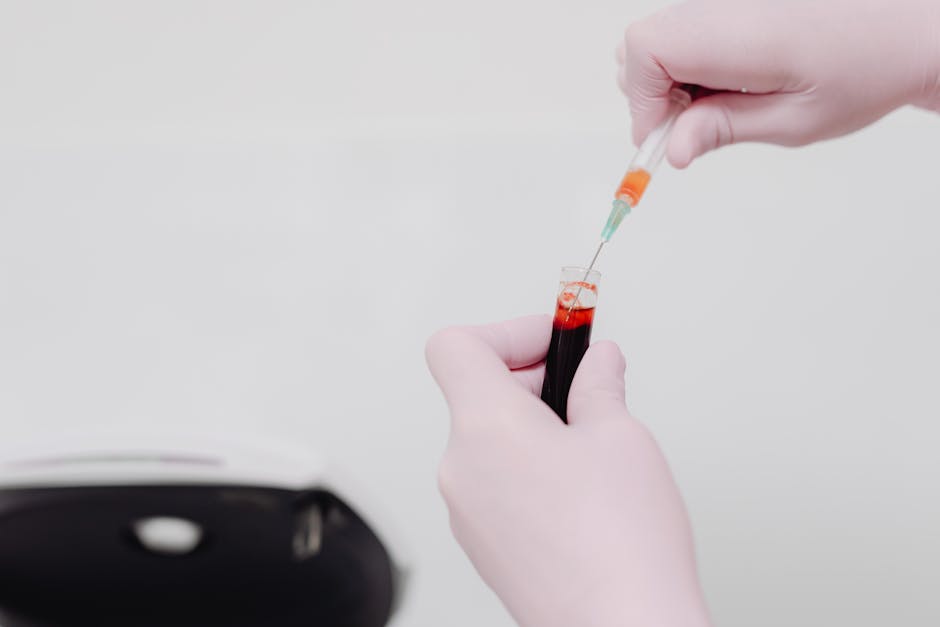
How to Get a Full Blood Workup Without a Doctor’s Order: Best Direct-to-Consumer Lab Platforms
You want more than the standard annual lab slip, but you may not want to book a full doctor’s visit just to get a better look at your biomarkers. That’s the appeal of direct-to-consumer lab testing platforms blood work services: faster access, broader panels, and a cleaner path to seeing what is happening before something…
-

What Your Nightly Recovery Score Actually Means: A Practical Guide to Wearable Metrics
A recovery score feels precise because it shows up as a clean number. Green, yellow, red. Maybe 78 percent. Maybe 42. That kind of formatting makes the whole thing look more certain than it really is. If you’ve been trying to figure out nightly recovery score wearable meaning, here’s the straight answer: it is not…
-

Inflammation Markers Explained: hsCRP, Homocysteine, and What They Mean at 50+
You get the lab portal email, open the PDF, and there it is: a page full of numbers your doctor calls “normal” even though you don’t feel normal. Energy is less reliable. Recovery takes longer. Sleep can go sideways for no obvious reason. That’s usually when inflammation markers like hsCRP and homocysteine start looking a…
-

Creatine Monohydrate vs. Creatine HCL: Which Form Works Better for Men Over 45?
The creatine monohydrate vs HCL men over 45 question is simpler than the supplement aisle makes it look. One form has decades of human data behind it, including research in older adults. The other dissolves better in water, costs a lot more, and gets marketed like basic chemistry just discovered a blazer and a LinkedIn…
-

What Is a Normal Testosterone Level for Men Over 50? A Data-Driven Breakdown
If you’re trying to figure out a normal testosterone level for men over 50, the first problem is that “normal” is doing too much work. A lab can stamp a result as normal even when the number helps explain why recovery is slower, libido is down, and the afternoon energy crash has become a daily…
-

Maximus vs. Marek Health: Comparing Telehealth TRT Clinics for Men Over 45
If you’re looking at Maximus vs Marek Health TRT options, you’re probably not shopping for entertainment. You’re trying to figure out which clinic will treat low testosterone like an actual medical issue instead of a subscription funnel with a lab coat. That’s the real split here. Both clinics serve men who want telehealth access to…