
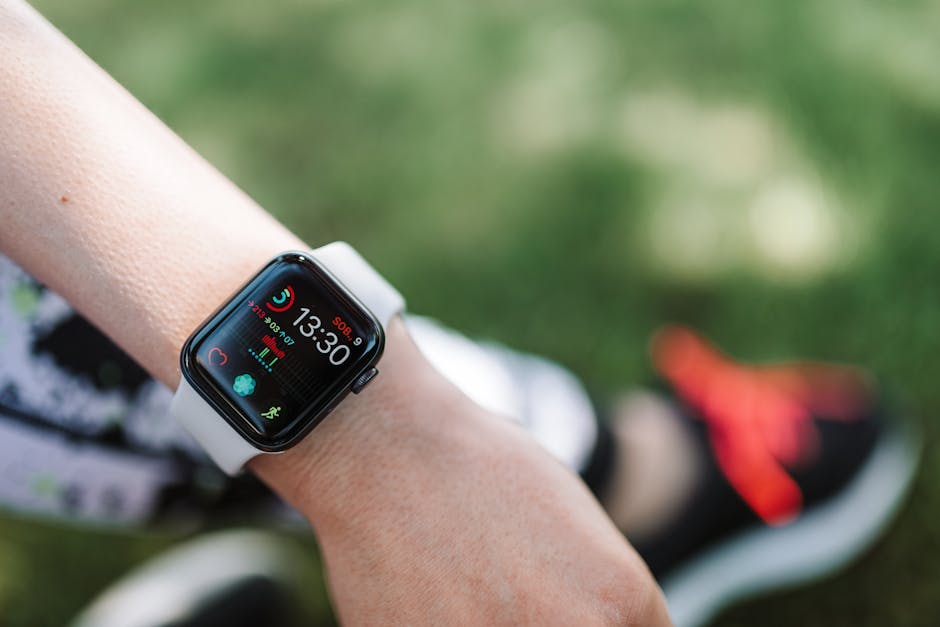
A recovery score feels precise because it shows up as a clean number. Green, yellow, red. Maybe 78 percent. Maybe 42. That kind of formatting makes the whole thing look more certain than it really is.
If you’ve been trying to figure out nightly recovery score wearable meaning, here’s the straight answer: it is not a direct measurement of recovery. It’s a platform-specific estimate built from signals like heart rate variability, resting heart rate, sleep quality, and sometimes respiratory rate or temperature. Useful, yes. Sacred truth from the wrist, no.
That matters because a lot of men over 45 start treating the score like a verdict. Bad score, cancel the workout. Good score, push hard no matter how you feel. That’s backward. The number is a shortcut. The inputs and the trend are the real story.
Nightly Recovery Score Wearable Meaning: What the Number Is Built From
The first thing to understand is that there is no universal recovery score formula. WHOOP‘s Recovery Score rolls together heart rate variability, resting heart rate, sleep performance, and sometimes respiratory rate into a 0–100 percent score. Oura‘s Readiness Score adds body temperature variation and previous-day activity load. Garmin‘s Body Battery leans on HRV, stress patterns, activity history, and sleep quality. Same promise. Different recipe.
WHOOP says that recovery is meant to summarize how prepared your body is for strain based on overnight physiological data. Oura frames readiness a little more broadly, with recovery plus recent load and signals of possible stress. Garmin treats Body Battery more like an energy gauge than a pure recovery metric. That’s why two devices can watch the same night and give you two different answers without either one being obviously broken.
This is the part marketing tends to glide past. These companies are selling interpretation, not raw biology. Their algorithms are proprietary, their weighting is different, and none of them is operating from an industry-standard formula. So when your score drops, the right question is not “Why did the number betray me?” It’s “Which input moved, and does that change match what actually happened yesterday and overnight?”
That’s also why the ingredients matter more than the final score. The score is the dashboard light. HRV, resting heart rate, sleep duration, and sleep consistency are the engine parts underneath it.
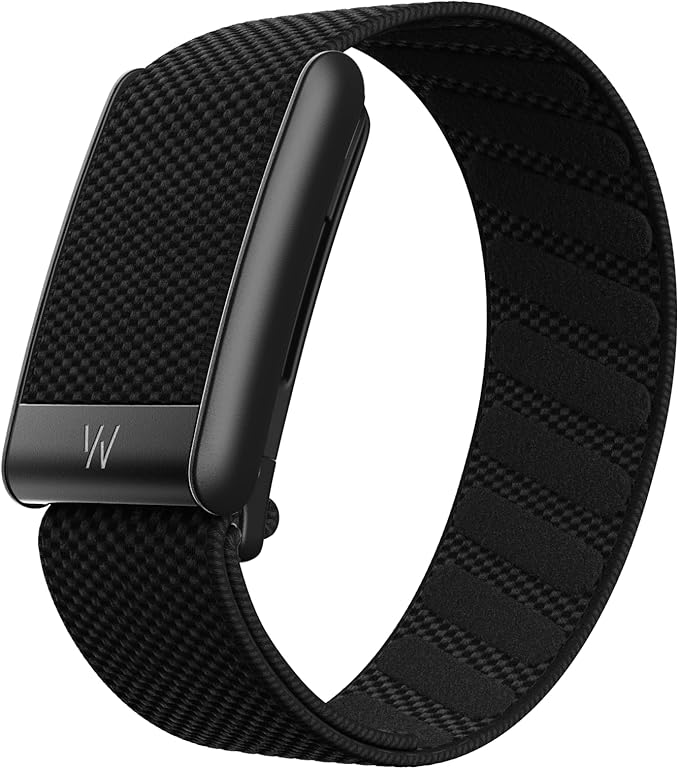
WHOOP MG Health Monitor
$239.00
This article contains affiliate links. We may earn a commission at no extra cost to you.
Oura Ring 4 — Silver
$349.99
This article contains affiliate links. We may earn a commission at no extra cost to you.
Garmin Venu 3 GPS Smartwatch
$289
This article contains affiliate links. We may earn a commission at no extra cost to you.
Why Heart Rate Variability Usually Carries the Most Weight
If recovery scores have a main character, it’s HRV.
Heart rate variability measures the variation in time between beats. Higher is not always better in some abstract way, but in this context it usually suggests that the parasympathetic nervous system is more active and the body is handling recent strain well. Lower HRV often shows up after hard training, bad sleep, alcohol, travel, illness, or a stretch of life that looks suspiciously like too much life at once.
WHOOP reports that average HRV declines with age. For men 45–54, the average is about 37 milliseconds, compared with roughly 53 milliseconds for men 25–34. That’s a useful reset for anyone staring at a wearable app and wondering why his numbers don’t look like a 29-year-old hybrid athlete who also somehow has time to meditate twice a day.
More important, HRV is noisy day to day. One low reading does not mean your recovery is broken. A 7-day or 14-day trend tells you much more than a single morning snapshot. If your HRV is drifting down for two weeks while resting heart rate drifts up and sleep quality slips, that’s a pattern. If it falls for one night after a late dinner and two glasses of wine, that’s just being a human adult.
This is why most wearables weight HRV heavily. It reflects autonomic balance, reacts to stress quickly, and can move before you subjectively feel off. But it only becomes useful when you stop treating it like a stock ticker.
Sleep Performance: The Input Most People Misread
Sleep is the other major pillar, and it’s often where readers expect more certainty than the hardware can deliver.
The Sleep Foundation says adults over 45 generally need 7–9 hours of sleep for solid recovery, with roughly 13–23 percent in deep sleep and 20–25 percent in REM. That’s the benchmark worth caring about. Not perfection. Not the fantasy of waking up every day with a clean 92 and a halo over your head. Just enough duration and enough consistency that the body can actually do the repair work.
Where wearables get slippery is sleep staging. Consumer devices estimate sleep stages from heart rate patterns, movement, and related proxies. A 2022 systematic review in Diagnostics found that consumer sleep trackers are reasonably good at distinguishing sleep from wake, with roughly 70–85 percent accuracy, but less reliable at separating individual stages, especially light sleep from wakefulness.
Translated into plain English: your device can give you a useful directional signal, but it is not running a sleep lab on your nightstand.
That doesn’t make the data worthless. It just changes how you should use it. If your tracker shows a week of short sleep, poor consistency, and repeated late bedtimes, believe the trend. If it tells you deep sleep was 41 minutes one night and 76 the next, don’t build a philosophy around the difference.
For men in the 45–65 range, the sleep metrics that tend to matter most are boring in the best way: total duration, bedtime consistency, wake frequency, and how those line up with next-day energy and training tolerance. The glamorous charts are fine. The repeatable habits are better.
Resting Heart Rate and Respiratory Rate: The Quiet Cross-Checks
Resting heart rate and respiratory rate are not usually the headline metrics, but they’re useful because they confirm or challenge what the recovery score is telling you.
WHOOP reports that a healthy resting heart rate for moderately active men 45–65 often falls in the 55–75 bpm range, with well-conditioned men sometimes landing in the 40s or low 50s. The exact number matters less than your baseline. If you’re usually at 56 and you wake up at 64, that’s information.
An overnight rise of 5–10 bpm above baseline can point to insufficient recovery, accumulating sleep debt, the early stages of illness, or training load that hasn’t fully cleared. The same logic applies to respiratory rate. Normal sleeping respiratory rate is often around 12–18 breaths per minute. If your overnight respiratory rate bumps up and stays elevated for several nights, it may indicate stress, poor sleep, or that you’re fighting something off.
This is where wearables earn their keep. Most people would not notice a subtle resting heart rate drift over ten days. A device will. Used well, it helps you spot the pattern before the wheels come off.
Used badly, it becomes one more number to refresh five times before breakfast.
When the Number Lies
Recovery scores are useful. They are also easy to fool.
Alcohol is one of the most common distortions. Diagnostics reported that alcohol near bedtime can skew overnight physiology in ways that make the first part of the night look more relaxed before recovery worsens later as metabolism catches up. In practice, that can produce a score that looks less bad than the sleep actually was. If the app says you’re fine but you slept hot, woke up twice, and feel like damp cardboard, trust the full picture.
Sensor quality matters too. A loose band, a poorly fitted ring, or spotty contact can throw off readings. So can napping close to bedtime, inconsistent wear habits, or supplements and medications that affect heart rate. Melatonin may change how you fall asleep. Beta-blockers can alter heart rate behavior. None of that means the device is useless. It means context still outranks the score.
There’s also a straightforward accuracy ceiling. The same Diagnostics review found that consumer wearables carry meaningful error compared with clinical polysomnography, especially when classifying stages and wake periods. That’s not a scandal. It’s the normal limit of consumer hardware trying to infer complex physiology from simplified signals.
A good rule is this: when the score conflicts with how you feel, check whether there is a plausible reason before obeying the number. Poor sleep environment, alcohol, illness, travel, heavy training block, bad sensor contact. Usually one of those is sitting right there, waiting to be noticed.
A Simple Protocol for Using Your Recovery Score
Most people don’t need more data. They need a sane way to use the data they already have.
Start with a 14-day baseline. Don’t draw conclusions from the first few nights. Learn what your normal range looks like for HRV, resting heart rate, sleep duration, and your device’s recovery score. Then use the score in broad zones, not as a minute-by-minute command center.
Green or high-readiness days are the best window for harder training, more volume, or cognitively demanding work if the rest of your context agrees. Yellow means maintain. Red means pull intensity back, favor active recovery, or simply stop pretending that one more brutal session is going to make you virtuous.
WHOOP member data reported in 2025 suggested that members averaging recovery scores above 55 percent reported higher performance satisfaction than members below 40 percent, but the benefit weakened when members checked the score more than three times a day. That finding makes intuitive sense. Monitoring is useful. Obsessive monitoring is just anxiety with charts.
The other non-negotiable is subjective cross-checking. If the app says green but you feel flat, don’t ignore your own body to satisfy an algorithm. If the app says red but you feel good and every other trend looks normal, maybe it was a noisy night and not a moral failing. The score should shape decisions, not make them for you.
Which Wearable Metrics Actually Matter After 45
For most men in this age range, the priority list is fairly clear.
First: HRV trend over at least 30 days. Second: sleep duration and consistency. Third: resting heart rate trend. Fourth: sleep-stage percentages, used lightly. Fifth: overnight respiratory rate. The daily recovery score belongs on the list, but mainly as shorthand for the underlying trends.
This is also the right lens for shopping. If you’re comparing devices and wondering how wearable sleep tracking accuracy compares across devices, the important question is not which app has the prettiest score screen. It’s which device helps you notice repeatable patterns you can actually act on. The same goes for deciding the best wearable for your training style. Oura may lean harder on temperature and readiness framing. Garmin tends to emphasize stress history and body battery. WHOOP is aggressive about strain-and-recovery framing. Pick the one whose logic you will actually use.
The bigger point is simpler: after 45, trendlines beat hero metrics. Your body is not a startup dashboard. You are looking for useful signals, not a performance identity built around a green circle.
Frequently Asked Questions
Why is my recovery score low even when I feel well-rested?
Because the score is not measuring feelings alone. A low score can reflect lower HRV, a higher resting heart rate, unusual respiratory rate, heavy recent training, or alcohol close to bedtime even if you slept long enough and feel decent. Check the inputs before assuming the number is wrong.
Does alcohol really affect a recovery score that much?
Often, yes. Alcohol can distort HRV, fragment sleep, and push resting heart rate higher overnight. Some people get a score that looks only mildly worse than normal while the actual sleep quality is clearly worse. That’s one of the better examples of why context matters.
How many days of data do I need before a recovery score becomes useful?
At least 10–14 days for a basic baseline, and closer to 30 days if you want a more stable sense of your normal HRV and resting heart rate patterns. A single night’s score is easy to overinterpret. A month of trend data is much harder to fool yourself with.
Should you buy a WHOOP specifically for recovery tracking, or is a Garmin enough?
If you already wear a Garmin consistently and you understand its patterns, it may be enough. WHOOP can give a more recovery-centered experience, while Garmin tends to package recovery inside a broader training ecosystem. The best device is usually the one you’ll wear every night and actually learn from.
Is it realistic to aim for a green recovery score every day?
No. That’s not how normal life works, and it is not how useful training works either. Travel, work stress, poor sleep, hard sessions, and occasional late nights all move the number. The goal is not permanent green. The goal is understanding what moves your score and adjusting intelligently.
A nightly recovery score is best treated as a summary, not a verdict. If you watch the trend, understand the main inputs, and cross-check the number against real life, the metric becomes genuinely useful instead of one more piece of wearable theater.
Sources
- WHOOP. “Recovery Score Explained.” 2025. https://www.whoop.com/thelocker/recovery-score-explained/
- WHOOP. “What Is Recovery?” 2025. https://www.whoop.com/thelocker/what-is-recovery/
- WHOOP. “Heart Rate Variability (HRV): What It Is and How to Track It.” 2025. https://www.whoop.com/thelocker/heart-rate-variability-hrv/
- WHOOP. “How Resting Heart Rate by Age and Gender Varies.” 2024. https://www.whoop.com/thelocker/resting-heart-rate-by-age-and-gender/
- Sleep Foundation. “How Sleep Works: Understanding the Science of Sleep.” 2024. https://www.sleepfoundation.org/how-sleep-works
- Diagnostics (MDPI). “Consumer Sleep Trackers: Accuracy, Limitations, and Use in Clinical Populations.” 2022. https://www.ncbi.nlm.nih.gov/pmc/articles/PMC9406640/
- Oura. “Understanding Your Readiness Score.” 2024. https://www.ouraring.com/blog/readiness-score/
This article is for informational purposes only and is not financial advice. Consult a qualified professional for personalized guidance.
Leave a Reply