
Author: Neil Gulino
-

TRT and Heart Health: What the Research Says About Cardiovascular Risk
If you’re looking into testosterone replacement therapy in your late 40s, 50s, or 60s, the heart-risk question shows up fast. Usually right after the energy crash, the lousy recovery, and the doctor who says your labs are “normal for your age” as if that explains anything useful. Fair enough. TRT cardiovascular risk is the part…
-

HCG Monotherapy vs. TRT: When to Consider Alternative Hormone Pathways
HCG monotherapy vs TRT isn’t a branding exercise. It’s a real fork in the road for men who feel low-testosterone symptoms, want better energy or libido, and don’t want to accidentally trade one problem for another. The big trade is simple: TRT usually gives the more direct and predictable testosterone boost, while HCG monotherapy is…
-

Fountain TRT vs. Defy Medical: Which Telehealth TRT Clinic Fits Your Protocol?
If you’re comparing Fountain TRT vs Defy Medical, you’re probably not looking for a motivational speech about aging gracefully. You’re trying to solve a more practical problem: energy is down, recovery is slower, training feels flatter, and you’d like a clinic that treats you like an adult instead of a billing opportunity with a pulse.…
-
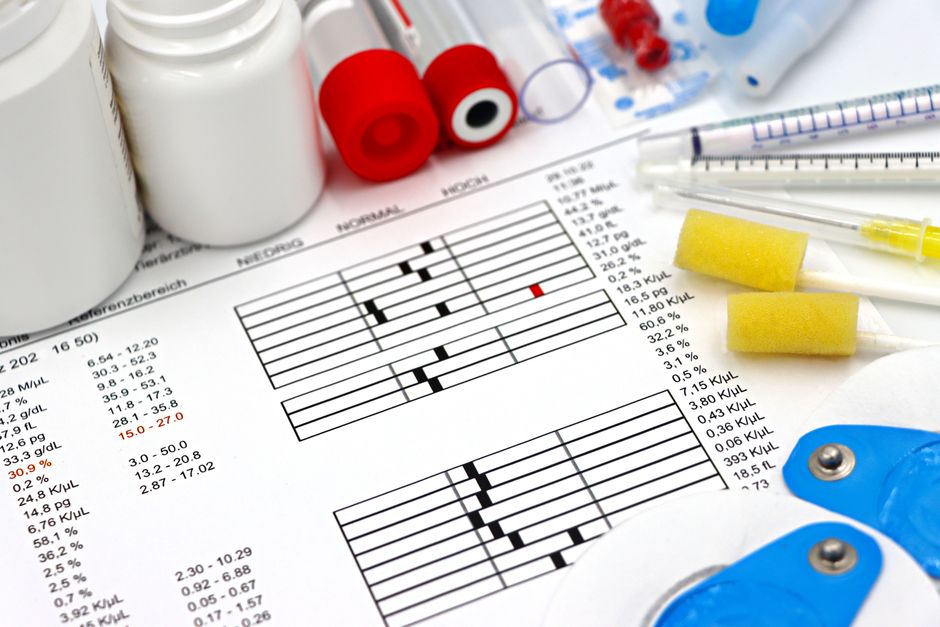
How to Read Your TRT Lab Results: Total T, Free T, SHBG, and Estradiol Explained
If you’re on testosterone replacement therapy, the hard part often isn’t getting the blood drawn. It’s figuring out what the numbers actually mean once they hit the portal. That’s where most men get stuck. The lab flags a value in red, another one lands in the middle of the range, your doctor says things look…
-
Does Protein Timing Actually Matter for Men Over 45? A Look at the Evidence
If you’ve been in a gym for more than five minutes, you’ve heard the ritual: finish the last set, sprint to the shaker bottle, and get protein down fast or the workout somehow “doesn’t count.” That idea has survived for years because it sounds scientific, it fits supplement marketing perfectly, and it gives anxious lifters…
-

Onnit vs. Transparent Labs: Which Supplement Brand Has Superior Third-Party Testing and Ingredient Sourcing?
If you’re comparing Onnit vs Transparent Labs supplements, the real question isn’t which tub looks better on the counter. It’s which brand makes verification easier when you have neither the time nor the patience to play supplement detective. For a 55-year-old buyer who has already spent enough money on labels that promised more than they…
-

Garmin Epix vs. Garmin Fenix: Which Multisport Watch Is Right for the Active Executive?
Choosing between the Garmin Epix and Fenix as an executive isn’t really about features. It’s about tolerance for friction. How much do you care about charging, how much do you care about screen quality, and how often do you want your watch to disappear into the background instead of behaving like another device that needs…
-

Momentous vs. Thorne: Which Premium Supplement Brand Has Better Third-Party Testing?
If you’re spending real money on supplements, the label isn’t the product. The testing is the product. That’s the part that tells you whether the powder or capsule in the bottle is actually what the company claims it is, in the stated dose, without extra surprises nobody invited. That’s why the real question in Momentous…
-

Garmin Venu 3 vs. Garmin Forerunner 265: Which Smartwatch for the Active Professional Over 50?
Picking between these two watches looks simple until it isn’t. Both have bright AMOLED screens, both come from Garmin, both cost roughly $449.99, and both promise to track the parts of your life that used to happen automatically before sleep got lighter and recovery started sending invoices. But a Garmin Venu 3 vs Forerunner 265…
-
Collagen Peptides vs. Whey Protein for Joint Health and Recovery After 45
If your knees complain after a run, your shoulders take two days to forgive a heavy press, and your recovery is not what it was at 35, that’s not your imagination. Men over 45 deal with two problems at once: connective tissue gets less forgiving, and muscle protein synthesis gets less responsive to a standard…