
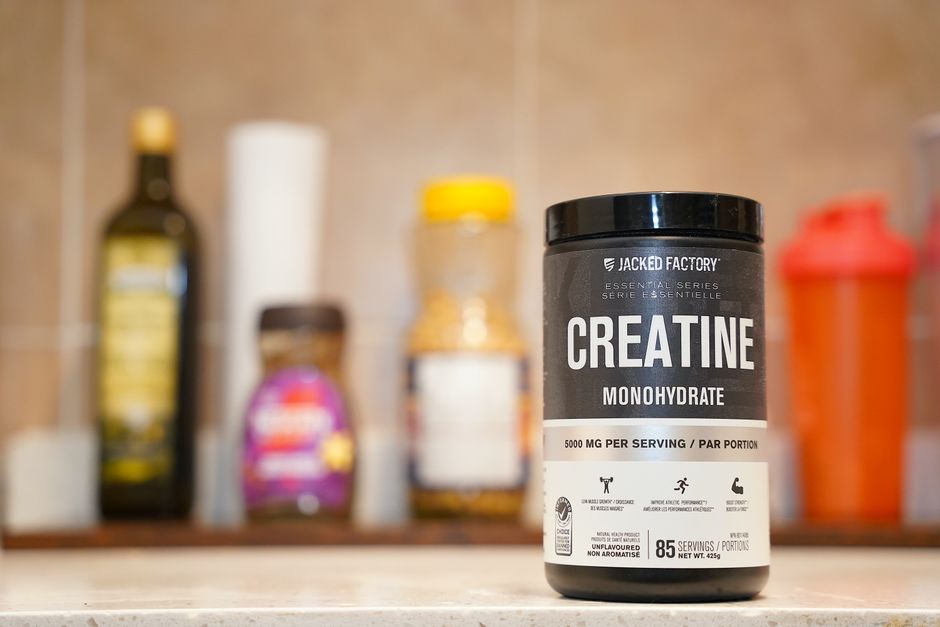
Most men don’t start looking for advanced creatine strategies until the usual 5-gram answer stops feeling like a real answer. That’s usually around the point where recovery takes longer, strength gains come slower, and the fear isn’t just losing some muscle. It’s losing sharpness. For men over 45, creatine strategies work best when they’re tied to the problem you’re actually trying to solve: harder training blocks, better recovery, or protecting cognitive performance when stress and sleep debt start acting like permanent roommates.
The evidence is better here than most supplement categories deserve. A 2017 meta-analysis in the Open Access Journal of Sports Medicine pooled 22 randomized controlled trials in older adults and found that creatine during resistance training led to 1.37 kilograms more lean tissue mass than training alone. A 2024 review from AARP framed the practical side of that decline bluntly: by age 50, muscle loss is already underway, and it doesn’t get more polite with time.
That doesn’t mean more powder automatically means more benefit. It means the old flat-dose advice is a baseline, not a whole strategy. The useful question is when to load, when to maintain, when higher dosing may be reasonable for cognition, and which stacks are backed by actual human data instead of the usual tub-of-neon-nonsense supplement marketing.
Why Advanced Creatine Strategies Matter for Men Over 45
Age changes the goalposts. If you’re 25, creatine is often about squeezing out another rep and looking a little fuller in a T-shirt. At 55, the case is broader: preserving lean mass, holding onto strength, and reducing the kind of physical slide that starts small and ends with your knees negotiating every flight of stairs.
That isn’t theory. AARP notes that men have often lost up to 10% of muscle mass by age 50, and the loss can accelerate later in life. The 2017 Open Access Journal of Sports Medicine meta-analysis is even more useful because it looked at what happens when creatine is paired with resistance training in adults roughly 57 to 70 years old. The result wasn’t magic. It was better: a measurable lean-mass advantage and modest strength gains in exactly the population that cares about staying capable rather than winning spring break.
This is why advanced use matters. Once the goal becomes durability instead of gym vanity, creatine stops being a generic daily habit and starts becoming a tool with timing, dose, and context. That’s also why our foundational creatine guide for men over 45 is the right starting point, while a more targeted protocol makes sense once you already understand monohydrate basics, hydration, and tolerance.
One boundary matters up front: higher-dose or more complex protocols aren’t for men with known kidney disease, unexplained swelling, or medication changes they haven’t discussed with a clinician. The evidence here is useful, but it isn’t permission to freelance around real medical issues.
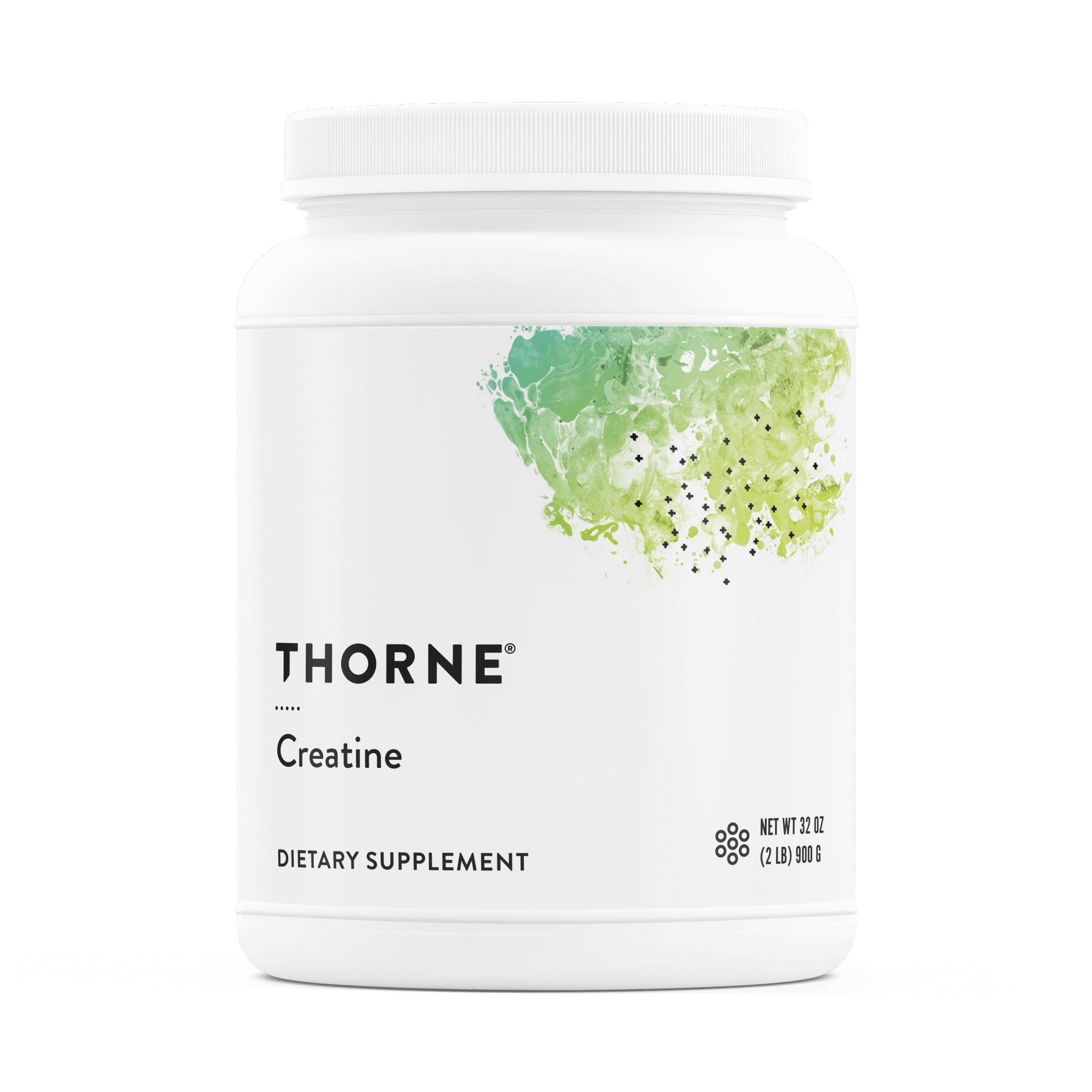
Thorne Creatine Monohydrate
We may earn a commission if you purchase through this link — it doesn't affect the price you pay
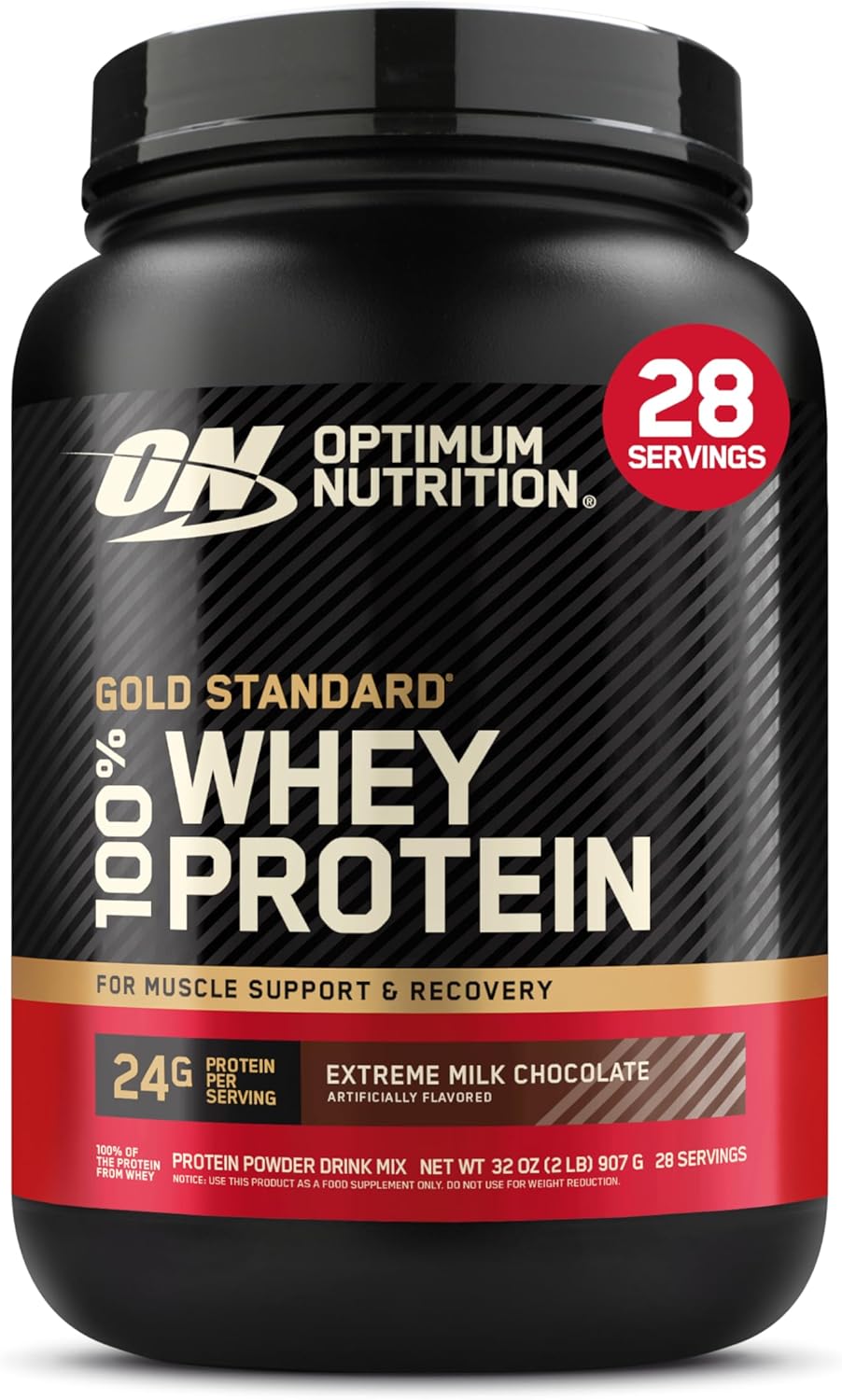
Optimum Nutrition Gold Standard 100% Whey
This article contains affiliate links. We may earn a commission at no extra cost to you.
Periodizing Creatine With Training Blocks: Beyond the Flat Maintenance Dose
The usual 3 to 5 grams per day works because creatine stores rise gradually and stay elevated with consistent intake. The problem is that “works” and “works best for your next hard training block” aren’t the same thing.
The Open Access Journal of Sports Medicine meta-analysis matters here for more than the 1.37-kilogram lean-mass figure. It also showed that creatine’s value appears when it is matched with resistance training. In other words, the supplement isn’t doing the job by itself. The training block is still the engine. Creatine is there to help the engine pull harder.
Without a loading phase, muscle creatine stores can take roughly four weeks to saturate at maintenance dosing. That’s fine if your training is steady year-round. It’s less useful if you’re about to enter a heavier six-week strength block, a return-to-training phase after travel, or a focused push to rebuild lower-body strength. In those cases, a loading phase of 20 grams per day for five to seven days, then a maintenance phase, has a logic the flat dose doesn’t.
That doesn’t mean everyone needs to load every month like a supplement-day trader. A practical periodized approach is simpler:
- Use a loading phase before a planned high-intensity block when you want stores saturated quickly.
- Stay on maintenance during the block so the benefit rides alongside the training.
- Keep maintenance through regular phases if consistency is good and digestion is fine.
- Skip constant loading-and-stopping cycles unless there’s a specific reason, because most of the drama there is recreational.
For men over 45, the point of periodization isn’t complexity for its own sake. It’s matching the supplement to the period that actually matters. If you know the next eight weeks are when you’re pushing squats, deadlifts, hill intervals, or a serious return after a layoff, creatine belongs in that calendar, not floating outside it like background wallpaper.
Higher-Dose Cognitive Protocols: Creatine for Brain Health Under Stress
This is where the conversation gets interesting, and where the evidence needs a little discipline. A 2024 systematic review and meta-analysis in Frontiers in Nutrition looked at 16 randomized controlled trials with 492 participants ranging from young adults to older adults and found significant improvements in memory, attention time, and processing speed. That’s meaningful, especially for a reader who cares more about keeping his edge than about adding half an inch to his upper arm.
The more aggressive question is dose. A 2023 review in Sports Medicine noted that higher long-term dosages, including 10 grams per day or more, may have stronger cognitive effects, especially during periods of metabolic stress such as sleep deprivation, heavy workload, or other brain-energy demands. “May” is doing honest work there. The mechanism is plausible, and the early human data is promising, but this isn’t the part of the literature where certainty lives.
Still, there is a sensible takeaway. If the issue is ordinary muscle maintenance, the standard maintenance dose remains the default. If the issue is a brutal work stretch, short sleep, heavy training, and the familiar feeling that your brain is trying to open twelve browser tabs with dial-up internet, a higher-dose cognitive protocol is at least evidence-supported enough to consider.
That usually means treating 10 grams per day as a conditional tool rather than a permanent identity. Worth considering during unusually demanding stretches. Not something to assume you “need” forever because a supplement podcast discovered the word mitochondria last week.
Men on blood-pressure medication, statins, or any broader medication stack should clear that change with their provider first. The cited literature doesn’t show a specific common interaction signal, but that isn’t the same as proving there is none. Calm authority means saying that out loud.
Strategic Stacking: Creatine With Protein, Beta-Alanine, and Omega-3s
Most supplement stacks are a chemistry-set version of wishful thinking. A better standard is boring: what actually has evidence in older adults?
The strongest stack is still creatine plus resistance training plus adequate protein. The evidence summarized in the Open Access Journal of Sports Medicine meta-analysis and the Journal of Clinical Medicine review points to protein intake around 1.6 grams per kilogram per day, alongside training and creatine, as the combination with the best support for lean-mass outcomes. That isn’t flashy. It’s just how adaptation works. If protein is low, training is inconsistent, and sleep is a mess, no “stack” is rescuing the situation.
That also makes product selection easier. If you want to combine creatine with a protein routine, the priority isn’t some all-in-one tub with a logo that looks like it was designed during a Monster Energy blackout. The priority is whether your actual daily protein intake is sufficient. For that side of the equation, this protein powder comparison for men over 45 is more useful than guessing from label adjectives.
Beta-alanine is more conditional. The Journal of Clinical Medicine review summarized evidence suggesting additive effects with creatine for high-intensity exercise capacity and, in some older populations, lower-body power output. That makes it a maybe for the reader doing harder intervals, sled work, or training that repeatedly pushes into the burning-lungs end of the spectrum. It’s less compelling if your training is mostly steady walking, moderate lifting, and trying not to answer emails after 9 p.m.
Omega-3s sit in a different category. They aren’t a direct ergogenic partner in the same way, but as part of a broader recovery and aging-support plan they make more sense than the typical kitchen-sink stack. The useful filter is this: stack creatine with things that solve a specific adjacent problem, not with whatever happened to be on sale next to it.
Creatine for Bone Health and Fall Prevention: The Durability Case
Muscle gets the headlines because muscle is visible. Bone and fall risk are where the real-life stakes get less cosmetic and more expensive.
The 2019 Journal of Clinical Medicine review highlighted evidence that creatine, particularly when combined with resistance training, may reduce markers of bone breakdown and may help lower fall risk in aging adults. That matters because falls aren’t a minor footnote of aging. They are one of the fastest ways to turn a capable, independent life into a rehab schedule.
This is the durability case for creatine. Better lean mass and better strength are useful partly because they support the things nobody wants to phrase dramatically: getting off the floor, catching yourself on a stair, carrying luggage without tweaking your back, and keeping enough lower-body power that a stumble stays a stumble instead of becoming a life event.
There is no honest version of this argument that says creatine alone prevents falls. The evidence supports creatine as part of a system: resistance training, adequate protein, and enough consistency that the physiological changes have time to matter. But that is precisely why it belongs in a serious over-45 conversation. The supplement isn’t the story by itself. The story is preserving capability.
Creatine Quality Verification: Beyond the NSF Seal for Advanced Users
By the time someone is reading labels for third-party testing, he already knows the supplement industry can behave like a used-car lot with better lighting. “Trust the brand” isn’t a verification protocol.
NSF Certified for Sport remains a strong baseline because NSF tests for label accuracy and screens for more than 280 banned substances. Informed Sport does something slightly different and useful: batch-level certification against more than 250 prohibited substances. For an advanced buyer, that distinction matters. A brand can have a good reputation. A batch can still be the thing you actually consume.
That’s why batch-level verification is the highest-confidence standard in this category. If a product is listed on NSF’s certified product pages or can be confirmed through Informed Sport’s lookup, that’s stronger than relying on a logo printed on a tub and hoping nobody got creative in a supply chain meeting.
Thorne and Momentous are cited in the source list as NSF-certified examples. If you’re comparing premium options, our Momentous vs Thorne comparison is the useful next read, because the decision usually comes down to certification confidence, formulation simplicity, and price tolerance rather than dramatic performance differences.
The practical rule is simple. Buy plain creatine monohydrate. Prefer established third-party certification. Verify the certification through the certifier when possible. And if a brand leans harder on lifestyle photography than on testing transparency, that is usually your clue.
Frequently Asked Questions
Can I take more than 5 grams of creatine per day for cognitive benefits, and is there evidence it works?
Possibly. The strongest signal comes from the 2024 Frontiers in Nutrition meta-analysis showing cognitive benefits overall and the 2023 Sports Medicine review suggesting that 10 grams per day or more may be more relevant during periods of metabolic stress. The evidence is encouraging, not definitive, so higher dosing makes more sense as a conditional protocol than as a blanket rule.
Should I cycle off creatine after a loading phase, or can I stay on indefinitely?
The evidence supports loading when you want faster saturation, then moving to maintenance. It doesn’t suggest a clear advantage to repeatedly cycling off if the supplement is agreeing with you and your clinician has no concerns. For most men, the real choice isn’t cycle versus no cycle. It’s whether the dosing matches the training phase.
Does creatine help with muscle preservation if I’m taking a GLP-1 medication like Ozempic or Wegovy?
The cited sources here don’t include direct GLP-1 evidence, so no honest article should pretend otherwise. The closest supported point is that creatine plus resistance training improves lean-mass outcomes in older adults compared with training alone. If you’re on a GLP-1 and worried about lean-mass loss, that is a provider conversation, not a place for supplement bravado.
How do I verify that my creatine batch actually passed third-party testing?
Start with NSF Certified for Sport or Informed Sport, then verify through the certifier’s own product or batch lookup rather than taking the label at face value. Brand trust is nice. Independent confirmation is better.
Is there any interaction between creatine and common medications for blood pressure or cholesterol?
The cited sources don’t identify a specific common interaction pattern, but that doesn’t eliminate the need for a medication review. If you’re taking blood-pressure medication, statins, or managing kidney issues, changing creatine dose is worth discussing with your provider before you do it.
For men over 45, the best creatine strategy is rarely “just take some and hope.” It’s matching the dose and timing to the job: loading before harder training blocks, using maintenance when consistency matters, considering higher-dose cognitive use when stress is unusually high, and buying only from products you can actually verify. The useful standard isn’t more supplement drama. It’s more durability.
Continue reading: Read the pillar — Supplements & Nutrition
This article is for informational purposes only and is not financial advice. Consult a qualified professional for personalized guidance.
Leave a Reply