
Most fish oil labels tell you how many milligrams are inside the capsule. Far fewer tell you whether that oil is already halfway to rancid. That’s why an omega-3 TOTOX ranking matters more than another glossy promise about purity. A softgel can have plenty of EPA and DHA on paper and still fail the freshness test that determines whether the oil is worth swallowing in the first place.
This is the awkward part of the supplement aisle. The front label is built for optimism. Oxidation data is built for scrutiny. GOED, the Global Organization for EPA and DHA Omega-3, treats TOTOX as the key indicator of fish-oil quality, and independent testing keeps finding that a meaningful chunk of the market doesn’t clear that bar. The marketing department, in a stunning act of self-restraint, rarely leads with that.
So the practical question is simple: which brands publish real freshness data, and how do you read it without turning this into a part-time chemistry hobby. That’s what this article answers.
What Is TOTOX and Why Most Omega-3 Labels Don’t Tell You
TOTOX stands for total oxidation. It’s calculated as `(2 x Peroxide Value) + Anisidine Value`, which gives you one score that captures both early-stage and later-stage oxidation. In plain English, it tells you how beat up the oil is.
GOED recommends fish oils stay below a TOTOX value of 26, and it calls TOTOX the most important indicator for determining fish-oil quality. That threshold matters because it gives you a pass-fail line that is far more useful than vague claims like “molecularly distilled” or “pharmaceutical grade.” Those phrases can sound impressive while telling you almost nothing about whether the batch is fresh.
A low-20s score can still pass. A score in the low teens or single digits is where things start looking genuinely strong. That’s the difference between barely acceptable and clearly well-controlled. If you are comparing brands, that distinction matters. Two products can both say “third-party tested” while one consistently lands at a TOTOX of 4 and the other hovers just below the cutoff.
This is also why many labels stay silent. Potency is easy to print. Freshness data creates accountability. Once a brand starts showing lot-specific oxidation numbers, the conversation shifts from branding to evidence.
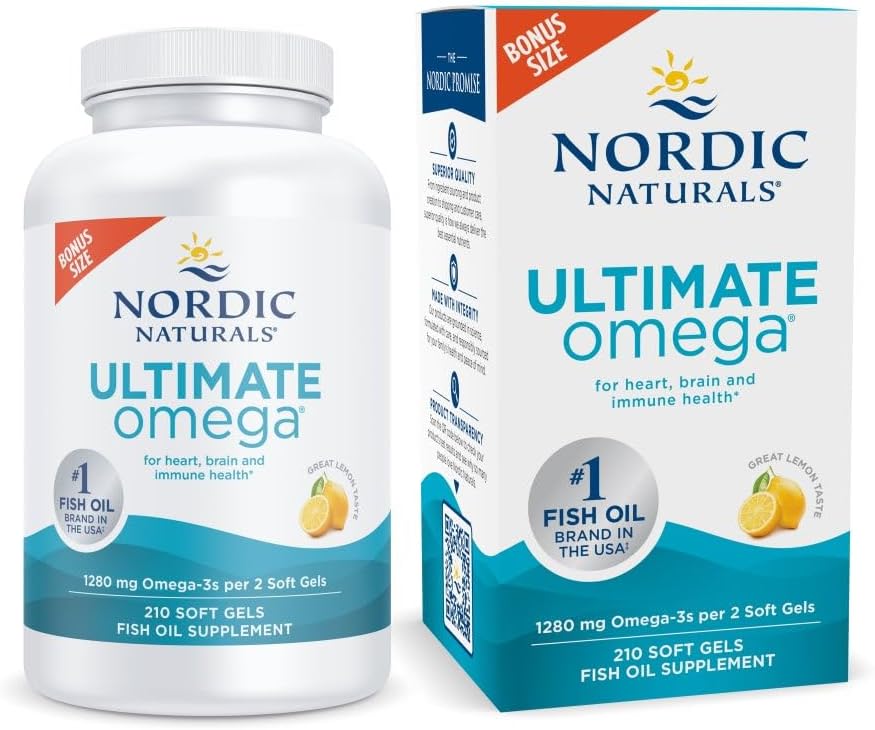
Nordic Naturals Ultimate Omega
This article contains affiliate links. We may earn a commission at no extra cost to you.
The Scale of the Problem: What Independent Testing Reveals
If rancid fish oil were a fringe problem, this would be a niche discussion for supplement obsessives. It isn’t. Independent testing keeps landing on the same uncomfortable conclusion: oxidation is common enough that buyers should assume nothing and verify everything.
A 2023 study from George Washington University School of Medicine and Health Sciences tested 72 popular brands over six years and found that 45% tested positive for rancidity using GOED limits. That isn’t a rounding error. That’s nearly half the shelf.
ConsumerLab’s 2023 review of 27 fish-oil and omega-3 products found three that exceeded oxidation limits outright. Labdoor’s fish-oil rankings add a second layer of concern: more than one in ten tested supplements were over-oxidized, and some came in at 11 times the GOED threshold. At that point the problem isn’t subtle. It’s quality control with the mask off.
The takeaway isn’t that every fish-oil supplement is bad. It’s that labels are weak evidence. Independent testing changes the conversation because it exposes the difference between a brand that can show recent lot data and a brand that would rather hand you a marketing page and hope you move along.
That’s also why a ranking built around oxidation data is useful. It gives you a better starting point than price, celebrity endorsements, or a bottle that looks expensive enough to seem trustworthy.
How Third-Party Programs Certify Omega-3 Purity: IFOS, USP, NSF, and Labdoor
Third-party programs aren’t identical, and lumping them together blurs the part that matters. The useful question isn’t “Does this brand mention testing?” It’s “Which program tested it, what did they measure, and can you see the results.”
IFOS, run through Nutrasource Diagnostics, is the most directly relevant program for an oxidation-focused buyer because it requires TOTOX of 26 or below for 5-star certification and publishes batch-level results for potency, oxidation, and contaminants. That last part matters. Batch-level data means you can check the lot in your hand instead of relying on a generic promise from sometime in the recent geological era.
USP verification and NSF Certified for Sport add another layer of credibility, but they serve slightly different purposes. U.S. Pharmacopeia verification focuses on identity, potency, and manufacturing quality. NSF Certified for Sport is especially useful for athletes and professionals who care about banned-substance screening alongside supplement quality. Neither replaces oxidation data, but both can strengthen the case that a company takes testing seriously.
Labdoor works a little differently. It publishes product-specific scores based on purity, potency, and safety, with peroxide values and heavy-metals data included in the review. That makes it useful as a comparison tool, especially when a brand doesn’t offer a clean batch lookup system on its own site.
For a broader list of third-party tested omega-3 supplements, the same logic applies: trust the lot data, not the label copy. If the testing program is impossible to verify, the claim isn’t doing much for you.
Omega-3 TOTOX Ranking by Published Score: What the Data Shows
This is where the published data starts separating the serious brands from the brands that merely own a copywriter. No ranking is permanent because lots change, formulas change, and storage conditions change. But published certificates do give you a strong snapshot of which companies repeatedly show low oxidation numbers.
Viva Naturals Triple Strength stands out on published IFOS certificates, with TOTOX values in the 3.3 to 4.0 range on the cited lots. That’s excellent territory, not just acceptable territory. It suggests a company that is controlling sourcing, handling, and production well enough to keep oxidation low by the time the product is tested.
Nordic Naturals Arctic Cod Liver Oil reports TOTOX around 6.5, which is still comfortably below the GOED ceiling and firmly in the range most buyers would call strong. Nordic also makes this easier to verify because the company offers certificate-of-analysis access rather than forcing you into a customer-service scavenger hunt.
Omapure Omega-3, as tested by Labdoor, showed a peroxide value of 1.7 meq/kg. That isn’t a full TOTOX score by itself, but it is still useful because it sits well below GOED’s peroxide limit of 5.0 meq/kg and points in the right direction on freshness. NOW Ultra Omega-3 and Legion Triton also show single-digit TOTOX performance across multiple lot tests, which is the kind of consistency worth paying attention to.
The sane way to read this ranking is as a shortlist, not a lifetime oath. A brand earns trust by publishing current batch data that stays low over time. It loses trust the moment that transparency disappears. If a company had great numbers two years ago but can’t show you a recent lot today, that old certificate belongs in the nostalgia category.
This shortlist is also not especially useful for buyers who will never check a certificate. If you want the benefits of a data-driven ranking, the follow-through matters. Otherwise you are back to buying a label and hoping the softgels inside haven’t spent the past year aging like milk in a glove box.
How to Read a Certificate of Analysis for Your Own Omega-3 Brand
A good certificate of analysis shouldn’t read like a magic trick. It should show the batch, the test date, and the actual numbers that matter. If any of that is missing, skepticism is the correct response.
Start with peroxide value. GOED’s target is 5 meq/kg or lower. Then look for anisidine value, with a target of 20 or lower. Add those into the larger TOTOX picture, where 26 is the ceiling and anything under 10 starts looking very good. That trio tells you whether the oil is fresh enough to deserve a place in your cabinet.
Then move to contaminants. A useful COA lists mercury, lead, arsenic, cadmium, and ideally PCBs or dioxins as well. A practical mercury benchmark is 0.1 ppm or lower, which gives you a clear benchmark instead of vague “heavy metals tested” language. A product can have an acceptable oxidation score and still be sloppy elsewhere, so the COA needs to cover both freshness and contamination.
The report also needs to be batch-specific and current. A generic PDF with no lot number isn’t much better than a brochure. Many stronger brands now provide lot-number lookups on their sites, including Nordic Naturals. That’s the standard worth rewarding because it lets you verify the actual bottle you bought, not a theoretical bottle from a better-behaved batch.
If a COA looks unreadable at first glance, don’t overcomplicate it. Three questions usually settle the matter: Is the batch identified, are peroxide and anisidine values listed, and is the total oxidation score well below 26. If the answer is no, keep moving.
Beyond TOTOX: EPA/DHA Dose, Source Fish Species, and Storage Tips
TOTOX is a big part of purity, but it isn’t the whole conversation. A pristine capsule with a weak dose is still a weak product, and a fresh bottle can oxidize after opening if you store it carelessly.
On dose, the NIH Office of Dietary Supplements points to 1,000 to 2,000 mg of combined EPA and DHA as a practical daily range for general health conversations. That’s enough to make potency matter. A cheap bottle can look fine until you realize you need several capsules a day to reach a useful intake, at which point the bargain starts behaving like a prank.
Source fish matter too. Short-lived species such as anchovies and sardines are common in IFOS-tested products for a reason. They sit lower on the food chain and tend to carry lower heavy-metal risk than larger, longer-lived fish. That doesn’t guarantee purity on its own, but it is a sensible starting point when combined with published testing.
Storage is where people quietly sabotage a decent product. GOED’s technical guidance is clear on the enemies: heat, light, and oxygen accelerate oxidation. Dark glass helps. Refrigeration after opening helps. Giant bulk containers that spend months being opened and closed don’t help. If you are paying for low oxidation, you may as well avoid turning your own kitchen into the final quality-control failure.
The right way to think about omega-3 selection is layered. First check oxidation. Then check dose. Then check species and contaminant data. Then store the thing properly. That sequence isn’t glamorous, but neither is buying a premium bottle and letting it degrade on the counter beside the coffee machine.
Frequently Asked Questions
What is a good TOTOX value for omega-3 supplements?
Anything under GOED’s ceiling of 26 passes, but that is the minimum standard, not the aspirational one. Single digits or low teens are much stronger and usually signal better handling and fresher oil.
Does flavored fish oil mask rancidity in testing?
Flavoring may hide taste, but it doesn’t change the oxidation chemistry measured by peroxide, anisidine, or TOTOX testing. That’s why published lab data matters more than whether a product manages to taste like citrus and denial.
How should I store omega-3 supplements to keep the TOTOX value low?
Keep them away from heat, light, and repeated air exposure. Dark glass bottles help, refrigeration after opening helps, and oversized containers that sit around for months work against the whole point of buying a fresh batch.
Is krill oil or algal omega-3 less prone to oxidation than fish oil?
This article’s ranking is built on fish-oil testing standards and published fish-oil data, so it doesn’t support a blanket claim that krill or algal products are automatically more stable. The right standard is still the same: look for current batch-specific oxidation data.
How often should brands update their Certificate of Analysis?
Every production lot should have its own current certificate. If a brand only shows an old generic report, that isn’t enough to verify the bottle you are about to buy.
The Bottom Line
An omega-3 supplement is only as good as the batch data behind it. The brands worth shortlisting are the ones that publish low oxidation numbers, keep those numbers current, and make it easy to verify the lot instead of asking you to trust the branding.
Continue reading: Read the pillar — Supplements & Nutrition
This article is for informational purposes only and is not financial advice. Consult a qualified professional for personalized guidance.
Leave a Reply