
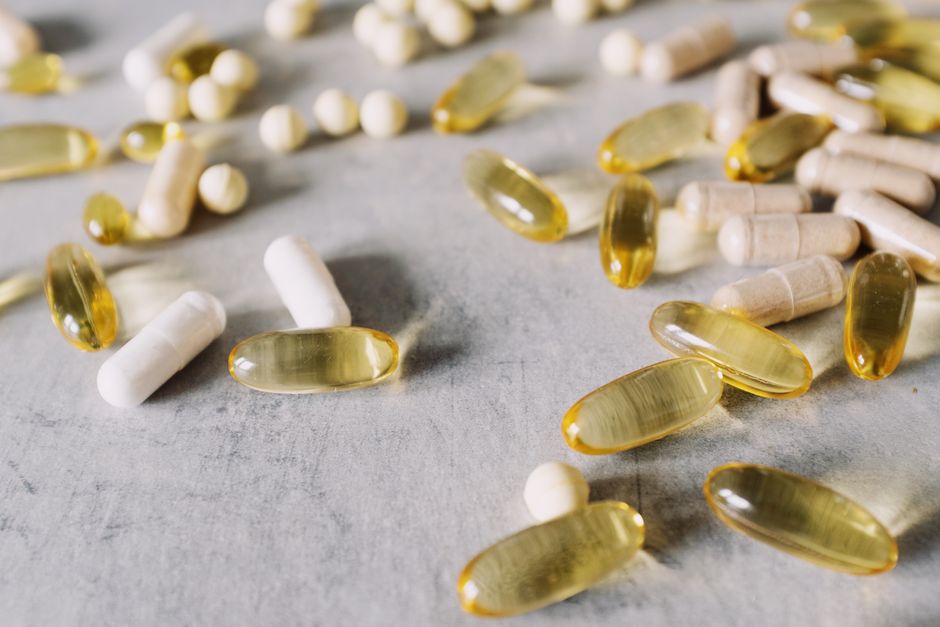
The average man shopping for a testosterone booster isn’t struggling to find options. He’s struggling to find honesty. The bottles promise drive, strength, energy, and a hormonal comeback story in one neat stack of capsules. Meanwhile the category itself has turned into a $3.5 billion market, according to Fortune Business Insights, which is exactly why skepticism belongs on the front end instead of the back.
Here’s the straight take from a natural testosterone boosters evidence review: a few ingredients have real human data, a few only work when they correct an actual deficiency, and a lot of the aisle is powdered optimism with a glossy label. If you’re a man over 50, the useful question isn’t “What boosts testosterone?” It’s “What survives scrutiny once the marketing gets removed?”
That distinction matters because age-related testosterone decline is real, but so is supplement-industry nonsense. The evidence is strongest when a supplement fixes something measurable, such as low vitamin D, marginal zinc status, poor magnesium intake, or high stress biology. It gets weaker when a brand asks you to trust a proprietary blend and a before-and-after photo that looks like it was lit by a nightclub bouncer.
Natural Testosterone Boosters Evidence Review: What the Category Actually Means
“Natural testosterone booster” isn’t a scientific category. It’s a marketing umbrella. It can mean an herb with a few decent human trials, a vitamin that helps only if you’re deficient, a mineral that matters mostly when intake is low, or a kitchen-sink blend that hides the dose behind “proprietary” language. The FDA doesn’t pre-approve supplements for effectiveness, and that lack of oversight shows up everywhere in this market.
That’s the first filter worth applying. A product doesn’t earn credibility because it says “testosterone support” on the label. It earns credibility if you can answer three questions without squinting: What is the ingredient? At what dose? Compared with what kind of human evidence?
For men over 50, that framing is especially useful because this audience is usually not looking for an aesthetic trick. They’re looking for a way to keep energy, training recovery, sexual function, and mental sharpness from sliding sideways. That makes the supplement-bro pitch even more annoying. You’re not buying a pre-workout for spring break. You’re trying to separate tools from theater.
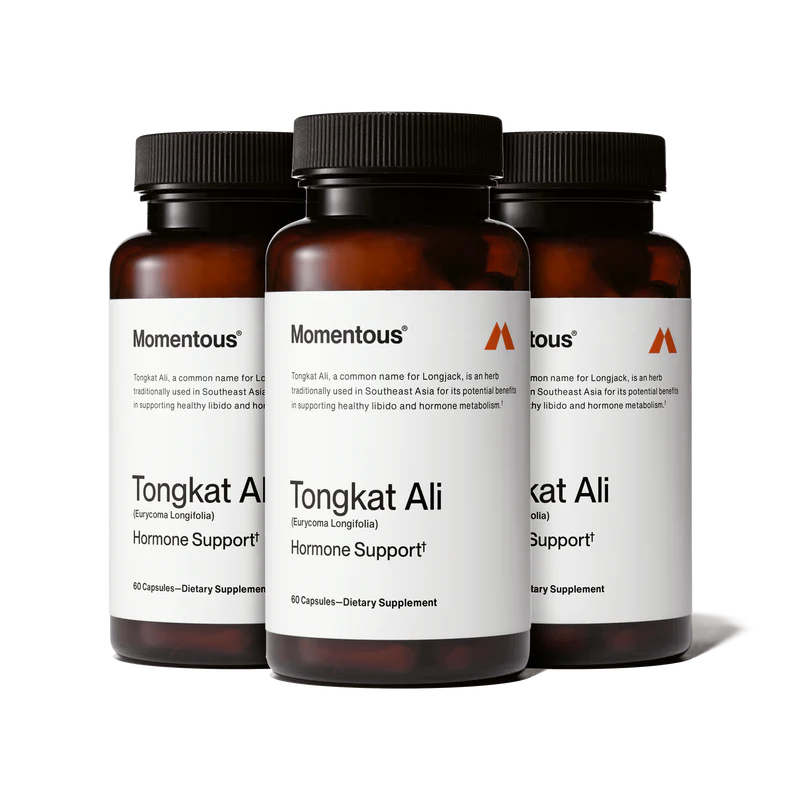
Momentous Tongkat Ali
$19.95
This article contains affiliate links. We may earn a commission at no extra cost to you.
The Ingredient with the Strongest Human Data: Ashwagandha
If one ingredient deserves a real hearing, it’s ashwagandha. The strongest case in this brief comes from a randomized, double-blind, placebo-controlled crossover study published in the American Journal of Men’s Health. In overweight men aged 40 to 70, eight weeks of standardized ashwagandha extract produced a 14.7% greater increase in testosterone and an 18% greater increase in DHEA-S than placebo, with statistically significant results.
That would already make it more credible than most of the aisle. But the more interesting detail is that a separate six-month trial in men aged 50 to 70 found an 18% increase in testosterone in the ashwagandha group while the placebo group dropped 11%. That’s not magic. It’s also not nothing.
The right way to read those numbers is calmly. Ashwagandha isn’t a substitute for diagnosing clinically low testosterone. It isn’t TRT in a plant capsule. What it does appear to be, based on the human data here, is the rare “natural booster” with enough evidence to justify consideration if your goal is modest support rather than hormonal reinvention.
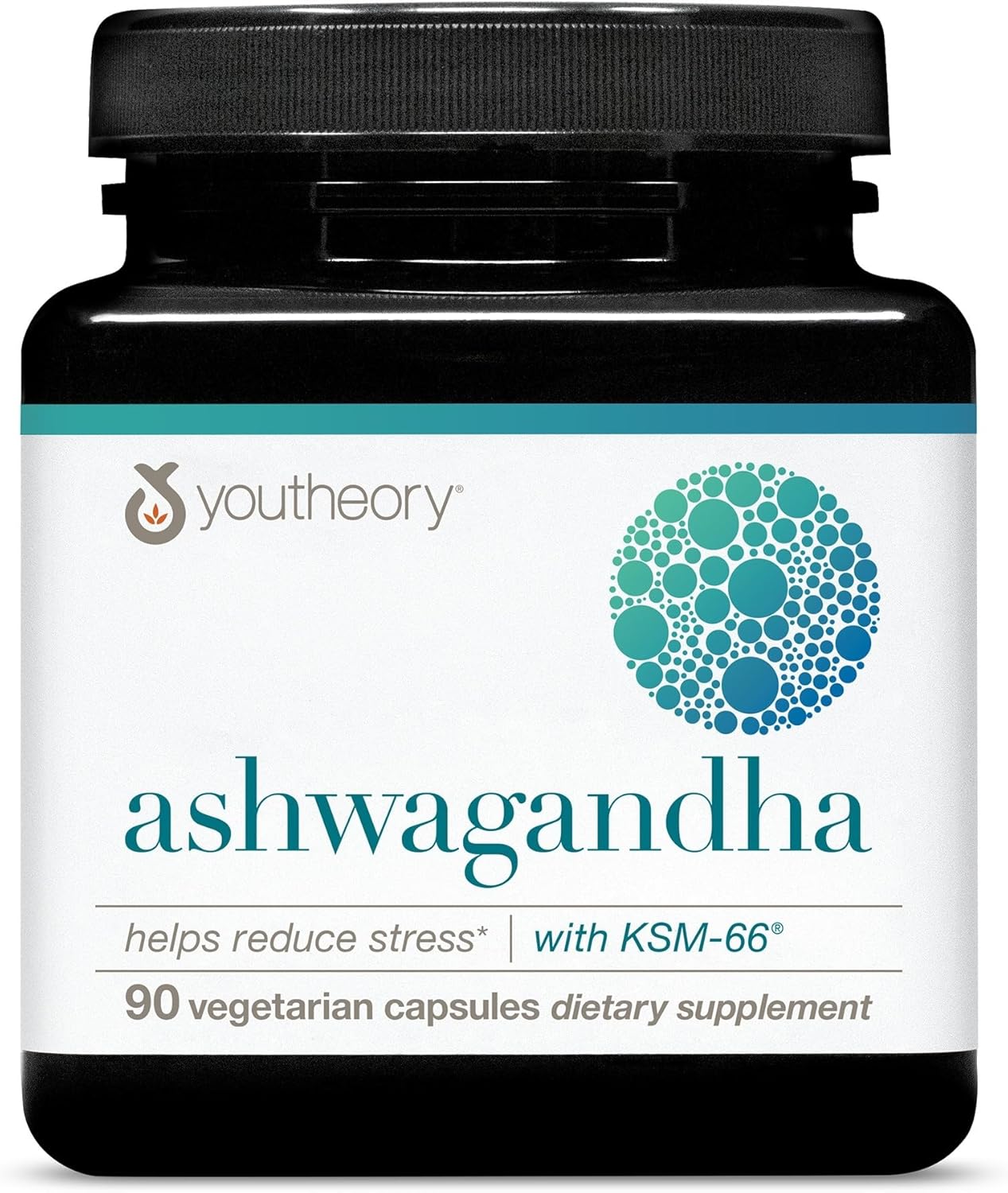
Youtheory Ashwagandha
$25.19
This article contains affiliate links. We may earn a commission at no extra cost to you.
Who is this not for? Anyone treating obvious hypogonadism as a supplement problem. If your symptoms are substantial or your labs are clearly low, that is provider territory, not herb-shopping territory. Ashwagandha belongs in the “worth considering” bucket, not the “problem solved” bucket.
Correction of Deficiencies: Vitamin D, Zinc, and Magnesium When Supplements Work
This is where the supplement conversation gets much less glamorous and much more useful. The best natural “boosters” often aren’t boosters at all. They are correction tools. If you’re deficient, fixing the deficiency can move testosterone. If you’re already replete, taking more may just create expensive urine and a false sense of productivity.
The clearest example in this brief is vitamin D. In Hormone and Metabolic Research, Pilz and colleagues reported that 3,332 IU of vitamin D daily for one year produced about a 25% increase in total testosterone in vitamin D-deficient men. The critical phrase there is “vitamin D-deficient.” That’s the whole ballgame.
The same logic applies to zinc and magnesium. The evidence summarized in this review indicates that correcting marginal zinc deficiency can raise testosterone by 20% to 30% in deficient men. Magnesium also has a plausible case: in the Journal of the International Society of Sports Nutrition, four weeks of 450 mg daily increased free and total testosterone by 24%, with stronger effects in active men.
This is why testing comes before stacking. If your vitamin D is low, your diet is thin on magnesium, or your zinc intake is poor, supplementation may help because you’re filling a hole. If your labs and intake are already solid, the odds of a dramatic hormonal payoff drop fast. Boring? Yes. Useful? Also yes.
The Herbal Contenders with Emerging Evidence: Tongkat Ali, Fenugreek, and Shilajit
After ashwagandha, the picture gets more mixed. Tongkat Ali has the cleanest “promising” label in this group. A 2024 randomized, double-blind, placebo-controlled trial published in Andrology reported that a standardized Eurycoma longifolia water extract increased testosterone by 16.4% and reduced cortisol by 32.3% versus placebo in endurance athletes, both statistically significant.
That cortisol finding matters because stress biology is one of the least sexy and most relevant drivers of mediocre testosterone. Lowering cortisol isn’t the same thing as fixing low T, but it fits the larger pattern: if an ingredient improves the environment testosterone has to operate in, that can matter. The catch is population fit. Endurance athletes aren’t automatically the same as 55-year-old executives with patchy sleep and a carry-on full of meeting stress.
Fenugreek belongs in the “possible, not settled” category. As summarized by Medical News Today, one 12-week trial found free testosterone increases of up to 46%, which is enough to take seriously. It isn’t enough to treat fenugreek like a sure thing, because the overall evidence base remains mixed.
Shilajit is even earlier. Preliminary studies link it to higher free testosterone and DHEA, and “preliminary” is doing honest work there. This is the point in the supplement aisle where many brands start behaving like the evidence is already mature. It isn’t. Tongkat Ali is promising. Fenugreek is mixed. Shilajit is emerging evidence. Those are different tiers, and they should be treated that way.
Ingredients the Evidence Does Not Support: Tribulus, D-Aspartic Acid, and Proprietary Blends
Some ingredients survive mainly because the label sounds masculine. Tribulus terrestris is the classic example. Multiple clinical trials, as summarized by Medical News Today, haven’t shown meaningful testosterone increases in healthy men. Yet it keeps reappearing in formulas because “tribulus” sounds like it should arrive on horseback and solve your endocrine system by force.
D-aspartic acid is more interesting because it had an early story. Initial work in infertile men suggested potential benefit. Follow-up studies in healthy men did not confirm that effect, and Medical News Today reports that longer-term use may even decrease testosterone. That isn’t a nuance most labels volunteer.
Then there are proprietary blends, which are often just a convenient way to avoid the most important question: how much of each ingredient are you actually getting? When a company hides the dose, it is asking for trust without transparency. That’s rarely a bargain worth taking.
If you remember one shopping rule from this entire topic, make it this: no disclosed dose, no benefit of the doubt.
Why Lifestyle Still Beats the Bottle and How to Sequence Your Approach
Supplements get the attention because swallowing a capsule feels efficient. But the largest and most reliable gains still come from the unglamorous basics. In the Journal of Clinical Endocrinology & Metabolism, Feldman and colleagues found that testosterone declines by about 1% to 2% per year after age 40. That decline is real. It’s also heavily shaped by body composition, sleep, stress, and training status.
The bigger lever most men would rather skip is weight loss. In obese men, weight loss alone can produce 30% to 50% improvements in total testosterone. That’s not a supplement effect. That’s a system effect. Better sleep, resistance training, lower stress load, and improved body composition usually move the needle more than chasing exotic herbs one bottle at a time.
So the practical sequence is simple. Test first. Correct obvious deficiencies second. Fix the lifestyle bottlenecks third. Only then does targeted supplementation make sense. That order is less exciting than a five-product stack. It’s also much more likely to work.
This is the part supplement marketing hates, because it turns testosterone support into a decision tree instead of a checkout page. But for men over 50, a decision tree is exactly what you want.
Frequently Asked Questions
Can natural testosterone boosters replace TRT for clinically low testosterone?
Usually no. Natural supplements may modestly support testosterone or improve related symptoms, especially when they correct a deficiency or reduce stress biology, but they aren’t a substitute for medical evaluation when testosterone is clinically low. If symptoms and labs point to hypogonadism, consult your provider rather than trying to out-supplement the problem.
How long does it take for ashwagandha or Tongkat Ali to affect testosterone levels?
Based on the studies cited here, ashwagandha showed measurable changes over eight weeks, while the Tongkat Ali trial also tracked changes across a defined intervention period rather than overnight. The bigger point is that useful changes, when they happen, tend to show up over weeks to months, not by next Tuesday.
Is it safe to take ashwagandha, vitamin D, zinc, and magnesium together?
That depends on your labs, medications, and baseline intake. The evidence here supports correcting deficiencies and considering targeted ingredients, not building a maximalist stack by default. Combining multiple supplements without checking what you actually need is how sensible support turns into guesswork.
What blood tests are worth running before buying a testosterone booster?
At minimum, the logic of this article argues for checking whether you have a correctable deficiency or a broader hormonal issue before you buy anything. Men in this audience often track markers such as total testosterone and vitamin D, but the right panel depends on your symptoms and medical context. The useful principle is test before you guess.
How do I know whether a supplement brand is worth trusting?
Start with transparency. If the label hides dosages behind a proprietary blend, move on. If the product leans on aggressive promises while offering thin evidence, move on faster. A trustworthy brand should make it easy to see what is in the bottle and why those ingredients were chosen.
The honest evidence review is less dramatic than the marketing: ashwagandha has the strongest human data here, vitamin D, zinc, and magnesium make sense when they correct real deficiencies, Tongkat Ali looks promising, and a lot of the rest is noise. For men over 50, the winning strategy isn’t to believe harder in supplements. It’s to test first, fix the obvious problems, and let the data decide what deserves a place on the shelf.
Sources
- Fortune Business Insights. “Testosterone Booster Market Size, Share & Trends 2024–2032.” 2024. https://www.fortunebusinessinsights.com/testosterone-booster-market-109473
- Lopresti et al. “A Randomized, Double-Blind, Placebo-Controlled, Crossover Study Examining the Hormonal and Vitality Effects of Ashwagandha (Withania somnifera) in Aging, Overweight Males.” American Journal of Men’s Health. 2019. https://pmc.ncbi.nlm.nih.gov/articles/PMC6438434/
- Pilz et al. “Effect of vitamin D supplementation on testosterone levels in men.” Hormone and Metabolic Research. 2011. https://pubmed.ncbi.nlm.nih.gov/21154195/
- Cinar et al. “Effect of magnesium supplementation on testosterone levels.” Journal of the International Society of Sports Nutrition. 2010. https://pubmed.ncbi.nlm.nih.gov/20352370/
- Talbott & George. “Effect of Eurycoma Longifolia Standardised Water Extract on Anabolic Balance during Endurance Exercise.” Andrology. 2024. https://doi.org/10.35248/2167-0250.24.13.322
- Feldman et al. “Age trends in the level of serum testosterone and other hormones in middle-aged men.” Journal of Clinical Endocrinology & Metabolism. 2002. https://pmc.ncbi.nlm.nih.gov/articles/PMC3312212/
- Medical News Today. “Are testosterone boosters effective?” 2024. https://www.medicalnewstoday.com/articles/testosterone-booster
- Harvard Health Publishing. “Testosterone, aging, and the mind.” 2024. https://www.health.harvard.edu/newsletter_article/testosterone_aging_and_the_mind
This article is for informational purposes only and is not financial advice. Consult a qualified professional for personalized guidance.
Leave a Reply