

Most men do one blood draw, glance at the word “normal,” and move on. That’s understandable. It’s also how you miss the trend that matters.
If you want to track biomarkers over time, a single lab report isn’t the point. The point is the direction of travel. A 55-year-old executive doesn’t care whether one Tuesday morning blood test looked acceptable in isolation. He cares whether testosterone has been sliding for three years, whether HbA1c has been creeping up every quarter, and whether inflammation markers are drifting in the wrong direction before the wheels start wobbling.
That’s the practical advantage of longitudinal tracking. It turns lab work from a one-off reassurance ritual into a monitoring system. Less “good news, you are technically not on fire.” More “here is what is actually changing, and here is what deserves attention.”
Why a Single Blood Test Won’t Tell You the Full Story
The biggest problem with one-time lab testing is that standard reference ranges are broad by design. Hone Health explains that “normal” ranges are built from the middle 95% of the population, which includes sedentary people, people with early-stage disease, and plenty of people who are functioning well below what most readers would call sharp. That’s useful for spotting crisis. It isn’t the same thing as measuring performance, recovery, or early decline.
That distinction matters because a result can sit inside the lab’s reference range and still represent a meaningful personal drop. If your total testosterone was 640 ng/dL two years ago, 560 last year, and 490 now, the latest test may still come back as normal. It’s also telling you a story. Ignore the trend and you miss the story.
This is where the “normal is fine” reassurance starts to break down. Normal doesn’t automatically mean optimal. More importantly, normal doesn’t tell you whether you are stable, improving, or slipping. Trendlines do.
A single test is still useful as a baseline. It just isn’t a verdict. Think of it as one frame from a film reel. Helpful, yes. Enough to judge the plot, no.
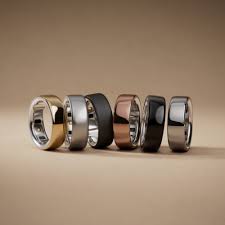
Oura Smart Rings
This article contains affiliate links. We may earn a commission at no extra cost to you.
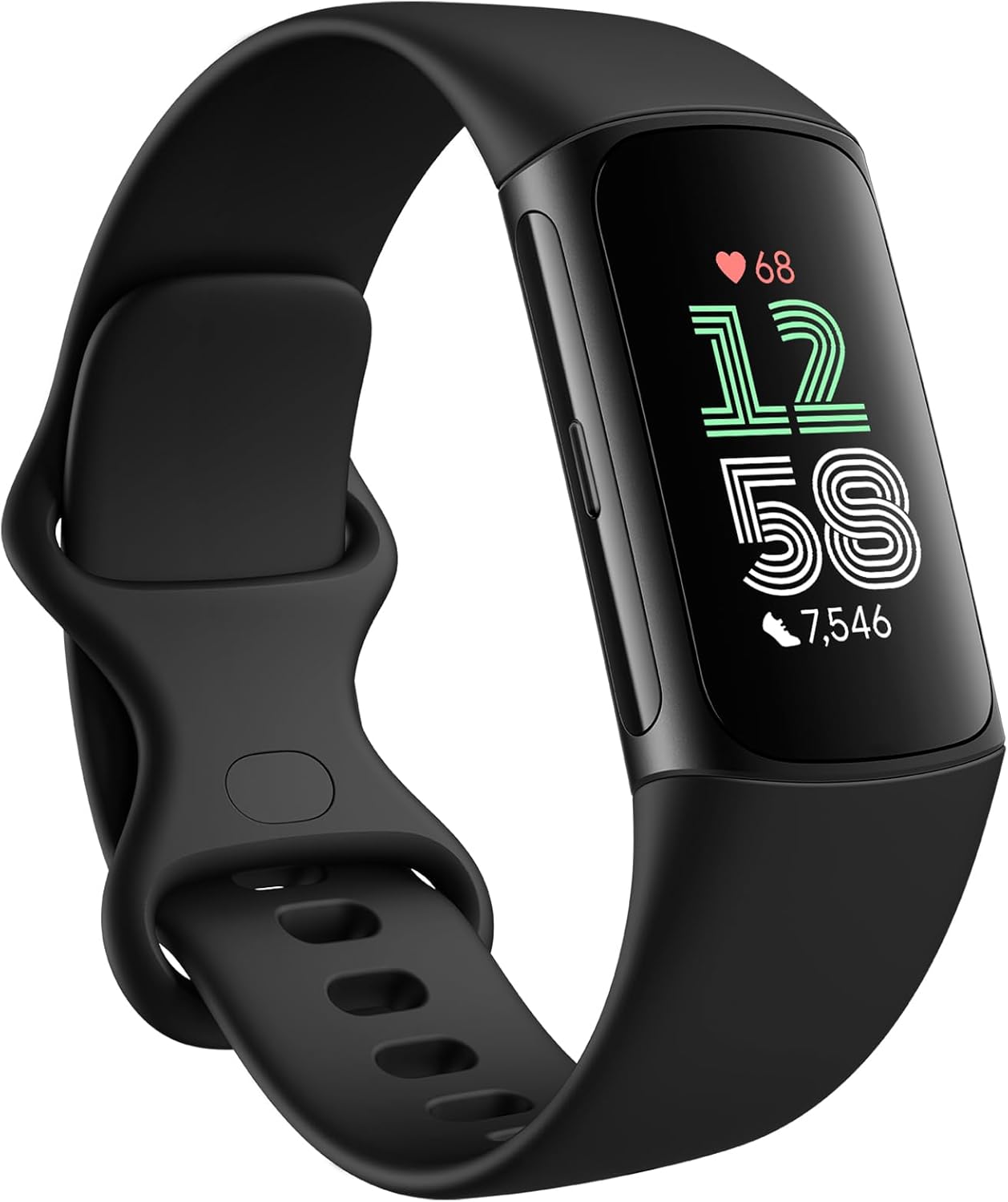
Fitbit Charge 6
This article contains affiliate links. We may earn a commission at no extra cost to you.
The Biomarkers That Reward Longitudinal Tracking
Some markers are especially worth tracking because they tend to move gradually, and gradual changes are exactly what one annual snapshot hides.
Testosterone is the obvious example. Next Health notes that testosterone often declines roughly 1% to 2% per year after age 30, with many men functioning better above 500 ng/dL than they do near the bottom of the range. The Baltimore Longitudinal Study of Aging, published in the Journal of Urology and indexed on NIH/PubMed, found a consistent linear decline in bioavailable testosterone across the lifespan, even after adjusting for comorbidities. That isn’t a reason to panic. It’s a reason to measure the slope instead of arguing with one number.
HbA1c also rewards patience and pattern recognition. You don’t need an alarming result to justify attention. If HbA1c keeps moving from 5.1% to 5.3% to 5.5%, the trend matters before the diagnosis arrives because average glucose exposure is drifting before a formal diagnosis shows up.
ApoB and hsCRP belong in the same category. ApoB gives you a cleaner read on atherogenic particle burden than a standard cholesterol panel alone. hsCRP can flag inflammation that deserves context rather than a shrug. Neither marker should be interpreted theatrically. Both become more useful when you can compare them against your own prior results under similar conditions.
This is also why men tend to run into heart-disease risk earlier than they expect. Medical News Today reported on 2026 research showing that men develop coronary heart disease about 10 years earlier than women on average. Early trend detection matters because the body usually sends quieter signals before it sends dramatic ones.
If you already care about 10 Biomarkers Every Man Over 50 Should Track, this is the missing second step. The list matters. The sequence matters more.
How Often to Test: A Practical Cadence for Men 45+
The right cadence depends on whether you are investigating a problem, actively changing something, or just trying to avoid drift.
InsideTracker recommends retesting every three months when you are measuring the effect of lifestyle or supplement changes. That makes sense. If you changed sleep, training, body composition, alcohol intake, or medication use, waiting a full year to see whether anything moved is unnecessarily slow. Three months is usually enough time to spot direction without mistaking daily noise for a signal.
Function Health takes a broader approach with two large panels per year covering more than 160 biomarkers. For men who want an annual systems check plus one midyear update, that model is reasonable. It trades quarterly feedback for breadth.
A practical cadence for most men 45+ looks like this:
- One comprehensive panel annually
- A focused retest every three months if you are actively trying to change key markers
- A focused retest every six months if you are stable and mainly monitoring
The focused retest is where discipline helps. Pick the markers most likely to move or matter: HbA1c, total and free testosterone, hsCRP, vitamin D, possibly ApoB depending on your risk picture. Don’t keep ordering giant panels because more data feels virtuous. Order the data that answers a question.
Who is quarterly testing not for? Men who aren’t going to change anything based on the result. If your plan is to get labs, nod solemnly, and return to six hours of sleep and restaurant food five nights a week, twice-yearly tracking is probably enough. More frequency doesn’t automatically create more honesty.
Lab Platforms Built for Longitudinal Tracking
Dedicated tracking platforms exist because a standard annual physical usually doesn’t give you enough breadth or enough continuity. Many routine physicals test 10 to 20 biomarkers. That’s fine for basic screening. It’s thin for performance-oriented monitoring.
InsideTracker was built around repeated testing. The company says it was founded in 2009 by experts from MIT and Tufts, curates more than 7,000 clinical studies, and has collected over 10 billion data points. Its model combines repeat blood testing with wearable and lifestyle inputs, then pushes you toward regular remeasurement. If you want a tighter optimization loop, that structure makes sense.
Function Health is broader. It offers two large panels per year covering heart health, hormones, thyroid, nutrients, autoimmunity, aging factors, and more, with clinician-reviewed results and integration with Oura, Fitbit, and Apple Health. For a reader who wants a wider dashboard without thinking about quarterly logistics, that is the stronger fit.
The simpler comparison is this:
- InsideTracker is better suited to men who want a narrower set of biomarkers checked more often.
- Function Health is better suited to men who want more biomarkers checked less often.
Who are these platforms not for? Men who expect an app to replace judgment. A dashboard can show a pattern. It can’t decide whether poor sleep, heavy training, dehydration, illness, or a genuinely worsening biomarker is the real story. The tool helps. The context still belongs to you and, when needed, your provider.
There is also a perfectly respectable DIY option. If you already have access to consistent lab testing and don’t need another subscription, a spreadsheet can do most of the job. Expensive software is nice. A clean trendline is nicer.
Reading the Trendline: Meaningful Shifts vs. Measurement Noise
This is where otherwise sensible people start overreacting to tiny changes. A biomarker moved a little. Fine. That doesn’t automatically mean your physiology is staging a rebellion.
A single reading can shift because of hydration, time of day, recent exercise, poor sleep, a hard training block, or simple lab-processing variance. That’s why longitudinal tracking only works if the conditions are reasonably consistent. Morning draws should stay morning draws. Fasting should stay fasting. The same lab is usually better than bouncing between providers with different assays and ranges.
Prenuvo’s 2025 guide makes the useful point here: biomarkers can reveal early physiological changes before symptoms appear. True. The companion truth is that biomarkers can also look noisy before a real pattern emerges. Both statements need to sit in your head at the same time.
A practical rule is to look for changes of roughly 15% to 20% before treating them as clearly meaningful, unless the marker is already in a concerning range or the clinical context is obvious. A 2% wobble in testosterone or hsCRP is often just Tuesday being Tuesday. A sustained 18% move across two or three draws deserves more attention.
Three data points is a decent minimum before you start sounding certain. One point is a baseline. Two points is a hint. Three points starts to look like a line.
That line is what lets you separate biological noise from biological drift. One noisy result is annoying. A trend is information.
Building Your Personal Biomarker Dashboard: Systems and Tools
The best tracking system is the one you will keep using when work gets busy. That rules out any setup that requires monk-like devotion and a color-coded binder.
Both InsideTracker and Function Health make this easier because they visualize changes over time. Function Health can also pull in sleep, activity, and HRV data from Oura, Fitbit, and Apple Health, which is useful because blood markers rarely live alone. If hsCRP rises while sleep quality falls and recovery metrics flatten, the combined picture is more informative than any one metric.
InsideTracker’s use of narrower “optimal zones” is also helpful if your goal isn’t merely to stay out of obvious trouble. The downside is that optimization language can tempt people into chasing perfection. Resist that urge. The dashboard is there to clarify decisions, not to turn health into a quarterly earnings call for your mitochondria.
The low-cost version is simple:
- Record the test date
- Record the biomarker name and value
- Record the lab’s range and, if relevant, your own preferred target range
- Add a short note on sleep, alcohol, illness, training load, and body-weight changes
That last line matters more than most people think. If free testosterone drops after a month of poor sleep and travel, the explanation may be hiding in your calendar, not in some mysterious hormonal betrayal.
For a time-poor reader, the goal isn’t a perfect biohacker cockpit. It’s a usable personal dashboard that helps you notice meaningful change early enough to do something sensible about it.
Frequently Asked Questions About How to Track Biomarkers Over Time
How long does it take to see a meaningful change in biomarkers after a lifestyle intervention?
Usually a few months, not a few days. That’s why platforms like InsideTracker recommend retesting every three months when you are trying to measure the effect of changes. Sleep, body composition, training, alcohol intake, and medication changes can move key markers, but they usually need enough time to produce a real signal.
Can I use my annual physical for longitudinal tracking, or do I need a dedicated platform?
You can use an annual physical as a baseline, but it is often too limited for real trend analysis. Standard physicals usually cover fewer biomarkers and may not make repeat comparisons easy. A dedicated platform helps if you want broader coverage or cleaner visual tracking. A spreadsheet can also work if your testing access is consistent.
What’s the minimum number of data points needed to establish a reliable biomarker trendline?
Three is a sensible minimum. One result gives you a baseline. Two gives you a possible direction. Three starts to tell you whether the move is persistent or just noise.
Do I need to use the same lab and same time of day for every test to get comparable results?
Ideally, yes. Consistency reduces measurement noise and makes interpretation cleaner. Same lab, same morning timing, similar fasting status, and roughly similar training conditions produce a much better comparison than a grab bag of differently collected results.
The Bottom Line
If you want to stay sharp into your 50s and 60s, treat biomarkers like a monitoring system rather than a one-time report card. The useful question isn’t whether one test looked normal. It’s whether the line is holding, improving, or quietly slipping while nobody is paying attention.
Sources
- Hone Health. Reference Ranges in Blood Tests: Optimal vs Normal Results.
- Next Health. Biomarkers Every Man Should Be Tracking.
- Prenuvo. 11 biomarkers that shape a man’s healthspan.
- InsideTracker. When and how often should I retest?.
- InsideTracker. About InsideTracker.
- Function Health. What We Test.
- Medical News Today. Men may develop cardiovascular disease earlier in life than women.
- NIH/PubMed — Journal of Urology. Factors affecting bioavailable testosterone in a cohort of men aged 30–98 years: Results from the Baltimore Longitudinal Study of Aging.
Continue reading: Read the pillar — Biomarkers & Lab Testing
This article is for informational purposes only and is not financial advice. Consult a qualified professional for personalized guidance.
Leave a Reply