
Author: Neil Gulino
-

Deep Dive into Longevity Supplements: Beyond NMN, NR, and Urolithin A
Most longevity supplement coverage gets stuck on the same three names: NMN, NR, and urolithin A. That isn’t irrational. Those compounds are easy to explain, easy to market, and tied to a clean story about cellular energy. But longevity supplements research is a lot messier than that, because aging itself is a lot messier than…
-

WHOOP Strain vs. Garmin Training Load vs. Oura Readiness: Which Recovery Algorithm Actually Predicts How You’ll Feel Tomorrow?
Most recovery scores are selling the same fantasy: wake up, glance at one number, and know exactly how hard to train, how sharp you’ll feel, and whether your body is quietly filing a complaint. That’s tidy. Real physiology isn’t. For a WHOOP vs Garmin vs Oura recovery algorithm comparison, the uncomfortable truth is that all…
-
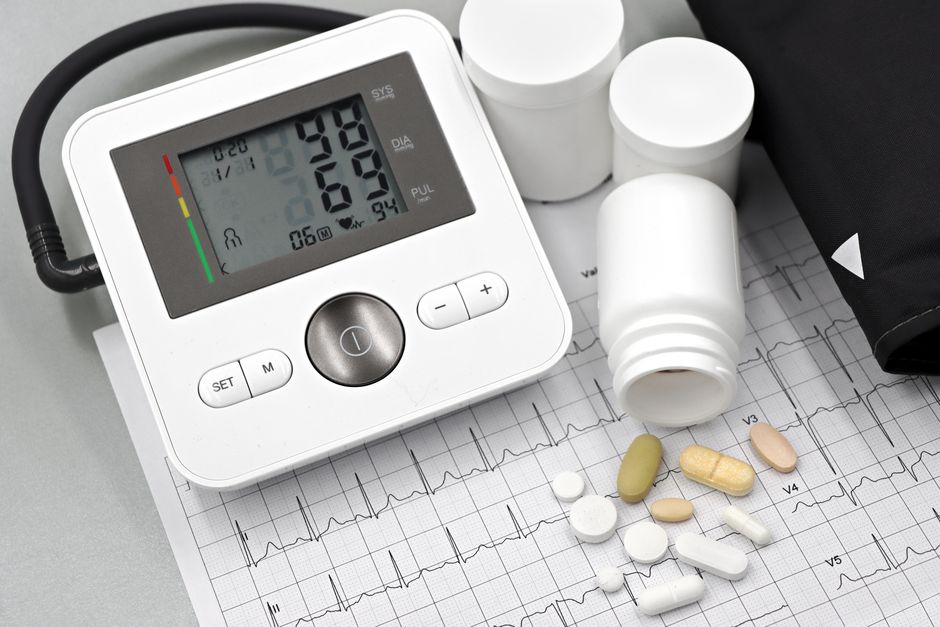
Testosterone Therapy and Lipid Panel Changes: What TRT Does to Total Cholesterol, LDL, HDL, and Triglycerides in Men Over 50
If you’re a man over 50 looking at TRT, there’s a decent chance this question shows up before the first prescription ever does: what happens to cholesterol? Fair question. Nobody wants to trade better energy, better libido, and better body composition for a worse lipid panel and a lecture from the cardiologist three months later.…
-
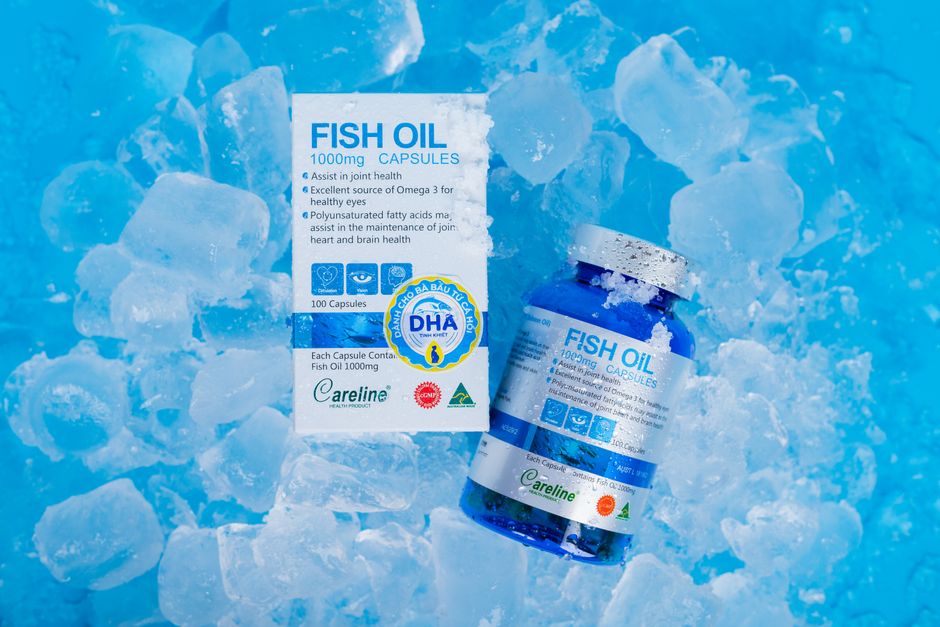
Omega-3 Index Testing: How to Measure Your EPA+DHA Status and What Therapeutic Levels Look Like
Most men don’t have an omega-3 problem because they forgot salmon exists. They have one because they assume a decent diet plus a generic fish-oil capsule must be close enough. Usually it isn’t. An omega-3 index test gives you a cleaner answer by measuring EPA and DHA levels directly in red blood cell membranes, which…
-

Omega-3 Index Testing: How to Know If Your Fish Oil Dose Is Actually Reaching Therapeutic Levels
Fish oil has a weird status in men’s health. It’s common enough to live next to the coffee maker, but vague enough that most people treat the dose like a lucky guess. An omega-3 index test is the fastest way to answer the only question that matters: is your fish oil effectiveness showing up in…
-

Vitamin D Upper Limit for Adults (2025): NIH Office of Dietary Supplements Fact Sheet
The NIH vitamin D upper limit for adults is 4,000 IU a day from all sources combined. That’s the number the NIH Office of Dietary Supplements uses, and it traces back to the National Academies’ Food and Nutrition Board. If you’re taking a 5,000 IU capsule because the bottle looked reassuring and the internet sounded…
-

Uric Acid and Metabolic Health: Why Men Over 45 Should Include This Marker in Their Annual Panel
Most men over 45 can recite the usual bloodwork lineup from memory: CBC, CMP, lipids, HbA1c, maybe testosterone if something already feels off. A uric acid test usually doesn’t make the cut. That’s a blind spot. Uric acid has been typecast as the gout number, which is a little like calling blood pressure the headache…
-

The Complete Vitamin D Testing Guide for Men Over 45: 25(OH)D, Optimal Ranges, and When to Retest
Most men don’t need another vague wellness lecture. They need a vitamin D testing guide men over 45 can actually use when the lab portal shows a number, the doctor says “normal,” and the body is still sending less encouraging feedback. This is where the conversation usually goes sideways. One camp acts like vitamin D…
-
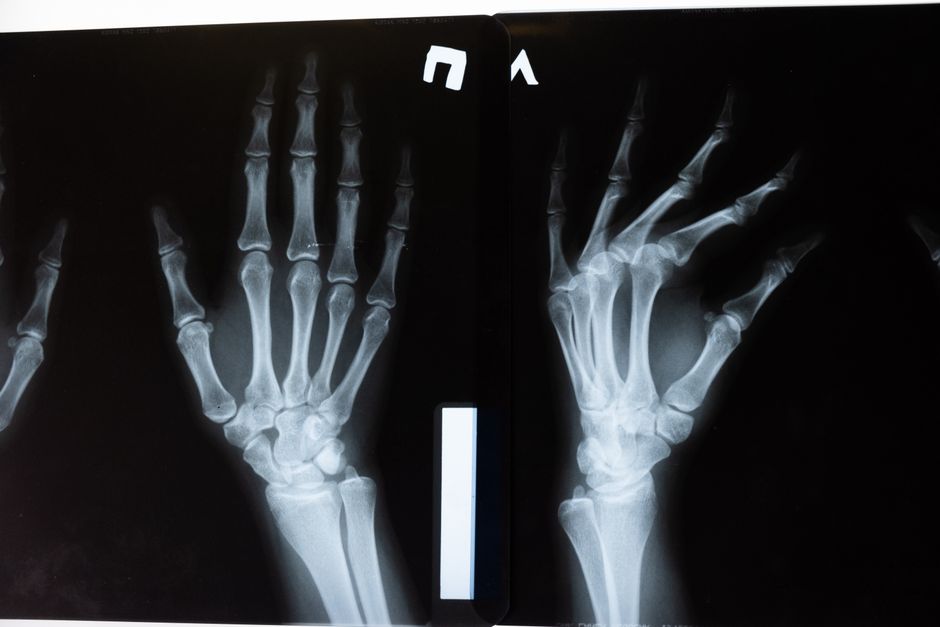
TRT and Bone Density: What Men Over 50 Should Know About Skeletal Health on Testosterone Therapy
If you’re looking at TRT because energy, recovery, or libido stopped behaving like they did at 42, bone is probably not the first thing on your mind. Fair enough. Most men over 50 think about hormone therapy in terms of strength, body composition, and whether they still feel like themselves. But bone is part of…
-

Direct LDL vs. Calculated LDL: Why the Testing Method Matters for Men Over 50
Most men over 50 don’t have a cholesterol problem. They have a measurement problem. The lab report says LDL is “fine,” the doctor glances at the line item, and everyone moves on. Meanwhile triglycerides are creeping up, fasting status is inconsistent, and the number being treated as hard fact is often just math from 1972…