
By your 50s, the supplement aisle starts to look like a tax on skepticism. Every bottle promises better sleep, better recovery, better focus, better aging, better everything. Most of it is branding with a capsule around it. If you’re looking for evidence based supplements for men over 50, the useful question isn’t “what’s popular?” It’s “what has replicated human data in people close to my age, at a dose I can actually take, from a product that isn’t playing label roulette?”
That’s the filter here. Not mouse studies. Not influencer monologues. Not “ancient herb meets modern science” copy written by someone who has never read the methods section. Just the supplements with either replicated randomized controlled trial data in older adults or, at minimum, enough real human evidence to clear a high bar.
The short version is less glamorous than the marketing copy. Magnesium, melatonin, and ashwagandha have decent sleep data in older adults. Creatine, whey protein, HMB, and omega-3s have the strongest recovery data, with an important catch: several of them work best when resistance training is already in the picture. For cognition, the surprise leader isn’t an exotic nootropic. It’s a standard multivitamin, plus a smaller supporting role for creatine and DHA.
How This Guide Grades Evidence Based Supplements for Men Over 50
This guide uses a simple three-tier framework. Tier 1 means multiple replicated randomized controlled trials in adults 50 and older. Tier 2 means a single randomized trial or strong observational data in a clearly relevant population. Tier 3 means the mechanism is plausible, the marketing is loud, and the human evidence is still thin. That last category is where a lot of expensive optimism likes to hide.
There is also a quality bar before any supplement makes the list. A product needs third-party testing from groups like NSF, USP, or Informed Sport to be worth mentioning as a practical option. NCCIH’s 2024 review of supplements and cognitive function makes the broader point nicely: supplements routinely get ahead of the evidence, and label claims aren’t the same thing as verified outcomes. Examine.com’s grading model reaches the same conclusion from another angle. Human data first. Marketing story last.
That framework matters because “works in theory” and “works in a 58-year-old who wants to sleep, train, and still think clearly at 4 p.m.” aren’t the same sentence. This article isn’t trying to crown a miracle pill. It’s trying to separate Tier 1 and Tier 2 options from the supplement industry’s favorite hobby, which is selling confidence in capsule form.
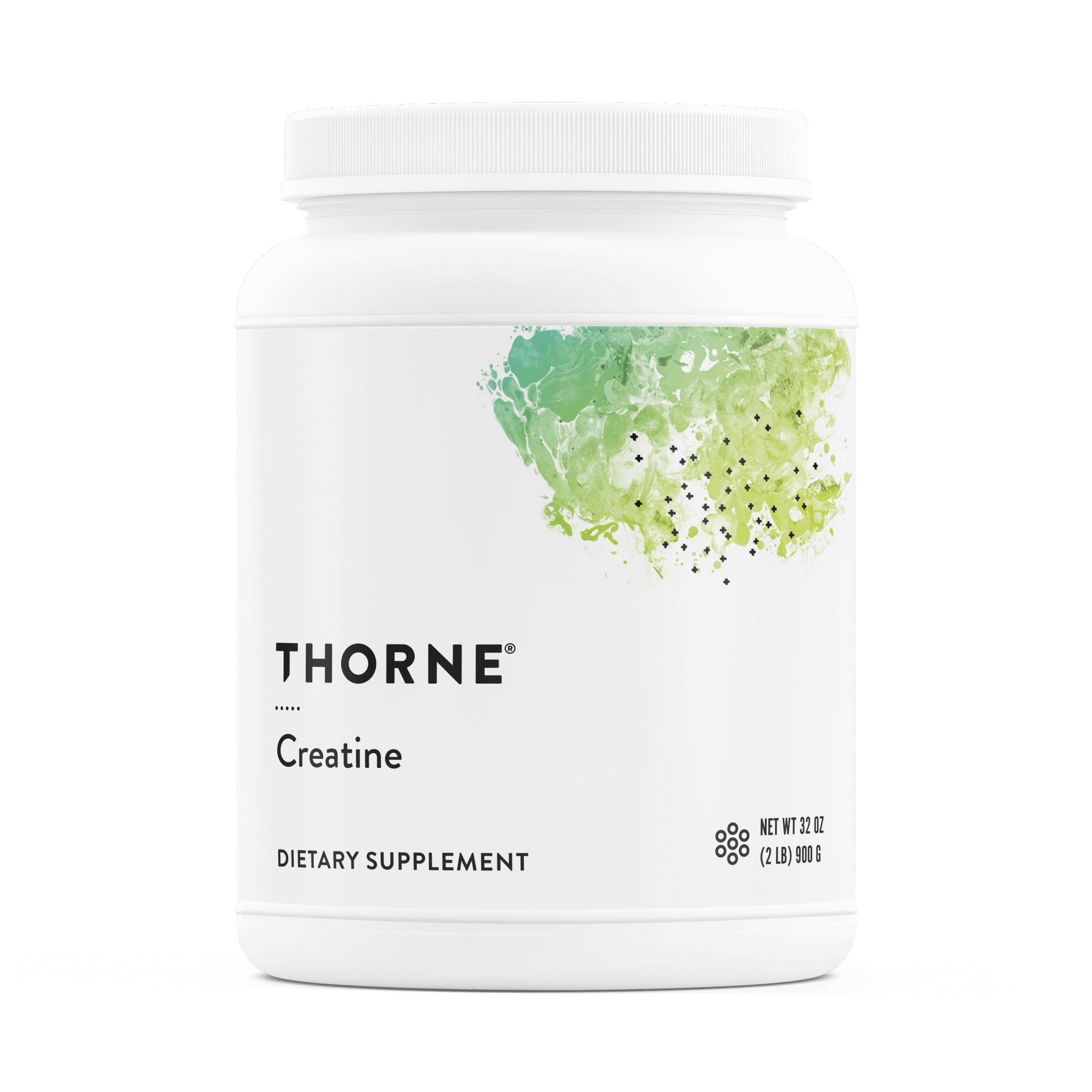
Thorne Creatine Monohydrate
We may earn a commission if you purchase through this link — it doesn't affect the price you pay
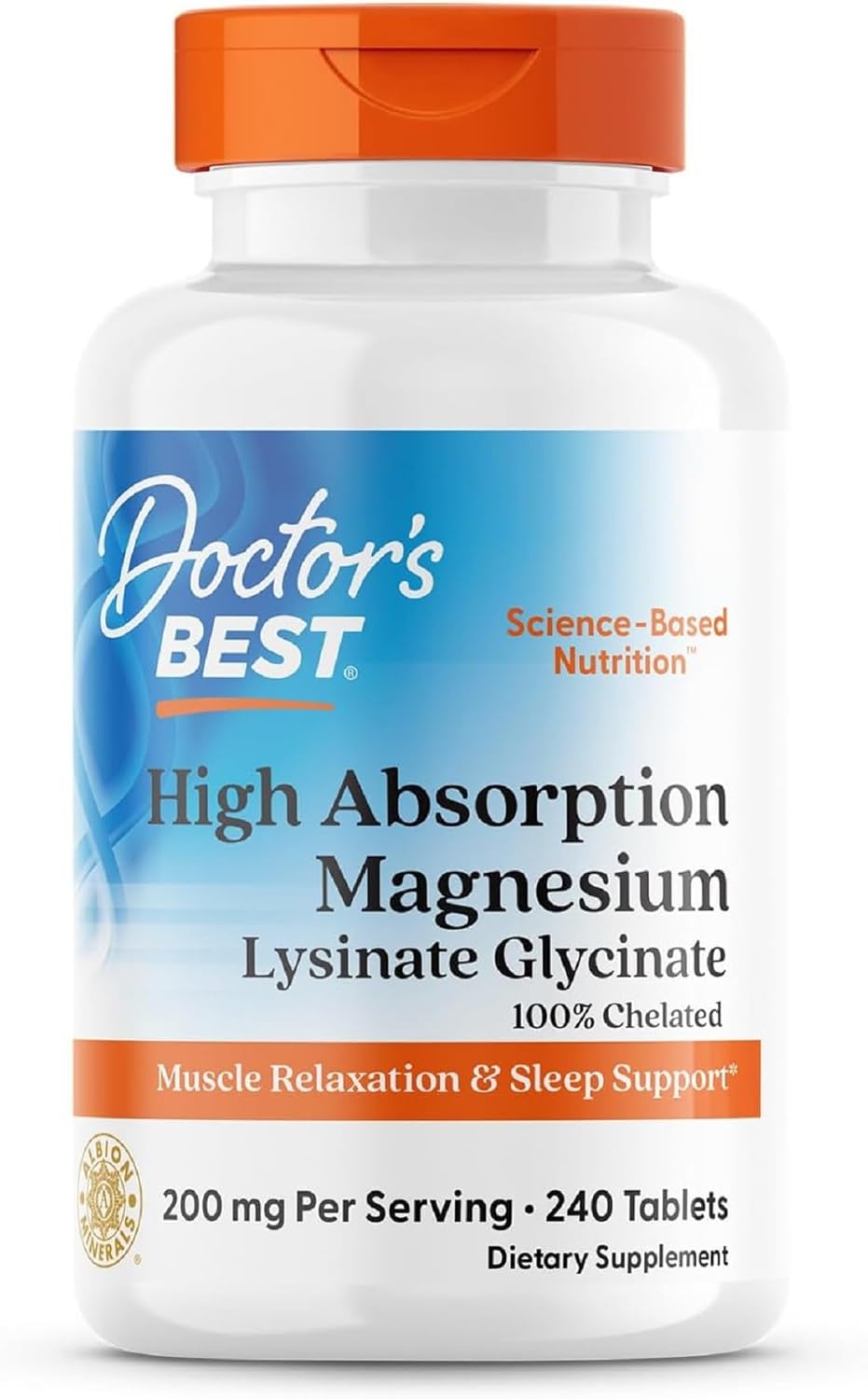
Doctor's Best High Absorption Magnesium Glycinate
Sleep: Supplements With Replicated Human Data for Men Over 50
Sleep is where the data gets useful fastest, mostly because the outcomes are measurable and older adults are studied fairly often. The strongest practical options here are magnesium, melatonin, and ashwagandha, but they do different jobs and they aren’t interchangeable.
Magnesium has the cleanest age-specific insomnia data in this group. In a double-blind placebo-controlled trial published in the Journal of Research in Medical Sciences, 46 elderly adults with primary insomnia took 500 mg of magnesium daily for eight weeks. Compared with placebo, magnesium significantly lowered Insomnia Severity Index scores, improved sleep efficiency, and cut sleep onset latency by more than 17 minutes. That’s not cinematic. It’s useful. If it normally takes you 45 minutes to fall asleep and it starts taking 28, you will notice the difference without needing an aura-reading app to confirm it.
Melatonin works differently. A 2022 Brigham and Women’s Hospital study reported in the Harvard Gazette found that 5 mg of melatonin increased nighttime sleep by more than 15 minutes and increased daytime sleep by roughly 30 minutes in healthy adults age 55 and older. That matters most for men whose sleep timing has drifted earlier, lighter, or both. Melatonin is worth considering when the problem looks like circadian timing or fragmented sleep, not when the real issue is that dinner was at 9:30, two bourbons followed, and the phone stayed on your chest until midnight.
Ashwagandha has more “emerging but credible” energy. In a 2020 double-blind randomized trial in the Journal of Ayurveda and Integrative Medicine, 50 adults ages 60 to 85 took 600 mg per day of ashwagandha root extract for 12 weeks. The treatment group showed statistically significant improvements in sleep quality and mental alertness on waking compared with placebo. That doesn’t make ashwagandha a universal answer. It does make it more serious than the usual adaptogen fog machine.
The practical split looks like this. Magnesium is the best first look if sleep onset and overall sleep efficiency are the problem. Melatonin makes more sense if timing and nighttime duration are off. Ashwagandha is more reasonable when stress is clearly part of the picture and the goal is better sleep plus a steadier morning. Who this isn’t for: men with kidney disease shouldn’t freeload off generic magnesium advice without talking to a clinician first; men on sedating medications should be careful with melatonin layering; men with thyroid issues or medication interactions shouldn’t treat ashwagandha like a harmless bedtime tea just because it’s sold next to vitamins.
Recovery: Muscle Maintenance and Repair Supplements Backed by RCTs
Recovery is where supplement marketing tends to get loud right as the biology gets less forgiving. By your 50s, muscle protein synthesis responds less dramatically to the same stimulus that worked at 35. That doesn’t mean you’re stuck. It means the margin for lazy nutrition gets smaller.
Whey protein matters because leucine matters. Tufts University summarized the core point in 2026: older adults generally need about 2.5 to 3 grams of leucine per meal to properly stimulate muscle protein synthesis. Whey is efficient because it gets you there faster than most protein sources. But Tufts also highlighted something useful and mildly annoying for supplement companies: adding whey by itself did not magically create more muscle in older adults. The real win comes when whey is paired with resistance training and enough total protein intake. In practice, 20 to 30 grams post-exercise is a reasonable evidence-aligned dose, especially if your normal lunch looks like coffee and misplaced confidence.
Creatine is closer to Tier 1 for recovery than almost anything else in the aisle. Northeastern University’s 2025 review, reflecting the broader literature and American College of Sports Medicine support, noted that 5 grams per day of creatine monohydrate alongside resistance training for at least 12 weeks improves muscle mass, strength, and functional capacity in older adults. The key phrase there is “alongside resistance training.” Creatine helps your training produce more return. It isn’t a substitute for the training itself. The body still insists on being consulted.
HMB deserves more attention than it gets, especially for men who are training inconsistently, coming back from a layoff, or trying to hold onto lean mass while recovery is getting slower. A 2025 meta-analysis in Frontiers in Nutrition pooled 21 randomized controlled trials and 1,935 participants over age 50. At 3 grams per day for more than 12 weeks, HMB improved lean mass by 0.28 kg, handgrip strength by 0.54 kg, gait speed, and chair-stand performance. Those aren’t superhero numbers. They are better than zero, and zero is where most supplement claims should be buried.
Omega-3s are often framed as a general wellness add-on, which undersells the actual recovery case. In a 2011 randomized controlled trial in The American Journal of Clinical Nutrition, Smith and colleagues found that 3.36 grams per day of combined EPA and DHA increased muscle protein synthesis in older adults. That doesn’t mean fish oil replaces protein or creatine. It means omega-3s may improve the environment in which recovery happens, particularly when inflammation and muscle maintenance are both part of the problem.
The useful hierarchy is straightforward. If recovery means preserving muscle and strength, start with the basics that actually move the numbers: adequate protein, then creatine, then HMB or omega-3s depending on the goal. Whey is most useful when your total protein intake is lagging or your meals are inconsistent. Creatine is the cleanest all-around pick for men who are lifting. HMB is more compelling when muscle retention and function are the issue. Omega-3s are the best complement when inflammation, joint wear, or general recovery drag is part of the picture.
Who this isn’t for matters here too. Men with significant kidney disease shouldn’t jump into high-protein or creatine routines without medical clearance. Fish oil deserves extra caution if you’re on blood thinners. HMB isn’t magic for someone who is fully sedentary. And if resistance training is absent, several of these supplements start looking less like a plan and more like an expensive permission slip.
Cognition: Three Supplements With the Strongest Data for Preserving Mental Edge
Cognition is where the market usually loses the plot. The shelves are full of expensive blends with names that sound like rejected fighter jets. The evidence, meanwhile, keeps pointing back to simpler options.
The strongest surprise is a standard multivitamin-mineral supplement. In 2024, The American Journal of Clinical Nutrition published a meta-analysis drawn from more than 5,000 participants across three COSMOS trial substudies. Daily multivitamin use slowed global cognitive aging by about two years, with benefits seen across global cognition, episodic memory, and executive function. Mass General Brigham noted that the effect was especially pronounced in participants with cardiovascular comorbidity. That’s not the sexiest result in the world. It’s exactly the kind of result serious readers should care about: inexpensive, scalable, and coming from a large trial base instead of a glossy promise.
Creatine shows up here again, which is one reason it keeps surviving scrutiny. The cognitive story isn’t as strong as the muscle story, but the signal is real enough to matter. Examine.com’s research summaries, drawing on trials and meta-analyses, report that 5 grams per day of creatine monohydrate can improve working memory and processing speed in older adults, especially during periods of metabolic stress, sleep restriction, or heavy cognitive demand. In plain English: if your weeks routinely combine poor sleep, hard training, and high-stakes meetings, creatine may be doing more than helping the gym sessions.
DHA-rich omega-3 intake also has a credible cognition case, although the evidence is more gradual than dramatic. NCCIH’s 2024 review concluded that EPA and DHA supplementation is associated with a slower rate of cognitive decline in older adults, particularly when baseline intake is low or vascular risk is higher. This isn’t a “feel it by Thursday” supplement. It’s more like long-horizon risk management, which isn’t thrilling copy but is usually how actual aging works.
The main reframe here is simple: the best-supported cognition supplements are boring on purpose. A multivitamin, creatine, and omega-3s don’t make for great influencer content because there is no mystique to perform. That’s partly why they deserve more trust than the powdered nootropic confetti sold at four times the price.
Who this isn’t for: men with iron overload concerns should check the label on a multivitamin rather than buying on autopilot; men with kidney disease should be cautious with creatine; men on anticoagulants should review omega-3 dosing with a clinician. None of those caveats make the evidence disappear. They just keep the recommendation attached to reality, where it belongs.
Building Your Evidence-Based Supplement Protocol: Dosing, Timing, and Quality Checks
If the goal is a practical protocol rather than a shopping spree, the evidence points to a small stack with clear jobs. Morning is the easiest anchor point for the cognition pieces: take a standard multivitamin with breakfast, then take 1 to 3 grams of combined EPA and DHA with food. If you’re training, add 5 grams of creatine monohydrate daily. Timing matters less than consistency, so choose the slot you’ll actually repeat.
For recovery, use whey protein when food intake is the weak link rather than out of habit. A 20 to 30 gram serving after training is reasonable if the rest of the day isn’t already protein-secure. Use HMB at 3 grams per day when the goal is preserving lean mass or improving function over a period longer than 12 weeks. The men most likely to care about HMB are the ones coming back from inconsistency, travel, or that familiar stage of life where the calendar starts beating up the training plan.
For sleep, the evidence-based sequence is conservative for a reason. Start with 200 to 400 mg of magnesium glycinate 30 to 60 minutes before bed. If sleep timing or nighttime duration is still off, consider melatonin in the 0.3 to 5 mg range and start at the low end rather than charging in at the top dose because the bottle said “maximum strength.” If stress is the clear driver and you want a broader effect on sleep quality, 600 mg of ashwagandha root extract is the dose used in the 2020 Journal of Ayurveda and Integrative Medicine trial. That’s the entire point of reading the trials instead of the label copy. The dose is usually more boring and more defensible than the marketing.
Quality control isn’t optional. Only buy from brands that carry NSF certification, USP verification, or Informed Sport testing. Without that, you are mostly trusting a label designed by a marketing department and printed by someone you will never meet. For this audience, that should be an insult.
There is also a short “not for everyone” list that matters more than the enthusiasm. Talk to a physician before adding new supplements if you take blood thinners, diabetes medication, or blood pressure medication. Creatine, whey, and higher-protein routines deserve added caution in kidney disease. Omega-3s deserve added caution with bleeding risk. Melatonin can make the wrong sleep schedule feel tidier without fixing the underlying behavior. And if you are already taking six things and can’t say what each one is for, the stack probably owns you now, not the other way around.
Frequently Asked Questions
Are there any supplements I should avoid based on the current evidence?
Yes. Avoid anything that makes large claims without randomized human data in older adults, and be especially skeptical of proprietary “brain” or “testosterone” blends that hide ingredient doses. For this article’s standard, a plausible mechanism isn’t enough. If the human evidence is thin, it belongs in the maybe-later pile, not the daily protocol.
How do I know if a supplement brand actually has independent third-party testing?
Look for NSF, USP, or Informed Sport certification on the product and then verify it in the certifier’s directory. The logo on the bottle isn’t the final step. Verification on the certifier’s site is.
Do I need to take all of these supplements, or can I pick based on my specific goal?
Pick based on the problem. If sleep is the issue, start with magnesium and then decide whether melatonin or ashwagandha fits the pattern better. If recovery and muscle maintenance are the issue, creatine and adequate protein matter more than anything else here. If cognition is the priority, the best-supported starting point is a multivitamin plus DHA, not a twelve-ingredient nootropic blend.
How long before I should expect to notice results from a supplement for cognition or recovery?
Sleep changes can show up within days to a few weeks, depending on the supplement and the problem. Creatine and HMB usually need weeks, not weekends, because the outcomes involve training adaptation and tissue maintenance. The cognition case for multivitamins and omega-3s is longer-horizon by nature. Think months, not a dramatic Tuesday.
Can I take these supplements together, or are there interactions I need to know about?
Many of them can be combined, but that doesn’t make them interaction-free. Omega-3s matter if you use blood thinners. Magnesium can affect absorption of some medications. Ashwagandha can be a problem with thyroid issues or certain sedatives. If you take prescription medication or have a chronic condition, run the full list by a clinician before turning a clean protocol into a chemistry experiment.
The Bottom Line
The best evidence based supplements for men over 50 aren’t the most aggressively marketed ones. They are the boring, studied options that keep showing up in older-adult data: magnesium, melatonin, and ashwagandha for sleep; creatine, whey, HMB, and omega-3s for recovery; and a standard multivitamin, creatine, and DHA for cognition. If a product can’t clear the twin tests of human evidence and third-party verification, it doesn’t deserve a permanent place in the cabinet.
Sources
- Sleep Foundation. “Magnesium for Sleep.” 2024.
- Journal of Research in Medical Sciences / PMC. “Effect of Magnesium Supplementation on Primary Insomnia in Elderly: A Double-Blind Placebo-Controlled Clinical Trial.” 2021.
- Harvard Gazette. “Researchers find sleep benefit in higher dose of melatonin.” May 2022.
- Journal of Ayurveda and Integrative Medicine. “Efficacy and Tolerability of Ashwagandha Root Extract in the Elderly for Improvement of General Well-being and Sleep.” 2020.
- Frontiers in Nutrition. “Effects of oral supplementation of HMB on muscle mass and strength in individuals over the age of 50: a meta-analysis.” April 2025.
- Mass General Brigham. “Third Major Study Finds Evidence that Daily Multivitamin Supplements Improve Memory and Slow Cognitive Aging in Older Adults.” January 2024.
- The American Journal of Clinical Nutrition. “Effect of multivitamin-mineral supplementation on cognitive function in older adults: meta-analysis from COSMOS.” January 2024.
- Northeastern University. “Is creatine safe and effective for older adults?” March 2025.
- The American Journal of Clinical Nutrition. “Dietary omega-3 fatty acid supplementation increases the rate of muscle protein synthesis in older adults: a randomized controlled trial.” 2011.
- NCCIH. “Dietary Supplements and Cognitive Function, Dementia, and Alzheimer’s Disease.” 2024.
- Tufts University. “Older adults adding whey protein doesn’t make more muscle.” May 2026.
Continue reading: Read the pillar — Supplements & Nutrition
This article is for informational purposes only and is not financial advice. Consult a qualified professional for personalized guidance.
Leave a Reply