
If your knees complain after a run, your shoulders take two days to forgive a heavy press, and your recovery is not what it was at 35, that’s not your imagination. Men over 45 deal with two problems at once: connective tissue gets less forgiving, and muscle protein synthesis gets less responsive to a standard protein shake. The result is familiar: more soreness, more creaky joints, and a growing suspicion that one supplement is supposed to fix all of it.
It doesn’t.
Collagen vs whey protein for joint health in men over 45 is the wrong fight if you’re treating them like interchangeable tubs of powder. They’re built for different jobs. A 2016 systematic review in the American Journal of Physiology-Endocrinology and Metabolism found that the muscle protein synthetic response to exercise and amino acid intake diminishes with age. Harvard T.H. Chan School of Public Health also notes that the basic RDA of 0.8 g/kg/day is a minimum, not an ideal target for active aging adults. That’s why the better question is not “which is better overall?” It’s which problem you’re actually trying to solve.
For sore joints, tendons, and cartilage, collagen has the better evidence. For muscle repair, strength, and preserving lean mass, whey is still the standard. For a lot of active men over 45, the sensible answer is both, used on purpose instead of wishful thinking.
Collagen vs Whey Protein for Joint Health in Men Over 45: The Short Answer
If the main issue is joint pain, collagen is the better fit. If the main issue is lifting performance, muscle retention, or post-workout recovery, whey wins. That’s because collagen peptides are rich in glycine, proline, and hydroxyproline, which show up heavily in connective tissue, while whey is rich in leucine and the essential amino acids that trigger muscle protein synthesis.
That difference matters more after 45 because anabolic resistance gets in the way. The 2017 Amino Acids review on dietary proteins and aging made the case clearly: leucine-rich proteins such as whey remain especially useful when the goal is maintaining muscle mass in older adults. Collagen cannot do that job well because it is not a complete protein and is low in leucine.
On the other hand, whey does not bring much to cartilage, tendons, or ligaments. That’s where collagen starts to look less like marketing and more like a tool with a specific use case.
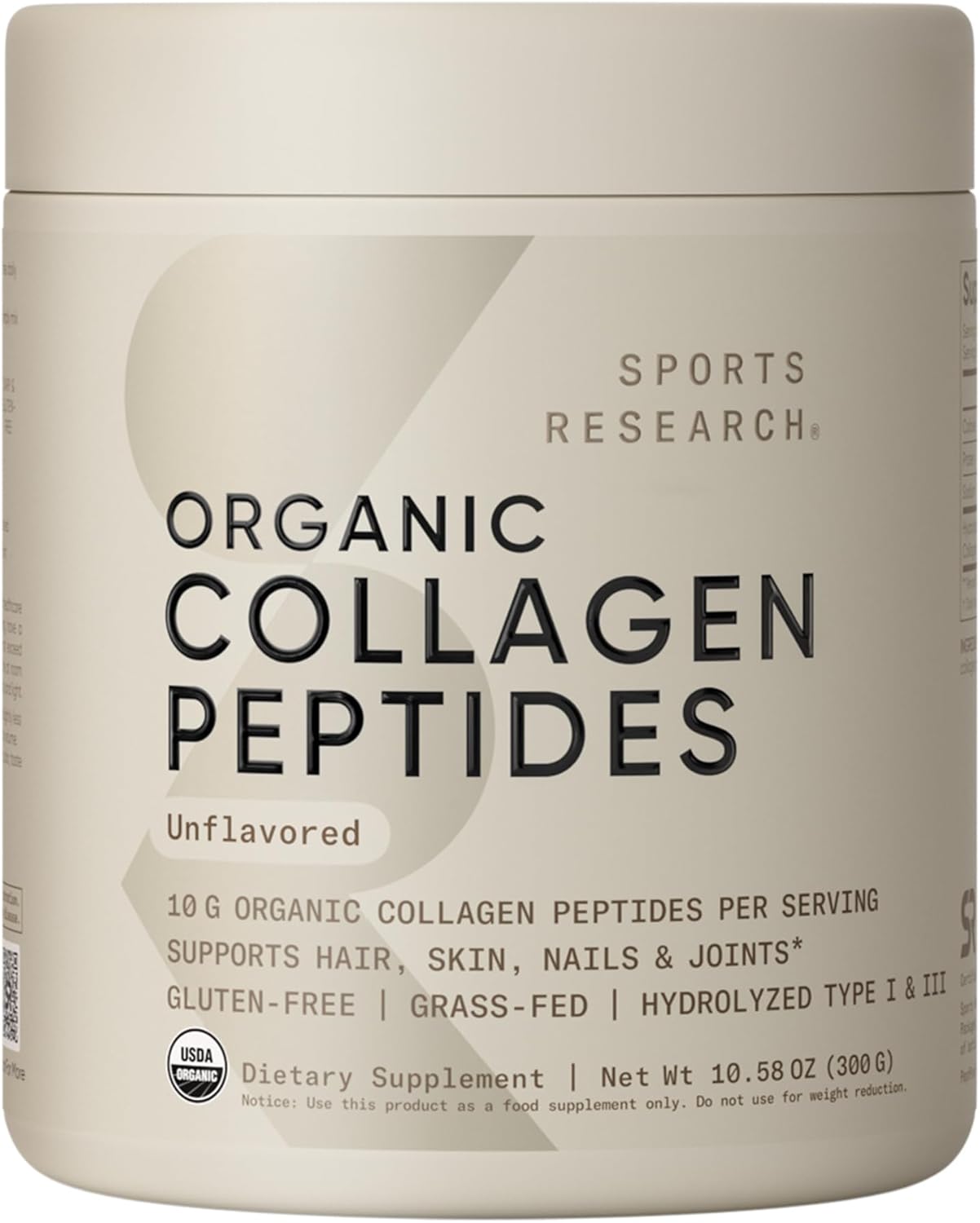
Sports Research Collagen Peptides (unflavored, Type I & III)
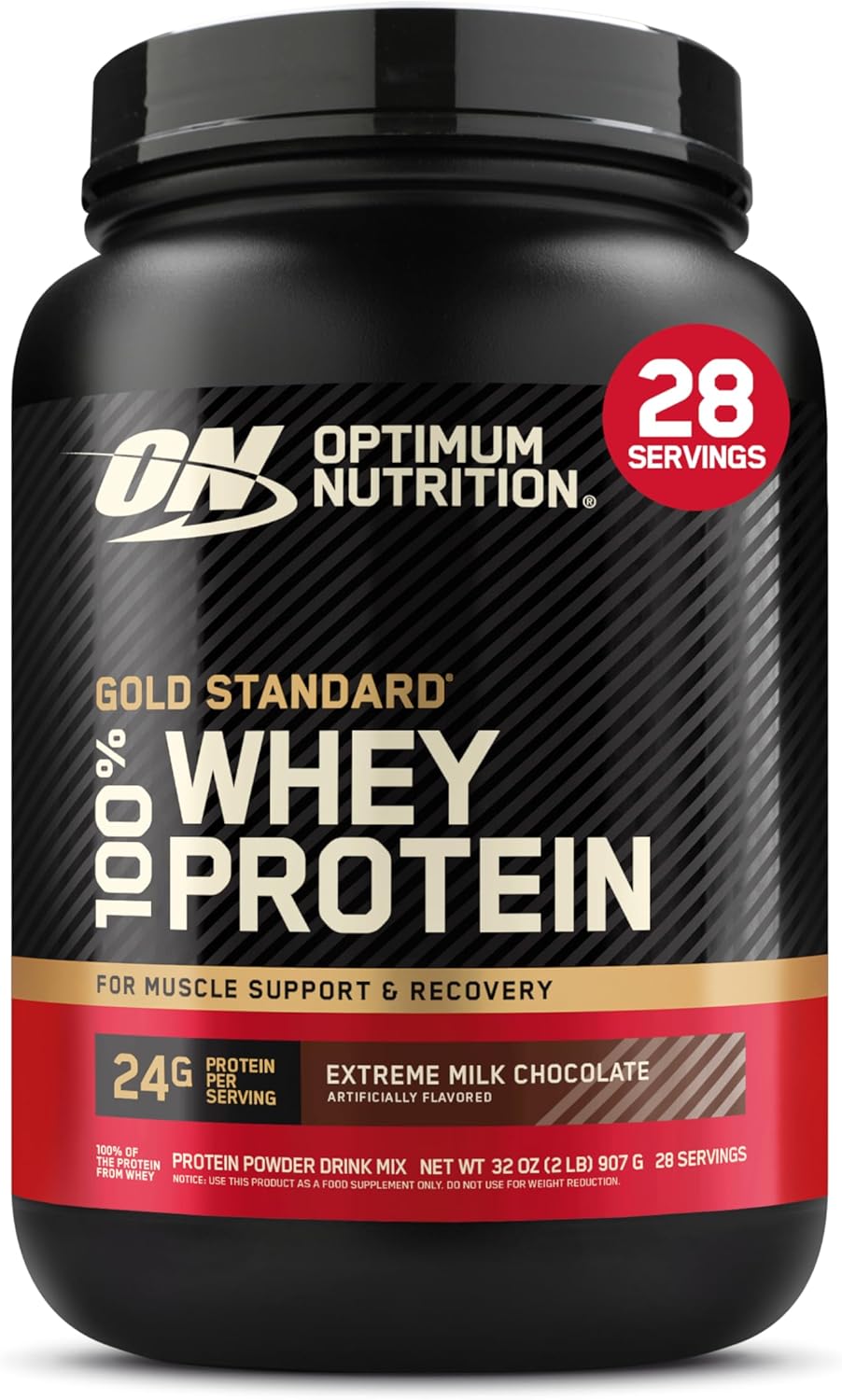
Optimum Nutrition Gold Standard 100% Whey
This article contains affiliate links. We may earn a commission at no extra cost to you.
Why Protein Needs Change After 45
The standard advice to “just get enough protein” gets sloppy fast once you hit midlife. Older muscle does not respond to protein the way younger muscle does. The 2016 review in the American Journal of Physiology-Endocrinology and Metabolism found that aging blunts the muscle protein synthesis response to both exercise and amino acid feeding. In plain English: the same scoop that worked at 30 may not do much at 50.
That is why evidence often points active older adults toward roughly 1.4 to 1.6 g of protein per kilogram of body weight per day, not the bare-minimum RDA. Harvard’s Nutrition Source makes the same broader point: 0.8 g/kg/day is a floor meant to avoid deficiency, not a performance target.
This matters for two reasons. First, if you’re under-eating total protein, arguing about collagen versus whey is like debating tires on a car with no fuel. Second, once your total intake is decent, protein type starts to matter because your joints and your muscles are asking for different raw materials.
A 52-year-old who still trains three times a week usually needs both: enough leucine-rich protein to keep muscle on the frame, and enough connective-tissue support to keep training from feeling like a negotiation with his knees.
What Collagen Peptides Actually Do for Joints and Connective Tissue
Collagen is not magic. It is also not nonsense.
The strongest case for collagen is joint comfort and connective tissue support, not muscle growth. A 2021 systematic review in Amino Acids by Khatri and colleagues found that collagen peptide supplementation improved collagen synthesis, body composition markers, and recovery from joint injury and exercise. That does not mean every scoop rebuilds your meniscus overnight. It means the human evidence is consistent enough to take seriously.
The older landmark study here is the 24-week randomized trial published in Current Medical Research and Opinion in 2008. Clark and colleagues reported that collagen hydrolysate reduced activity-related joint pain in athletes. More recent trials push the signal in the same direction. A 2025 double-blind randomized trial in Frontiers in Nutrition found that low-molecular-weight collagen peptides improved symptoms in people with knee osteoarthritis. Another 2025 study in BMC Musculoskeletal Disorders found that a combination of type I, type III, and type II hydrolyzed collagen improved pain and physical function in patients with meniscopathy.
That is the useful frame: collagen seems most helpful when the problem is structural tissue under load. Sore knees. Annoyed tendons. A shoulder that keeps reminding you about that overhead session from Tuesday.
It is not a complete protein. It should not be your main protein source. But if joint pain is the thing limiting your training, collagen has a better evidence base than most of the supplement aisle, which is a low bar but still worth noting.
What Whey Protein Does for Muscle Recovery and Synthesis
Whey earns its reputation the boring way: by repeatedly working.
Its edge comes from leucine and its full essential amino acid profile. Leucine is the amino acid most closely tied to triggering muscle protein synthesis, which matters more as that response gets weaker with age. The 2017 Amino Acids review concluded that leucine-rich proteins are especially important for preserving muscle mass during aging and periods of reduced activity.
That is the mechanism. The outcome data supports it too. A 2026 network meta-analysis in Translational Sports Medicine ranked whey among the most effective dietary supplements for improving fat-free mass and strength gains during resistance training. If your goal is to recover faster from lifting, maintain muscle while dieting, or stop the slow slide toward “same body weight, less muscle,” whey is the more rational pick.
This is also why whey is not really competing with collagen. Whey helps you keep contractile tissue. Collagen helps support connective tissue. One helps you build the engine. The other helps the suspension stop rattling.
For men over 45 who still want to train hard, ignoring the muscle side of the equation is a mistake. Joint comfort matters, but so does maintaining enough lean mass to support metabolism, insulin sensitivity, and basic durability.
The Key Difference: Their Amino Acid Profiles Are Not Interchangeable
This is the part supplement marketing loves to blur.
Collagen is rich in glycine, proline, and hydroxyproline. Those amino acids are heavily involved in the structure of cartilage, tendons, ligaments, skin, and other connective tissues. That is why collagen keeps showing up in studies focused on joint symptoms and tissue support.
Whey is rich in leucine and provides all essential amino acids in meaningful amounts. That is why it keeps outperforming other proteins for muscle protein synthesis.
The 2021 Amino Acids systematic review on collagen supplementation and the 2017 Amino Acids review on muscle protein synthesis in aging point to the same practical conclusion: collagen and whey serve different biological roles. They are complementary. They are not substitutes.
That means a man buying collagen because he wants bigger lifts is probably wasting money. A man buying whey because his knees hurt after every basketball game is solving the wrong problem. The label may say “protein” on both tubs. Biology is less sentimental.
How to Stack Them: Timing and Dosage for Men Over 45
If you care about both joint health and muscle recovery, the stack is straightforward.
For collagen, the practical range in the literature is usually 10 to 15 grams daily. Taking it 30 to 60 minutes before exercise is a reasonable move because exercise increases blood flow to connective tissue, and that may help direct those building blocks where they are needed. The 2021 Amino Acids review supports collagen’s role in exercise recovery and tissue support, and a 2025 pilot trial in Scientific Reports found cartilage-supporting nutritional supplementation improved knee osteoarthritis symptoms and quality of life over 12 weeks.
For whey, 20 to 40 grams after training is the common useful range, depending on body size and the rest of your day’s protein intake. The key is getting enough leucine-rich protein around training and across the day so muscle protein synthesis has a reason to show up.
For general use, collagen is flexible. Mix it into coffee, water, or a smoothie if that helps compliance. Whey is most useful when placed where it solves a real problem: after training, in a rushed morning, or when your meals are coming up short.
Who should not blindly stack them? Men with chronic kidney disease should talk to their clinician before aggressively increasing protein intake. Men with dairy intolerance often do better with whey isolate than concentrate. And if your joint pain is swelling, locking, or getting worse fast, a supplement is not a substitute for getting the joint properly evaluated.
How to Choose: A Decision Framework for Men Over 45
Here’s the clean version.
Choose collagen first if your limiting factor is joint pain, tendon irritation, or the sense that recovery in your knees, shoulders, or elbows is getting slower even when your training volume is sensible. The clinical signal from Current Medical Research and Opinion, Frontiers in Nutrition, and BMC Musculoskeletal Disorders all points in that direction.
Choose whey first if your limiting factor is muscle maintenance, post-workout recovery, or hitting a daily protein target without eating chicken breast like it’s a second job. The mechanistic case and the outcome data from Amino Acids and Translational Sports Medicine are stronger here.
Choose both if you’re the more common case: active, a little beat up, and trying to stay strong without feeling old every Monday morning. In that setup, collagen before training and whey after training makes sense because each one is solving a different bottleneck.
When buying, third-party testing matters more than clever copy. Brands that routinely emphasize verification programs such as NSF Certified for Sport or Informed Sport are a better bet than whatever jar has the most aggressive promises on the label. For whey, isolate is usually the safer choice if lactose bothers you. For collagen, consistency and dose matter more than chasing exotic branding.
And no, you do not need to turn this into a 14-product longevity shrine. Two products, used for two different reasons, is enough.
If you want to round out the bigger recovery picture, creatine belongs in the conversation too. The evidence base is much deeper than most men realize, and this guide breaks it down well: https://durableresilience.com/the-science-backed-creatine-guide-for-men-over-45-dosage-benefits-and-brands/
If your interest in recovery has started bleeding into broader supplement comparisons, the same skepticism should apply there as well. This breakdown of NMN, NR, and Urolithin A is a useful example of how to separate mechanism hype from actual evidence: https://durableresilience.com/nmn-vs-nr-vs-urolithin-a-which-longevity-supplement-has-real-evidence/
And if you are looking at muscle recovery because low energy and poor training response have you wondering about hormones, it is worth getting clear on what does and does not have decent evidence before buying anything. This overview is a good place to start: https://durableresilience.com/best-testosterone-supplements-in-2026-ranked-by-research/
Frequently Asked Questions
Is collagen a complete protein like whey?
No. Collagen is not a complete protein and is low in leucine, which is one reason it is poor at driving muscle protein synthesis compared with whey. If your goal is muscle retention or growth, collagen should not replace a complete protein source.
How long does it take for collagen peptides to work on joint pain?
Usually not overnight. The 2008 Current Medical Research and Opinion trial ran 24 weeks, and newer osteoarthritis studies also measure outcomes across weeks to months. If collagen helps, it tends to look like gradual improvement in pain or function, not a dramatic week-one change.
Can I take collagen and whey protein at the same time?
Yes. There is no meaningful reason you cannot take both on the same day. Most men over 45 who use both simply separate them by purpose: collagen around training or at any convenient time for joint support, whey after training or when daily protein intake is falling short.
Does whey protein help with joint pain or just muscle recovery?
Mostly muscle recovery, muscle maintenance, and strength support. Whey can help overall recovery from training, but it does not have the same direct evidence base for joint pain and connective tissue support that collagen does.
Are there any risks to taking collagen peptides daily?
For most healthy adults, collagen is well tolerated. The bigger issue is not danger but misplaced expectations. If you use collagen instead of getting enough total protein, enough resistance training, or a proper medical workup for significant joint symptoms, you’re asking a supplement to do a job it cannot do.
The practical answer is simple. Collagen is the better tool for joints. Whey is the better tool for muscle. Men over 45 usually feel better when they stop forcing one powder to do both jobs.
Use the supplement that matches the bottleneck. If the bottleneck is both, stack them and move on.
Sources – American Journal of Physiology-Endocrinology and Metabolism (2016): https://pubmed.ncbi.nlm.nih.gov/27555299/ – Harvard T.H. Chan School of Public Health, Protein — How Much Do You Need? (2024): https://www.hsph.harvard.edu/nutritionsource/what-should-you-eat/protein/ – Amino Acids (2021), Khatri et al.: https://pubmed.ncbi.nlm.nih.gov/34491424/ – Current Medical Research and Opinion (2008), Clark et al.: https://pubmed.ncbi.nlm.nih.gov/18416885/ – Frontiers in Nutrition (2025): https://pubmed.ncbi.nlm.nih.gov/40977985/ – BMC Musculoskeletal Disorders (2025): https://pubmed.ncbi.nlm.nih.gov/39755603/ – Amino Acids (2017): https://pubmed.ncbi.nlm.nih.gov/28175999/ – Translational Sports Medicine (2026): https://pubmed.ncbi.nlm.nih.gov/41635649/ – Scientific Reports (2025): https://pubmed.ncbi.nlm.nih.gov/40664872/
Continue reading: Read the pillar — Supplements & Nutrition
This article is for informational purposes only and is not financial advice. Consult a qualified professional for personalized guidance.
Leave a Reply