
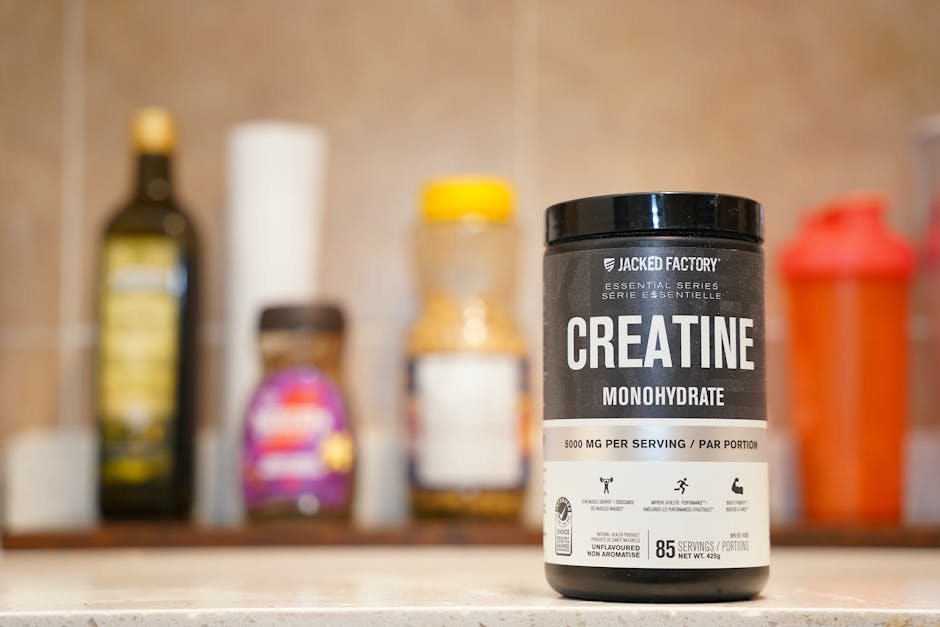
If you trained hard in your 30s and 40s, the shift usually shows up before you want it to. Recovery drags. Strength gets a little harder to hold. The edge that used to feel automatic starts requiring more maintenance. That is the part the supplement aisle loves to exploit.
Creatine is one of the few supplements that deserves a calmer look. The evidence suggests it can help men over 45 maintain muscle and strength, and the case is broader than gym performance alone. There is also a credible argument for cognitive support, especially in periods of stress, heavy workload, or poor sleep.
The straight take is this: creatine monohydrate is usually the form worth considering, 3 to 5 grams per day is the standard maintenance range for most older adults, and quality matters more than marketing. The rest is mostly label theater.
Understanding Creatine for Men Over 45
Creatine has a strange reputation problem. It gets lumped in with sports-supplement hype, even though it is one of the better-studied options on the shelf. For men over 45, that matters, because the real question is not whether something sounds cutting-edge. The question is whether it is safe, practical, and supported by enough evidence to justify adding one more thing to the routine.
One reason creatine keeps surviving scrutiny is that creatine monohydrate has held FDA GRAS status since 2020. GRAS means “Generally Recognized as Safe.” That is not the same as a universal green light for every person in every context, but it does tell you this is not fringe territory.
That distinction matters because older readers usually have a higher bar for supplements, and they should. By midlife, the decision is not just about performance. It is about whether a supplement fits into a broader strategy for staying strong, staying sharp, and avoiding dumb risk. Creatine clears the first screen better than most products marketed for healthy aging.
It also helps to understand what creatine is and is not. It is not a stimulant. It is not a hormone. It is not a miracle fat-loss compound in disguise. The simplest reframe is this: creatine is more like backup fuel for high-demand systems than a magic shortcut. That makes it less exciting to marketers and more useful to adults who care about what actually holds up.
For a 55-year-old executive who values his time, that is the real appeal. This is not about chasing a beach-body outcome or copying a 25-year-old fitness influencer’s supplement stack. It is about preserving capacity. That includes training output, recovery, and possibly mental sharpness when work and sleep are not cooperating.
Science-Backed Benefits of Creatine for Aging Men
The strongest case for creatine in older men is still muscle. The evidence suggests creatine consistently improves muscle mass and strength when combined with resistance training, which is exactly where many men over 45 need help. Age-related muscle loss, or sarcopenia, is not a cosmetic issue. It is a durability issue.
When strength starts slipping, everything gets more expensive. Training feels harder to recover from. Joint irritation becomes more limiting. Metabolism tends to get less forgiving. Even small losses in lean mass can show up as lower output in the gym and lower resilience outside it.
Creatine appears to help by supporting the kind of short-burst energy your muscles use during resistance work. In practical terms, that can mean a little more training volume, a little better quality in hard efforts, and a better chance of preserving or building lean mass over time. None of that is glamorous. It is just useful.
That is also why creatine is not very interesting without training. The evidence is strongest when resistance exercise is already part of the picture. If the goal is to counter age-related decline, creatine works best as support for a good program, not as a replacement for one. Supplement-first thinking is usually where people get sold a fantasy.
There is another advantage here for men who have already trained for years. Midlife often comes with a narrowing recovery margin. You may still know how to train, but the body stops forgiving sloppy programming, inconsistent sleep, or too many work trips. Creatine is not a fix for that, but it can be one of the simpler ways to support the work you are already doing.
Who is this not for? It is not the right conversation for someone looking to avoid resistance training entirely and get a muscle-preserving result from powder alone. It is also not the place to freelance around known kidney disease or complex medical issues without talking to a provider first. Calm supplementation beats cowboy supplementation.
Beyond Muscle: Cognitive and Metabolic Advantages
The more interesting shift in the creatine conversation is that it has moved beyond the weight room. Emerging evidence suggests creatine may support brain function, with reported benefits in areas like working memory, decision-making, and reaction time. Some sources also point to possible neuroprotective effects, particularly when the brain is under strain.
That strain matters more than people admit. Men over 45 are often managing exactly the conditions that make cognition feel less stable: poor sleep, high workload, frequent travel, inconsistent recovery, and the low-grade stress that comes with being responsible for too much at once. When the article title says resilience, this is the part that earns the word.
The evidence here should be described carefully. This is not a claim that creatine turns you into a sharper investor, better operator, or younger version of yourself. The mechanism is plausible and the human data is promising, but it is smarter to think in terms of support rather than transformation.
Still, support is not trivial. If creatine helps sustain working memory or reaction time during stressful periods, that is relevant for readers who care as much about mental edge as they do about squat numbers. A supplement does not need to be dramatic to be useful. It needs to survive contact with real life.
There is also a metabolic angle that helps explain why creatine keeps showing up in healthy-aging conversations. Muscle is metabolically expensive in the best possible way. The more effectively a person can maintain lean mass and train consistently, the better the odds of protecting broader physical function over time. Creatine is not the whole answer, but it may help reinforce one of the systems that matters most.
This is where the supplement world’s favorite bad habit shows up: taking a plausible benefit and turning it into a total-life promise. That is nonsense. Creatine may support physical and cognitive performance. It does not replace sleep, training, protein intake, or a sane workload. It is a brick, not the whole building.
Optimal Creatine Dosage and Timing for Men Over 45
For most men over 45, the most defensible starting point is also the least dramatic one: 3 to 5 grams of creatine monohydrate per day. The evidence suggests that consistent daily maintenance dose is generally recommended and effective for most older adults, including on rest days.
That last part gets missed. Creatine is not a pre-workout trick. It is a saturation strategy. The goal is steady intake over time, not a heroic scoop before leg day. Taking it daily matters more than obsessing over the exact minute.
This is one of those cases where a boring habit usually beats a clever protocol. Put it in water. Put it in a smoothie. Take it with breakfast if that makes compliance easier. Take it after training if that helps you remember. Timing is secondary to consistency.
A loading phase is optional, not mandatory. Some people use one to saturate muscle stores faster, but the brief evidence base here does not require that approach for older adults to benefit. For a reader who wants the cleanest, easiest path, starting directly with a daily maintenance dose is usually the simpler move.
The other reason simplicity matters is adherence. Supplements fail in real life for the same reason training plans do: friction. If a plan requires too much mental bandwidth, it dies in week three. A single daily dose of 3 to 5 grams is hard to mess up.
There are a few sensible cautions. If you have kidney concerns, other health issues, or take multiple medications, this is the point to bring your provider into the conversation. That is not hand-wringing. It is the adult version of supplement use. The goal is not to act scared; it is to avoid acting careless.
Who is this not for? Anyone looking for a reason to keep escalating dosage because more sounds better. The evidence-backed lane here is maintenance, not bravado. Midlife health decisions get better when ego leaves the room.
Choosing the Best Creatine: What to Look For
The best creatine for men over 45 is usually not the one with the loudest label. It is the one that does the simple thing well: creatine monohydrate, from a reputable brand, with third-party purity testing.
That is the short list. Monohydrate matters because it is the form with the deepest support behind it. Reputable brand matters because contamination, sloppy sourcing, and fairy-dust formulations are real problems in supplements. Third-party testing matters because trust should not depend on a marketing department.
Two labels worth looking for are Informed Sport and NSF Certified for Sport. Those marks do not make a product perfect, but they are useful signals that the brand is taking purity and verification more seriously than the average shelf filler.
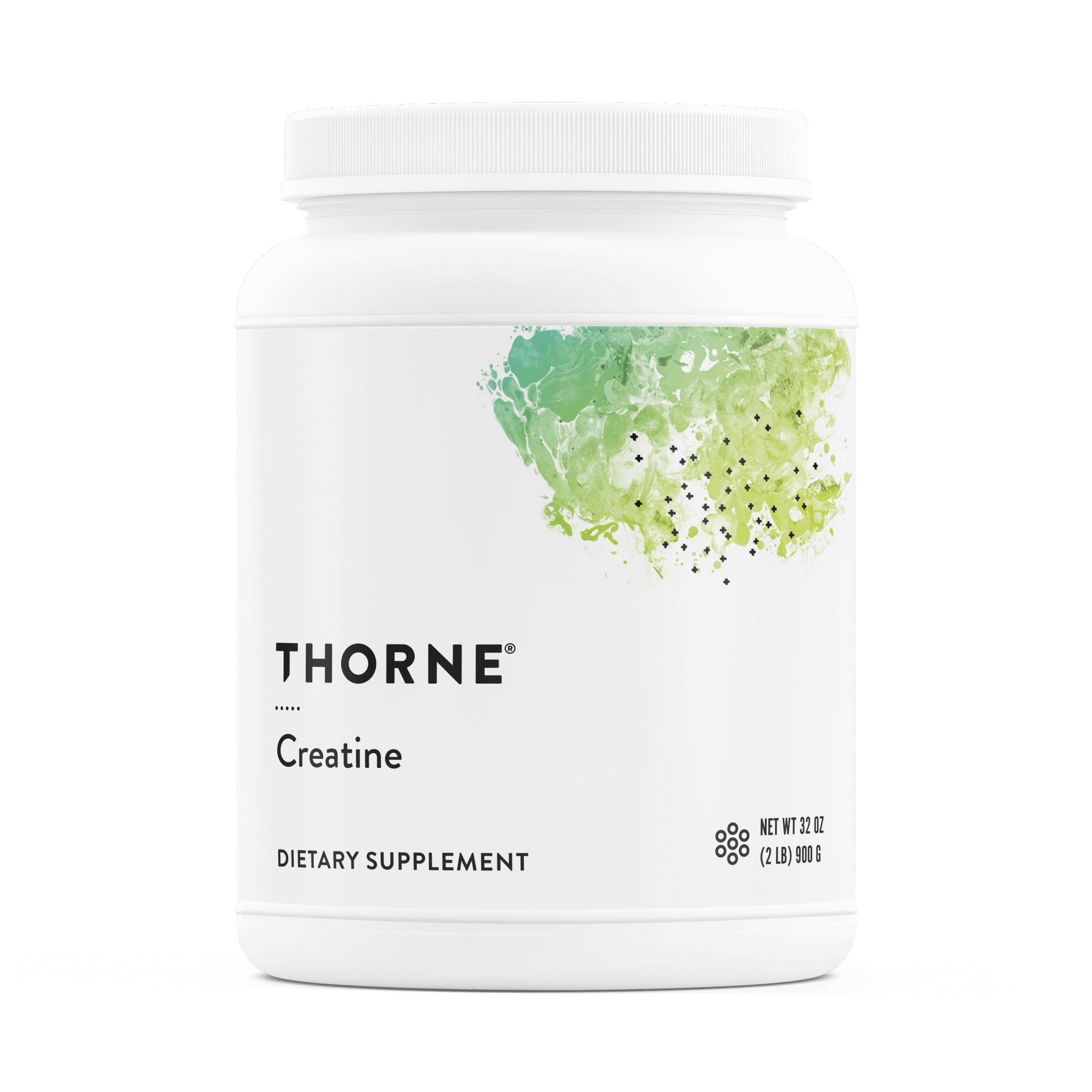
Thorne Creatine Monohydrate
We may earn a commission if you purchase through this link — it doesn't affect the price you pay
This is where many buyers get trapped by what could be called capsule cosplay: a product dressed up to look advanced without being meaningfully better. Fancy blends, novel forms, and extra ingredients often add more story than value. If the goal is creatine, buy creatine.
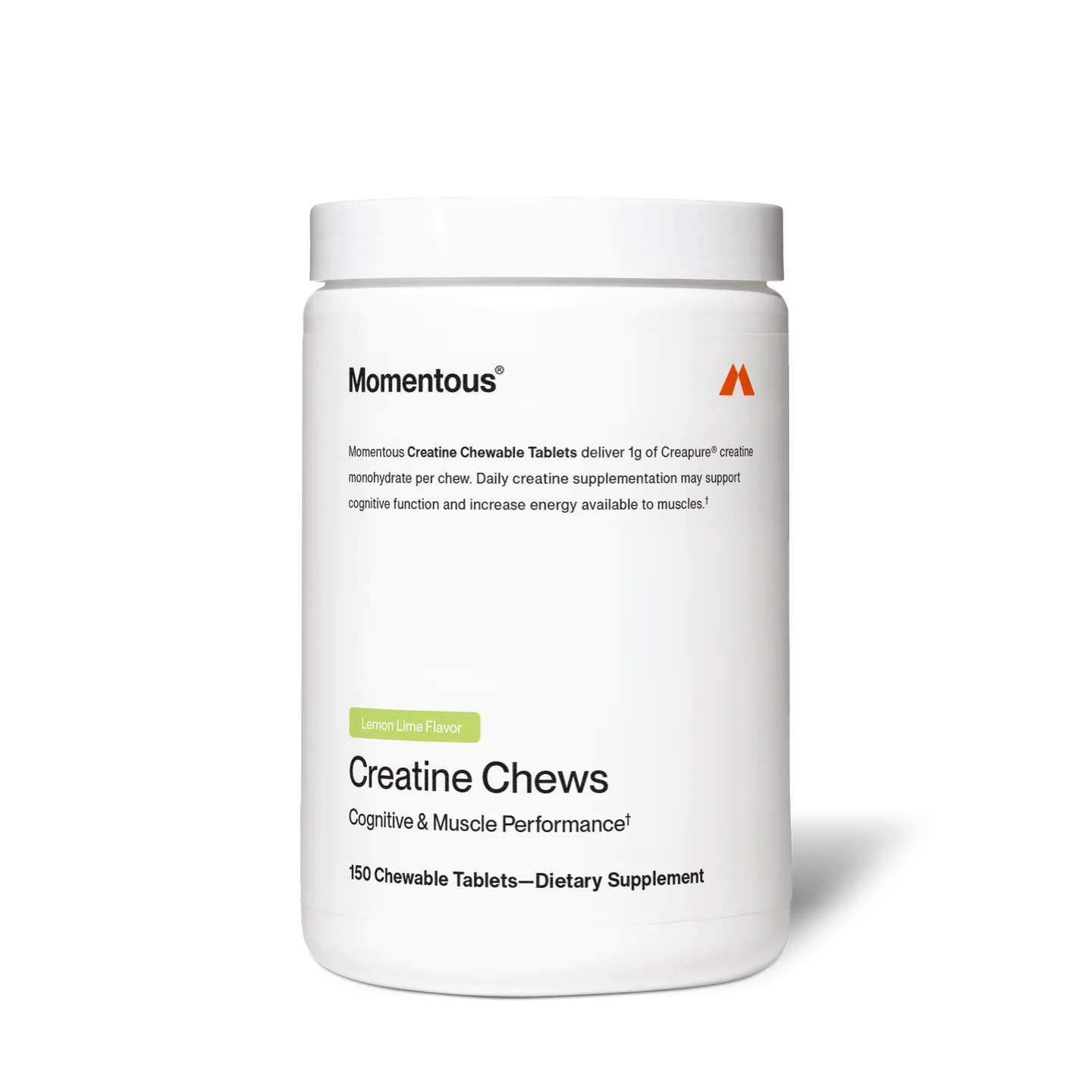
Momentous Creatine Monohydrate
We may earn a commission if you purchase through this link — it doesn't affect the price you pay.
For this audience, the better buying question is not “What is the most cutting-edge option?” It is “What would a careful adult trust enough to take daily for the next year?” That usually means plain monohydrate, clean labeling, and credible testing.
Who is this not for? Anyone chasing a proprietary blend because the branding feels premium. It is also not for readers who want a recommendation divorced from health context. If you have kidney disease, multiple medications, or a clinician actively managing a condition, quality still matters, but supervision matters more.
Frequently Asked Questions
Is creatine safe for my kidneys, especially if I have other health concerns or take other medications?
Creatine monohydrate having FDA GRAS status since 2020 is a meaningful safety signal, but it is not a substitute for individual medical context. If you have kidney concerns, other health issues, or take multiple medications, the smart move is to check with your provider before starting.
Do I need to do a loading phase for creatine, or can I just start with a daily maintenance dose?
You can start with a daily maintenance dose. A consistent 3 to 5 grams per day is generally recommended and effective for most older adults, including on rest days. Loading is optional, not required.
Will creatine help me lose belly fat and improve body composition, or is it primarily for muscle gain?
The strongest case is for muscle mass and strength, especially when combined with resistance training. Better training quality and preserved lean mass can support body composition over time, but creatine is not best framed as a direct belly-fat solution.
What’s the difference between creatine monohydrate and other forms, and which is most effective for men over 45?
The brief evidence points to creatine monohydrate as the form to prioritize. It has the strongest support and is the form generally recommended in the dosing guidance. Newer or flashier forms may sound more advanced, but the marketing often outruns the evidence.
Can creatine interact with common medications for blood pressure, cholesterol, or blood sugar, and should I consult my doctor first?
If you take regular medications or have an ongoing medical condition, consult your doctor first. That is especially true when the concern involves kidney health or a more complicated treatment plan. Creatine may be simple, but your health context may not be.
Creatine for men over 45 is worth considering because the case for it is practical, not flashy: better support for strength and lean mass, plausible cognitive upside, and a simple dose that fits real life. Stick with creatine monohydrate, aim for 3 to 5 grams per day, and treat quality and context as non-negotiable.
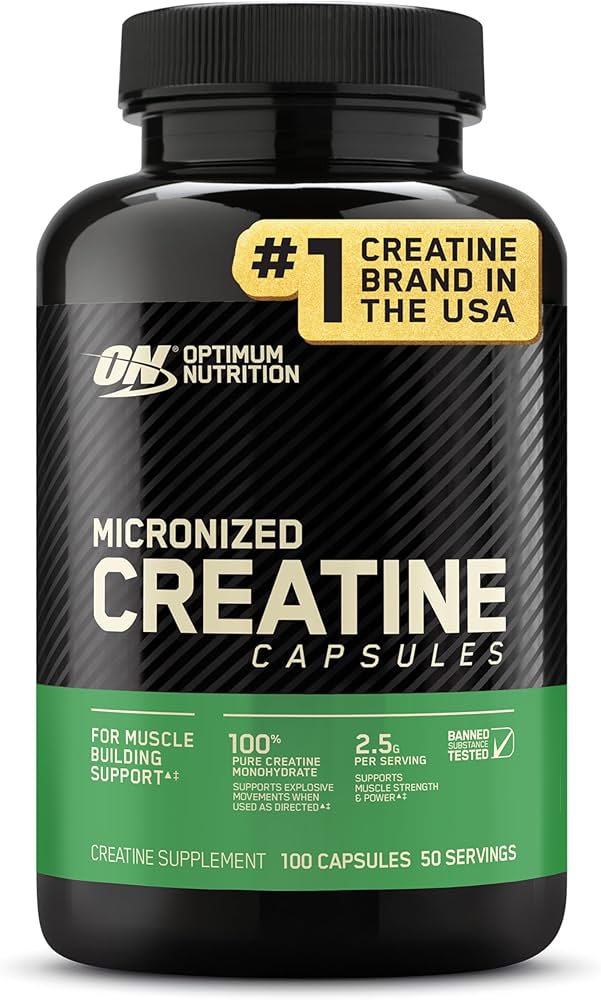
Optimum Nutrition Micronized Creatine
We may earn a commission if you purchase through this link — it doesn't affect the price you pay
Sources
- WebMD, “Is Creatine Safe for Older Adults?” https://www.webmd.com/healthy-aging/is-creatine-safe-for-older-adults
- M Precision Health, “Creatine for Longevity: The Evidence-Based Supplement High-Performing Men Over 45 Need to Know About” https://mprecisionhealth.com/creatine-for-longevity-the-evidence-based-supplement-high-performing-men-over-45-need-to-know-about/
- Three Rivers Medicine, “Creatine for Men Over 40: How to Stay Strong, Sharp, Energized Longer” https://www.threeriversmedicine.com/articles/creatine-men-over-40-how-stay-strong-sharp-energized-longer
- Mayo Clinic Store, “Creatine beyond the gym: What older adults and non-athletes should know” https://store.mayoclinic.com/education/creatine-beyond-the-gym-what-older-adults-and-non-athletes-should-know/
- Cooper Complete, “How Much Creatine Should I Take? A Simple Guide For Adults” https://coopercomplete.com/blog/how-much-creatine-should-i-take-a-simple-guide-for-adults/
- OstroVit, “Recommended dosage and possible side effects of creatine” https://ostrovit.com/en/blog/recommended-dosage-and-possible-side-effects-of-creatine-1628755818.html
- Men’s Health, “Best Creatine Supplements of 2024, According To Experts” https://www.menshealth.com/nutrition/g40182295/best-creatine-supplements/
Continue reading: Read the pillar — Supplements & Nutrition
This article is for informational purposes only and is not financial advice. Consult a qualified professional for personalized guidance.
Leave a Reply