
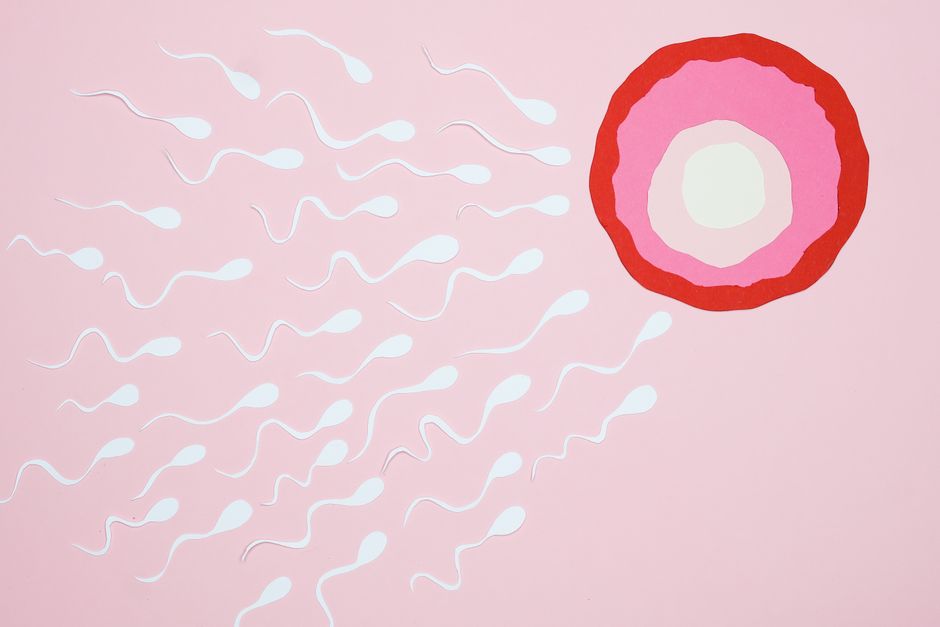
Starting TRT without a fertility plan is how men create a second problem while trying to solve the first one. TRT fertility sperm preservation isn’t a niche concern for younger guys who haven’t paid a mortgage yet. If you’re over 45 and still want the option of having a child, testosterone replacement therapy can shut down sperm production fast enough that “we’ll deal with it later” stops being a plan and starts being denial.
The straight take is simple: if future fertility matters, bank sperm before TRT if you can. If you’re already on TRT or need to stay on it, ask a provider who actually understands fertility preservation about hCG co-therapy and structured semen monitoring. Biology, in one of its less charming design choices, treats outside testosterone as a signal to stop doing the hard part in-house.
That matters more after 45 because age is already working against sperm quality. TRT doesn’t create that age-related decline, but it can pile a medication-driven suppression problem on top of it. So this isn’t a minor side-effect discussion. It’s life-planning.
How TRT Suppresses Sperm Production: The Mechanism Explained
TRT raises testosterone in the bloodstream, but sperm production depends on a different system staying switched on. According to Centre for Men’s Health, outside testosterone suppresses the hypothalamic-pituitary-gonadal axis, which lowers luteinizing hormone and follicle-stimulating hormone below the levels needed for spermatogenesis.
The key detail is intratesticular testosterone. Centre for Men’s Health notes that sperm production depends on testosterone levels inside the testes staying roughly 50 to 100 times higher than what’s circulating in the blood. When TRT tells the pituitary to stop sending LH, that local testosterone support falls off, and the sperm factory slows or stops.
This is why men can feel better on TRT while their fertility quietly disappears in the background. The 2018 review in the National Library of Medicine database, Testosterone Is a Contraceptive and Should Not Be Used in Men Who Desire Fertility, makes the point bluntly: exogenous testosterone works like a contraceptive. Within 3 to 6 months, many men develop severe oligospermia or azoospermia.
If that sounds backwards, it is. Higher testosterone doesn’t mean better fertility once that testosterone is coming from outside the body. It often means the opposite.
Recovery After Stopping TRT: What the Data Shows
The good news is that fertility can come back after stopping TRT. The bad news is that it usually comes back on its own schedule, not yours. Centre for Men’s Health reports that about 65% to 70% of men recover to normal sperm density within 12 months after stopping testosterone, while the 2018 NLM review found recovery to 20 million sperm per mL happened in about 67% of men by 6 months, 90% by 12 months, and near 100% by 24 months.
That’s better than a permanent-loss story, but it isn’t fast. A man in his late 40s or 50s who wants to try for a pregnancy next spring doesn’t have two casual years to burn while waiting for a hormonal reboot. A 2025 clinical review in the NLM database also notes that recovery odds are worse in older men and in men who have been on TRT longer.
This is the part many clinic landing pages glide past. Coming off TRT may restore spermatogenesis, but it can mean months of lower energy, lower libido, and symptom relapse while you wait. That’s a real tradeoff, not a paperwork detail.
So yes, recovery is possible. No, it shouldn’t be your only plan if fatherhood still matters.
Sperm Banking: The Gold Standard for TRT Fertility and Sperm Preservation
If there’s one clean recommendation here, this is it: bank sperm before you start TRT. The same 2018 NLM review reports that more than 90% of sperm survive the freeze-thaw process, and properly stored samples can remain viable for decades. That makes cryopreservation the least dramatic, most reliable way to preserve options.
The American Urological Association’s position, cited in both Centre for Men’s Health and the NLM review, is straightforward: men who may want future fertility should consider sperm cryopreservation before beginning testosterone therapy. That’s because banking before treatment avoids the ugly scenario where you stop TRT later, feel lousy for months, run recovery drugs, and still wait to see whether semen parameters come back enough to be useful.
For a time-poor 55-year-old, this is one of those rare medical decisions that gets simpler when you stop trying to outsmart it. Do the banking first. Then decide what you want to do with TRT. The sample you stored is a form of optionality you can actually trust.
This is also who sperm banking isn’t for: men who are certain they don’t want biological children in the future. Everyone else should treat it as the default move, not the paranoid move.
HCG Co-Therapy: Preserving Fertility While Staying on TRT
hCG matters because it can keep part of the fertility machinery active while a man remains on TRT. A 2018 paper in Translational Andrology and Urology explains that low-dose hCG, often 250 to 500 IU two to three times per week, mimics LH and stimulates Leydig cells to maintain intratesticular testosterone.
That mechanism isn’t just theoretical. In one study cited by Translational Andrology and Urology, 20 men on TRT using 500 IU of hCG every other day did not become azoospermic, and nine pregnancies occurred during one year of follow-up. A multi-institutional series discussed in the same paper found men using hCG recovered spermatogenesis to 22 million per mL in an average of about 4 months.
The catch is that hCG co-therapy is a preservation strategy, not a magic reset button. It doesn’t guarantee your sperm count stays at pre-TRT levels, and it requires a provider who knows how to monitor semen parameters, hormones, and side effects instead of just mailing injections and calling it care. Sensible monitoring usually means getting a baseline semen analysis before the protocol starts, then repeating semen and hormone testing at intervals that match your conception timeline rather than waiting until you’re actively trying. If you’re trying to understand the practical cost side, Read our HCG co-therapy cost guide for a breakdown of what these prescriptions actually run.
This is who hCG co-therapy isn’t for: men who assume any TRT clinic automatically knows how to protect fertility, or men with a near-term conception goal who have done no semen analysis at baseline. Consult your provider before starting or changing any TRT or hCG protocol.
Why Age 45+ Changes the Fertility Equation
Age already changes sperm quality before TRT enters the picture. The 2023 Genes review on advanced paternal age found that men over 45 had about double the sperm DNA fragmentation rate of men under 30, 32% versus 15.2%. The same paper reported miscarriage rates of 32.4% for fathers 45 and older compared with 13.7% for fathers under 30.
The review also linked advanced paternal age with higher risks of autism, schizophrenia, and bipolar disorders in offspring. That doesn’t mean fatherhood after 45 is reckless. It means the margin for casual decision-making gets thinner, which is different.
Put those age effects next to TRT-induced suppression and you get the real issue. Younger men may be able to treat fertility recovery as an inconvenience. Men over 45 should treat it as a timeline risk. The body is less forgiving, the relationship timeline may be tighter, and waiting 12 to 24 months for a rebound is a much bigger ask.
That’s why the calm recommendation here is still the strongest one: preserve options early, not after you’ve already traded them away.
Building a Fertility-Conscious TRT Plan With Your Provider
The Endocrine Society and American Urological Association both recommend against TRT for men who want fertility in the next 6 to 12 months, according to the 2018 NLM review and a 2024 Medicina review on managing fertility in hypogonadal men. That doesn’t mean every symptomatic man has to avoid treatment forever. It means the treatment plan has to match the reproductive timeline.
A fertility-conscious conversation with your provider should cover five things. First, whether you need a baseline semen analysis before anything starts. Second, whether sperm banking should happen before the first dose. Third, whether hCG co-therapy or a selective estrogen receptor modulator belongs in the plan. Fourth, how often semen parameters and hormones will be rechecked, usually every 3 to 6 months per the Medicina review. Fifth, what the fallback plan is if conception becomes a priority later.
It should also cover timing in plain English. If you want children within the next year, the question isn’t just whether TRT can fit your goals. The question is whether starting TRT now creates a recovery window later that your family plan can’t absorb. Men get into trouble when they discuss hormones as if they are separate from calendar math. They aren’t.
Red flags are easy to spot once you know what to ask. If a clinic says testosterone won’t affect fertility, that’s wrong. If it can’t explain how it uses hCG, clomiphene, or monitoring in men who still want children, that’s not a specialist clinic. That’s a subscription business with a lab portal.
For some men, the better comparison isn’t TRT versus nothing. It’s TRT versus a fertility-preserving alternative. If you’re weighing TRT vs alternatives, our HCG monotherapy comparison covers the other side of this decision.
Frequently Asked Questions
Can I regain normal fertility if I’ve been on TRT for several years?
Possibly, but the odds and timeline get worse with age and longer treatment duration. The available reviews suggest many men recover meaningful sperm counts after stopping TRT, but it can take 6 to 24 months, and recovery is less predictable in older men.
How long before starting TRT should I bank sperm to get a usable sample?
Before the first dose is the cleanest answer. Once TRT starts suppressing LH and FSH, semen quality can deteriorate within months, so the safest move is to bank when your baseline fertility is still intact enough to capture.
Does taking HCG with TRT have side effects I should watch for?
It can. The side-effect profile depends on dose and the rest of the protocol, which is why this is a provider-managed decision rather than a DIY add-on. The main point is that hCG has evidence behind it for fertility preservation, but it still needs monitoring.
Could I stop TRT temporarily to conceive and then resume?
Yes, some men do that, but it isn’t a quick toggle. Coming off TRT can mean symptom relapse while spermatogenesis recovers, and the recovery window may stretch well past the timeline you hoped for.
If I’m on HCG and TRT together, is my sperm quality as good as before I started either treatment?
Not necessarily. hCG can help preserve spermatogenesis and improve the odds of maintaining or restoring fertility, but it doesn’t guarantee your semen parameters return to your exact pre-TRT baseline.
The Bottom Line
If future fatherhood still matters, the safest move is sperm banking before TRT and a provider who can discuss hCG co-therapy without guessing. After 45, fertility decline already has momentum. TRT can still be worth considering, but only if the plan protects tomorrow as carefully as it treats today.
Sources
- Centre for Men’s Health, “TRT and Fertility” (January 2026): https://www.centreformenshealth.co.uk/articles/trt-and-fertility
- Testosterone Is a Contraceptive and Should Not Be Used in Men Who Desire Fertility (2018), National Library of Medicine: https://pmc.ncbi.nlm.nih.gov/articles/PMC6305868/
- Indications for the use of hCG for the management of infertility in hypogonadal men (2018), Translational Andrology and Urology: https://pmc.ncbi.nlm.nih.gov/articles/PMC6087849/
- Management of Male Fertility in Hypogonadal Patients on TRT (2024), Medicina: https://pmc.ncbi.nlm.nih.gov/articles/PMC10890669/
- Impact of Advanced Paternal Age on Fertility and Risks of Genetic Disorders in Offspring (2023), Genes: https://pmc.ncbi.nlm.nih.gov/articles/PMC9957550/
- Clinician’s Guide to the Management of Azoospermia Induced by Exogenous Testosterone (2025), National Library of Medicine: https://pmc.ncbi.nlm.nih.gov/articles/PMC12112917/
This article is for informational purposes only and is not financial advice. Consult a qualified professional for personalized guidance.
Leave a Reply