

By 45, the supplement aisle starts talking to men like they’re one capsule away from getting their 28-year-old recovery, focus, and bloodwork back. That’s marketing, not medicine. The better question is simpler: which supplements every man over 45 should take actually survive contact with randomized trials, meta-analyses, and real-world risk?
That answer is shorter than the average supplement stack and much less exciting for the people selling twelve-pill morning rituals. Some options have strong evidence for heart health or muscle preservation. Some are useful only in narrow situations. Some are mostly deficiency fixes dressed up as performance tools.
Here’s the straight ranking: omega-3s, creatine monohydrate, and higher-quality protein deserve the most attention for most men over 45, though each has a different job. Magnesium is worth a look when sleep or intake is poor. Vitamin D belongs in the “test first, then decide” bucket, not the automatic-buy bucket.
How to Read This Evidence Ranking — What Tier 1, 2, and 3 Mean
Most men don’t need more supplements. They need a better filter. The Council for Responsible Nutrition’s 2025 consumer survey found that 79% of U.S. adults take dietary supplements, which helps explain why the category has become a small republic of labels, promises, and shiny bottles.
This ranking uses three tiers. Tier 1 means multiple randomized controlled trials point in the same direction and the result holds up under broader reviews. Tier 2 means there is a real signal, but it is narrower, mixed, or dependent on context. Tier 3 means the supplement is mainly useful when you are deficient, or when it only works as part of a bigger intervention.
That matters because “works” is doing a lot of dishonest labor in supplement marketing. A supplement that lowers triglycerides in high-risk patients on statins isn’t automatically a supplement that improves memory in every healthy 57-year-old executive. The NIH Office of Dietary Supplements and the NIH National Center for Complementary and Integrative Health both make that distinction repeatedly. This article follows the same rule.
Each section below includes the minimum effective dose that matches the evidence and the kind of person the evidence actually applies to. That last part is where most supplement copy conveniently loses the paperwork.
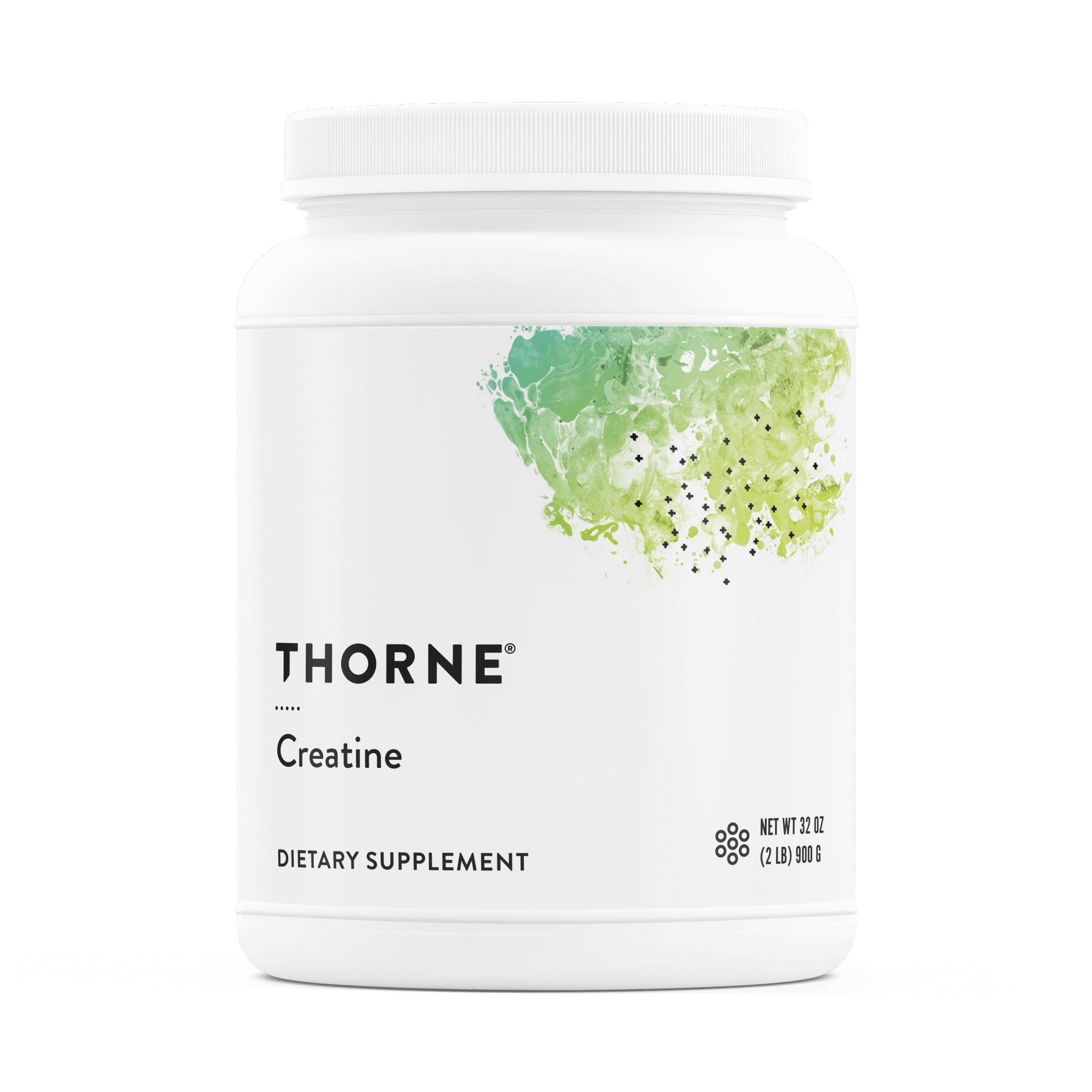
Thorne Creatine Monohydrate
We may earn a commission if you purchase through this link — it doesn't affect the price you pay
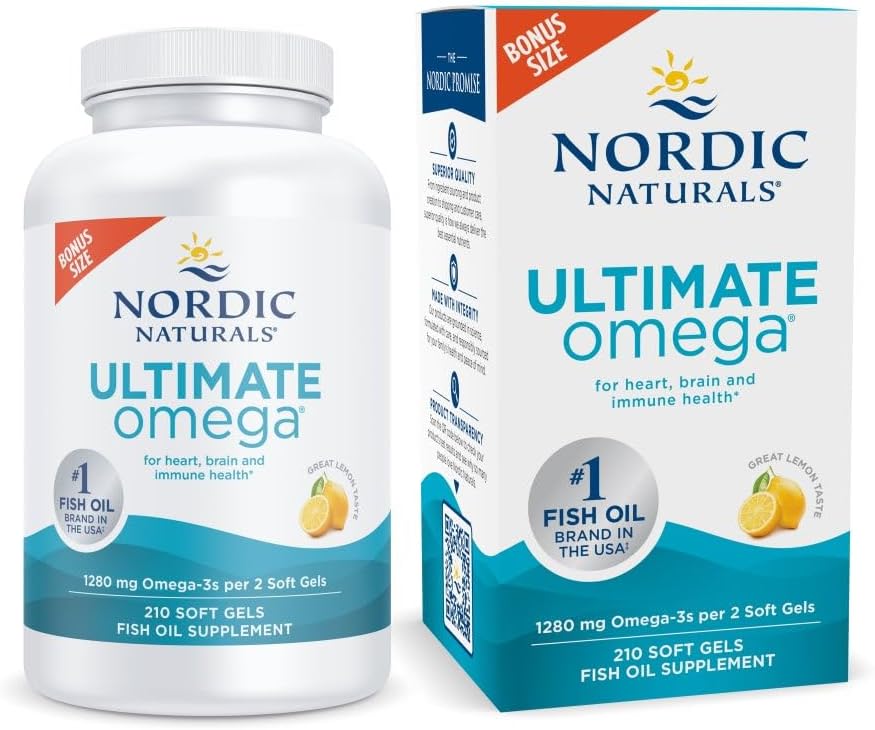
Nordic Naturals Ultimate Omega
This article contains affiliate links. We may earn a commission at no extra cost to you.
Omega-3 Fatty Acids (EPA/DHA) — Tier 1 for Cardiovascular, Tier 2 for Cognitive
Omega-3s are the cleanest example of a supplement that does one job well and gets oversold for five others. For cardiovascular risk, the case is solid. For cognition, the story is a lot thinner than the bottle copy suggests.
In the VITAL trial, published in the New England Journal of Medicine in 2019, JoAnn Manson and colleagues found that 1 gram per day of marine omega-3s reduced heart attack risk by 28% overall and by 40% in men with low fish intake, even though the primary composite endpoint did not hit. In REDUCE-IT, also in NEJM in 2019, Deepak Bhatt and colleagues found that 4 grams per day of icosapent ethyl cut major cardiovascular events by 25% in statin-treated high-risk patients with elevated triglycerides. That’s not vague “heart support.” That’s a measurable risk signal.
The cognitive story is weaker. OHSU reported in August 2024 that fish oil did not produce a statistically significant cognitive benefit in older adults overall, though APOE4 carriers showed less nerve cell breakdown. Then a University of Southern California study reported in June 2026 that two years of high-dose DHA raised brain omega-3 levels but did not improve memory in adults ages 55 to 80. NCCIH’s November 2024 review lands in the same place: strongest support for cardiovascular risk reduction, much less for broad cognitive enhancement.
So where does that leave omega-3s? Worth considering if you eat little fatty fish, have known cardiovascular risk, or have elevated triglycerides and are discussing this with your clinician. For general cardiovascular coverage, 1,000 mg of combined EPA and DHA daily is the minimum evidence-based starting point. For triglyceride reduction, the evidence points more toward 2,000 to 4,000 mg daily under medical supervision.
Who this isn’t for: men assuming fish oil is a universal memory pill, and men on anticoagulants who haven’t cleared dose and bleeding risk with their provider. For more on how evidence claims get stretched beyond what the data can support, our NAC evidence review for men over 45 shows the same pattern in a different bottle.
Creatine Monohydrate — Tier 1 for Musculoskeletal, Tier 2 for Cognitive
If the goal is preserving muscle, strength, and training capacity after 45, creatine monohydrate has one of the strongest cases in the entire supplement category. It’s cheap, boring, and stubbornly effective, which is probably why it gets less glamour than powdered things with names that sound like failed comic-book villains.
A 2025 systematic review and meta-analysis in the Journal of the International Society of Sports Nutrition found that creatine combined with exercise training significantly improved muscle strength and one-repetition maximum in older adults, with bigger effects in men and the largest effects in trained older men. EFSA also supports daily creatine for improving the effects of resistance training on muscle strength in adults over 55.
The cognitive case isn’t nonsense, but it is still emerging. A 2024 meta-analysis of 16 randomized controlled trials in Nutrients found significant positive effects on memory, attention, and processing speed across adults. A 2025 narrative review reported gains in lean mass, regional muscle size, bone area, and functional ability when creatine was paired with exercise training. That’s enough to take the brain angle seriously, but not enough to pretend it belongs in the same confidence tier as the strength data.
The practical dose is refreshingly simple: 3 to 5 grams daily. No loading phase is required if the goal is long-term benefit rather than looking temporarily fuller for a beach photo nobody asked for. Take it consistently, pair it with resistance training, and judge it over months, not three workouts.
Who this isn’t for: men with kidney disease or anyone with renal concerns who hasn’t discussed creatine with a clinician first. Also not for men expecting creatine to replace training. If you’re sorting out dosage, expectations, and product quality, the science-backed creatine guide for men over 45 goes deeper.
Protein (Leucine-Enriched, Whey) — Tier 1 for Musculoskeletal in Combination with Resistance Training
Protein isn’t glamorous, which is another way of saying it usually gets ignored until someone notices they are getting weaker despite still going to the gym. After 50, anabolic resistance means the body doesn’t respond to protein the way it used to. The standard “just eat healthy” advice gets fuzzy fast when the actual target changes with age.
Stanford Lifestyle Medicine noted in 2024 that adults over 50 often need roughly 30 to 35 grams of protein per meal, spread across three meals, to support muscle maintenance. Frontiers in Nutrition reported in 2024 that older adults need about 3 grams of leucine per meal to properly trigger muscle protein synthesis, which usually means about 25 to 30 grams of high-quality protein at a sitting.
The newer intervention data backs that up. A 2026 systematic review and meta-analysis in Nutrients found that resistance exercise three times per week plus at least 15 grams of dairy-based protein daily improved sarcopenia biomarkers, strength, and fat-free mass. A 2024 systematic review also found whey protein improved handgrip strength and skeletal muscle mass in sarcopenic older adults when paired with training.
The key point is that protein is Tier 1 here because it works with resistance training, not instead of it. If you lift inconsistently and eat 70 grams a day while telling yourself dinner steak covers the problem, protein powder won’t rescue the setup. If you train and fail to hit meal-level thresholds, whey or leucine-enriched protein is a practical fix.
Who this isn’t for: men with kidney disease, men already hitting adequate daily protein from food, and men treating shakes like a substitute for actual meals. A useful side check is product quality. The supplement industry is still very capable of selling expensive dust, so our supplement third-party testing guide is worth a quick scan before buying anything in bulk.
Magnesium — Tier 2 for Sleep and Cardiovascular Function
Magnesium is where the deficiency story matters more than the miracle story. The NIH Office of Dietary Supplements lists older adults as a group at risk for inadequate intake, and NHANES data indicates that more than two-thirds of adults 71 and older fail to meet daily requirements. For men over 51, the RDA is 420 mg per day.
That doesn’t mean every tired man needs a magnesium supplement. It means low intake is common enough that magnesium deserves a serious look, especially when sleep, diet quality, or gastrointestinal tolerance make the usual “eat more leafy greens and nuts” advice sound tidier than real life.
A 2025 randomized controlled trial found that 300 to 400 mg of magnesium bisglycinate modestly improved insomnia severity over four weeks in adults with self-reported poor sleep, with stronger benefit in people whose baseline intake was lower. A meta-analysis of 11 prospective cohort studies found that each additional 200 mg per day of dietary magnesium was associated with a 22% lower risk of coronary heart disease events. A 2024 review also reinforced magnesium’s role in vascular, metabolic, and electrical homeostasis.
That puts magnesium in Tier 2: real signal, modest effects, and strongest logic when intake is low or symptoms line up. Magnesium glycinate or taurate are usually the better-tolerated forms. Staying at or below 350 mg per day from supplements alone matters because higher supplemental doses can cause gastrointestinal side effects. That’s not a moral failure. That’s just your gut filing a complaint.
Who this isn’t for: men expecting magnesium to single-handedly fix chronic insomnia, untreated sleep apnea, or a bad training-and-alcohol mix. It’s also not a free pass for anyone with kidney issues.
Vitamin D — Tier 3 (Beneficial When Deficient, Limited Evidence for Universal Supplementation)
Vitamin D is the classic example of a supplement that is popular far beyond the strength of its universal-use evidence. That doesn’t make it useless. It does make it a poor candidate for autopilot supplementation.
The U.S. Preventive Services Task Force issued a December 2024 draft recommendation against vitamin D, with or without calcium, for primary prevention of fractures and falls in community-dwelling adults age 60 and older. The Endocrine Society’s 2024 clinical practice guideline also said healthy adults under 75 generally don’t need routine supplementation unless there is a specific indication.
At the same time, the NIH Office of Dietary Supplements reports that about 1 in 4 U.S. adults have vitamin D levels below 20 ng/mL, and the International Osteoporosis Foundation recommends 800 to 1,000 IU daily for older adults in deficient populations. Harvard Health made the practical point in 2024: vitamin D alone is unlikely to preserve muscle mass or strength. It needs to sit inside the bigger picture of training, protein, calcium intake, and actual deficiency status.
So vitamin D lands in Tier 3. Test serum 25-hydroxyvitamin D first. If levels are low, supplementation is reasonable. If levels are normal and the goal is generic strength, energy, or anti-aging insurance, the evidence is much less persuasive.
Who this isn’t for: men treating vitamin D like a harmless just-in-case forever pill, and men taking high doses without labs or follow-up. More isn’t automatically better. Sometimes it is just more.
Frequently Asked Questions
Can I take all five of these supplements together, or are there interactions I should know about?
Sometimes, yes, but “stackable” isn’t the same thing as “smart for you.” Omega-3s can matter for bleeding risk, creatine should be reviewed if you have kidney concerns, magnesium can affect GI tolerance and interact with some medications, and vitamin D shouldn’t be taken casually at high dose. A real medication review beats supplement roulette every time.
How do I know if I actually need supplements instead of getting these nutrients from food?
Start with the job you are trying to solve. Protein can often be handled through food if intake is high enough and evenly distributed. Omega-3s may be less necessary if you regularly eat fatty fish. Magnesium and vitamin D are better candidates for a deficiency-first approach. If a supplement is filling a diet gap, that is different from chasing a performance claim.
Which blood tests help decide whether magnesium or vitamin D are worth considering?
Vitamin D is the easier call because serum 25(OH)D is the standard screening test. Magnesium is trickier because serum magnesium can look normal even when total-body status is less than ideal. In practice, symptoms, intake, medication history, and clinician judgment usually matter more than pretending one lab value settles everything cleanly.
How long should I try each supplement before deciding whether it is doing anything?
Creatine and protein should be judged over weeks to months alongside training performance, recovery, and body-composition trends. Magnesium for sleep, if it is going to help, should usually show something within a few weeks. Omega-3s and vitamin D are less about a felt immediate effect and more about risk profile, labs, and longer-term context.
Are there any drug interactions I should check with my doctor before starting these supplements?
Yes. Fish oil deserves extra caution with anticoagulants, magnesium can interfere with absorption of certain medications if timing is poor, and vitamin D or creatine may need closer review depending on kidney status, calcium metabolism, or the rest of your regimen. If you are already taking prescription medication, that is the moment to stop improvising and get a clean read from your provider.
The Bottom Line on the Supplements Every Man Over 45 Should Take
For most men over 45, the shortlist isn’t complicated: creatine and adequate protein have the strongest muscle-and-strength case, omega-3s have the best cardiovascular case, magnesium is reasonable when intake or sleep is an issue, and vitamin D makes the most sense when labs show a real deficiency. The winning move isn’t building a bigger stack. It’s spending on the few interventions with evidence, context, and a job worth paying for.
Continue reading: Read the pillar — Supplements & Nutrition
This article is for informational purposes only and is not financial advice. Consult a qualified professional for personalized guidance.
Leave a Reply