
If you’ve already cleared the first hurdle of TRT, meaning you have symptoms, labs, and a provider willing to discuss treatment instead of reciting “normal for your age” like it’s a magic spell, the next question gets practical fast. Not whether testosterone can help. How you take it.
That choice matters more than most clinic marketing admits. Testosterone cream vs injections vs pellets isn’t a branding exercise. It’s a tradeoff between convenience, cost, hormone stability, side effect profile, fertility concerns, and how much hassle you’re willing to tolerate every week. For men over 45, that tradeoff usually matters more than the slogan on the clinic homepage.
The short version: injections are usually the most effective and cheapest, gels and creams are the easiest place to start if you want steady levels and no needles, pellets are the lowest-maintenance option if you can live with an in-office procedure, and nasal gel has one major niche, which is men who care about preserving fertility. The right method depends less on hype and more on which downside you can actually live with.
Why Delivery Method Matters: The TRT Landscape for Men 45+
TRT decisions land differently once you’re in your late 40s, 50s, or 60s. At that point the question is rarely abstract vitality. It’s whether you still feel like yourself in the gym, at work, and after a bad night of sleep.
That audience isn’t small. SingleCare reported in 2024 that about 40% of American men over 45 meet the threshold for hypogonadism, usually defined as testosterone below 300 ng/dL. That doesn’t mean 40% should automatically start treatment. It does mean a lot of men aren’t imagining the drop in energy, libido, recovery, or mental sharpness.
The other issue hanging over every TRT conversation is cardiovascular risk, mostly because older headlines scared people and then stayed in the public imagination long after the evidence moved on. The biggest reset came from the TRAVERSE trial, published in the New England Journal of Medicine in 2023 and summarized by Cleveland Clinic Consult QD. In 5,204 patients, major adverse cardiovascular events occurred in 7.0% of the testosterone group versus 7.3% in placebo, with a hazard ratio of 0.96. In plain English, the largest modern safety trial did not show TRT causing more major cardiovascular events than placebo when used as indicated.
That matters because it changes the real question. For a man with documented low testosterone and symptoms, the debate is no longer “Is TRT automatically reckless?” It’s “Which delivery method gives the best balance of benefit, monitoring burden, side effects, and daily inconvenience?” Those are different questions, and too many clinics still answer the first one with 2014 energy.
Testosterone Cream vs Injections vs Pellets: Why Injections Usually Win on Potency
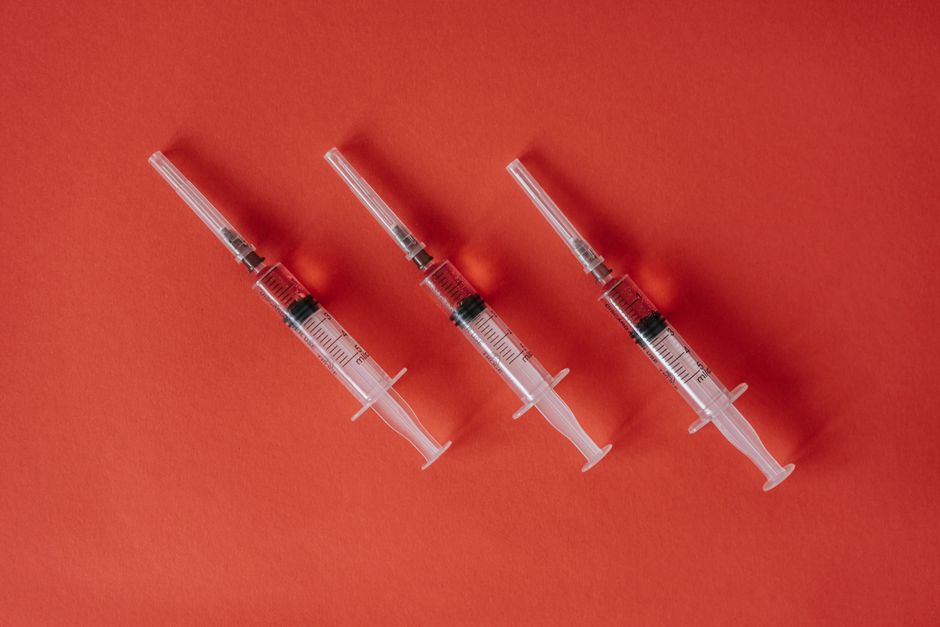
If the priority is getting testosterone levels into range quickly and reliably, injections are hard to beat. Cleveland Clinic notes that intramuscular testosterone cypionate and enanthate are established, common options, and published clinical data puts target-level achievement at 95% of patients within 4 to 6 weeks.
That reliability shows up in outcomes. A 2018 review in the American Journal of Physiology – Endocrinology and Metabolism found injectable testosterone tends to produce stronger musculoskeletal effects than transdermal routes, largely because injections create higher peaks. That’s the useful part of injections and also the part that explains some of the downside. Higher peaks can mean more symptom improvement for some men, but they also make the physiology less smooth.
The main tradeoff is erythrocytosis. A retrospective cohort study reported hematocrit of 50% or higher in 43.8% of injection patients versus 15.4% with transdermal methods. That isn’t a rounding error. It’s the most important reason injections need serious lab follow-up instead of the usual telehealth fantasy where a man gets a vial, a pep talk, and a six-month disappearance.
This is the bargain injections offer: strong efficacy, low monthly cost, and the most direct route to symptom improvement, in exchange for more monitoring and a higher chance of hematocrit issues. They’re a good fit for men who want the most cost-effective option, don’t mind self-injection, and can stay on top of labs. They’re a worse fit for men who hate needles, want the smoothest hormone levels possible, or already have reasons for a provider to watch red blood cell counts closely.
Testosterone Creams and Gels: Convenience With Absorption and Transfer Tradeoffs
Creams and gels appeal to men for an obvious reason: no needles, no procedure, no weekly shot ritual on the bathroom counter. For a lot of busy professionals, that alone makes topical therapy feel more civilized.
There is a genuine physiologic advantage too. Transdermal testosterone tends to create steadier levels than injections because it avoids the classic peak-and-trough cycle. If someone feels lousy when serum levels swing, a daily topical can feel more even.
But topical therapy comes with two real annoyances that never go away. First, absorption varies. Cleveland Clinic notes that skin thickness, application site, and blood flow all affect uptake. That means two men can use the same dose and get very different numbers. One gets steady benefit. The other gets a chemistry experiment on his shoulders.
Second, transfer risk isn’t theoretical. Cleveland Clinic flags accidental transfer to partners or children as the primary safety concern. If a product can rub off on another person because you hugged someone too soon or applied it sloppily, that isn’t a tiny footnote. That’s a lifestyle tax.
Then there is cost. SingleCare and Hone Health put generic topical gels around $30 to $80 per month, while brand-name AndroGel can run $200 to $500 per month. So the “easy” option can also become the expensive option fast, especially if you need a branded product that your insurer treats like a luxury item.
Creams and gels make sense for men who value steady levels, want to avoid injections, and can handle a daily routine without getting careless. They’re a weaker fit for men with young children at home, inconsistent routines, or zero patience for dose variability. This is the method for someone who wants fewer peaks and troughs, not someone who wants maximum simplicity.
Testosterone Pellets: Stable Levels, High Convenience, Low Flexibility
Pellets are what happen when convenience gets serious. Instead of daily application or weekly injections, subcutaneous pellets such as Testopel are inserted in-office and can last 3 to 6 months per treatment cycle, according to Cleveland Clinic.
That’s the appeal. No weekly dose decisions. No pharmacy bag in the travel case. No wondering whether you missed yesterday’s gel. Pellets offer the most stable hormone delivery of any major TRT method in this comparison.
Modern extrusion rates are also lower than a lot of older chatter suggests. Published data puts extrusion rates under 3%, and below 1% at high-volume centers. So the old image of pellets constantly working their way out is outdated, at least in experienced hands.
The problems are cost and flexibility. Pellet insertion can run anywhere from $350 to $2,000 per insertion depending on dosage and clinic pricing. And once the pellets are in, they are in. If the dose is a little too aggressive, a little too weak, or your response is different than expected, there is no easy mid-cycle adjustment. Injections and gels can be tuned. Pellets are more like booking the whole season up front.
That makes pellets a strong option for men who already know they respond well to TRT, value stability, travel often, and are happy to trade flexibility for convenience. They’re a weaker first choice for men just beginning treatment, men who want fine-grained dose control, or anyone who hates the idea of a minor office procedure. Pellets are the set-it-and-forget-it option, which sounds great right up until you want to change something.
Nasal Testosterone Gel: The Fertility-Friendly Outlier
Nasal testosterone gel is the oddball in the group, and in this case oddball is useful. Natesto isn’t the cheapest option, and it is definitely not the most convenient, but it fills one niche better than the others: men who want TRT benefits without taking the usual hit to fertility signaling.
That distinction matters because standard TRT methods typically suppress luteinizing hormone and follicle-stimulating hormone, which is part of why fertility concerns show up so often in testosterone discussions. The American Journal of Men’s Health and Natesto’s HCP data report that nasal testosterone normalized serum levels in 91% of patients after 90 days and preserved LH and FSH, with 93.9% of patients maintaining normal sperm counts after six months.
That’s the upside. The downside is the routine. Nasal gel requires three-times-daily dosing. For a man who already forgets one afternoon vitamin, this isn’t a minor compliance issue. It’s the whole story.
Cost doesn’t help. GoodRx and other pricing sources place monthly cost at roughly $300 to $1,000, with no generic available. So you’re paying a premium for a schedule that asks you to remember your TRT before breakfast, again in the middle of the day, and again later on. Some men will gladly make that trade. Most won’t.
Nasal gel is worth considering if fertility preservation is central, not secondary. It isn’t the obvious choice for the average 55-year-old executive who wants the fewest interruptions possible. It’s the specialist tool in the lineup.
How to Choose: A Practical Decision Framework for Men 45+
The easiest way to think about TRT delivery methods isn’t “Which one is best?” It’s “Which problem am I least willing to have?”
If cost matters most, injections usually win. Pricing sources put them around $20 to $150 per month, which is hard to ignore. The catch is the highest erythrocytosis risk and the need for real lab follow-up. Cheap doesn’t mean low-maintenance.
If smooth hormone levels and no needles matter most, creams and gels are the natural first look. Monthly cost ranges from roughly $30 to $600 depending on generic versus brand, and the price spread alone tells you how much the fine print matters. The tradeoff is daily application plus transfer risk.
If convenience matters most and you already know TRT works for you, pellets are compelling. Three to six months of coverage is a real quality-of-life advantage for a time-poor man. But procedure-based treatment with no mid-cycle dose adjustment is a commitment, not a tweak.
If fertility matters most, nasal gel deserves its own lane. It’s expensive and annoying, but the fertility-preservation data is the clearest differentiator in this lineup.
One useful way to frame the decision is to think of each method’s hidden tax. Injections have a lab tax. Gels have a routine-and-transfer tax. Pellets have a flexibility tax. Nasal gel has an attention tax.
Whatever method looks best on paper, monitored care is non-negotiable. Cleveland Clinic and other medical sources note baseline labs and follow-up monitoring every 3 to 6 months across methods. That’s how you catch rising hematocrit, dose mismatch, poor absorption, or a treatment plan that sounds great in a consult and looks worse in actual bloodwork. TRT can be worth considering if your labs and symptoms line up, but provider quality matters almost as much as the delivery method.
Frequently Asked Questions
Can I switch between TRT delivery methods, or do I have to pick one and stick with it?
You can usually switch if your provider thinks the new method fits your labs, symptoms, and priorities better. Men often move from gels to injections for stronger symptom response, or from injections to pellets for convenience. The main catch is that each switch needs a fresh monitoring period instead of assuming the old dose translates cleanly.
Will any form of TRT affect my ability to have children?
Most standard TRT methods can reduce fertility signaling because they suppress LH and FSH. That’s why injections, gels, creams, and pellets deserve a more careful conversation if fertility still matters. Nasal testosterone gel stands out here because published data suggests better preservation of sperm counts than conventional options.
Are testosterone pellets worth the extra cost over weekly injections?
They can be if stability and convenience matter more to you than flexibility. A man who travels constantly and hates weekly administration may find the cost justified. A man who wants precise dose changes or is just starting TRT usually gets more value from a method that can be adjusted faster.
Does the TRAVERSE trial mean TRT is completely safe for the heart?
No serious article should say “completely safe” about any hormone therapy. What the New England Journal of Medicine TRAVERSE trial did was provide the strongest modern evidence that properly indicated TRT wasn’t associated with more major cardiovascular events than placebo in that study population. That’s very different from saying monitoring or individual risk factors no longer matter.
Why does my doctor say my testosterone is normal for my age when I don’t feel normal?
Because “normal” reference ranges and symptom-driven care aren’t the same thing. A lab value can fall inside a population range and still feel bad for the person living in that body. That doesn’t mean TRT is automatically the answer, but it does mean symptoms, repeat labs, and method selection deserve more nuance than a one-line dismissal.
Testosterone cream vs injections vs pellets is really a question about tradeoffs, not magic. Injections usually lead on potency and cost, gels lead on needle-free convenience, pellets lead on low-maintenance stability, and nasal gel has the clearest fertility-preservation case. If TRT is on the table, the smartest move isn’t chasing the most hyped method. It’s choosing the downside you can live with and making sure your provider actually monitors the results.
Sources
- SingleCare. “Low testosterone facts and statistics.” 2024.
- Cleveland Clinic Consult QD. “TRAVERSE Study Supports Cardiovascular Safety of Testosterone Therapy When Used as Indicated.” 2023.
- New England Journal of Medicine. “Cardiovascular Safety of Testosterone-Replacement Therapy.” 2023.
- American Journal of Physiology – Endocrinology and Metabolism. “Injection of testosterone may be safer and more effective than transdermal administration for combating loss of muscle and bone in older men.” 2018.
- Cleveland Clinic. “Testosterone Pellets: Uses & Side Effects.” 2024.
- American Journal of Men’s Health. “Efficacy of Nasal Testosterone Gel (Natesto) Stratified by Baseline Endogenous Testosterone Levels.” 2019.
- Natesto HCP. “Natesto Efficacy.” 2024.
- Hone Health. “How Much Does Testosterone Replacement Therapy Cost?” 2025.
This article is for informational purposes only and is not financial advice. Consult a qualified professional for personalized guidance.
Leave a Reply