
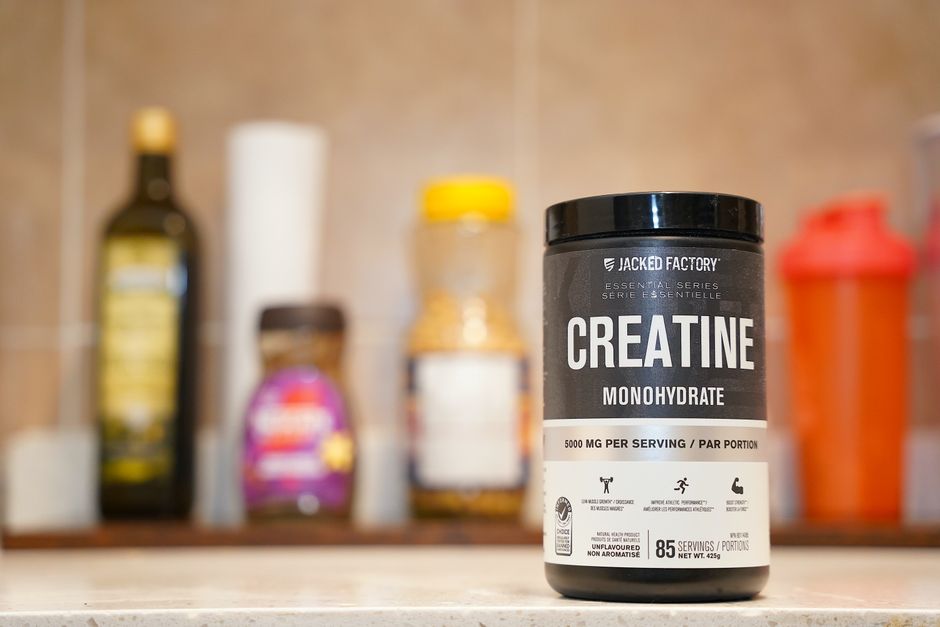
Creatine for men over 50 sits in a strange category: one of the few supplements with actual data behind it, trapped in an aisle full of labels that look like they were written during a caffeine incident.
The short version: creatine monohydrate is worth considering if you’re lifting weights, trying to preserve lean mass, or noticing that recovery takes longer than it did at 42. The strongest evidence isn’t that creatine magically rebuilds aging muscle by itself. It’s that creatine plus resistance training produces measurable gains in lean tissue and strength in older adults.
There is also an emerging brain case, but it deserves a cooler temperature. Some studies suggest benefits for memory, attention, and processing speed, especially in people with lower baseline creatine stores. That’s useful. It’s not a miracle powder with a scoop.
What the Research Shows: Creatine and Muscle Health After 50
The best-supported use case for creatine after 50 is simple: take creatine monohydrate consistently, train against resistance, and give the body a better shot at preserving or adding lean tissue.
A 2017 meta-analysis by Darren Candow and colleagues in the Open Access Journal of Sports Medicine reviewed 22 randomized controlled trials with 721 participants. The participants were generally older adults, with mean ages from 57 to 70. Across studies, creatine supplementation was paired with resistance training 2 to 3 days per week for 7 to 52 weeks. Compared with resistance training alone, the creatine groups gained an average of 1.37 kilograms more lean tissue mass and significantly improved both chest press and leg press strength.
That matters because the enemy here isn’t vanity. It’s the slow tax of sarcopenia: less muscle, less power, slower recovery, and a smaller margin for everything from skiing to carrying luggage without negotiating with your lower back first.
Creatine doesn’t replace training. The evidence is strongest when the supplement rides along with progressive resistance work. Think of it as a force multiplier, not the force. If the training signal is weak, creatine has less to amplify.
For a man in his 50s, that makes the practical question fairly narrow. If you’re already lifting 2 or 3 days per week, creatine is one of the few inexpensive additions that has a reasonable evidence base. If you’re not lifting, the first-order move is still to train. Powder comes second. Annoying, but the body remains stubbornly physical.
The training doesn’t need to be theatrical. The studies in the Candow meta-analysis used resistance training 2 to 3 days per week, not a six-day split built around mirror lighting and existential bench-press rituals. Machines, dumbbells, barbells, and well-programmed bodyweight work can all create the signal. The common thread is progressive overload: enough challenge that the muscle has a reason to adapt.
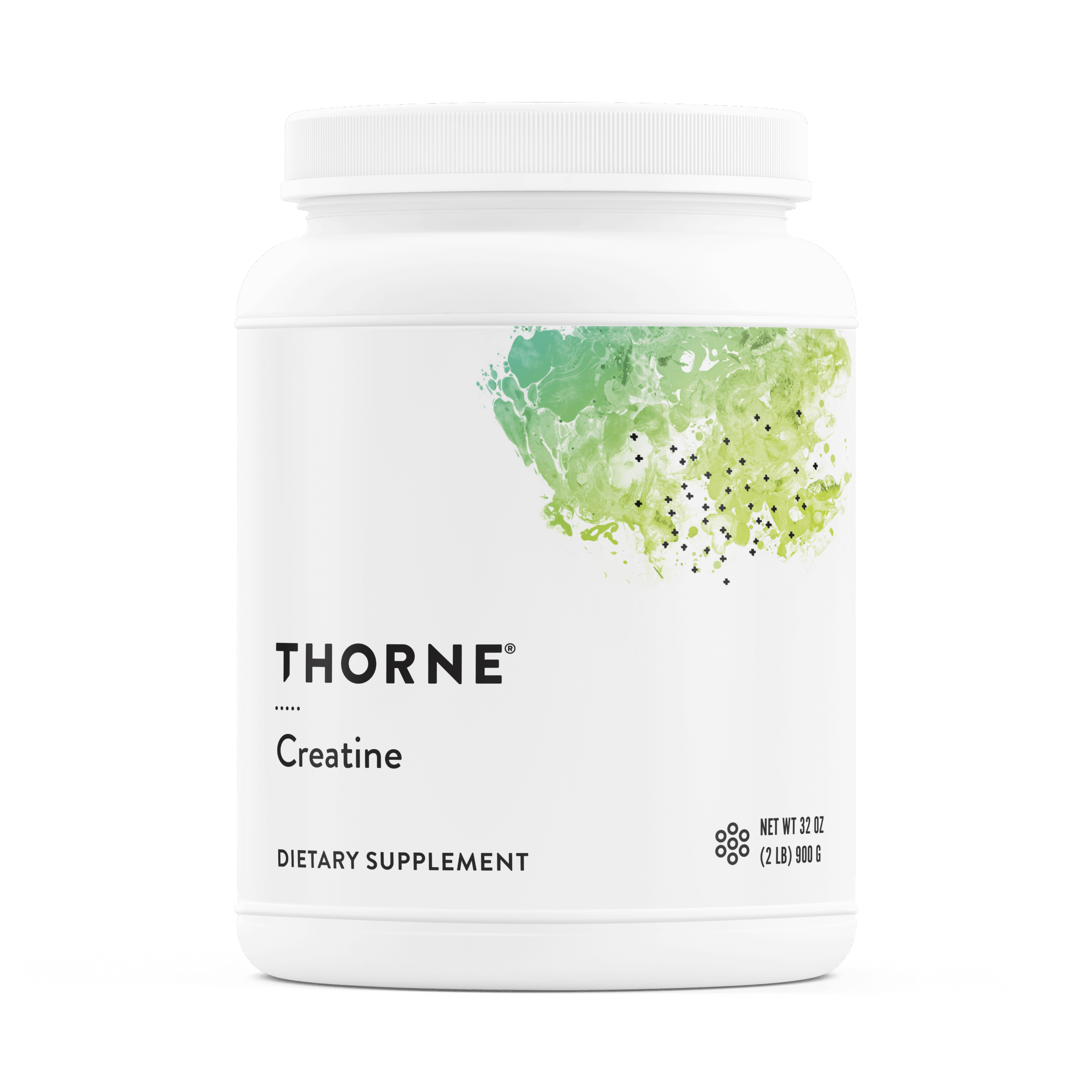
Thorne Creatine Monohydrate
We may earn a commission if you purchase through this link — it doesn't affect the price you pay
The Brain Angle: What Creatine Does for Cognitive Function
Creatine is usually discussed as a muscle supplement, but the brain also uses creatine in cellular energy metabolism. That’s why the cognitive angle is getting more attention, especially for older adults.
A 2025 narrative review in Frontiers in Nutrition described creatine as part of a muscle-brain axis in aging. The review reported modest improvements in memory, processing speed, and executive function in older adults taking creatine, with the strongest signal in people who may have lower baseline creatine levels.
A 2025 systematic review in Nutrition Reviews looking at randomized controlled trials found significant positive effects on memory, attention time, and information processing speed. That doesn’t mean every executive with an Oura ring and a supplement drawer will feel sharper by Thursday. It means the signal is plausible enough to take seriously and modest enough to avoid turning it into supplement theater.
The distinction matters. Muscle outcomes are the cleaner case because the intervention is more concrete: creatine plus resistance training. Cognitive outcomes are messier. Baseline diet, sleep, training status, stress, age, and existing creatine stores all affect the result.
So the honest take is this: creatine may help cognitive function after 50, especially if baseline creatine intake is low or the brain is under higher metabolic demand. But the cognitive case is still emerging evidence. It belongs in the “reasonable upside” column, not the “buy this or lose your edge” column.
The Right Dose: How Much Creatine Men Over 50 Should Take
The standard dose is boring, which is usually a good sign. For most healthy adults, the maintenance dose is 3 to 5 grams of creatine monohydrate per day.
UCLA Health, citing dietitian Yasi Ansari, MS, RDN, CSSD, describes the common protocol as either daily maintenance dosing or an optional loading phase. Loading means taking 20 grams per day, split into 4 doses of 5 grams, for 5 to 7 days. After that, the dose drops to 3 to 5 grams daily.
Loading isn’t mandatory. It saturates muscle creatine stores faster. If you skip it and take 3 to 5 grams per day, you still build stores over time, just more gradually. For most men over 50, the slower route is easier on the stomach and easier to make consistent.
Consistency is the real protocol. Creatine isn’t pre-workout. Timing matters less than taking it daily. Mix it into water, coffee, or a protein shake. If it causes stomach discomfort, split the dose or take it with food.
There is no strong reason to chase exotic creatine forms. Creatine monohydrate is the form with the deepest evidence base. The label may try to sell you capsules, blends, hydrochloride, buffered versions, or a proprietary name that sounds like it was approved by a committee wearing sleeveless hoodies. The research case is still built around monohydrate.
One practical note: measure the dose. A “scoop” isn’t always 5 grams, and some tubs include a scoop that seems designed by someone who has never met a kitchen scale. If accuracy matters to you, weigh it once, learn what the serving looks like, and move on with your life.
Safety First: Creatine, Kidney Concerns, and What the Evidence Says
The kidney concern is the one serious question most careful readers ask first. Good. That’s the right instinct.
Large reviews and mainstream medical summaries, including Healthline and WebMD, report no increased risk of kidney or liver damage in healthy adults taking creatine at recommended doses. That aligns with the broader sports nutrition literature: creatine monohydrate has been studied for decades and is generally considered safe for healthy people when used appropriately.
The confusion often comes from serum creatinine. Creatinine is a breakdown product related to creatine metabolism, and it is also used as a lab marker in kidney function estimates. Taking creatine can slightly raise serum creatinine without meaning the kidneys are damaged. The lab value can look different because the input changed, not because the organ failed.
That doesn’t mean everyone should take it casually. Creatine isn’t for someone with pre-existing kidney disease unless a clinician reviews the situation. It’s also worth asking a physician or pharmacist first if you’re taking medications that affect kidney function, managing a complicated health condition, or seeing abnormal kidney markers on recent labs.
For a healthy man over 50 with normal kidney function, the evidence doesn’t support the common fear that normal-dose creatine damages kidneys. For someone with known kidney disease, the standard is different. That isn’t hedging. That’s basic risk sorting.
Also: buy plain creatine from a reputable brand and keep the dose normal. The problems in supplement use often start when people stack 9 products, double the serving size, and then blame the molecule with the best evidence.
If your recent labs already show kidney concerns, creatine belongs in a clinician conversation, not in an Amazon cart. That’s especially true if your estimated glomerular filtration rate is abnormal, your physician is monitoring kidney function, or you’re taking medications where hydration status and renal clearance matter. The safe version of this supplement isn’t complicated, but it still assumes normal baseline health.
What to Buy: Choosing a Third-Party Tested Creatine Brand
The buying rule is straightforward: choose creatine monohydrate from a third-party tested brand. The supplement industry doesn’t get FDA pre-approval before products hit the shelf, so independent certification matters.
Third-party testing helps verify that the label is accurate, the product isn’t contaminated with heavy metals or banned substances, and the powder is actually what the container says it is. This is especially relevant for anyone who competes in drug-tested sport, works in a regulated profession, or simply doesn’t enjoy paying premium prices for mystery dust.
Forbes’ 2025 supplement coverage and the NSF Certified for Sport database point toward brands that meet stronger quality standards. Thorne is NSF Certified for Sport. Momentous carries NSF Certified for Sport and Informed Sport certification. Products using Creapure, a German-manufactured creatine monohydrate known for 99%+ purity, are also worth prioritizing when the brand is otherwise reputable.
The product doesn’t need to be complicated. Look for “creatine monohydrate” as the active ingredient, 3 to 5 grams per serving, no stimulant blend, and a third-party certification mark such as NSF Certified for Sport or Informed Sport. If the label looks like a fireworks poster, put it back.
Who is this not for? It isn’t for someone with kidney disease who hasn’t cleared it with a clinician. It isn’t for someone expecting visible muscle gain without resistance training. And it isn’t for the buyer who wants a supplement to compensate for poor sleep, low protein, and random training. Creatine helps with a specific job. It doesn’t run the whole company.
Price is another filter. Creatine monohydrate is cheap to manufacture compared with many specialty supplements. A premium brand can be worth paying for if the certification is real, but the premium should be buying testing, sourcing, and confidence, not a cinematic label. If two products are both plain monohydrate and both third-party tested, the more expensive one needs a reason beyond vibes.
Frequently Asked Questions
Do I need to cycle creatine on and off, or can I take it every day indefinitely?
Most healthy adults can take creatine daily without cycling. The common protocol is 3 to 5 grams of creatine monohydrate per day. Cycling is mostly a bodybuilding-culture habit, not a requirement supported by the mainstream dosing evidence.
Will creatine make me gain weight or look bloated and puffy?
Creatine can increase body weight because muscles store more water as creatine stores rise. That isn’t the same as gaining fat. Some people notice 1 to 3 pounds early, especially after a loading phase. If that bothers you, skip loading and use the daily 3 to 5 gram approach.
Is creatine still worth taking if I don’t lift weights or do resistance training?
Possibly, but the strongest evidence for muscle and strength after 50 is creatine combined with resistance training. Without training, the expected muscle benefit is much smaller. The cognitive evidence is interesting, but still emerging.
How long does it take to notice results from creatine supplementation?
With a loading phase, muscle stores saturate faster, often within about a week. Without loading, it may take several weeks of daily use. Strength and lean-mass changes depend heavily on training quality, protein intake, sleep, and consistency.
Can I take creatine with blood pressure medication or other prescriptions?
Many people use creatine while taking common medications, but the smart answer is to ask your physician or pharmacist, especially if a medication affects kidney function or fluid balance. Bring the exact product label and your recent kidney labs if you have them.
The Bottom Line
Creatine for men over 50 isn’t a miracle supplement. It’s a low-cost, well-studied tool with the strongest case in men who lift consistently and want to preserve muscle, strength, and performance as the margin narrows.
The right move is plain creatine monohydrate, 3 to 5 grams daily, from a third-party tested brand. Ignore the fireworks label. Buy the boring powder that has the evidence.
Continue reading: Read the pillar — Supplements & Nutrition
This article is for informational purposes only and is not financial advice. Consult a qualified professional for personalized guidance.
Leave a Reply