
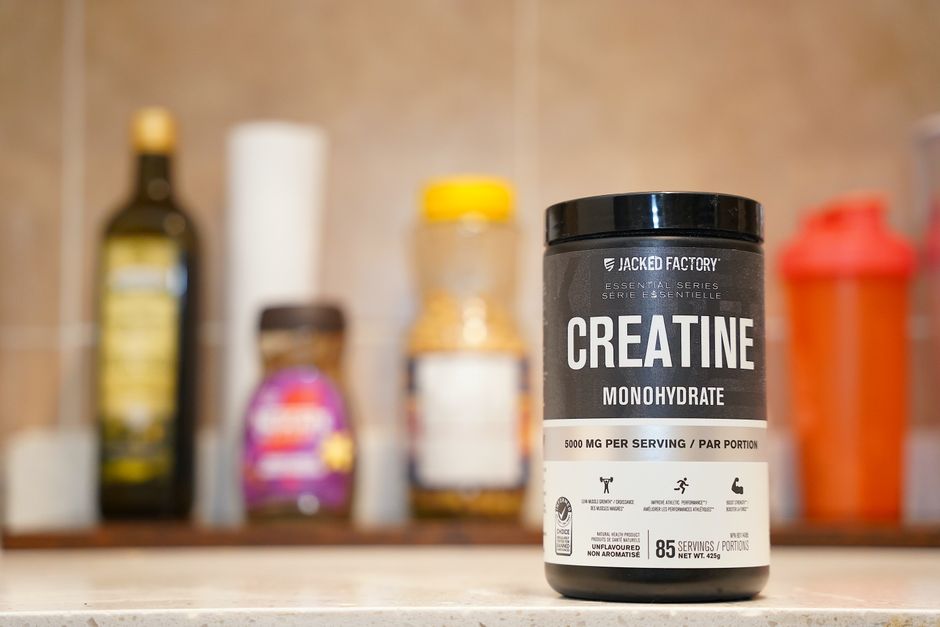
Creatine has a branding problem. It still gets filed in the mental cabinet labeled “gym powder for 23-year-olds in stringer tanks,” which is a shame, because the evidence for creatine men over 50 benefits is better than most supplement categories ever manage.
For a healthy man over 50, the straight take is simple: creatine monohydrate is the form with the real evidence, 3 to 5 grams per day is the standard maintenance dose, and the clearest upside is muscle support when it’s paired with resistance training. The cognitive story is promising too, especially for memory and attention, but it isn’t a magic fix for brain fog or a substitute for sleep, training, and decent metabolic health.
That makes creatine unusually useful in a supplement market full of expensive theater. The body already uses it to regenerate quick energy. The age-related problem is that muscle mass, recovery, and sometimes even dietary intake tend to move in the wrong direction after 50. So the question isn’t whether creatine sounds exciting. The question is whether the data says it earns a place in a time-poor adult’s routine. In this case, mostly yes.
Creatine Men Over 50 Benefits: What It Does in the Body and Why It Changes After 50
Creatine isn’t a stimulant and it isn’t a hormone. It’s a compound your body stores largely in skeletal muscle, where it helps regenerate adenosine triphosphate, or ATP, during short bursts of effort. According to the Journal of Clinical Medicine, about 95% of the body’s creatine pool is stored in skeletal muscle as phosphocreatine, which is why it matters most when you lift, sprint, carry something heavy, or ask your muscles to produce force quickly.
That same review notes that the body produces roughly 1 to 2 grams of creatine per day from amino acids including arginine, glycine, and methionine, with the rest coming from food. After 50, that built-in system doesn’t necessarily collapse, but the equation gets less forgiving. Muscle mass declines, training recovery takes longer, appetite or protein intake may dip, and the room for sloppy nutrition gets smaller.
This is the useful reframe: creatine is less about turning a 55-year-old into a bodybuilder and more about protecting the energy system that helps him stay physically capable. That’s a much more adult reason to care about it.
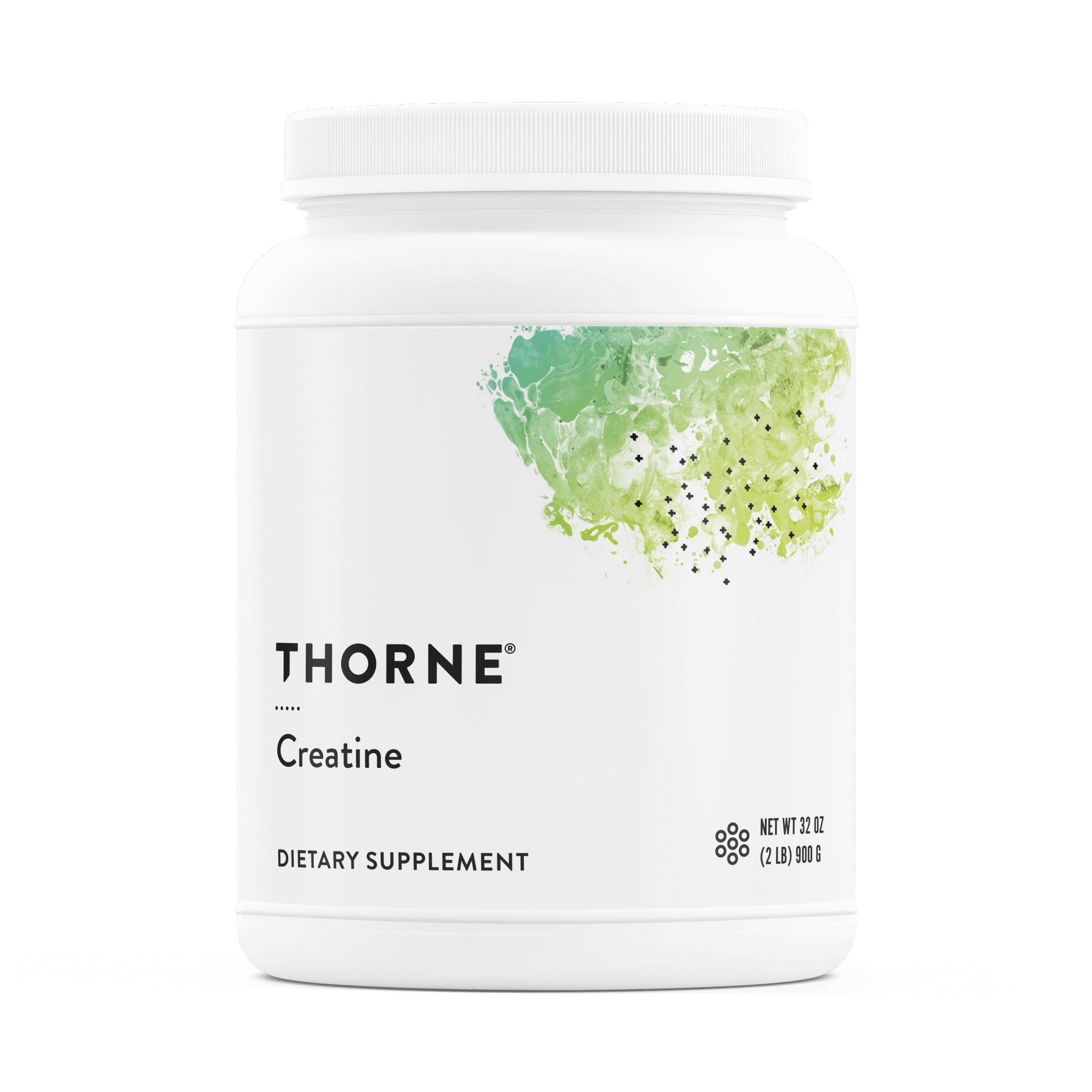
Thorne Creatine Monohydrate
We may earn a commission if you purchase through this link — it doesn't affect the price you pay
Muscle Benefits: Creatine Combined With Resistance Training Fights Sarcopenia
If the goal is preserving strength and lean mass, the best evidence isn’t creatine by itself. It’s creatine plus resistance training. That distinction matters because supplements are often sold like they can do the job alone. Usually they can’t. The dumbbells still have to make an appearance.
In a meta-analysis published in the Open Access Journal of Sports Medicine, researchers pooled 22 randomized controlled trials with 721 participants whose mean ages ranged from 57 to 70. Older adults who used creatine during resistance training gained an average of 1.37 kilograms more lean tissue mass than those doing the same training without creatine. They also showed significantly better improvements in chest press and leg press strength.
That isn’t a tiny cosmetic change. An extra 1.37 kilograms of lean mass is relevant in the decade when sarcopenia stops being an abstract medical word and starts looking like slower recovery, weaker lifts, and a body that quietly renegotiates what it can do. Creatine doesn’t replace training volume, protein intake, or sleep, but it appears to make the work you are already doing pay off better.
The practical part is boring, which is usually a good sign. If you already lift two to four times per week, creatine monohydrate is worth considering because the evidence says it can meaningfully improve the return on that effort. If you don’t train at all, creatine isn’t the first lever to pull. Buying powder before building the habit is how supplements become pantry decor.
Cognitive Benefits: What the Evidence Says About Creatine and the Aging Brain
The brain case for creatine is real enough to pay attention to and early enough to avoid overselling. That’s a healthier place to start than the usual supplement marketing script, which would have skipped straight to “mental performance breakthrough” and then asked for your credit card.
A 2025 narrative review in Frontiers in Nutrition found that creatine supplementation produced modest improvements in memory, processing speed, and executive function in older adults, with the strongest signal in people who likely started with lower baseline creatine levels. A 2025 systematic review indexed in PubMed also reported a positive association in 5 of 6 studies involving healthy older adults, particularly in memory and attention.
That’s encouraging, but it isn’t definitive. The right takeaway is that creatine has a plausible muscle-brain case and some human evidence behind it, not that it reliably turns a stressed executive into a chess computer. If you sleep five hours, drink like a consultant on a client dinner circuit, and haven’t touched a barbell in a year, creatine isn’t going to negotiate with those inputs on your behalf.
Still, for an older adult already doing the basics reasonably well, modest gains in attention, memory, or processing speed are worth caring about. This audience isn’t trying to win a spelling bee. It’s trying to stay sharp enough that the meeting at 4 p.m. doesn’t feel like it happened underwater.
The Right Dose: Maintenance vs. Loading Protocols for Men Over 50
This part doesn’t need to be complicated. A daily maintenance dose of 3 to 5 grams of creatine monohydrate is the standard evidence-based recommendation for older adults. The Journal of Clinical Medicine and Northeastern University News both point to that range as the practical default.
There is also an optional loading protocol: 20 grams per day, split into four 5-gram doses, for 5 to 7 days. The benefit of loading is speed. It saturates muscle creatine stores sooner. The downside is that some people find it more annoying and more likely to cause temporary gastrointestinal complaints. It isn’t required for results.
For most men over 50, the grown-up answer is maintenance dosing. Three to five grams a day, every day, including rest days, is enough. Timing matters less than consistency. Taking it after your workout because you remember it is better than building a ceremonial timing ritual you will abandon in nine days.
The only dosing trap worth naming is inconsistency. People treat creatine like a pre-workout because the powder sits near the shaker cup. It works more like a saturation supplement. Daily use is the point.
Creatine Monohydrate vs. Every Other Form: Which One Has the Evidence
This is where the supplement industry starts doing what it does best: dressing up a solved problem so it can sell the solution again at a higher margin. Monohydrate has the evidence. The rest mostly have marketing decks.
According to Northeastern University News, creatine monohydrate is backed by more than 680 clinical trials and over 12,800 participants, with near-complete bioavailability. That’s what an evidence moat looks like. It isn’t glamorous, but it is hard to argue with.
By contrast, Healthline notes that creatine hydrochloride has fewer than 20 human studies and no clear evidence of superiority. Creatine ethyl ester looks even worse on paper because it degrades to creatinine in the gastrointestinal tract before it reaches muscle tissue effectively. In other words, some of the fancier labels aren’t advanced. They are just expensive.
For a reader who values time and hates supplement nonsense, this section should save both. Buy plain creatine monohydrate. Don’t pay extra for “buffered,” “ultra-soluble,” or “next-generation” language unless a company can produce real comparative human data showing better outcomes. Most can’t.
Safety, Quality, and What to Look for When Buying Creatine
The safety profile is one reason creatine keeps surviving scrutiny. Northeastern University News reports that creatine monohydrate holds FDA Generally Recognized as Safe status, and Frontiers in Physiology reinforces its strong safety record when used as directed.
The most common side effect isn’t scary. It’s minor weight gain from water retention, typically around 1 to 2 kilograms. That can bother people who are scale-sensitive, but it isn’t the same thing as fat gain. If you know that in advance, you avoid the annual tradition of misreading a useful supplement as a personal betrayal because the bathroom scale got theatrical.
Quality matters because the supplement aisle is full of companies that enjoy the aesthetic of science more than the discipline of it. The practical filter is third-party testing. Look for seals such as Informed Sport, NSF Certified for Sport, or USP Verified. Those marks don’t make a product perfect, but they do tell you somebody besides the brand checked what was in the tub.
Who is this not for? If you have known kidney disease, fluid-management restrictions, or a clinician actively managing a complicated medical picture, this isn’t a casual add-to-cart decision. The evidence here speaks most clearly to otherwise healthy older adults. Everyone else should treat supplementation like part of a medical conversation, not a side quest.
Related: Creatine for Men Over 45: Science-Backed Dosage, Benefits, and Top Brands
Related: Protein Powder for Men Over 45: Whey, Plant, and Collagen Compared by Research
Related: Third-Party Tested Omega-3 Supplements: Ranking the Brands That Verify Their Labels
Frequently Asked Questions
Does creatine cause bloating or water retention in men over 50?
It can cause some water retention, and Northeastern University News puts the common range around 1 to 2 kilograms. That’s usually intracellular water associated with creatine storage, not body fat. Some men describe that as “bloating,” but it is usually mild and often settles once expectations catch up with reality.
Can I take creatine if I have high blood pressure or take statins?
The cited sources here don’t make a direct claim about statin use or blood-pressure medications, so this is where a clean line matters. If you are otherwise healthy, creatine monohydrate has a strong general safety profile. If you have cardiovascular medication questions or a complicated medical history, run it past your clinician rather than improvising.
Do I need to cycle creatine on and off, or can I take it indefinitely?
Nothing in the cited dosing guidance suggests cycling is necessary. The standard approach is daily use at 3 to 5 grams, including rest days. Creatine works through saturation, so regular intake matters more than on-off experimentation.
Is creatine safe for kidney function in otherwise healthy older adults?
The cited safety discussion supports creatine monohydrate as safe for older adults when used as directed, and the article’s safety framing is aimed at otherwise healthy users. That’s different from saying every person in every clinical situation should use it. If kidney disease is already on the table, that deserves clinician input first.
Will creatine help with brain fog and mental clarity during high-stress periods?
Maybe modestly, but this is where expectations need adult supervision. The Frontiers in Nutrition review and the 2025 PubMed-indexed systematic review suggest possible benefits for memory, attention, and processing speed in older adults. That’s promising. It isn’t a substitute for sleep, stress control, or actually leaving the office before your nervous system files a complaint.
If the goal is preserving strength, lean mass, and maybe a bit of cognitive edge, creatine monohydrate has earned a place on the short list. For men over 50, the case isn’t hype-based. It’s evidence-based, reasonably cheap, and refreshingly hard to overcomplicate.
Sources
- Open Access Journal of Sports Medicine. “Effect of creatine supplementation during resistance training on lean tissue mass and muscular strength in older adults: a meta-analysis.” https://pmc.ncbi.nlm.nih.gov/articles/PMC5679696/
- Journal of Clinical Medicine. “Effectiveness of Creatine Supplementation on Aging Muscle and Bone: Focus on Falls Prevention and Inflammation.” https://pmc.ncbi.nlm.nih.gov/articles/PMC6518405/
- Northeastern University News. “Is creatine safe and effective for older adults? What the latest research says.” https://news.northeastern.edu/2025/03/21/is-creatine-safe-effective-older-adults/
- Frontiers in Nutrition. “Creatine supplementation and exercise in aging: a narrative review of the muscle-brain axis and its impact on cognitive and physical health.” https://www.frontiersin.org/journals/nutrition/articles/10.3389/fnut.2025.1687719/full
- Frontiers in Physiology. “The power of creatine plus resistance training for healthy aging: enhancing physical vitality and cognitive function.” https://pmc.ncbi.nlm.nih.gov/articles/PMC11649744/
- Healthline. “Creatine Types: Benefits, Research, and How to Choose.” https://www.healthline.com/nutrition/types-of-creatine
- PubMed (National Library of Medicine). “Creatine and cognitive function: a systematic review.” https://pubmed.ncbi.nlm.nih.gov/40971619/
Continue reading: Read the pillar — Supplements & Nutrition
This article is for informational purposes only and is not financial advice. Consult a qualified professional for personalized guidance.
Leave a Reply