

Sleep and testosterone production in men over 45 is one of those topics that gets treated like wellness wallpaper. Sleep more. Stress less. Darken the room. Fine. But the useful part is more specific than that: testosterone isn’t produced on some vague “healthy lifestyle” schedule. It follows a circadian rhythm, rises during sleep, and depends heavily on the structure of the night itself.
That matters more after 45, when sleep often gets worse for boring adult reasons and not-so-boring medical ones. Stress runs higher. Alcohol hits harder. Wake-ups multiply. Sleep apnea gets more common. Recovery takes longer. Then the same man who feels flatter in the gym, duller at work, and less interested in sex starts wondering whether the issue is age, low testosterone, bad sleep, or some particularly rude combination of all three.
Usually, it is the combination. The helpful reframe is this: sleep isn’t just a recovery tool. It’s part of the hormone factory shift. If that overnight shift keeps getting interrupted, production suffers.
How Sleep Regulates Testosterone Production in Men Over 45: The Nocturnal Surge
Testosterone production is tightly linked to sleep timing, not just to the number of hours spent horizontal. Sleep Foundation’s 2024 review notes that testosterone levels are typically lowest around 8 p.m., rise during sleep, and peak around 8 a.m. The major surge starts before the first REM episode, roughly 90 minutes into the night, and the biggest testosterone release happens during deep slow-wave sleep in the first half of the night.
That point gets missed constantly. Men often think testosterone is something the body makes evenly across the day, like background office lighting. It’s closer to a scheduled overnight process. Deep sleep sets up the main production window, and REM sleep helps sustain higher levels until morning.
For men over 45, this matters because sleep architecture tends to get less cooperative with age. Deep sleep often declines. REM can get chopped up. More awakenings means fewer uninterrupted hormonal pulses. If sleep becomes lighter and more fragmented, the body isn’t just leaving you tired. It may also be trimming the exact stages that support normal testosterone output.
This is why “I was in bed for seven hours” isn’t the same as “I got the kind of sleep that supports testosterone.” Time in bed is a rough input. Sleep structure is where the useful physiology lives.
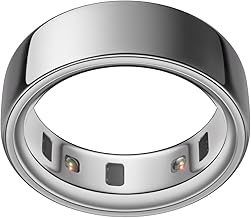
Oura Ring 4 — Silver
$349.99
This article contains affiliate links. We may earn a commission at no extra cost to you.
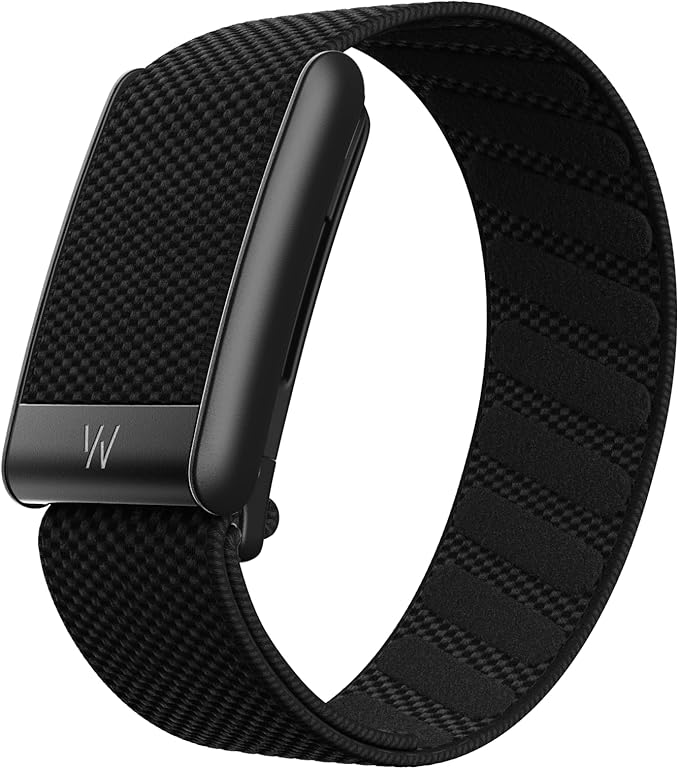
WHOOP MG Health Monitor
$239.00
This article contains affiliate links. We may earn a commission at no extra cost to you.
What the Science Says: How Much Sleep Loss Actually Lowers Testosterone
Sleep loss lowers testosterone by an amount large enough to matter, and the data here isn’t hand-wavy. In a 2011 JAMA study, Rachel Leproult and Eve Van Cauter restricted healthy young men to five hours of sleep per night for one week. Daytime testosterone levels dropped by 10% to 15%, which the researchers compared to roughly 10 to 15 years of age-related hormonal decline.
That was in men with an average age of 24, not 54. Which is both interesting and annoying. If sleep restriction can produce that kind of drop in younger men with otherwise resilient systems, older men shouldn’t assume they are somehow insulated from the same mechanism.
The decline was especially pronounced between 2 p.m. and 10 p.m., which helps explain a familiar pattern: morning may feel passable, then the energy leak starts, training feels mediocre, patience gets shorter, and by evening the whole machine is running like it missed a maintenance cycle. UChicago Medicine’s coverage of the same study underscored that sleep-deprived men also reported reduced vigor and well-being while their hormone levels were falling.
Some observational research suggests that each hour of sleep lost may correspond to about a 5.85 ng/dL reduction in serum testosterone. That estimate isn’t destiny for any one person, but it does make the stakes more concrete. A “busy season” sleep pattern that feels temporary can push testosterone in the wrong direction surprisingly fast.
The broader lesson is simple: if sleep is routinely cut to five or six hours, don’t be shocked when the labs and the symptoms start telling the same story.
The Bidirectional Trap: Why Low Testosterone and Poor Sleep Reinforce Each Other
Poor sleep can lower testosterone. Low testosterone can also make sleep worse. That’s the trap.
Cleveland Clinic notes that low testosterone is common, affecting about 39% of men over 45. Separate work published in the Journal of Clinical Endocrinology & Metabolism found that older men with lower testosterone had significantly less slow-wave sleep, the deepest and most restorative stage, and that this sleep loss contributed to daytime fatigue beyond what normal aging explained.
So a man can end up inside a feedback loop that is more mechanical than mysterious. Poor sleep suppresses testosterone production. Lower testosterone is associated with worse sleep efficiency, more awakenings, and less deep and REM sleep. Then the next night starts from a weaker baseline.
This is where a lot of generic advice becomes useless. If someone says “just sleep better,” that ignores the fact that hormone status may already be pulling the wrong lever. If someone says “just fix the testosterone,” that ignores the possibility that the original suppressor was untreated sleep disruption. Neither half of the loop should be treated like the whole story.
For men over 45, the practical takeaway is to stop separating symptoms into neat little folders. Fatigue, poor recovery, lower libido, restless sleep, and afternoon burnout may not be separate issues auditioning for attention. They may be one system describing the same problem from different angles.
Sleep Apnea and Testosterone: The Overlooked Connection for Men Over 45
Sleep apnea deserves more attention in this conversation because it is common, treatable, and easy to miss if all eyes go straight to the testosterone number.
The American Journal of Medicine published a 2022 review showing that obstructive sleep apnea is strongly associated with lower testosterone, independent of age and body mass index. Men with severe apnea, defined as an apnea-hypopnea index above 30, had significantly lower total and free testosterone than matched controls. The mechanism makes sense: intermittent nighttime hypoxia and repeated sleep fragmentation interfere with normal pituitary-gonadal signaling.
Sleep Foundation’s 2024 review adds another important point: sleep apnea is particularly common in older men, and some estimates put its prevalence in men over 60 between 45% and 65%. That means a man can be doing everything that looks disciplined on paper, still wake up drained, and never realize his overnight oxygen levels and sleep continuity are the main saboteurs. The body doesn’t care how expensive the mattress was.
Treatment can help, though results aren’t perfectly uniform. Some studies show that CPAP therapy improves testosterone levels in at least a subset of patients, while others find more modest hormonal change. Even when testosterone doesn’t jump dramatically, improving apnea still matters because it can improve sleep quality, daytime function, blood pressure, and cardiovascular risk.
This is also why men thinking about testosterone replacement therapy should talk with their provider about sleep apnea screening first. Untreated apnea can complicate the picture, and TRT may worsen breathing during sleep in some patients. If there is loud snoring, witnessed apneas, choking awakenings, or heavy daytime sleepiness, that isn’t a detail to circle back to later.
Practical Sleep Interventions That Support Healthy Testosterone Levels
The useful interventions here aren’t glamorous, which is usually a good sign.
First, get serious about sleep duration. Most evidence still points toward 7 to 9 hours as the productive range for adults, and a 2023 BMC Geriatrics study in older men found an inverted U-shaped relationship between sleep duration and testosterone, with the highest levels appearing around 9.9 hours. That doesn’t mean everyone should aim for nearly 10 hours. It does mean chronically scraping by on six isn’t some badge of executive excellence. It’s usually just bad math.
Second, keep the sleep-wake schedule consistent. Testosterone rhythms depend on circadian timing, and Cleveland Clinic notes that hormonal signaling is disrupted when overall sleep quality and timing drift. Men who sleep at midnight one night, 10 p.m. the next, then 1 a.m. after drinks on Thursday are basically asking the endocrine system to run the overnight shift with a broken punch clock.
Third, watch alcohol near bedtime. Cleveland Clinic cites data showing alcohol can suppress nocturnal testosterone output by up to 23%. That doesn’t require monk-like behavior. It does require recognizing that “nightcap for better sleep” is often one of those stories adults tell themselves because the first half-hour feels relaxing.
Fourth, manage stress with something real enough to lower evening cortisol. Elevated cortisol can blunt testosterone production, and this is one place where simple routines beat fancy gear: earlier workouts, a real shutdown time for work, dimmer light at night, and fewer screens in the last hour if they keep the brain buzzing.
Fifth, get bright light in the morning. Mayo Clinic’s 2024 sleep guidance for older adults emphasizes morning light exposure as a way to anchor circadian rhythm. This helps the whole sleep schedule line up better, which matters because testosterone production is partly a timing problem, not just a fatigue problem.
And if weight is part of the story, modest loss can move both sleep and hormones in the right direction. Cleveland Clinic reports that a 7% to 10% reduction in body weight can improve testosterone levels in men with obesity. That can also reduce sleep apnea severity. Sometimes one intervention improves two bottlenecks at once, which is about as close to a bargain as adult physiology gets.
When to Order Labs: Connecting Sleep Quality to Biomarker Assessment
There is a point where sleep hygiene stops being the whole answer and measurement becomes useful.
If a man over 45 has persistent fatigue, low libido, reduced exercise recovery, poor concentration, or sleep that still feels broken despite basic cleanup, morning labs are reasonable. Cleveland Clinic defines low testosterone as below 300 ng/dL, and standard evaluation usually starts with total testosterone measured in the morning, ideally between 8 and 10 a.m., when levels are highest.
A fuller picture often includes free testosterone, SHBG, estradiol, and LH and FSH. Those markers help separate “testosterone is low” from “why testosterone is low,” which is the more useful question. If the issue is primary testicular failure, the pattern may differ from a case driven by weight gain, sleep disruption, medications, or pituitary signaling.
Sleep symptoms should also shape the workup. Loud snoring, witnessed apneas, waking up gasping, or excessive daytime sleepiness are reasons to discuss a formal sleep study, whether that means polysomnography or a validated home sleep test. A man can have a borderline testosterone value and a major sleep disorder at the same time. Treating only one is a good way to stay confused.
This is also where restraint matters. Not every tired 52-year-old needs TRT, and not every low-normal lab needs a hormone prescription. The evidence supports professional evaluation when symptoms persist, not reflexive treatment because a friend at the gym said the clinic down the street “changed everything.”
If the sleep side is unresolved, solve that first or at least evaluate it in parallel. Hormone decisions made on top of untreated apnea, chronic sleep restriction, or heavy alcohol-related sleep disruption are often less precise than they look on paper.
Frequently Asked Questions
Can melatonin or other sleep supplements improve testosterone levels?
Not directly in any well-established way. Melatonin may help some people fall asleep or shift sleep timing, but the better question is whether it improves actual sleep quality enough to support the normal overnight testosterone surge. The mechanism is indirect. If a supplement helps sleep structure, testosterone may benefit downstream. If it just adds another bottle to the nightstand, probably not.
How long does it take for sleep improvements to show up in testosterone lab results?
It depends on how disrupted sleep was in the first place, but the Leproult and Van Cauter study showed measurable decline after just one week of restricted sleep. That suggests the system can move fairly quickly in both directions. In practice, it makes sense to give a sleep intervention a few consistent weeks before expecting cleaner labs, especially if apnea, alcohol, or chronic stress has been part of the picture.
Does the time I go to bed matter for testosterone production, or is it just total hours?
Timing matters because testosterone follows circadian rhythms, not just an hourly quota. Total duration still matters a lot, but irregular bedtimes can disrupt the hormonal pattern that normally unfolds across deep sleep and REM sleep. A consistent schedule usually gives the body a better shot at producing testosterone on time instead of improvising.
Should I test for sleep apnea before starting TRT?
It’s worth discussing with your provider, especially if you snore loudly, stop breathing during sleep, wake up choking, or feel excessively sleepy during the day. Sleep apnea is strongly associated with lower testosterone, and TRT may worsen breathing during sleep in some men with untreated apnea. That’s a strong argument for screening earlier rather than later.
Will losing weight improve both sleep and low testosterone?
Often, yes, especially when excess weight is contributing to poorer sleep quality or obstructive sleep apnea. Cleveland Clinic reports that losing 7% to 10% of body weight can improve testosterone in men with obesity. It isn’t a guarantee, but it is one of the more plausible ways to improve two overlapping problems at the same time.
The Bottom Line
For men over 45, sleep isn’t a side issue in testosterone health. It’s one of the main control knobs. If sleep quality is poor, especially because of chronic restriction or untreated apnea, testosterone production can drift lower in a hurry. Before assuming the answer is purely hormonal, get honest about the night shift first.
Related: TRT and sleep quality in men over 45
Related: TRT and sleep apnea
Related: low testosterone symptoms men over 45 often miss
Related: normal testosterone levels for men over 50
This article is for informational purposes only and is not financial advice. Consult a qualified professional for personalized guidance.
Leave a Reply