

Creatine has a branding problem. Most men still file it under gym powder, shaker bottle, and that guy in the weight room who somehow talks only in capital letters. That misses the more interesting question. The brain uses a huge amount of energy, cognitive performance gets less forgiving with age, and creatine cognitive benefits for men over 50 are showing up most clearly where the brain is under real demand rather than at perfect-rest-lab-demo moments.
That distinction matters. A 55-year-old executive isn’t trying to win a memory contest at noon after nine hours of sleep and a monastery-level stress load. He is trying to stay sharp after a bad night, a stacked calendar, and the kind of sustained mental effort that makes simple mistakes more expensive than they used to be.
The straight take from the current evidence is this: 3 to 5 grams of creatine monohydrate daily is worth considering for men over 50 who want a low-cost, low-friction way to support working memory and fatigue resistance. The evidence for broad neuroprotection is still emerging, not settled. But the evidence for helping the aging brain maintain energy under pressure is much better than most people realize.
How Creatine Fuels the Aging Brain
The brain is an energy hog. It uses roughly 20% of the body’s energy, which is a pretty aggressive arrangement for an organ that weighs about three pounds and never once helps carry groceries. To keep up, neurons rely on the creatine and phosphocreatine system to regenerate ATP quickly when demand spikes.
Ostojic and colleagues, writing in Aging Clinical and Experimental Research in 2021, summarize why that matters in older adults. Brain cells use a brain-specific creatine kinase isoform, BB-CK, to shuttle energy where it is needed fast. As creatine levels and creatine kinase activity decline with age, that energy-buffering system gets less robust. The result isn’t theatrical collapse. It’s subtler than that: more bioenergetic drag, less reserve, and worse performance when the task gets demanding.
That’s the useful frame for creatine. It isn’t a stimulant. It doesn’t make the brain “faster” in the cartoon sense. It appears to give neurons a larger backup battery, especially during sustained effort. For older men, that is exactly where the appeal lives. The issue is often not baseline intelligence. The issue is keeping the edge when the day drags on.
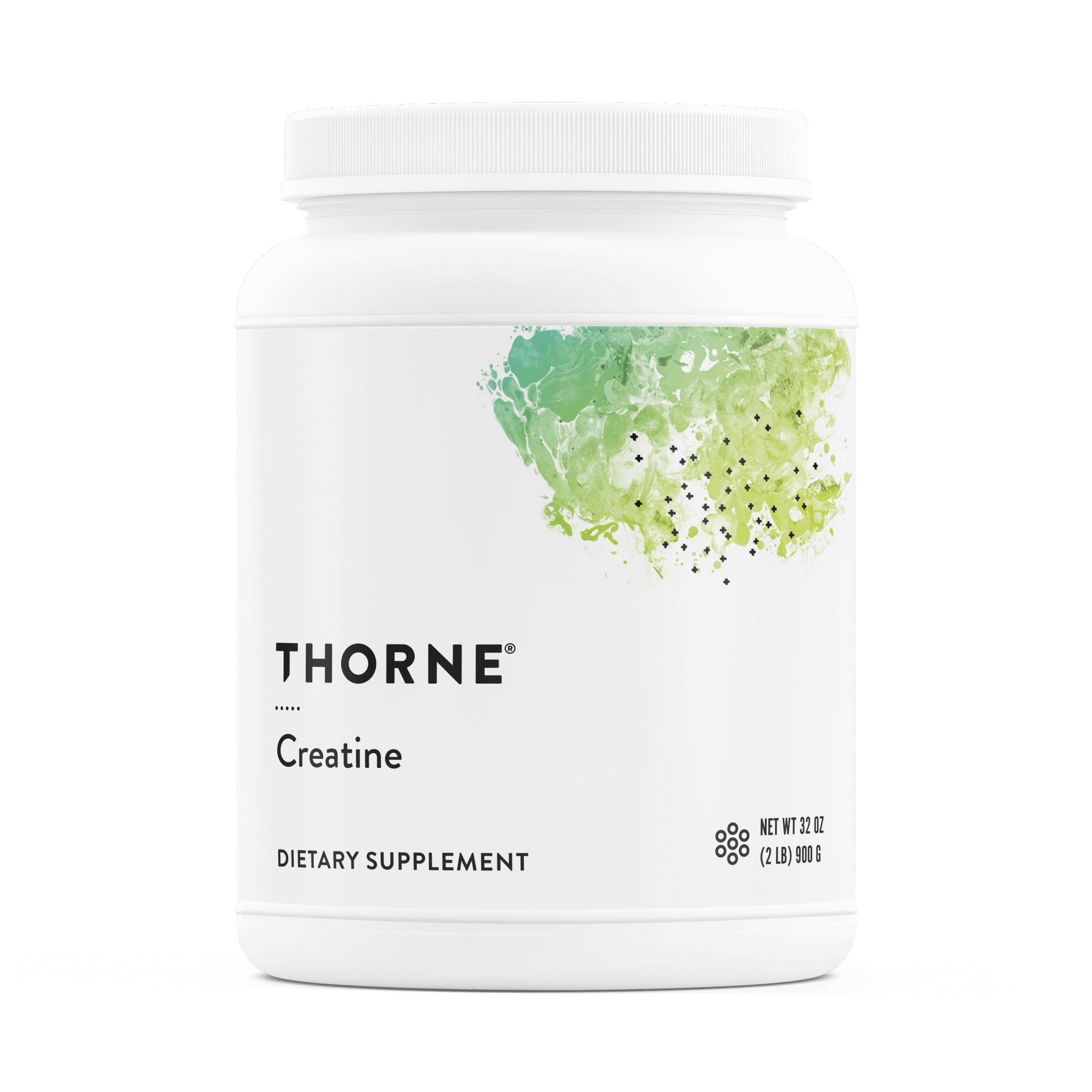
Thorne Creatine Monohydrate
We may earn a commission if you purchase through this link — it doesn't affect the price you pay
Creatine Cognitive Benefits for Men Over 50: What RCTs Show at 5g Daily
This is the section most people actually care about: does supplementation improve memory in a way that survives contact with real data?
The best current summary says yes, modestly. A 2024 systematic review and meta-analysis in Frontiers in Nutrition looked at 16 randomized controlled trials involving 492 participants ages 20.8 to 76.4. The pooled effect on memory was statistically significant, with a standardized mean difference of 0.31 and a 95% confidence interval of 0.18 to 0.44. That isn’t miracle territory. It’s meaningful, repeatable signal territory, which is a much better place to be.
Older adults appear especially relevant here. In a 2007 trial published in Aging, Neuropsychology and Cognition, McMorris and colleagues gave healthy elderly participants, with a mean age around 76, 20 grams of creatine per day for one week. The supplemented group improved on forward number recall, spatial recall, and long-term memory tasks. That doesn’t automatically prove every 52-year-old man taking 5 grams a day will feel sharper by next Tuesday. It does show the direction of effect is credible, and it shows up on cognitive tasks that map to daily life more than supplement marketing usually does.
The practical implication is that creatine seems best viewed as support for working memory capacity and cognitive endurance, not as a dramatic brain hack. If your expectation is “I become Bradley Cooper in a movie that got way too much mileage out of one pill,” that expectation needs to calm down. If your expectation is “I may hold up better during mentally demanding days,” the evidence fits that much better.
Fatigue Resistance Under Cognitive Load
Creatine’s most interesting cognitive use case may be stress, not baseline optimization. The benefits tend to look stronger when the brain is under metabolic strain, which is exactly when many men over 50 notice performance slipping.
The mechanism is straightforward. By helping preserve brain phosphocreatine stores, creatine gives neurons more ATP-buffering capacity when demand suddenly rises. That can help prevent the energy shortfall and cellular acidification that contribute to mental fatigue. In plain English: the brain gets a little more backup power before performance starts wobbling.
The same 2007 McMorris study and the 2024 Frontiers in Nutrition review both point in this direction. Improvements show up in short-term memory and related cognitive tasks, especially when conditions are less than ideal. UCLA Health’s 2025 review by Yasi Ansari makes the same practical point in a more public-facing format: creatine may help maintain cognitive performance during sleep deprivation and periods of sustained mental effort.
That matters because this is how real life usually presents. The older executive doesn’t schedule his hardest thinking only after perfect sleep, clean meals, and a stress-free week. He thinks through negotiations after a travel day, reviews budgets after fragmented sleep, and tries not to make expensive mistakes while his inbox reproduces like fruit flies. Creatine looks most useful in that exact messier context.
Neuroprotection: Emerging Evidence and Ongoing Trials
This is where the article needs some discipline. There is a big difference between “interesting signal” and “established neuroprotective intervention,” and the supplement world isn’t famous for respecting that difference.
Ostojic’s 2021 analysis of NHANES data looked at 1,340 US adults age 60 and older, with a mean age of 71.4 years. Adults consuming more than 0.95 grams of creatine per day from food scored significantly higher on the WAIS-III Digit Symbol Substitution Test than those with lower intake, even after adjustment for sociodemographic and nutritional variables. That’s a useful observational signal. It suggests higher creatine intake tracks with better cognitive performance in older adults. It doesn’t prove creatine prevents cognitive decline.
The fact that active trials are still underway tells the honest story. ClinicalTrials.gov lists an ongoing 26-week trial at Western University, NCT06948149, studying creatine plus resistance training in older adults with mild cognitive impairment. Researchers are tracking visuospatial working memory, executive function, and blood-based brain health biomarkers. That’s exactly the kind of study you run when the mechanism looks plausible and the early data is promising, but the answer isn’t final yet.
So the fair conclusion is measured. Neuroprotection is emerging evidence, not settled evidence. Men over 50 should pay attention because the research is credible and moving. They shouldn’t tell themselves that creatine is some kind of insurance policy against dementia. The data hasn’t earned that headline.
Practical Dosing, Safety, and What to Look For
For most older men with normal kidney function, this is the simple part. UCLA Health and Mayo Clinic both describe 3 to 5 grams of creatine monohydrate daily as the standard maintenance range, and 5 grams is the most practical target if the goal is lining up with how many supplementation studies are structured.
Creatine monohydrate is still the form with the best evidence base. Not gummies, not exotic delivery systems, not whatever suffix got added by a marketing team that needed quarterly excitement. Plain monohydrate is usually the right answer because it is the studied answer.
Purity matters more than branding theater. Third-party certifications such as NSF Certified for Sport and Informed Sport help verify that the product contains what it says it contains and is screened for contaminants. That’s the kind of boring detail that usually matters more than flashy packaging.
Two caveats matter. First, creatine can mildly raise serum creatinine. That’s a normal metabolic byproduct and not, by itself, evidence of kidney damage. Still, tell your clinician if you are taking it before bloodwork so the lab interpretation doesn’t wander off in the wrong direction. Second, this isn’t for everyone. Men with known kidney disease, unexplained kidney-function abnormalities, or a clinician actively working up renal issues should clear supplementation first instead of freelancing it from the supplement aisle.
Who Benefits Most Among Men Over 50
Not every man gets the same payoff from creatine, and that is one reason the results in headlines can feel uneven. The 2024 Frontiers in Nutrition meta-analysis and the individual trial data suggest stronger cognitive benefits in people with lower baseline creatine stores or higher metabolic stress.
That points to a few obvious responder groups. Older adults are one. Vegetarians are another, because dietary creatine intake is naturally lower. Sleep-deprived workers and men under heavy cognitive load also look more likely to notice a difference, because that is when the brain’s energy-buffering system gets stress-tested.
The intake gap is part of the story. Ostojic’s 2021 paper reports average dietary creatine intake among US adults age 60 and older at 1.13 grams per day. That isn’t trivial, but it is still well below the 5-gram dose used in many supplementation studies. In other words, the average older man’s diet isn’t getting him close to the intake level most often studied for cognitive support.
That doesn’t mean every man over 50 should rush out and start scooping powder into water like it is a civic duty. It means the men most likely to benefit are the ones who are older, mentally taxed, under-slept, or simply not getting much creatine from food. For that group, creatine is one of the more rational supplement bets in the category: low cost, plausible mechanism, decent human data, and very little drama required.
Frequently Asked Questions
Does creatine affect blood pressure or heart health in older men?
This article’s evidence base focuses on cognition, not cardiovascular outcomes, so there is no clean claim to make here. Men over 50 who already track blood pressure, lipids, or other cardiac risk markers should keep those conversations with their clinician separate from the cognitive case for creatine rather than assuming one supplement solves every category at once.
How long does it take for creatine supplementation to affect cognitive performance?
The evidence is mixed because study designs vary. McMorris and colleagues saw measurable effects after one week at 20 grams per day in elderly participants, while many real-world users take 3 to 5 grams daily as a steady maintenance routine. The practical answer is to think in weeks, not hours, and to judge it by consistency rather than by a dramatic first-day effect.
Is it better to take creatine with food or on an empty stomach for brain benefits?
The evidence cited here doesn’t point to a major cognitive advantage from taking creatine with food versus on an empty stomach. Consistency matters more than ritual. The useful move is taking a tolerable daily dose you will actually remember.
Can I get enough creatine from diet alone, or is supplementation necessary?
Some men can get meaningful creatine from red meat and fish, but Ostojic’s NHANES analysis found average intake in adults over 60 was 1.13 grams per day. That’s well below the 3 to 5 grams commonly used for supplementation, so diet alone may be enough for some men but often isn’t enough to match study dosing.
Does creatine interact with common medications men over 50 take, like statins or blood pressure drugs?
The sources cited here don’t establish a strong interaction signal with those common medication classes, so the safe answer isn’t to improvise. If you take prescription medications, especially if kidney function is already being monitored, tell your clinician you are using creatine so your labs and medication plan are interpreted in the right context.
Creatine isn’t just a muscle supplement with better public relations lately. For men over 50, the evidence suggests 3 to 5 grams of creatine monohydrate daily is worth considering if the goal is better working memory support and more cognitive resilience under fatigue. The neuroprotection story is still emerging, but the energy-buffer argument and the memory data are already solid enough to take seriously.
Continue reading: Read the pillar — Supplements & Nutrition
This article is for informational purposes only and is not financial advice. Consult a qualified professional for personalized guidance.
Leave a Reply