
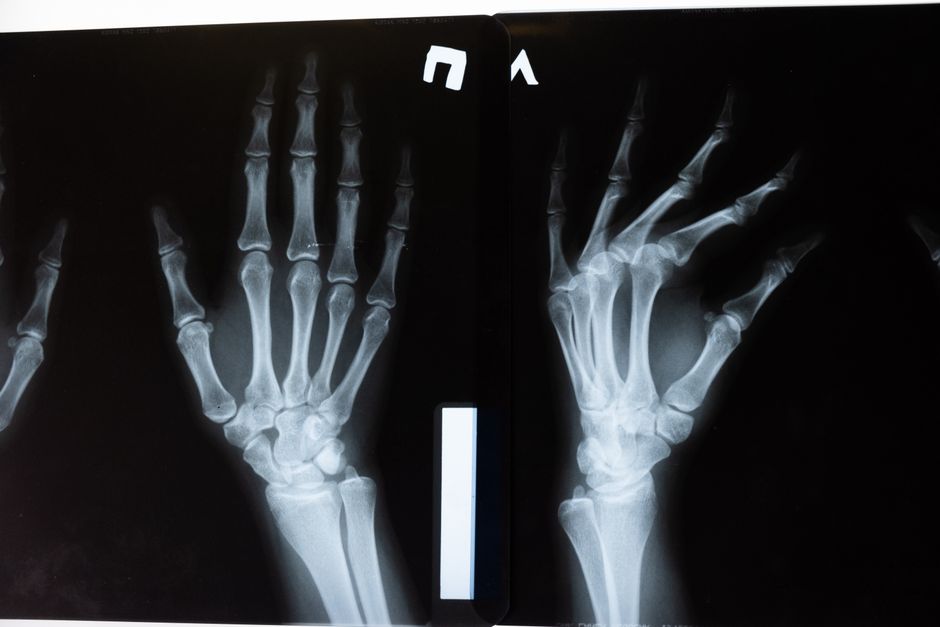
If you’re looking at TRT because energy, recovery, or libido stopped behaving like they did at 42, bone is probably not the first thing on your mind. Fair enough. Most men over 50 think about hormone therapy in terms of strength, body composition, and whether they still feel like themselves. But bone is part of that same story, and ignoring it is how a quiet problem stays quiet until it turns into a fracture.
For men over 50, TRT can improve bone density measurements, especially in the spine. That’s the clean headline. The less tidy version is that better bone density on a scan doesn’t automatically mean fewer broken bones in real life. That distinction matters, because “stronger-looking DEXA report” and “lower fracture risk” aren’t the same outcome.
The evidence is useful here, but it needs translating. Here’s the straight take: TRT appears to help bone mineral density in hypogonadal men, it shouldn’t be used as a stand-alone fracture prevention strategy, and the smartest move is to treat skeletal health as one part of a larger risk picture that includes estradiol, exercise, nutrition, screening, and plain old fall risk. Your skeleton, unfortunately, doesn’t care how good your calendar discipline is.
Why TRT Bone Density Matters for Men Over 50
Bone loss in older men is more common than most people assume because osteoporosis still gets treated like a women’s health topic with a footnote for everyone else. The CDC National Center for Health Statistics reported in its 2021 Data Brief that 4.4% of U.S. men age 50 and older had osteoporosis at the femur neck or lumbar spine, while 33.5% had low bone mass, or osteopenia. That means more than one in three men over 50 already have measurable loss before the word “fracture” ever enters the conversation.
The Bone Health & Osteoporosis Foundation makes the stakes even clearer: up to one in four men over 50 will break a bone due to osteoporosis in their lifetime. That’s not a tiny edge case. That’s a meaningful risk category for a population that often assumes bone decline happens to someone else, preferably much later.
Why does this matter in a TRT conversation? Because men considering testosterone therapy are often already in the overlap zone for several bone-related issues: aging, lower hormone levels, less resistance training than they did in earlier decades, and sometimes a prior fracture or smoking history. If a man is already tracking total testosterone, free testosterone, hematocrit, and estradiol, skipping bone health is like doing a full financial review while refusing to look at debt. The balance sheet is incomplete.
That doesn’t mean every 52-year-old with fatigue needs a bone-density workup tomorrow morning. It does mean skeletal health belongs in the conversation, especially when the marketing around TRT tends to flatten everything into a simple “feel better, get stronger” pitch. Bones are slower, quieter, and a lot less forgiving.
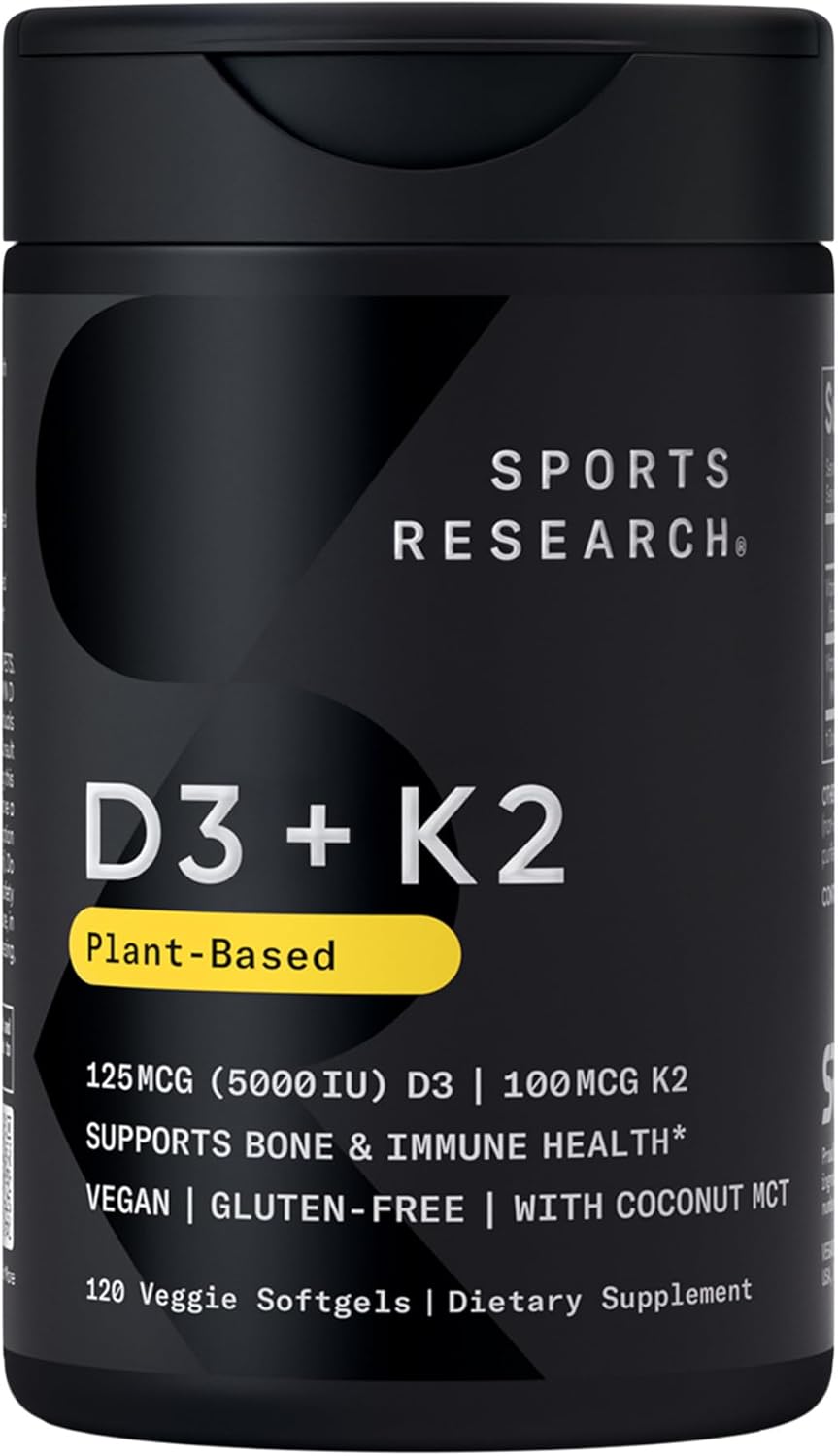
Sports Research Vitamin D3 + K2 (5000 IU)
This article contains affiliate links. We may earn a commission at no extra cost to you.
The Testosterone-Bone Connection: How TRT Affects Your Skeleton
Bone is living tissue, not drywall. It’s constantly being broken down and rebuilt, and testosterone influences both sides of that process. One pathway is direct: testosterone supports osteoblast activity, which helps build new bone. The second pathway is indirect but arguably just as important: some testosterone is converted through aromatization into estradiol, and estradiol helps suppress osteoclast activity, which is the part that tears bone down.
That second piece matters because men on TRT sometimes talk about estrogen as if it exists only to cause side effects. The data doesn’t support that cartoon version. In a 2001 review in Calcified Tissue International, S. Khosla noted that estrogen correlated better than testosterone with bone mineral density in elderly men, and that bioavailable estradiol levels below roughly 18 pg/mL were associated with a 3.1-fold higher risk of hip fracture. In plain English: if estradiol gets pushed too low, the skeleton can pay for it.
This is why the testosterone-bone relationship isn’t just about chasing a higher total T number. TRT may improve the hormonal environment for bone, but part of that effect depends on what happens downstream with estradiol. Men who assume every estrogen increase is a problem can end up fighting the very mechanism that helps protect bone tissue. That isn’t a clever loophole. It’s just bad systems thinking.
The practical takeaway is simple. If TRT is being managed well, bone health should be considered through the combined lens of testosterone status, estradiol status, symptoms, and objective screening when indicated. A hormone panel without context is just a spreadsheet with blood on it.
What the Research Shows: TRT Increases Bone Mineral Density
The strongest clinical support for TRT and bone density in older men comes from the Testosterone Trials, published in JAMA Internal Medicine in 2017 by Snyder and colleagues. In men 65 and older with low testosterone, one year of transdermal testosterone produced a 7.5% increase in lumbar spine trabecular volumetric bone mineral density, compared with 0.8% in the placebo group. Estimated bone strength at the spine increased 10.8% in the testosterone group versus 2.4% with placebo.
Those aren’t rounding-error changes. They suggest that TRT can materially improve bone measurements in the group most likely to be asking this question: older men with confirmed low testosterone. The gains were especially notable in the spine, which is one of the places clinicians actually worry about osteoporotic change. If a patient wants proof that testosterone does more than affect mood or muscle, this is the sort of evidence worth paying attention to.
It’s also worth being precise about what the study did and did not show. It showed better bone density and better estimated bone strength over one year. It did not show that every man on TRT should expect the same degree of benefit, and it did not settle the fracture question. The evidence suggests a favorable effect on bone metrics, particularly in men starting from a lower hormonal baseline, but that is still a narrower claim than “TRT strengthens bones, problem solved.”
That narrower claim is the honest one. TRT looks like a useful bone-support tool in hypogonadal men. It doesn’t look like a fracture force field.
The Surprising Finding: TRT and Fracture Risk
This is where the conversation gets interesting, because the fracture data did not behave the way many people expected. In the TRAVERSE fracture substudy, published in the New England Journal of Medicine in January 2024, clinical fractures occurred in 3.50% of men receiving testosterone versus 2.46% of men receiving placebo. That translated to a hazard ratio of 1.43 with a 95% confidence interval of 1.04 to 1.97.
On the surface, that sounds like a direct contradiction. If TRT improves bone density, why weren’t fractures lower? The first answer is that fracture risk depends on more than bone density. It also depends on how people move, what kinds of injuries they are exposed to, and whether the fractures are classic fragility fractures or the kind that happen because someone got more active, took more risks, or had a bad fall.
The TRAVERSE authors noted that the excess fractures were mainly at the ribs, ankle, and wrist, which are more consistent with trauma than with the classic osteoporotic pattern you would expect at the hip or vertebrae. One plausible explanation is that men on TRT felt better, moved more, trained harder, or simply exposed themselves to more chances to get hurt. Better energy is good. Better energy plus overconfidence has been making orthopedic surgeons money for years.
The bigger point isn’t that TRT is dangerous for bones. It’s that bone density is a surrogate marker, not the whole outcome. A scan can improve while real-world fracture risk stays complicated. So if someone is considering TRT mainly because he wants fewer fractures, the evidence doesn’t support treating testosterone as the primary answer. If he has true hypogonadism and wants to understand the full risk-benefit picture, bone density belongs on the benefits side, but fracture prevention still requires a broader plan.
Who Should Get a Bone Density Screening Before or During TRT
Screening is where this gets practical. The Endocrine Society’s clinical practice guideline, published in the Journal of Clinical Endocrinology & Metabolism in 2012, recommends DEXA screening for all men age 70 and older, and for men 50 to 69 who have risk factors such as low body weight, a prior adult fracture, or smoking. The Bone Health & Osteoporosis Foundation supports the same basic thresholds.
For men starting TRT, a baseline DEXA scan can be especially useful because it gives you a reference point before anything changes. Without that baseline, later results are harder to interpret. You may still learn whether bone density is low, but you lose the ability to compare before and after with much confidence. For a time-poor reader who likes data, that is a frustrating unforced error.
Who should lean harder toward screening before or during TRT? Men over 70, obviously. Men in their 50s or 60s with a previous fracture, low body weight, smoking history, extended inactivity, or other osteoporosis risk factors should also be on the short list. And men who are already on TRT but never had a baseline scan should discuss getting one now rather than pretending perfect data collection started in 2019 and then mysteriously wandered off.
This is also where “consult your provider” earns its keep instead of reading like boilerplate. A clinician can help decide whether DEXA makes sense now, how to interpret T-scores in context, and whether there are other contributors to bone loss that TRT won’t fix, such as medication effects, vitamin D deficiency, or a training pattern that never includes meaningful loading.
Practical Takeaways for Men Considering or Currently on TRT
Start with the clearest conclusion: TRT consistently appears to improve bone mineral density in hypogonadal men, with the strongest data at the lumbar spine. That benefit is real enough to matter. But TRT shouldn’t be prescribed solely as a fracture-prevention tool, because the best fracture data so far doesn’t show the tidy outcome many people assumed it would.
So what should a sane plan look like?
First, treat bone health as part of the full TRT decision, not as a marketing bullet. If low testosterone is confirmed and symptoms line up, bone density can reasonably count as one potential upside. If someone is trying to justify TRT primarily to “protect bones,” the evidence is too mixed for that to stand on its own.
Second, don’t ignore estradiol. The Calcified Tissue International data is a good reminder that lower isn’t automatically better, especially for skeletal health. Men who chase a lab aesthetic instead of a physiologic range can create problems while thinking they are cleaning them up.
Third, keep the basics boring and consistent. Adequate calcium and vitamin D intake still matter. Weight-bearing and resistance exercise still matter. Fall risk still matters. None of this is glamorous, which is probably why it gets less airtime than testosterone optimization talk, but boring habits are often what protect people when the flashy stuff hits its limits.
Fourth, if bone density is already a concern, ask about monitoring with DEXA every one to two years. That interval gives you a workable way to see whether the broader plan is moving in the right direction. TRT may be part of that plan. It isn’t the whole plan.
And finally, keep the framing clean: better scans are useful, but the real goal is fewer injuries and more durable function. That’s the reframe. Bone density is a measurement. Skeletal resilience is the outcome.
Frequently Asked Questions
Can TRT alone reverse osteoporosis or osteopenia in men?
Not reliably, and it shouldn’t be framed that way. TRT can improve bone mineral density in hypogonadal men, especially at the spine, but the current evidence doesn’t show that testosterone alone is a complete osteoporosis treatment. If bone loss is already established, the conversation usually needs to include DEXA monitoring, exercise, calcium and vitamin D intake, and a broader review of fracture risk with your provider.
How long does testosterone therapy take to improve bone density?
The strongest number in the current evidence comes from the 2017 JAMA Internal Medicine Testosterone Trials, which measured meaningful bone-density gains after one year of treatment. That doesn’t mean nothing happens before then, but it does mean bone is a slow-moving tissue. Anyone expecting a six-week transformation is using the wrong body system.
Does the TRT delivery method, such as injections, gels, or pellets, affect bone density outcomes differently?
The strongest cited bone-density data here comes from transdermal testosterone in older men, so that is the cleanest evidence base discussed here. In practice, the key issue is usually whether therapy achieves and maintains an appropriate hormonal response with proper monitoring, including estradiol when relevant. Delivery method matters clinically, but the cited evidence doesn’t establish a clear winner for bone outcomes.
Should I get a DEXA scan before starting TRT, and how often should I repeat it?
If you are 70 or older, guidelines support screening regardless of TRT. If you are 50 to 69 and have risk factors such as low body weight, prior adult fracture, or smoking, screening is also reasonable to discuss. A baseline scan before TRT is especially helpful because it gives you a usable comparison point. For men monitoring known bone-density issues while on therapy, repeating DEXA every one to two years is a practical interval to discuss with a clinician.
What supplements and lifestyle habits support bone health alongside TRT?
The boring answers are still the useful ones: adequate calcium intake, adequate vitamin D, resistance training, weight-bearing exercise, and reducing fall risk. TRT may improve the hormonal backdrop, but it doesn’t replace those fundamentals. If a supplement plan is doing more talking than your training and nutrition plan, the priorities are backwards.
The Bottom Line
TRT can improve bone density in men over 50 with low testosterone, and that is worth knowing. But better bone measurements aren’t the same thing as guaranteed fracture protection, so the adult way to use this evidence is to pair TRT discussions with screening, training, nutrition, and honest risk assessment. If you’re considering therapy, bring bone health into the conversation, then make the decision with your provider using the full picture instead of a sales pitch.
This article is for informational purposes only and is not financial advice. Consult a qualified professional for personalized guidance.
Leave a Reply