
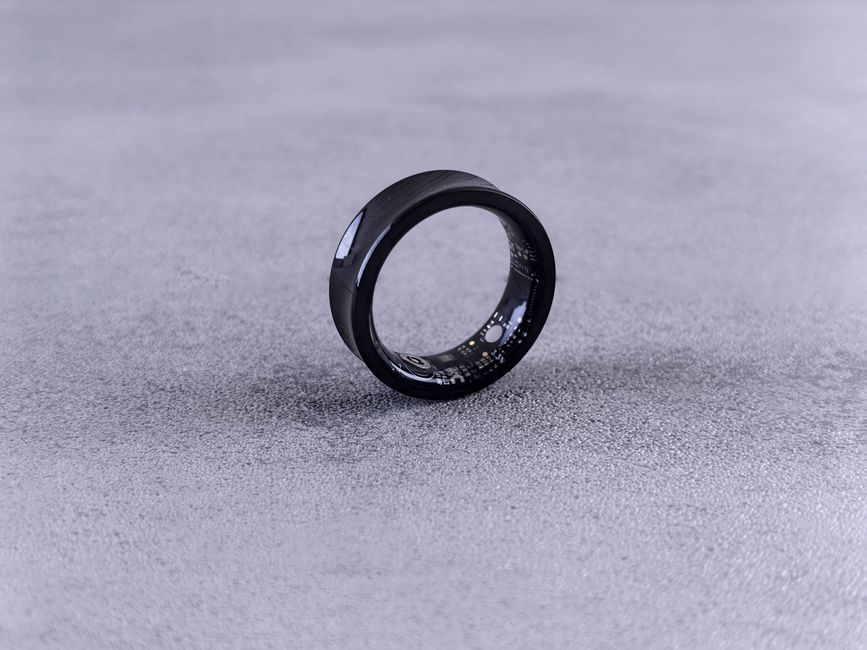
If you’re playing more golf now than you did at 35, you’re not unusual. You’re the market. The National Golf Foundation says 11.6 million adults age 50 and older played on-course golf in the U.S. in 2024, or 43% of all on-course golfers. GolfN adds that this group also plays more rounds and spends more on the game than any other age bracket. So the question isn’t whether the best wearable for golfers over 50 exists. It’s which problem you actually want the device to solve.
That matters because these three devices do very different jobs. Garmin Approach S70 helps you manage the shot in front of you. WHOOP 5.0 helps you understand what that round cost your body. Oura Ring 5 helps you track recovery and overnight signals without putting another screen on your wrist. Same category on paper. Completely different value in real life.
The straight answer is simple. Garmin Approach S70 is the best pick for golfers who want better on-course decisions. WHOOP 5.0 is the best pick for golfers who care more about recovery, strain, and whether they should play again tomorrow. Oura Ring 5 is the best fit for someone who wants discreet health tracking and either dislikes watches or already wears a golf watch.
Why Golfers Over 50 Need a Different Wearable
Golfers over 50 don’t need the same thing a 28-year-old CrossFit addict wants from a tracker. A younger buyer may care about step count, VO2 max badges, and whether the band looks cool at brunch. A 55-year-old golfer usually wants something more practical: course intelligence, better recovery between rounds, cleaner sleep data, or less friction from wearing the thing all day.
That’s why the category gets messy fast. Older golfers tend to play more often, travel for golf, and notice recovery costs more clearly. One 18-hole round can mean six miles of walking, heat exposure, uneven sleep on the road, and another tee time the next morning. A wearable that tells you your heart rate was elevated isn’t enough. The useful question is whether it helps you play better, recover better, or avoid wasting money on features that sound impressive and do nothing for your actual week.
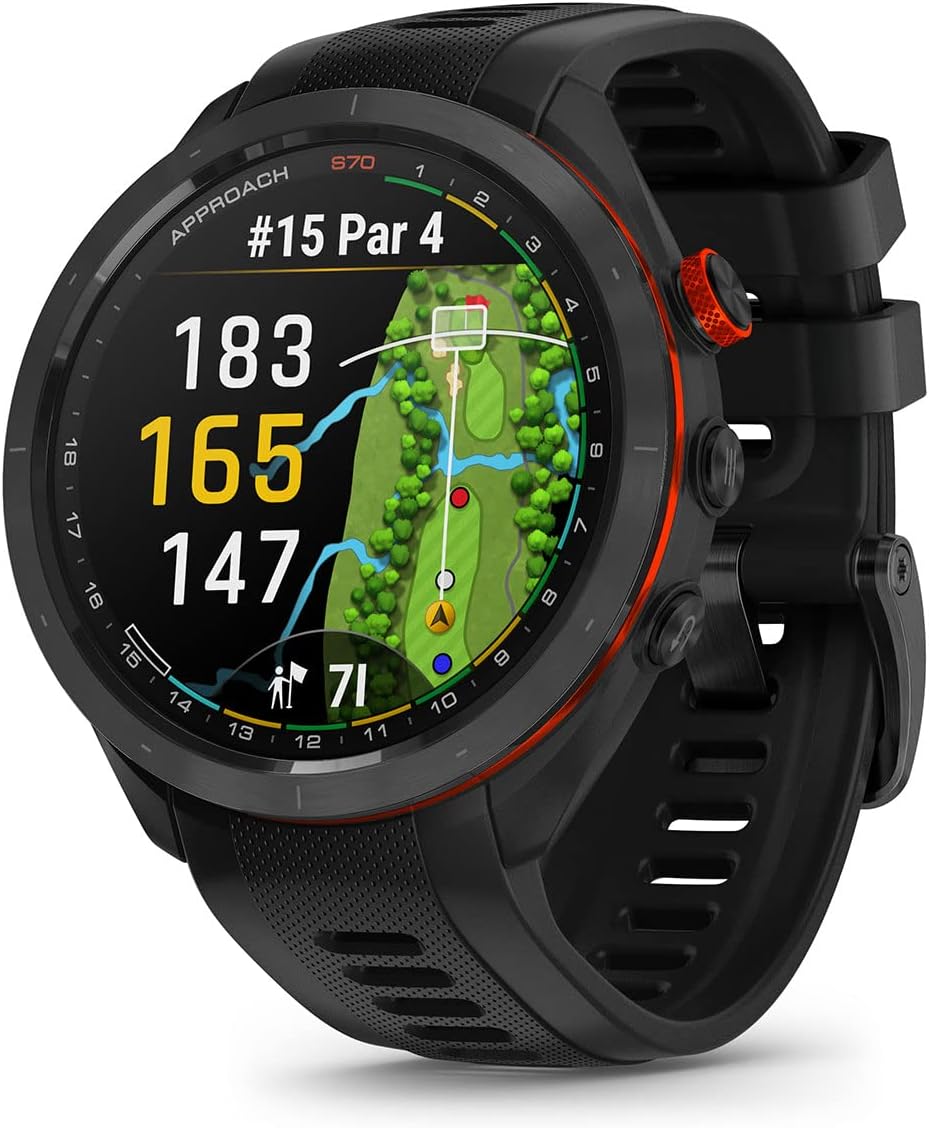
Garmin Approach S70 Golf GPS Watch
$704.99
This article contains affiliate links. We may earn a commission at no extra cost to you.
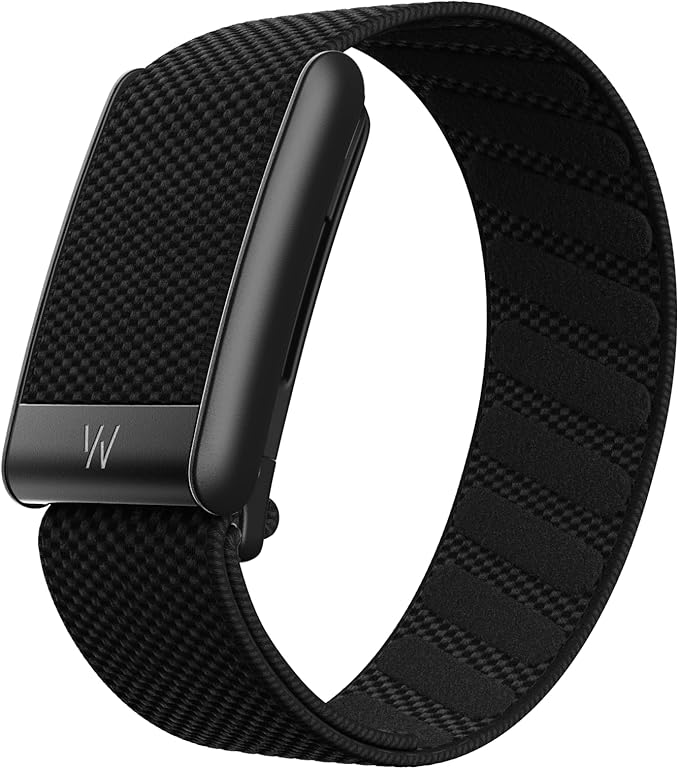
WHOOP MG Health Monitor
$239.00
This article contains affiliate links. We may earn a commission at no extra cost to you.
Oura Ring 4 — Silver
$349.99
This article contains affiliate links. We may earn a commission at no extra cost to you.
Garmin Approach S70: The On-Course Performance Tool That Sees the Shot Before You Do
If your main goal is lower scores or cleaner decisions on the course, Garmin Approach S70 is the easy winner. TechRadar reports that it pairs a 1.4-inch AMOLED display with more than 43,000 preloaded course maps, plus Virtual Caddie suggestions based on your prior swing data and current conditions. It also uses PlaysLike Distance to factor in elevation, wind, and temperature rather than pretending every 155-yard shot is the same shot.
That matters more after 50 because brute force stops covering for bad choices. The club you could muscle onto the green at 38 may now leave you short and annoyed. Garmin‘s strength is that it reduces decision friction before the swing. You glance down, get the right front-middle-back numbers, see the hazard layout, and make a calmer choice. That’s useful. So is battery life: TechRadar says it can last up to 16 days in smartwatch mode or 20 hours in GPS mode, which is enough for a golf trip without carrying a charger like it’s a medical device.
Who this is for: the golfer who wants shot-level help, likes data on the wrist, and would trade deeper recovery tracking for better course management. Who this isn’t for: someone who hates wrist screens, already knows every course decision he wants to make, or mainly cares about sleep, HRV, and next-day readiness rather than front-bunker carry distance.
WHOOP 5.0: The Recovery Data You Did Not Know a Golf Round Costs You
WHOOP 5.0 answers a different question entirely. CNET notes that WHOOP scores daily strain on a 0 to 21 scale and is designed to quantify cardiovascular and muscular load over time. For golfers over 50, that’s useful because golf often feels deceptively easy until you stack two or three rounds, bad sleep, travel, and a hard gym session in the same week. Then the wheels come off and you start pretending the problem is your putting.
WHOOP is strongest when golf is part of a bigger performance picture. Its recovery model uses sleep, heart rate variability, resting heart rate, and related signals to tell you whether your body is actually ready for another demanding day. WHOOP’s Healthspan feature also pushes into a longer-horizon view, estimating a WHOOP Age relative to your calendar age using several months of recovery and activity data. The company’s Healthspan material points to a 2024 JAMA Network Open paper showing Americans spend roughly 15% of life in poor health. That’s not a golf statistic. It’s, however, a useful reminder that “still playing” and “recovering well enough to keep playing for another decade” aren’t the same thing.
WHOOP’s downside is obvious. It does almost nothing for club selection or hole strategy. It also requires a subscription, which means you need to care enough about recovery data to justify another recurring bill in your life. Who this is for: the golfer who plays often, trains outside golf, travels, or suspects recovery is now the real limiter. Who this isn’t for: the golfer who wants direct course guidance or hates subscriptions with the quiet rage of a man who has seen too many software invoices.
For readers weighing recovery-first options, WHOOP vs Oura Ring: Which Sleep & Recovery Tracker is Best for Executives? is the closest internal comparison.
Oura Ring 5: The Discreet Health Monitor That Works Under Your Golf Glove
Oura Ring 5 is the stealth option. Forbes reports that the May 2026 launch brought a ring that is 40% smaller than the prior generation, measuring 2.8mm thick and 6mm wide, with a titanium build and up to seven days of battery life. New features include Health Radar, Blood Pressure Signals, Nighttime Breathing analysis, and Live Activity Tracking.
The appeal for golfers isn’t that the ring suddenly becomes a golf computer. It doesn’t. The appeal is that it tracks your overnight recovery and all-day physiology with almost no social or physical friction. You can wear it under a glove. You don’t have another bright rectangle on your wrist during dinner. And if you already use a golf watch, Oura can fill the recovery gap without forcing you to choose one device for every job.
The tradeoff is that Oura remains better at health context than sport specificity. A 2024 accuracy paper in PubMed Central found strong performance for nocturnal resting heart rate and HRV tracking, which supports its recovery use case. But it is still not the right tool if you want slope-adjusted distances on the 14th fairway. Who this is for: the golfer who wants discreet 24/7 monitoring, values sleep and recovery insights, and may already wear another device during play. Who this isn’t for: the golfer who wants one wearable to replace a dedicated golf watch.
For a deeper look at how recovery metrics differ across platforms, Sleep Score Decoded: What Oura, WHOOP, and Garmin Actually Measure gives the longer explanation.
How the Best Wearable for Golfers Over 50 Changes Depending on What You Need
Side by side, the tradeoffs are pretty clear. Garmin wins on golf-specific utility because course maps, Virtual Caddie, and PlaysLike Distance help during the round, not after it. WHOOP wins on recovery depth because it gives you a clearer read on strain, readiness, and the cost of playing multiple days in a row. Oura wins on discretion because a slim ring is easier to forget about than a bulky wrist device.
Battery life also splits the field in a sensible way. Garmin’s reported 16-day smartwatch life is the least annoying for travel. WHOOP’s roughly 14-day battery life is also strong, though the required membership changes the cost equation. Oura‘s seven-day battery is fine, but less forgiving if you travel often and already forget one charger per trip. Cost matters too: Garmin can be used without a mandatory subscription for its core golf function, while WHOOP and Oura both rely on recurring memberships for the full product experience.
So the wrong way to choose is by counting features. The right way is by identifying your bottleneck. If bad course decisions are costing strokes, buy the golf tool. If two rounds plus two bad nights wreck your week, buy the recovery tool. If you want health tracking without one more wrist gadget barking for attention, buy the ring.
How to Choose: Three Golfer Profiles, Three Answers
Profile one: the serious golfer who wants shot-level help and plays enough different courses to benefit from maps, hazard views, and club recommendations. That golfer should buy Garmin Approach S70. It gives the most direct help where a golf round is won or lost: before the swing.
Profile two: the golfer who is less worried about whether a 7-iron or 8-iron is right and more worried about whether his recovery is slipping, his sleep is getting worse, or his body is quietly charging interest for every round. That golfer should buy WHOOP 5.0. It’s built for the question older golfers usually ask too late.
Profile three: the golfer who already owns a golf watch or doesn’t want one, wants clean overnight recovery data, and values a wearable that doesn’t advertise itself from across the clubhouse. That golfer should buy Oura Ring 5.
If none of those profiles fits, the answer may be no wearable at all. That’s allowed. Buying a $300 to $700 device plus a subscription you ignore by week three isn’t longevity. It’s retail therapy with biometric garnish.
Frequently Asked Questions
Will a screenless band like WHOOP or a ring like Oura be distracting during a golf round?
Usually less distracting than a full smartwatch. WHOOP has no screen, and Oura keeps the feedback mostly in the app, so both reduce the temptation to check stats mid-round. Garmin is more useful during play, but it also puts more information in your line of sight.
Can I wear an Oura Ring under a golf glove?
Many golfers can, and that is part of the appeal. Fit and comfort still matter, especially if your glove runs tight or you dislike any pressure at the fingers. Oura’s smaller Ring 5 design should help, but the practical answer is still personal tolerance, not marketing copy.
Does the Garmin Approach S70 require a subscription for full course data?
Its core value is the hardware and preloaded course ecosystem, not a required recurring membership in the way WHOOP or Oura operate. That makes Garmin easier to justify for golfers who want golf functionality without adding another monthly charge.
How does HRV recovery tracking help a golfer over 50 specifically?
It gives context for whether your body is absorbing training, travel, poor sleep, and back-to-back rounds well or badly. That matters more after 50 because recovery often becomes the hidden limiter long before enthusiasm does.
Which device has the best battery life for a week-long golf trip?
Garmin has the easiest case on paper because TechRadar reports up to 16 days in smartwatch mode and 20 hours in GPS mode. WHOOP is also travel-friendly at roughly two weeks. Oura can still work for a week-long trip, but it gives you less margin for charger neglect.
We recommend WHOOP for golfers who want to understand how their body recovers between rounds. The strain and recovery data tells you whether yesterday’s 18 holes left you ready to play again today or signals that a rest day is the smarter play. Check current pricing on Amazon →
The Bottom Line
Garmin Approach S70 is the best wearable for golfers over 50 if the priority is playing better golf right now. WHOOP 5.0 is the best choice if the real problem is recovery, readiness, and preserving energy across a full week. Oura Ring 5 is the best fit if you want discreet health tracking and already have your on-course solution handled.
Pick the device that matches the friction in your actual routine, not the one with the longest feature list. Golf gets easier to enjoy when your gear solves the problem you actually have.
Affiliate disclosure: If you buy through the link above, Durable Resilience may earn a commission at no extra cost to you.
Sources
- Golf Consumer Demographics & Spending Data 2026 — GolfN
- NGF Golf Industry Research — 2025 Graffis Report — National Golf Foundation
- Garmin Approach S70 Review: The Best Gets Better — TechRadar
- WHOOP 5.0 Review: A Fitness Tracker Focused on Performance and Longevity — CNET
- How Healthspan on WHOOP Helps You Optimize Longevity — WHOOP The Locker
- Oura Ring 5 Launch 2026 — Forbes
- Oura Ring 4 Accuracy for Nocturnal HRV and RHR — PMC Study — NIH / PubMed Central
- Healthspan-Lifespan Gap Among Older Adults — JAMA Network Open — JAMA Network Open
This article is for informational purposes only and is not financial advice. Consult a qualified professional for personalized guidance.
Leave a Reply