
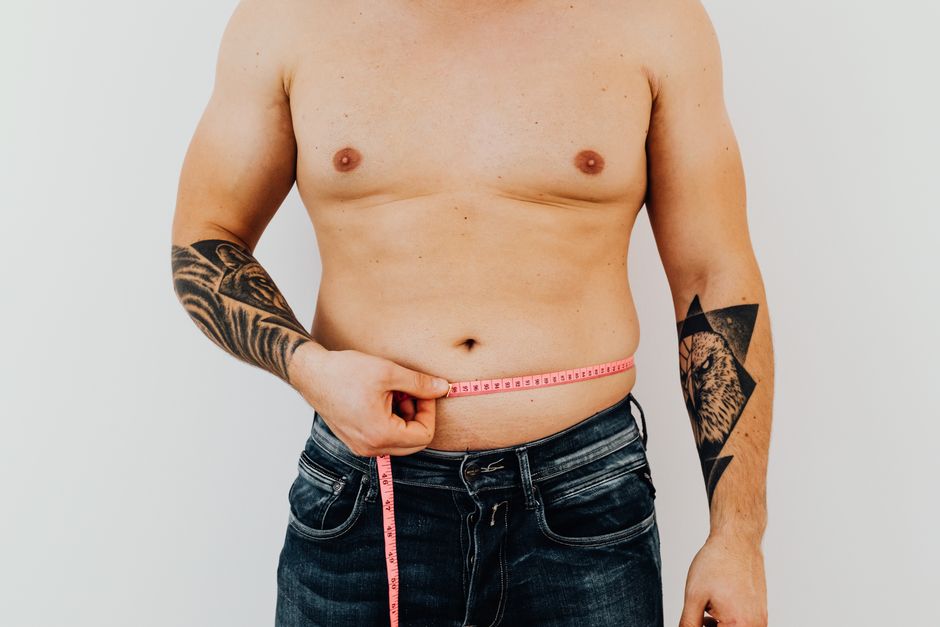
Men usually notice TRT body composition changes in the mirror before they see them on a scale. Shirts fit better through the shoulders. Waistbands stop arguing. Then the scale does something unhelpful, like holding steady or jumping up five pounds, and suddenly everyone starts wondering if the whole thing is smoke and mirrors.
It usually isn’t. Testosterone replacement therapy can change body composition in a real, measurable way, especially in men with genuinely low baseline testosterone. The useful frame is this: TRT doesn’t act like a crash diet, and it doesn’t act like a steroid-cycle fantasy. It shifts how the body partitions calories and tissue. More of the change goes toward preserving or building muscle. More of the loss comes from fat, especially visceral fat. That’s a meaningful difference.
The catch is that results depend on starting testosterone levels, time horizon, and whether the man is also training and eating like an adult instead of like somebody trying to negotiate with a drive-thru. The studies on TRT and body composition are good enough to be taken seriously, but they don’t support magical thinking.
TRT Body Composition: How Testosterone Influences Muscle and Fat at the Cellular Level
The reason TRT can improve muscle and fat at the same time isn’t mysterious. Testosterone acts directly on skeletal muscle through androgen receptors, and those receptors trigger changes that make muscle tissue easier to build and easier to keep.
The British Journal of Pharmacology laid out the mechanism in detail in 2008. Testosterone activates satellite cells, supports myonuclear accretion, and increases the machinery involved in muscle protein synthesis. In one example from that paper, a 200 mg injection of testosterone enanthate produced a twofold increase in net muscle protein synthesis without increasing protein breakdown. That’s the important part. The body isn’t just burning more or less at random. It’s being nudged toward building lean tissue.
At the same time, testosterone appears to push mesenchymal stem cells away from becoming fat cells. That matters because body composition isn’t just about adding muscle on one side and hoping fat disappears on the other. It’s about changing the biological incentives. Muscle becomes more favored. Adipogenic differentiation becomes less favored. Same body, different instructions.
This is why the usual before-and-after conversation around TRT gets mangled. People talk as if muscle gain and fat loss are separate stories. They aren’t. They are linked responses to a hormonal environment that is better suited to maintaining lean mass, handling training stress, and storing less tissue in the wrong places.
That doesn’t mean the effect is infinite. It means the mechanism is plausible, defined, and consistent with what later controlled trials actually measured. For a reader who wants the no-fluff version: TRT changes the operating conditions, not just the vibes.
TRT and Muscle Mass: What the Controlled Trials Show
This is where the conversation gets more useful, because the controlled trials tell you how much muscle change actually shows up outside theory.
In the T4DM trial, published in The Lancet Diabetes & Endocrinology in 2021, men aged 50 to 74 were followed for two years inside a lifestyle program. The placebo group lost 1.3 kg of muscle mass. The testosterone group gained 0.3 kg. That’s a net preservation advantage of 1.6 kg. In plain English: while one group drifted toward the standard aging pattern of losing muscle, the testosterone group basically held the line and nudged upward instead.
That matters more than the average guy realizes. Midlife muscle loss isn’t just an aesthetic problem. It affects strength, glucose handling, recovery, and how hard it is to stay lean later. Preserving muscle while dieting or aging is often the whole game.
The Frontiers in Endocrinology analysis from 2022 makes the response pattern even clearer. Men whose baseline testosterone was below 264 ng/dL had a 4.2% increase in total fat-free mass and an 8.7% increase in appendicular lean mass over 18 months on intramuscular testosterone cypionate. That isn’t a tiny lab quirk. Appendicular lean mass is the muscle most people actually care about keeping: arms and legs, not spreadsheet mass.
There is also a useful sanity check hidden in those findings. The biggest changes showed up in men who started low. That’s exactly what you would expect from a therapy correcting deficiency, not from a universal performance hack. If a clinic is implying that every tired 47-year-old man is one injection away from turning into an action figure, that is marketing, not evidence.
The practical read is straightforward. TRT can support measurable lean-mass gains, especially when testosterone is genuinely low and treatment is sustained long enough to matter. It isn’t instant, and it isn’t independent of training, but the lean-mass effect is real.
Fat Loss and Visceral Fat Reduction on TRT
Muscle tends to get the attention because it shows up in gym talk. Visceral fat is the quieter story, and arguably the more important one.
In the T4DM trial, men on testosterone lost an average of 4.6 kg of body fat over two years, compared with 1.9 kg in the placebo group. That’s a meaningful gap, especially because both groups were in a lifestyle program. The difference wasn’t “TRT versus doing nothing.” It was TRT added to a behavior change program, and it still produced a larger drop in fat mass.
The BMC Medicine randomized trial from 2016 sharpened that point. In 100 obese men on a hypocaloric diet, those receiving testosterone undecanoate lost an additional 2.9 kg of fat and 2,678 mm2 more visceral fat than the placebo group. Visceral fat matters because it is more metabolically disruptive than the padding you can pinch. It’s linked to worse insulin sensitivity and worse cardiometabolic risk. Losing more of it isn’t cosmetic trivia.
Then there is the long-view evidence. A 2013 registry study in the International Journal of Clinical Practice followed 261 hypogonadal men for five years and found mean weight fell from 100.1 kg to 92.5 kg, while waist circumference dropped from 107.7 cm to 99.0 cm. Registry data isn’t as strong as a randomized trial, so it deserves more caution. Still, a multi-year pattern of steady weight and waist reduction is hard to dismiss as a lucky month.
This is the part many men get wrong when they start TRT. They expect dramatic scale loss first. Often the better question is whether the waist is shrinking, whether DEXA or body-composition measures are moving, and whether the loss is coming from fat instead of from muscle. The BMC Medicine trial is valuable precisely because it showed that men on TRT plus dieting lost weight from adipose tissue while preserving lean mass better than controls.
For someone tracking progress seriously, that is the win. Being ten pounds lighter because you lost muscle isn’t much of a prize. Losing fat while keeping tissue that drives metabolism is a different outcome entirely.
The Metabolic Connection: TRT, Insulin Sensitivity, and Weight Regulation
Once body composition improves, metabolism usually follows. That isn’t an extra bonus. It’s part of the same story.
The T4DM trial found testosterone treatment reduced the risk of developing type 2 diabetes by 40% over two years in at-risk men aged 50 to 74. That doesn’t mean testosterone is a diabetes drug in disguise. It means changing lean mass and visceral fat can materially affect metabolic risk in the right population.
The Frontiers in Endocrinology analysis adds useful detail. Men with baseline testosterone at or above 264 ng/dL showed a 3.1% decrease in HbA1c at 12 months and a 40.2% reduction in leptin at 18 months on TRT. Leptin isn’t dinner-party conversation, but it matters because it reflects energy balance and fat mass signaling. Big reductions there fit the pattern of improved adiposity and better metabolic regulation.
This is why the “TRT is just vanity medicine” line misses the plot. Better body composition can reduce metabolic drag. More lean mass improves glucose disposal. Less visceral fat usually means less inflammatory and insulin-resistant baggage. None of that makes TRT universally appropriate, but it does make the intervention more than skin deep.
It also helps explain why lab follow-up matters. A man chasing better body composition without understanding his broader metabolic picture is flying half blind. The useful version of TRT is monitored care, with labs, outcomes, and adjustments based on real data. If you’re already trying to make sense of that process, this guide on how to read your TRT lab results is the kind of homework that saves time later.
The evidence supports a metabolic benefit when TRT is used in hypogonadal men who fit the profile studied. It doesn’t support using testosterone as a shortcut around poor training, poor sleep, or poor nutrition. Hormones can shift the terrain. They don’t repeal biology.
TRT Results Timeline: When Body Composition Changes Actually Happen
The honest answer is slower than clinic ads suggest and faster than the cynics admit.
Lean-mass changes typically become measurable on DEXA around 8 to 12 weeks, and gains can continue through 12 months. Visceral fat reductions often begin showing up around 3 to 6 months, while fat-mass changes tend to stabilize between 6 and 12 months. That pattern fits what the controlled trials found: muscle responds first, visible fat loss follows, and the bigger changes build gradually.
The five-year registry study is useful here because it shows a compounding pattern. Average weight loss was 3.2% in year one, 5.6% in year two, and 10.5% by year five. That isn’t the story of a flashy first month followed by nothing. It’s the story of sustained treatment plus time.
The first few weeks can still throw people off. Harvard Health noted in 2024 that men should take a measured view of testosterone therapy rather than expecting quick or simple outcomes. One reason is that early water retention and glycogen loading can cause a temporary 5 to 12 pound increase around weeks 4 to 6. That usually settles by month three.
So if body weight jumps early, that doesn’t automatically mean TRT is making you fatter. It may mean you are storing more glycogen and water as lean tissue improves. The mirror, waist, training performance, and body-composition data often tell the story more accurately than the bathroom scale during that phase.
This is also where men get trapped by impatience. They expect six-week movie-trailer results from a therapy whose strongest data runs 12 months, 24 months, or longer. That’s a bad bargain. The better mindset is to judge TRT the way you would judge any serious intervention: by trend, by tissue quality, and by whether the changes are still moving in the right direction after the novelty wears off.
If the timeline matters because you’re budgeting for treatment, it helps to pair expectations with actual costs. This breakdown of TRT cost per month gives the practical side of what the decision usually looks like.
Combining TRT with Diet and Exercise for Better Body Recomposition
TRT works best when it has something to work with.
The strongest evidence here comes from the 2016 BMC Medicine trial. Men on testosterone plus a hypocaloric diet lost almost exclusively fat, while the placebo-plus-diet group lost both fat and lean mass. During the weight-maintenance phase, the testosterone group regained 3.3 kg of lean mass compared with just 0.8 kg in controls. That’s body recomposition in the useful sense, not the internet sense. Same broad weight-management effort, different tissue outcome.
That difference matters because dieting without preserving muscle is the classic middle-aged trap. The scale goes down, the metabolism gets less forgiving, strength drops, and six months later the whole thing feels like a hostage negotiation with chicken breast and sadness. Preserving lean mass changes the math.
The 2024 case report in PMC is only a case report, so it deserves that label. Still, it offers a realistic scenario rather than a superhero fantasy. A trained 40-year-old male using 150 to 180 mg per week of TRT while exercising 4 to 5 times weekly showed a 6% increase in lean mass, a 1.7% decrease in body fat, and a 4.5% improvement in basal metabolic rate over three months. One case doesn’t settle the question, but it matches the broader pattern: TRT plus training usually beats TRT plus wishful thinking.
This is also where restraint matters. TRT isn’t a substitute for resistance training, protein intake, sleep, or basic cardiovascular fitness. It changes the response you get from those inputs. It doesn’t replace the inputs. That’s why the men who seem to do best are often the ones already behaving like adults with a program, not like tourists looking for an endocrine shortcut.
Monitoring matters here too. As lean mass rises and training tolerance improves, some men run into secondary issues such as elevated hematocrit. That doesn’t make TRT bad. It makes follow-up important. If that number starts climbing, this guide on managing high hematocrit on TRT is worth reading before somebody on the internet suggests a heroic blood-donation strategy and calls it medicine.
The best conclusion from the recomposition data isn’t that every man needs TRT. It’s that, for hypogonadal men who are appropriate candidates, testosterone can improve the quality of weight loss and make training adaptations more productive. That’s a far more useful promise than “rapid transformation,” which belongs in the same bin as most anti-aging miracle copy.
Frequently Asked Questions
Will I gain weight when I start TRT, and is that fat or water?
Sometimes, yes. Early on, TRT can increase glycogen storage and water retention, which may add 5 to 12 pounds around weeks 4 to 6 before settling by about month three. That isn’t the same thing as gaining fat, which is why waist measurements and body-composition data are more useful than scale panic in the first couple of months.
Can TRT help reduce belly fat specifically?
The evidence suggests it can, especially visceral fat. In the 2016 BMC Medicine trial, men on testosterone lost significantly more visceral fat than the placebo group while dieting, and the T4DM trial found larger overall fat-mass reductions with testosterone than with placebo inside the same lifestyle program.
Do I need to exercise to see muscle gains on TRT?
TRT can support lean-mass gains on its own in deficient men, but the best body-composition outcomes happen when it is paired with resistance training and decent nutrition. Testosterone changes the body’s response to training. It doesn’t turn inactivity into a smart strategy.
How long after starting TRT will I notice visible changes in my body composition?
Most men who respond notice training and recovery changes first, with measurable lean-mass improvements around 8 to 12 weeks and clearer fat-loss changes around 3 to 6 months. The most meaningful studies tracked outcomes over a year or more, so this is a long-game therapy, not a quick cosmetic reset.
Is it safe to use TRT long-term specifically for body recomposition goals?
Safety depends on whether you are an appropriate candidate and whether treatment is monitored well. The evidence in this brief supports meaningful body-composition and metabolic benefits in hypogonadal men, but testosterone isn’t a casual physique tool. Consult your provider, track labs, and treat body recomposition as one outcome among several that need monitoring.
TRT can improve body composition by preserving or increasing muscle, reducing fat mass, and easing some of the metabolic drag that comes with low testosterone. The evidence is strongest in men who are actually hypogonadal, who stay on therapy long enough for the changes to compound, and who pair treatment with training, nutrition, and monitored follow-up instead of magical thinking.
Sources
- British Journal of Pharmacology (2008), “Cellular and molecular mechanisms responsible for the action of testosterone on human skeletal muscle” https://pmc.ncbi.nlm.nih.gov/articles/PMC2439525/
- The Lancet Diabetes & Endocrinology (2021), “Testosterone treatment to prevent or revert type 2 diabetes in men enrolled in a lifestyle programme (T4DM): a randomised, double-blind, placebo-controlled, 2-year, phase 3b trial” https://pubmed.ncbi.nlm.nih.gov/33338415/
- Frontiers in Endocrinology (2022), “Baseline Testosterone Predicts Body Composition and Metabolic Response to Testosterone Therapy” https://pmc.ncbi.nlm.nih.gov/articles/PMC9309506/
- BMC Medicine (2016), “Effects of testosterone treatment on body fat and lean mass in obese men on a hypocaloric diet: a randomised controlled trial” https://pmc.ncbi.nlm.nih.gov/articles/PMC5054608/
- International Journal of Clinical Practice (2013), “Testosterone therapy in hypogonadal men results in sustained and clinically meaningful weight loss” https://pmc.ncbi.nlm.nih.gov/articles/PMC3799011/
- Harvard Health Publishing (2024), “Is testosterone therapy safe? Take a breath before you take the plunge” https://www.health.harvard.edu/mens-health/is-testosterone-therapy-safe-take-a-breath-before-you-take-the-plunge
- National Library of Medicine / PMC (2024), “Dose-Response Effects of Exercise and Testosterone Replacement Therapy on Body Composition, Lean Mass, and Heart Rate Responses: A Case Report Using Wearable Technology” https://pmc.ncbi.nlm.nih.gov/articles/PMC11688172/
This article is for informational purposes only and is not financial advice. Consult a qualified professional for personalized guidance.
Leave a Reply