

The vitamin D conversation used to be simple in the worst possible way: get tested, find out you’re “low,” then start treating the supplement bottle like a moral duty. The newer NIH vitamin D guidelines men 50 and over should pay attention to are less dramatic and a lot more useful. For healthy men between 50 and 74, the center of gravity has shifted back toward the Recommended Dietary Allowance, not automatic high-dose supplementation and not routine testing just because birthdays keep happening.
That matters because men over 50 sit in an awkward middle zone. Energy isn’t what it was at 38. Recovery gets slower. A lab number that looks slightly off can start to feel like the explanation for everything. The supplement industry, naturally, is delighted to help with that feeling. The evidence is less excitable.
Here’s the straight take: if you’re a generally healthy man under 75, the big organizations aren’t telling you to megadose vitamin D just because you’re older. They’re telling you to cover the basics, understand where the age threshold actually changes, and stop treating every borderline lab as a five-alarm fire.
What the 2024 Endocrine Society Guidelines Actually Changed in the NIH Vitamin D Guidelines for Men 50 and Over
The biggest change in 2024 was philosophical. The Endocrine Society’s updated clinical practice guideline, published in the Journal of Clinical Endocrinology & Metabolism, moved away from the old habit of treating vitamin D like a problem that almost everyone needed to solve with extra pills. The panel recommended against empiric supplementation above the Institute of Medicine’s Recommended Dietary Allowance for healthy adults under 75.
That’s not a tiny wording tweak. It’s a genuine shift from broad deficiency anxiety to a narrower, evidence-based posture. For men 50 to 74 who don’t have a specific indication, the guideline doesn’t support the old “more must be better” logic. That’s the supplement-aisle version of magical thinking, and it has had a long run.
The same guideline also made a practical dosing point that matters for older adults who do have a reason to supplement. It recommends daily, lower-dose vitamin D rather than intermittent high-dose schedules such as 50,000 IU monthly. In plain English: steady beats heroic. If you need vitamin D, the evidence supports a boring daily dose more than a big periodic blast.
That shift lines up with how time-poor readers should think about the category anyway. A simple daily protocol is easier to stick with, easier to evaluate, and less likely to drift into supplement theater. If your routine needs a spreadsheet and a pill organizer the size of a tackle box, the routine is usually the problem.
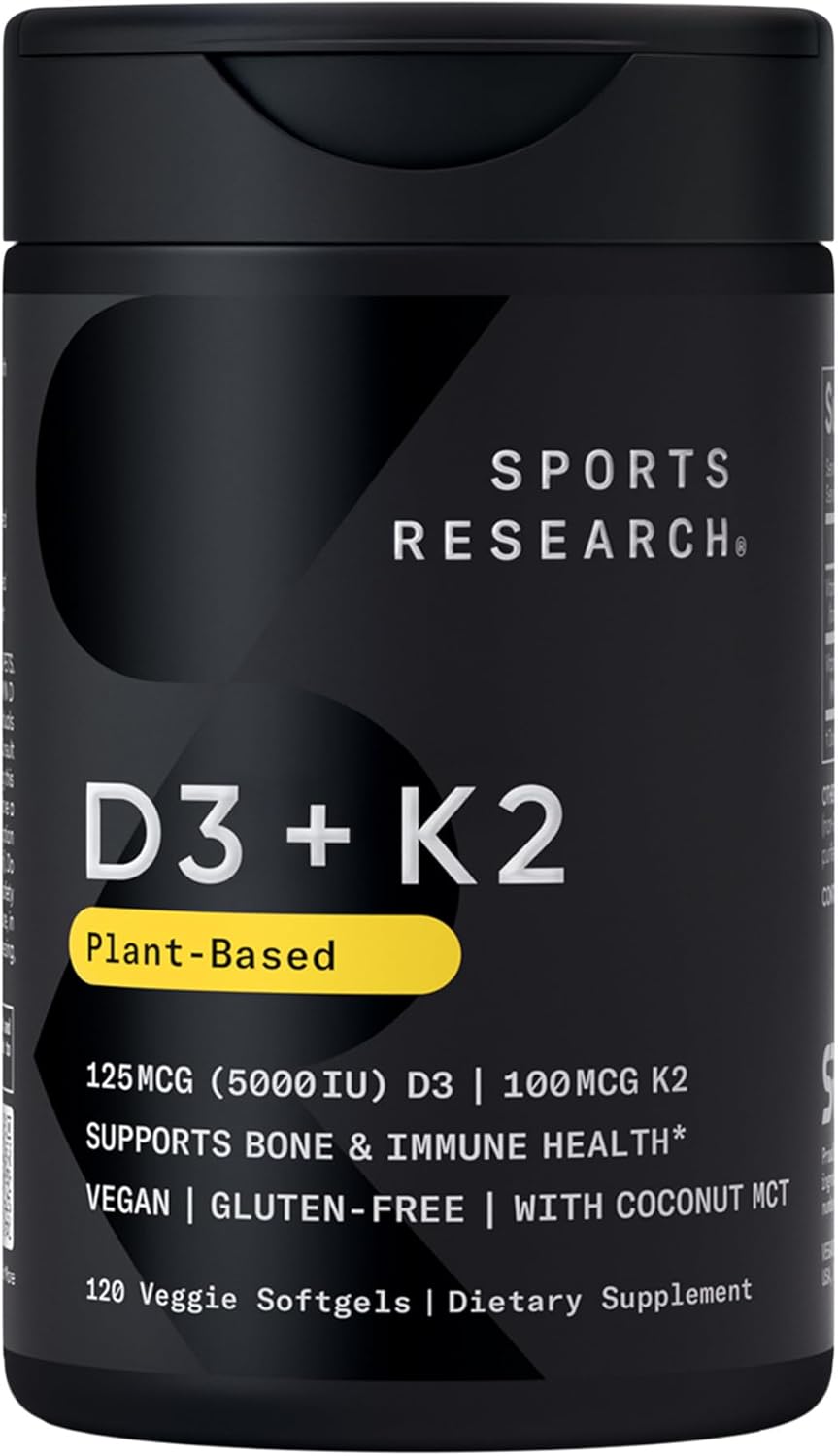
Sports Research Vitamin D3 + K2 (5000 IU)
This article contains affiliate links. We may earn a commission at no extra cost to you.
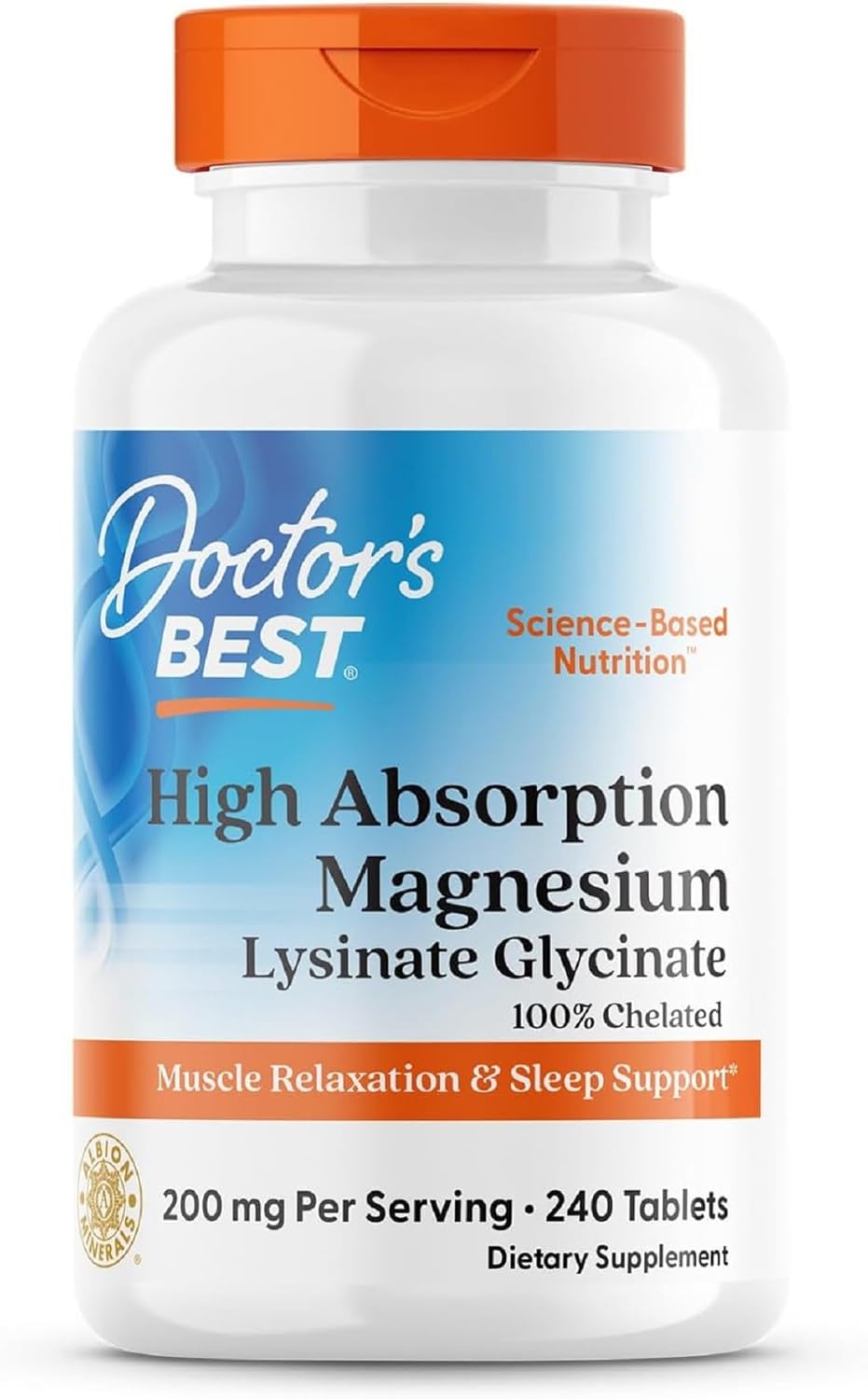
Doctor's Best High Absorption Magnesium Glycinate
The Two Sets of Numbers: IOM RDA vs. Higher-Dose Supplementation
The baseline numbers from the NIH Office of Dietary Supplements are straightforward: 600 IU per day for adults ages 19 to 70 and 800 IU per day for adults 71 and older. Those are the Recommended Dietary Allowances, and for most healthy adults they are the main numbers that matter.
Where people get confused is the gap between those baseline numbers and the much higher doses floating around online. The 2024 Endocrine Society guideline did identify some groups that may benefit from higher-than-RDA supplementation, but the list is narrower than the internet would have you believe. The four populations were children and adolescents for respiratory infection risk reduction, adults 75 and older for mortality risk reduction, pregnant individuals for pre-eclampsia and preterm birth risk, and adults with prediabetes for diabetes progression risk.
Notice who isn’t on that list: every man over 50 with a supplement drawer and a vague sense that something feels off.
That distinction matters. “Men over 50” isn’t itself a clinical category that automatically justifies higher-dose vitamin D. Age can raise the odds of low intake or lower skin production, but the evidence-backed threshold for routine supplementation above the RDA is later than most marketing copy implies.
So if you’re 58, healthy, and wondering whether 5,000 IU per day is secretly the smart move, the current official answer is basically no evidence-based reason to think that by default. The RDA is the starting point. Anything above it needs a clearer rationale than “older guys probably need more.” Probably is how half the supplement industry pays rent.
Why Age 75 Is the Threshold: What the Mortality Evidence Actually Shows
The age 75 line isn’t arbitrary. According to the Endocrine Society’s 2024 guideline and its June 3, 2024 news release, that is the point where clinical trial evidence supported empiric vitamin D supplementation because of a mortality benefit signal. The weighted average dose in the trials for adults 75 and older was about 900 IU per day, with a range from 400 to 3,333 IU per day.
For healthy men ages 50 to 74, the same panel found insufficient trial evidence to recommend routine supplementation above the IOM RDA of 600 IU per day. That’s the key dividing line. Not “older men” in the broad, flattering way marketers use the phrase. Seventy-five and up.
This is one of those places where readers do better by respecting the boring cutoff than by looking for a clever workaround. If you are 52, 61, or 69, it may feel unfair that the evidence doesn’t hand you a special rule. Fairness isn’t the issue. Clinical recommendations rise and fall on observed benefit, not on whether a demographic sounds like it should get extra support.
That doesn’t mean vitamin D is irrelevant before 75. It means the evidence doesn’t justify automatic above-RDA dosing for otherwise healthy men in that age band. There’s a difference between “this nutrient matters” and “this intervention improves outcomes when routinely pushed harder.” A lot of health content blurs those two ideas because the blurred version sells better.
How Common Is Vitamin D Deficiency in Men Over 50?
Vitamin D deficiency is common enough to deserve attention, but not in the cartoonish way supplement ads frame it. The NIH Office of Dietary Supplements says nearly 1 in 4 people in the United States have blood levels that are too low for bone and overall health. That’s real prevalence, not imaginary scarcity.
For men over 50 specifically, the numbers are more nuanced. A VITAL ancillary study published in Arthritis & Rheumatology looked at 25,871 generally healthy men 50 and older and found severe deficiency in 2.4% of participants, defined as serum 25-hydroxyvitamin D below 30 nmol/L. Moderate deficiency, below 50 nmol/L, showed up in 12.9%.
Those numbers tell two stories at once. First, severe deficiency isn’t the norm in this population. Second, moderate shortfall is common enough that many men over 50 won’t hit ideal intake through habit alone. The NIH consumer fact sheet adds another useful reality check: average vitamin D intake from food alone is about 204 IU per day, which is far below the RDA for older adults.
Add in the fact that skin makes less vitamin D from sunlight with age, and you get the practical problem. Not every man over 50 is deficient, but many are also not covering the basics through diet and sun exposure alone. That’s why the right question is usually not “Should every man my age be on a huge dose?” It’s “Am I consistently reaching a sane baseline?”
If you want the broader tactical version of that question, the comprehensive vitamin D dosage guide for men over 50 and this breakdown of vitamin D levels, dosing strategies, and testing accuracy for men over 45 are natural next reads because they deal with dosage and measurement details the guidelines only touch indirectly.
What the Guidelines Say About Testing (and Why They Say It)
Routine testing is where many smart readers expect the official guidance to say one thing and common sense to say another. The 2024 Endocrine Society guideline recommends against routine serum 25-hydroxyvitamin D testing across the populations it studied, including adults with obesity or dark complexion.
Why? Because clinical trials haven’t shown that measuring everyone’s level and managing to the number clearly improves outcomes. The NIH Office of Dietary Supplements adds another wrinkle: vitamin D assays vary across laboratories, which makes single test values less precise than most people assume. So the official position isn’t “testing is evil.” It’s “testing everyone by default hasn’t earned its keep.”
That said, this is where a lot of men over 50 roll their eyes, and not for stupid reasons. If you train regularly, watch recovery, track labs, and have noticed changes in energy or bone health, wanting to know your level is understandable. The useful move is to treat the test as one piece of context, not a magic oracle.
In practice, that means a low number should trigger interpretation, not panic. Was the test run by a reliable lab? Are you comparing nmol/L with ng/mL correctly? Are diet, supplement intake, sun exposure, body composition, and season part of the picture? The official guideline’s caution makes sense once you stop assuming every biomarker deserves the same reverence. Some numbers deserve a throne. Some deserve a folding chair.
A Practical Framework: Applying the Guidelines to Your Own Protocol
For healthy men 50 to 74, the cleanest interpretation is this: aim to cover the RDA of 600 IU per day through food, fortified products, sun exposure when practical, and low-dose daily supplementation if those inputs are weak. For men 71 and older, the NIH RDA rises to 800 IU daily. For men 75 and older, the Endocrine Society’s mortality evidence makes empiric daily supplementation in the roughly 800 to 1,000 IU range a defensible default.
Harvard Health Publishing also highlights a few practical details that matter more than they get credit for. Vitamin D3 generally raises and maintains serum levels better than vitamin D2. Taking vitamin D with a fat-containing meal improves absorption. And the tolerable upper intake level is 4,000 IU per day, which is a useful ceiling for people who tend to improvise their way into very expensive urine.
There’s also a cofactor point worth keeping in view. Adequate magnesium status matters for vitamin D activation. That doesn’t mean every man needs to turn his supplement stack into a chemistry set, but it does mean the body doesn’t read one-nutrient fixes the way marketing copy does. If you’re building a broader routine, this supplement stack guide for men over 45 is useful precisely because it treats interactions and tradeoffs like real things.
The most sensible protocol is conditional, not macho. If you’re a healthy 56-year-old with limited sun exposure and a diet that won’t get you near 600 IU, a modest daily D3 supplement is reasonable. If you’re 77, the case for empiric daily supplementation is stronger because the evidence base is stronger. If you have osteoporosis, malabsorption, kidney disease, sarcoidosis, or another condition that changes risk or metabolism, this is no longer a generic-guidelines problem and should be handled with a clinician who can interpret the whole picture.
That last part matters because “vitamin D” often gets treated like a harmless free-for-all. Usually it is low drama. Sometimes it isn’t. The evidence supports a simple protocol for healthy men and a more individualized approach when actual medical complexity enters the room.
Frequently Asked Questions
Should I stop taking my vitamin D supplement if I’m under 75 and healthy?
Not automatically. The guideline isn’t telling healthy men under 75 to avoid vitamin D. It’s telling them not to assume they need supplementation above the RDA by default. If your current dose is modest and helps you reliably cover 600 IU daily, that fits the evidence better than stopping out of principle or jumping to a megadose out of anxiety.
What’s the difference between vitamin D2 and D3, and does the guideline preference matter?
Vitamin D3 generally raises and maintains blood levels better than vitamin D2, which is why Harvard Health Publishing points readers toward D3 for practical supplementation. For a healthy man trying to meet a baseline daily target, that preference matters enough to be worth following, even though the bigger issue is still dose discipline.
If I get my vitamin D tested and my level is below 30 nmol/L, what should I do?
A level below 30 nmol/L is severe deficiency territory in the VITAL ancillary study framework, so that isn’t something to shrug off. It still needs interpretation in clinical context, but it is a reasonable point to review intake, possible absorption issues, and follow-up strategy with your physician rather than just guessing from the supplement aisle.
Do the guidelines account for how much sun exposure I get in Arizona or Phoenix?
Not in a personalized way. The official recommendations are population-level guidance, not a sunlight calculator for your zip code. High sun exposure can help, but age, skin coverage, sunscreen use, season, time outdoors, and individual biology still affect how much vitamin D your skin actually produces.
Does vitamin D interact with testosterone therapy or other common TRT medications?
The major guidelines discussed here don’t frame vitamin D as a direct TRT-management tool. Men on testosterone therapy should think about vitamin D as a separate nutrient question unless their clinician sees a specific overlap in bone health, labs, or overall treatment context. This is another place where “adjacent to hormones” shouldn’t be mistaken for “same protocol.”
The useful reading of the current guidance is simpler than the market wants it to be. For healthy men 50 to 74, the evidence supports meeting the RDA and being skeptical of routine testing and high-dose habits; for men 75 and older, the case for daily supplementation gets materially stronger. That’s not sexy advice, but it is what the data says, and boring accuracy beats supplement mythology every time.
Sources
- NIH Office of Dietary Supplements. Vitamin D Fact Sheet for Health Professionals.
- NIH Office of Dietary Supplements. Vitamin D Fact Sheet for Consumers.
- Journal of Clinical Endocrinology & Metabolism. Vitamin D for the Prevention of Disease: An Endocrine Society Clinical Practice Guideline.
- Endocrine Society. Guideline recommends healthy adults under the age of 75 take the recommended daily allowance of vitamin D.
- Harvard Health Publishing. New guidelines released for vitamin D testing and supplementation.
- Arthritis & Rheumatology. Associations of Autoimmune Disease With Vitamin D and Other Characteristics in the VITAL Study.
Continue reading: Read the pillar — Supplements & Nutrition
This article is for informational purposes only and is not financial advice. Consult a qualified professional for personalized guidance.
Leave a Reply