

Low energy, lighter sleep, more muscle cramps, slower recovery, a cold that hangs around longer than it should. Men over 45 often treat those as random wear-and-tear problems, or just another tax bill from aging. Fair enough. But zinc magnesium deficiency men over 45 should pay attention to is often less dramatic and more common than the supplement aisle would have you believe.
This isn’t a pitch for some miracle stack in a black bottle with a wolf on the label. It’s a simpler problem than that. The NIH Office of Dietary Supplements, the British Journal of Nutrition, and Nutrients all point to the same pattern: zinc and magnesium shortfalls become more common with age, the symptoms are easy to shrug off, and the fix usually starts with choosing the right foods and the right supplement forms rather than taking more pills at random.
For a time-poor guy who wants a straight answer, the useful question isn’t “Should I take everything?” It’s “Which deficiency fits what I’m feeling, and what actually absorbs well enough to matter?”
Why Zinc and Magnesium Deficiency Hits Men Over 45 Hardest
This isn’t an edge case. It’s a pretty ordinary middle-aged problem hiding behind ordinary middle-aged symptoms.
In a cross-sectional study published in the British Journal of Nutrition, researchers looking at healthy adults in northern Tasmania found low serum zinc in 18% of men aged 50 and older and in 30% of men aged 70 and older. No men under 40 in that sample showed deficiency. That’s a clean age gradient, not bad luck.
Magnesium looks even broader. A review in Nutrients estimated that 45% of Americans are magnesium deficient and that 60% of adults don’t hit the average daily intake target of 320 to 420 mg. The NIH Office of Dietary Supplements gives adult men over 51 an RDA of 420 mg per day, which sounds manageable until you look at what most people actually eat.
Why does this hit older men harder? Part of it is diet drift. Protein gets prioritized, vegetables and seeds slide around the edges, and long workdays make convenience foods win more rounds than they should. Part of it is that the margin for error gets thinner. A 30-year-old can sleep badly, eat like an intern, and still get away with a lot. A 55-year-old executive with a hard training session, a stressful quarter, and three restaurant dinners this week usually can’t.
That doesn’t mean every dip in energy is a mineral issue. It does mean zinc and magnesium deserve a spot on the shortlist before you start blaming character, testosterone, or some expensive “optimization” protocol that mostly optimizes someone else’s margins.
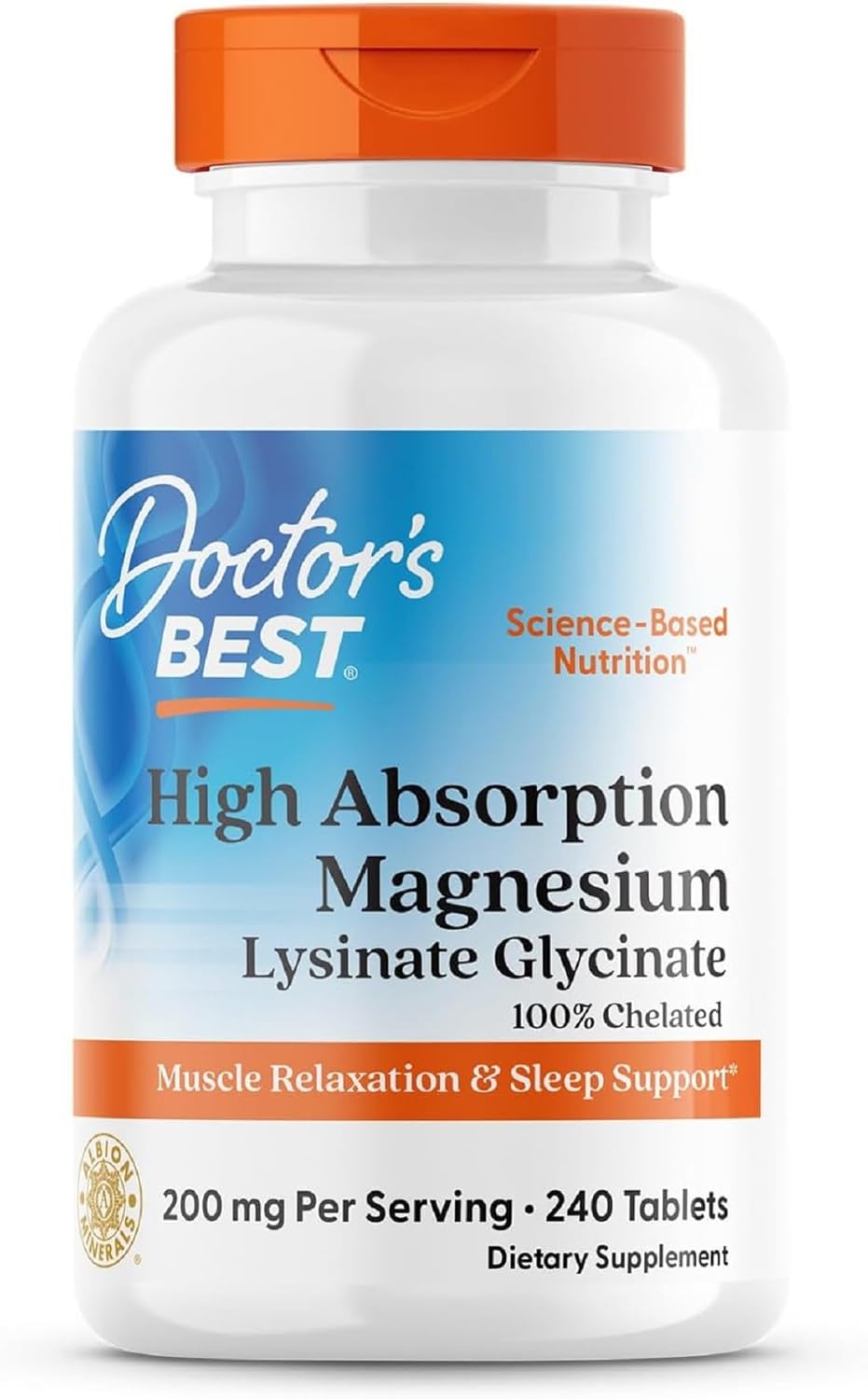
Doctor's Best High Absorption Magnesium Glycinate
Zinc Deficiency: What to Watch For and Why It Matters
Zinc is one of those minerals that does a ridiculous amount of quiet work. The NIH Office of Dietary Supplements notes that zinc is involved in more than 300 enzyme systems, and the body of an adult man contains roughly 2.5 grams of it. That isn’t much inventory for something tied to immune response, wound healing, cell growth, and taste and smell.
The NIH defines inadequate zinc status in men as serum concentrations below 74 mcg/dL. Cleveland Clinic’s 2025 review of zinc deficiency symptoms lists a set of signs that many men over 45 can mistake for unrelated annoyances: hair thinning, delayed wound healing, diarrhea, reduced sense of taste or smell, and more frequent infections. The immune piece matters because zinc supports T-cell activation. If immune function feels a step slower than it used to, zinc belongs in the conversation.
The tell here is usually not one giant red flag. It’s a cluster. A cut takes longer to heal. Food tastes flatter. You seem to catch every office bug. Training recovery feels sticky instead of clean. None of that proves a zinc deficiency, but together it starts to look less like “just getting older” and more like a measurable input problem.
That’s also why random supplementation can backfire. Zinc is useful, but more isn’t automatically better. The RDA for adult men is 11 mg per day, and the tolerable upper intake level is 40 mg per day. Once people start free-handing high-dose zinc because they read one forum post by a guy named IronFalcon67, the odds of solving the right problem go down fast.
Magnesium Deficiency: The Silent Drain on Energy, Sleep, and Cognition
Magnesium deficiency is harder to spot because its symptoms sound like modern life. Fatigue. Weakness. Poor sleep. Brain fog. Muscle cramps. The list is broad enough that many men chalk it up to work stress, aging, or one more lousy night of sleep.
The NIH Office of Dietary Supplements says the adult body contains about 25 grams of magnesium, with 50% to 60% stored in bone. Serum magnesium below 0.75 mmol/L defines hypomagnesemia. Early symptoms include loss of appetite, nausea, fatigue, and weakness. As deficiency worsens, the Nutrients review notes muscle spasms, abnormal heart rhythms, and electrolyte disruption such as hypocalcemia or hypokalemia.
The symptom cluster that matters most to this audience is sleep, cognition, and recovery. Magnesium helps regulate nerve function and muscle contraction, and lower magnesium status is associated with exactly the kind of vague, cumulative decline men over 45 hate most because it is hard to pin down. You are still functioning. You are just functioning worse. That’s the expensive zone, especially if your job depends on attention, judgment, and showing up sharp.
This is why magnesium deficiency earns the label “silent drain.” It usually doesn’t announce itself with a parade. It just keeps shaving points off the scoreboard. Poor sleep quality. More tension in the muscles. A little more irritability. A little less focus. Enough to matter, not enough to feel obvious.
Zinc Magnesium Deficiency Men Over 45 Should Watch in Supplement Form
Supplement labels make this look easier than it is. They aren’t. The form matters because absorption can swing wildly from one version to the next.
For zinc, the NIH Office of Dietary Supplements reports that zinc citrate and zinc gluconate absorb at about 61% in young adults, while zinc oxide lands closer to 50%. That gap isn’t trivial, especially if you are taking a modest dose and expecting the label to reflect what your body actually gets. Some research also suggests zinc bisglycinate may outperform zinc gluconate in short-term absorption. So if the choice is between zinc citrate, gluconate, or bisglycinate on one shelf and zinc oxide on the other, the cheap bottle isn’t always the bargain it appears to be.
Magnesium is even more dramatic. The NIH Office of Dietary Supplements distinguishes between organic forms such as citrate, glycinate, lactate, aspartate, and chloride, which generally have better bioavailability, and inorganic forms such as oxide or sulfate, which don’t. Magnesium oxide is the classic bad deal: high elemental magnesium on paper, very poor absorption in practice. Some estimates put its absorption around 4%. That’s the supplement version of paying for a steak and getting the menu.
For most men over 45, magnesium glycinate is the cleanest default when the goal is better tolerability and better evening use. It’s well absorbed and gentler on the digestive system. Magnesium citrate also absorbs well but can pull in water and act like a laxative at higher doses. Useful for some people, less charming at 2 a.m.
The practical takeaway is boring, which is why it is useful: choose a form your body can absorb, not the form with the loudest label. A decent zinc citrate or bisglycinate and a decent magnesium glycinate usually beat a “mega strength” oxide combo every day of the week.
How Much You Actually Need: RDAs and Supplement Guidelines
The dosage conversation is where sensible people start drifting into nonsense. The right target is usually smaller than the supplement market wants you to think.
For zinc, the RDA for adult men is 11 mg per day. The upper limit is 40 mg per day. For magnesium, the RDA for men 51 and older is 420 mg per day, according to the NIH Office of Dietary Supplements. That means the first question isn’t “How much can I tolerate?” It’s “How much am I already getting from food?”
The second question is interaction. High-dose zinc can interfere with magnesium absorption. The NIH materials cite data showing that zinc intakes of 142 mg per day or more can affect magnesium balance. That’s far above standard supplemental use, but it matters because a lot of men assume doubling or tripling a dose is harmless if the bottle is sold without a prescription. It isn’t.
Some nutritional guidance suggests a calcium-to-magnesium-to-zinc ratio around 100:40:1. In plain English, a man getting roughly 400 mg of magnesium daily often ends up in the 10 to 15 mg zinc range. That aligns pretty well with standard zinc supplementation without pushing into the territory where side effects and absorption competition become more likely.
The useful bias here is moderation. If you are correcting a likely shortfall, you don’t need a heroic dose. You need a dose that makes sense, a form that absorbs, and enough patience to let the basics work.
Food-First and Supplement Protocol: A Practical Plan
The food-first advice isn’t there to sound virtuous. It’s there because food solves multiple problems at once and lowers the odds of taking the wrong dose in the wrong form.
For zinc, oysters are the heavyweight option at 32 mg per 3-ounce serving. Beef bottom sirloin provides 3.8 mg per 3 ounces. Pumpkin seeds pull double duty with about 2.2 mg of zinc per ounce and 156 mg of magnesium. On the magnesium side, chia seeds provide 111 mg per ounce, almonds 80 mg per ounce, and boiled spinach 78 mg per half cup, according to the NIH Office of Dietary Supplements.
That makes the first move pretty straightforward. Build a week that includes one or two serious zinc foods, one daily magnesium-rich food, and then decide whether supplementation is filling a real gap or just decorating the counter. The Nutrients review estimates that about 48% of Americans consume less magnesium than the estimated average requirement from food alone, so supplementation is often reasonable. It just shouldn’t be the only plan.
If you do supplement, take zinc with food to reduce nausea. Consider magnesium glycinate in the evening if the main goal is sleep quality or muscle relaxation. If you are also taking high-dose calcium, separate it from zinc by around two hours to reduce absorption competition. And if you are already taking a broad multi, check the label before stacking extra capsules on top of it. Men over 45 don’t need a supplement stack. They need a system.
That system can be simple:
Start with diet for two weeks and pay attention to consistency rather than perfection.
Add one well-absorbed magnesium supplement if sleep, muscle tension, or recovery looks like the bigger issue.
Add a modest zinc supplement if labs, symptoms, or diet make zinc the more obvious weak spot.
Review everything else you are already taking, especially if you have built a Supplement Stack for Men Over 45 one impulse purchase at a time.
And keep one guardrail in place: if you are approaching the upper intake limit, juggling multiple conditions, or taking medications that could interact, run it past a healthcare provider. This article is about better judgment, not freelancing as your own endocrinologist because a podcast host sounded confident.
Frequently Asked Questions
Can I take zinc and magnesium supplements at the same time?
Usually, yes. Normal supplemental doses of zinc and magnesium can be taken on the same day, and many products combine them. The practical issue is tolerability and total dose, not some automatic conflict. Zinc often sits better with food, while magnesium glycinate tends to fit well in the evening.
Does taking zinc interfere with magnesium absorption at normal supplemental doses?
Not typically. The interference concern shows up with very high zinc intakes. The NIH Office of Dietary Supplements notes that zinc intakes of 142 mg per day or more have been shown to affect magnesium absorption. That’s far above the 10 to 15 mg range many men use to top up a diet.
How long does it typically take to correct a zinc or magnesium deficiency through supplementation?
It depends on how deficient you are, how much your diet improves, and whether the supplement form absorbs well. Mild shortfalls may start to feel better within a few weeks, especially if sleep quality or cramps were tied to magnesium intake. More meaningful correction usually takes longer and is easier to judge with symptoms plus follow-up labs when appropriate.
Should I get my zinc and magnesium levels tested before starting supplements, or is testing unreliable?
Testing can help, but it isn’t perfect. Serum zinc below 74 mcg/dL and serum magnesium below 0.75 mmol/L are useful clinical reference points, but magnesium status in particular is tricky because most magnesium is stored outside the blood. If symptoms are persistent or the dose you are considering is substantial, getting medical guidance and lab context is the smarter move.
Can correcting zinc and magnesium deficiency help with low energy or brain fog in men over 45?
It can if deficiency is part of the problem. Magnesium deficiency can affect sleep, muscle function, and concentration, while zinc deficiency can affect immune function and overall recovery. But these aren’t cure-all minerals. If the issue is sleep apnea, depression, overtraining, low testosterone, or something else, minerals alone won’t rescue the situation.
The sensible move isn’t to treat zinc and magnesium like magic. It’s to treat them like foundations. Men over 45 usually do better when the basics are covered first, because a decent mineral status improves the odds that everything else you are doing actually has something to work with.
If the symptoms fit, the food intake is weak, and the supplement form is right, correcting a deficiency is worth considering. Not because it is exciting. Because boring things that work are still the best deal in health.
Continue reading: Read the pillar — Supplements & Nutrition
This article is for informational purposes only and is not financial advice. Consult a qualified professional for personalized guidance.
Leave a Reply