
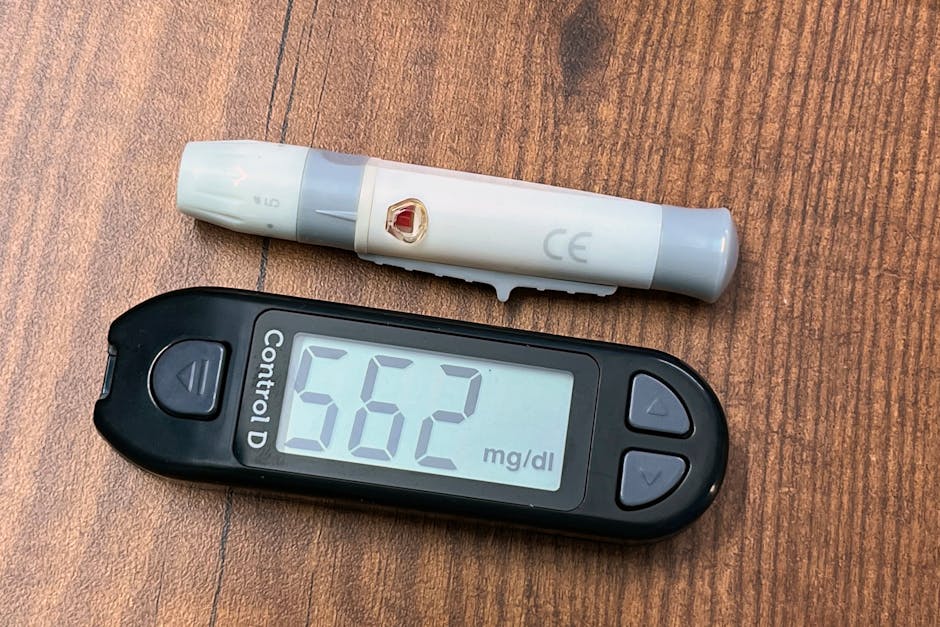
A lot of men get told their glucose is “fine,” their A1C is “normal,” and everything looks good. Meanwhile, the waistline is moving the wrong way, energy is flatter than it was five years ago, and recovery after a hard workout feels strangely expensive. That’s the part the basic checkup often misses.
If you want an early read on HbA1c fasting insulin metabolic health, don’t look at HbA1c alone. Look at HbA1c and fasting insulin together. One shows how much glucose has been hanging around over the last two to three months. The other shows how hard your body may already be working behind the scenes to keep that glucose under control.
That’s the useful distinction. By the time HbA1c drifts clearly upward, metabolic trouble may have been building for years. Fasting insulin often moves first. For a time-poor guy in his 50s who wants signal instead of reassurance theater, that matters.
HbA1c, Fasting Insulin, and Metabolic Health: Why You Need Both Markers
HbA1c and fasting insulin answer different questions. HbA1c tells you how much glucose has attached to hemoglobin over roughly the prior 8 to 12 weeks. Fasting insulin tells you how much insulin your pancreas is producing in the fasting state to keep blood sugar in line. Put them together and you get a much cleaner read on where you sit on the metabolic slope.
That matters because early insulin resistance usually doesn’t announce itself with dramatic glucose numbers. It starts as compensation. Your body needs more insulin to do the same job, so insulin rises while glucose and HbA1c can still look ordinary on paper. That’s the stage where plenty of people get a reassuring lab portal message and keep drifting.
A 2019 study in BMJ Open Diabetes Research & Care found that people with elevated fasting insulin and normal HbA1c had a 2.5-fold higher risk of developing prediabetes within five years compared with people whose levels were normal on both markers. That’s the core reason these tests belong together. HbA1c shows whether the house is warm. Fasting insulin shows whether the furnace is already working overtime.
For men who are trying to stay sharp into their 50s and 60s, this is more than an abstract lab puzzle. Insulin resistance rarely stays politely confined to one lab value. It tends to travel with higher triglycerides, more visceral fat, worse sleep, more difficult weight loss, and the kind of low-grade metabolic drag people often blame on age alone. Sometimes age is part of the story. “Normal for your age” is still one of medicine’s most efficient ways to lower expectations.
The practical takeaway is simple: normal HbA1c does not automatically mean normal metabolic function. If fasting insulin is elevated, your body may already be paying a price to keep that HbA1c looking presentable.
What HbA1c Actually Measures and What It Misses
HbA1c measures the percentage of hemoglobin in your red blood cells that has glucose attached to it. Because red blood cells circulate for about two to three months, HbA1c works as a rough average of recent blood sugar exposure rather than a snapshot from one morning.
The Mayo Clinic uses the standard cut points most clinicians follow: an A1C of 5.7% to 6.4% indicates prediabetes, and 6.5% or higher indicates diabetes. Those thresholds are useful, but they are not the same thing as optimal. They are diagnostic categories. That’s a different conversation.
What HbA1c misses is compensation. Someone can maintain a respectable HbA1c while producing more and more insulin to do it. That state is often called compensatory hyperinsulinemia, and it can sit there quietly for years before glucose markers become obviously abnormal.
This is one reason HbA1c sometimes creates a false sense of security. It’s a lagging marker compared with fasting insulin. It tells you what glucose exposure has been. It does not tell you how hard your body had to work to hold the line.
There are also technical limitations. HbA1c can be affected by conditions that change red blood cell turnover, including some forms of anemia, kidney disease, liver disease, and hemoglobin variants. Cleveland Clinic notes that clinicians sometimes pair A1C with other measures when those issues are in play. So even outside insulin resistance, HbA1c is not magic. It’s a useful marker with blind spots.
The broader population data makes the blind spot more relevant than many people realize. The CDC reports that metabolic dysfunction is common even among adults who do not fit the stereotype of obvious obesity or advanced diabetes. A person can still have normal-range glucose on a standard panel while insulin resistance is developing earlier in the process.
If your goal is to avoid being surprised later, HbA1c works best as part of a set. On its own, it can miss the earlier chapter of the story.
Fasting Insulin: The Early Warning System HbA1c Can’t Match
Fasting insulin is exactly what it sounds like: the amount of insulin in your blood after an overnight fast. It is not universally included in standard primary-care labs, which is unfortunate because it often gives the earlier warning that busy adults actually need.
When fasting insulin rises, it usually means the body is becoming less responsive to insulin’s signal. To keep glucose stable, the pancreas compensates by making more. That’s why fasting insulin can move in the wrong direction while fasting glucose and HbA1c still sit in the green zone.
A fasting insulin above 10 µIU/mL is commonly treated as a clinical flag for insulin resistance, even when HbA1c and fasting glucose have not crossed into prediabetes territory. Many performance-minded clinicians prefer a tighter target. In practice, fasting insulin below 8 µIU/mL is often used as a cleaner sign that the system is not under obvious strain.
The 2021 systematic review and meta-analysis in Diabetology & Metabolic Syndrome found that HOMA-IR, which uses fasting insulin and fasting glucose together, identified insulin resistance with 85% sensitivity among non-diabetic adults. That’s useful for two reasons. First, it reinforces that insulin metrics can detect trouble before classic glucose markers catch up. Second, it gives you a way to turn raw lab values into a more interpretable risk signal.
Fasting insulin is not perfect either. Lab methods vary, timing matters, acute illness can distort results, and one isolated number should not be treated like divine revelation. But for trend analysis, it is far more helpful than its relative obscurity would suggest.
This is also where How to Read Your Own Bloodwork becomes useful. Looking at insulin in isolation helps, but comparing insulin, fasting glucose, HbA1c, triglycerides, HDL, waist size, sleep quality, and recent weight change gives you a much more honest picture of what is happening.
If HbA1c is the scoreboard, fasting insulin is often the pressure gauge. You want both.
The Link Between These Markers and Your Long-Term Health Risks
Metabolic decline is not only about whether you eventually get a diabetes diagnosis. Elevated fasting insulin and rising HbA1c point toward a broader risk pattern that touches cardiovascular disease, metabolic syndrome, liver health, and day-to-day performance.
A 2023 study in JAMA Internal Medicine that followed roughly 73,000 adults found that insulin resistance, defined using elevated fasting insulin, was independently associated with a 40% higher risk of cardiovascular events over 12 years, even after adjustment for body mass index and LDL cholesterol. That’s the kind of result worth paying attention to because it means insulin resistance is not just tagging along behind other risk markers. It has its own signal.
That fits with the larger pattern clinicians have seen for years. Elevated insulin tends to cluster with higher triglycerides, lower HDL, rising blood pressure, central adiposity, and increased inflammatory burden. Once those markers start traveling together, the odds of a clean metabolic future do not improve through positive thinking.
For men over 45, this is often where the conversation gets more personal. Poor metabolic health can overlap with lower energy, more difficult body-composition management, poorer sleep, and in some cases worse hormone profiles. That does not mean every case of fatigue or lower testosterone traces back to insulin resistance. It does mean that ignoring metabolic markers while focusing only on symptomatic fixes is a good way to miss the foundation.
There’s also a timing issue. Cardiometabolic risk compounds quietly. You usually do not get a dramatic early warning siren. You get a few slightly worse labs, a little more abdominal fat, more post-meal lethargy, worse recovery, and a physician note that says to keep an eye on it. Which is technically correct and not especially useful.
Looking at HbA1c and fasting insulin together improves the odds that you catch that trend before it becomes harder to reverse. That’s the entire game.
How to Get These Tests and What Optimal Ranges Look Like
Getting these labs is not complicated. HbA1c is routine and widely available through primary care, annual physicals, and standard lab panels. Fasting insulin is the one you often need to request specifically.
You can usually get both through a physician, an executive health clinic, or a direct-to-consumer platform. Depending on the package, many self-order options bundle a comprehensive metabolic panel with insulin for under $100. Platforms such as InsideTracker, Marek Health, and Function Health have made this easier, though panel composition varies enough that you should still read the list instead of assuming. Shopping blind is how people end up buying a sleek dashboard and still missing the marker they actually wanted.
If you’re comparing providers, The Best Lab Testing Platforms for Men Over 45 is the more useful place to start than the marketing page.
Reference ranges and optimal ranges are not the same thing. Cleveland Clinic explains that HbA1c below 5.7% is considered normal, but many metabolically healthy men will aim lower than the diagnostic cutoff for prediabetes. In practical performance-oriented terms, HbA1c below 5.4% is often treated as a stronger target.
For fasting insulin, the spread between “lab normal” and “metabolically ideal” can be even wider. MedlinePlus notes that reference intervals depend on the laboratory. Some labs only flag insulin when it is dramatically high, which is fine if your only question is whether something is overtly broken. It’s less fine if your goal is to catch deterioration early. For many men 45 to 65, fasting insulin below 8 µIU/mL is a more useful target than merely staying below a permissive upper reference limit.
A practical framework looks like this:
- HbA1c below 5.4%: generally consistent with better glucose control
- HbA1c 5.4% to 5.6%: worth watching in context, especially if insulin is rising
- HbA1c 5.7% to 6.4%: prediabetes range per Mayo Clinic
- Fasting insulin below 8 µIU/mL: often a strong sign of better insulin sensitivity
- Fasting insulin 8 to 10 µIU/mL: not necessarily disastrous, but worth trending closely
- Fasting insulin above 10 µIU/mL: commonly treated as a red flag for insulin resistance
Those are not substitutes for medical care, and they are not universal across every clinical scenario. But they are much more useful than pretending a very wide lab reference range automatically equals good metabolic health.
What to Do If Your Numbers Are Headed in the Wrong Direction
If HbA1c or fasting insulin is worsening, the answer is not panic. It’s intervention while the system is still responsive.
The best-known evidence here is still strong. The Diabetes Prevention Program, published in The New England Journal of Medicine, showed that lifestyle intervention reduced progression from prediabetes to type 2 diabetes by 58%, and by 71% in adults age 60 and older. The intervention was not exotic. It centered on 150 minutes of weekly physical activity and a 5% to 7% reduction in body weight.
That’s good news because it means the first-line response is usually boring in the productive way. Walk more. Lift consistently. Lose some visceral fat. Sleep better. Eat like an adult. None of this will trend on social media, but the pancreas is unlikely to care.
More specifically, if your numbers are drifting, start here:
- Retest on purpose. If the result was surprising, repeat HbA1c, fasting insulin, and fasting glucose under consistent fasting conditions.
- Calculate context. Ask for or calculate HOMA-IR using fasting glucose and fasting insulin.
- Audit body composition. Waist circumference and recent weight trend matter because central adiposity strongly tracks insulin resistance.
- Tighten activity targets. Aim for at least 150 minutes per week of moderate exercise, plus two to three resistance-training sessions.
- Reduce obvious glycemic load. That usually means fewer liquid calories, fewer refined snacks, and less pretending that “healthy” packaged food is doing you a favor.
- Look at sleep and alcohol honestly. Short sleep and regular alcohol intake can push both appetite regulation and insulin sensitivity in the wrong direction.
- Retest in three to six months. Biomarkers are more useful as a trend than a one-day verdict.
If fasting insulin is high while HbA1c is still normal, that is often the ideal time to act because the condition is earlier and potentially more reversible. Waiting until HbA1c catches up is a bit like waiting for smoke to become visible before deciding whether the wiring deserves attention.
Medical follow-up matters if numbers are meaningfully abnormal, symptoms are significant, or you have other risk factors such as strong family history, hypertension, fatty liver, or sleep apnea. But the big point stands: these markers are actionable. They are not destiny.
Frequently Asked Questions
Can I have normal HbA1c but high fasting insulin?
Yes. That’s one of the most useful reasons to test both. Fasting insulin can rise early as the body compensates for worsening insulin sensitivity, while HbA1c still looks normal because glucose is being held in range.
How often should I test HbA1c and fasting insulin if I’m over 50?
If prior results were solid and your lifestyle is stable, testing every 6 to 12 months is reasonable. If one marker is trending worse, body composition is changing, or you’re actively trying to reverse insulin resistance, repeating labs in about 3 to 6 months is more useful.
Do lab platforms like InsideTracker include these markers in their panels?
Some do, but not all panels include fasting insulin by default. HbA1c is more common. Always check the exact marker list before ordering.
What’s the difference between fasting insulin and fasting glucose?
Fasting glucose measures how much sugar is in your blood after a fast. Fasting insulin measures how much insulin your body is producing to keep that glucose controlled. Glucose shows the result. Insulin often shows the effort.
Does insurance cover HbA1c and fasting insulin testing for prevention?
HbA1c is commonly covered when there is a medical reason to order it. Fasting insulin is less uniformly covered and may depend on the clinician’s coding and your plan. Direct-pay options can be simpler if you want the data without an administrative scavenger hunt.
In plain English: if you only track HbA1c, you’re watching a useful marker. If you track HbA1c and fasting insulin together, you’re watching the process earlier and with better odds of catching trouble before it settles in.
That is a better way to monitor metabolic health, especially if staying high-functioning into your 50s and 60s matters more than being told your labs are technically normal.
Sources
- CDC — National Diabetes Statistics Report (2024)
- Mayo Clinic — A1C test (2024)
- Cleveland Clinic — Hemoglobin A1C (HbA1c) Test (2024)
- MedlinePlus — Insulin in Blood (2024)
- BMJ Open Diabetes Research & Care — Combined use of HbA1c and fasting insulin for prediction of prediabetes risk (2019)
- Diabetology & Metabolic Syndrome — Diagnostic accuracy of HOMA-IR for insulin resistance in non-diabetic adults: a systematic review and meta-analysis (2021)
- JAMA Internal Medicine — Insulin Resistance and Risk of Cardiovascular Disease in Adults Without Diabetes (2023)
- The New England Journal of Medicine — Reduction in the incidence of type 2 diabetes with lifestyle intervention or metformin (2002)
Continue reading: Read the pillar — Biomarkers & Lab Testing
This article is for informational purposes only and is not financial advice. Consult a qualified professional for personalized guidance.
Leave a Reply