
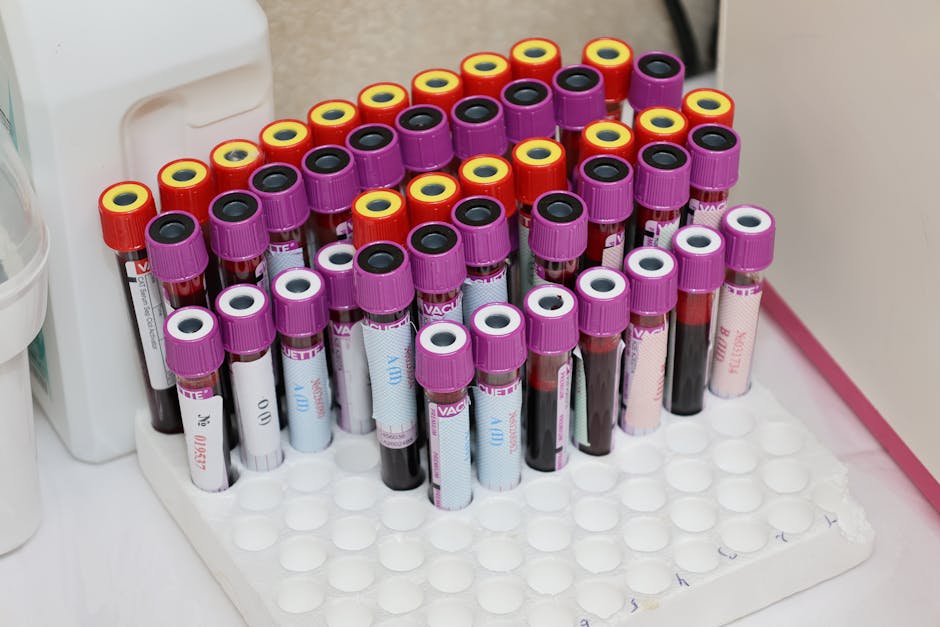
If you’re over 50 and your doctor says your labs look normal, that may be technically true and still not especially useful.
A standard annual physical usually covers the basics: a comprehensive metabolic panel, a complete blood count, maybe a lipid panel, maybe an A1c. Those tests matter. They catch big, obvious problems. What they don’t do especially well is show the early drift that tends to matter most to men who still want to perform at a high level at 55, 60, or 65.
That’s the gap this bloodwork panel men over 50 should understand. The useful question is not just, “Did anything break?” It’s, “Which markers are moving in the wrong direction before they become a diagnosis?” Once you frame it that way, annual and quarterly testing start looking less like medical housekeeping and more like dashboard maintenance.
Why Standard “Normal for Your Age” Labs Miss What Matters in a Bloodwork Panel Men Over 50
Most primary care panels for men over 50 center on a CMP and CBC once a year. MedlinePlus notes that a CMP checks glucose, kidney markers, liver enzymes, proteins, and electrolytes, while a CBC looks at red blood cells, white blood cells, hemoglobin, hematocrit, and platelets. That’s useful baseline medicine. It is not the same thing as performance-oriented surveillance.
The problem is timing and scope. By the time a basic panel clearly flags a metabolic issue, hormonal decline, or inflammation problem, the trend may have been building for years. A man can feel flatter in the gym, foggier at work, and slower to recover long before a standard panel produces a bright red warning light.
Hormones are the obvious example. The Baltimore Longitudinal Study of Aging found that testosterone declines about 1% per year after age 30. Yet many lab reports still define “normal” total testosterone with broad population reference ranges that can extend down to 300 ng/dL. That’s a population screen, not a guarantee that a 56-year-old who feels worn down is actually functioning well.
The same issue shows up with inflammation and metabolic health. High-sensitivity C-reactive protein, fasting insulin, homocysteine, and free testosterone often don’t appear on routine yearly panels, even though they can reveal early drift before standard markers become abnormal. That’s where the “normal for your age” line gets slippery. It often means you don’t yet look sick enough on paper, not that you’re in an optimal range for energy, cognition, body composition, or long-term cardiovascular risk.
For a time-poor man over 50, that distinction matters. The goal is not to turn your life into a chemistry experiment. The goal is to watch a handful of biomarkers that tell you whether the machine is aging normally, aging poorly, or asking for attention before the expensive warning lights come on.
The Annual Bloodwork Panel Men Over 50 Should Track Every Year
A solid annual bloodwork panel men over 50 should treat as non-negotiable includes at least a dozen biomarkers or biomarker groups. Not because more data is automatically better, but because each of these markers answers a different question.
First is the comprehensive metabolic panel. Per MedlinePlus, this covers glucose, creatinine, blood urea nitrogen, electrolytes, liver enzymes including ALT and AST, bilirubin, albumin, and total protein. It gives a broad look at kidney function, liver stress, hydration, and basic metabolic status.
Second is a standard lipid panel: total cholesterol, LDL-C, HDL-C, and triglycerides. The CDC notes that cholesterol numbers still matter for cardiovascular risk, especially when they’re tracked over time instead of treated like a one-off score.
Third is hemoglobin A1c, which MedlinePlus describes as an estimate of average blood glucose over roughly three months. This is one of the most useful long-view markers in the annual stack because it captures whether blood sugar control is stable, drifting, or already in the prediabetes range.
Fourth is a complete blood count with differential. This helps catch anemia, abnormal red-cell patterns, infection signals, and hematologic issues that can affect energy, recovery, and overall resilience.
Fifth and sixth are total testosterone and free testosterone. Total testosterone tells you how much is circulating. Free testosterone tells you how much is available to tissues. Both matter, especially because total testosterone alone can hide the real picture in men with high SHBG.
Seventh is SHBG, or sex hormone-binding globulin. MedlinePlus explains that SHBG influences how much testosterone is bound versus biologically available. A man with mediocre symptoms and a “normal” total testosterone can still have low usable testosterone if SHBG is high.
Eighth and ninth are TSH and free T4. MedlinePlus notes that thyroid function tests help evaluate whether the thyroid is underactive or overactive. In men over 50, mild thyroid drift can show up as fatigue, poor recovery, weight gain, or mental drag that gets blamed on age because apparently age now gets blamed for everything.
Tenth is 25-hydroxy vitamin D. MedlinePlus uses this test to assess vitamin D status, and it matters because low levels can overlap with low energy, poorer bone health, and weaker muscle function.
Eleventh is hsCRP. Unlike the broad “inflammation” talk you hear online, hsCRP is an actual blood marker that can help identify low-grade inflammatory burden relevant to cardiovascular risk and recovery.
Twelfth is PSA, which should be discussed with a provider rather than ordered reflexively without context. PSA is not a simple yes-or-no cancer test, but it remains part of the annual conversation for many men over 50.
Thirteenth is ferritin, a marker tied to iron storage. MedlinePlus notes that ferritin testing can help identify iron deficiency or iron overload states, both of which can distort energy and training recovery.
Fourteenth is homocysteine. MedlinePlus includes it as a test used to assess cardiovascular risk and vitamin deficiencies. It’s not a celebrity biomarker, which probably helps. Celebrity biomarkers tend to become nonsense fast.
That list may sound long, but it is organized around functions: metabolic health, cardiovascular risk, hormone status, thyroid status, micronutrient status, inflammation, and blood quality. That’s what a useful annual panel does. It gives you a broad map once a year so you know which systems deserve closer attention.
Which Bloodwork Panel Men Over 50 Should Repeat Quarterly
Quarterly testing is where people either get too casual or too obsessive. The smart middle ground is simple: retest only the markers that can change meaningfully within about 90 days and that would actually alter your next decision.
Hemoglobin A1c belongs here for any man who is prediabetic, insulin resistant, or actively trying to improve glucose control. The CDC reports that about 38% of U.S. adults have prediabetes, which makes quarterly A1c far more practical than many people think. If you’re trying to lose visceral fat, improve diet quality, or reverse a rising glucose trend, waiting a full year is too slow.
Free testosterone and SHBG also belong in quarterly follow-up if you’re on testosterone replacement therapy, adjusting a protocol, or trying to understand symptoms that don’t line up cleanly with total testosterone. Hormones are one of the clearest cases where trendline beats snapshot.
hsCRP is worth quarterly retesting when inflammation is the target. If you’re changing training load, sleep habits, body weight, alcohol intake, or diet quality, hsCRP can help show whether those changes are reducing systemic inflammation or whether the body is still waving a flag.
Fasting insulin is another strong quarterly candidate. A1c is useful, but it often lags behind earlier metabolic dysfunction. Fasting insulin can catch insulin resistance before A1c climbs into a more obvious problem range. For men over 50 who want earlier signal, this is one of the most underrated tests in the stack.
Vitamin D makes sense quarterly if you are supplementing to correct a low baseline. It doesn’t need constant checking forever, but if you’re trying to move from deficiency to a better range, quarterly testing is a reasonable way to confirm that the dosage is doing something useful.
TSH can also belong in the quarterly panel for men taking thyroid medication or actively troubleshooting thyroid-related symptoms with a clinician. In that setting, annual testing is often too infrequent to guide dose changes sensibly.
The larger principle is this: quarterly labs are not a hobby. They are a monitoring tool for active interventions. If nothing is changing and you’re not managing a known issue, annual testing is often enough. If you are actively managing hormones, glucose, inflammation, vitamin D, or thyroid function, quarterly testing gives you feedback while the intervention still matters.
Bloodwork Panel Men Over 50 Need: Reference Range vs. Optimal Range
This is where many men get frustrated, and not without reason.
A lab reference range usually describes what is common in the general population, not what is ideal for a high-functioning 55-year-old who wants to preserve lean mass, energy, sexual function, and metabolic health. Those are different standards.
Take testosterone. A total testosterone reading of 350 ng/dL may fall inside a broad lab reference range of roughly 300 to 1,000 ng/dL. On paper, that can look fine. In real life, a man with that number may still feel noticeably worse than he did ten years earlier, especially if free testosterone is also mediocre or SHBG is elevated.
Vitamin D creates a similar problem. MedlinePlus lists reference values that help define deficiency or sufficiency, but many functional and longevity-minded clinicians aim for a narrower, more performance-oriented target than simply avoiding outright deficiency. That does not mean every higher number is better. It means the line between barely acceptable and genuinely useful is not always the same line your lab sheet prints.
HbA1c is another example. MedlinePlus defines normal as below 5.7%, while 5.7% to 6.4% fits the prediabetes category. That’s good diagnostic framing. But for a man who wants to stay ahead of metabolic decline, the conversation is usually about trajectory and margin, not just whether he has crossed a diagnostic threshold yet.
LDL-C works the same way. The CDC and clinical guidelines distinguish different LDL targets depending on overall cardiovascular risk, and more aggressive targets are used in secondary prevention. In other words, “acceptable” depends heavily on context.
The American Association of Clinical Endocrinology has refined some of these thresholds over time, which is another reminder that a reference range is not sacred text. It is a screening tool.
For men over 50, the practical takeaway is not to chase perfect-looking numbers on every test. It is to understand which markers deserve a more demanding interpretation because they connect directly to how you feel, perform, and age. Reference range tells you whether you are statistically common. Optimal range tries to answer whether you are well-positioned.
How to Order a Bloodwork Panel Men Over 50 Without Playing Phone Tag With the System
If you want a broader panel than your annual physical usually provides, you have two main paths: work through a clinician willing to order the right markers, or use a direct-to-consumer lab platform.
The direct-to-consumer route exists because medical gatekeeping is real. Plenty of men are willing to pay for a better panel rather than burn three appointments explaining why they want fasting insulin, hsCRP, free testosterone, SHBG, and vitamin D on the same draw.
Platforms such as InsideTracker, Function Health, Marek Health, Lifeforce, Walk-In Lab, and Quest Direct all offer ways to order broader testing without a traditional office visit. According to company materials, InsideTracker’s higher-tier panel includes more than 40 biomarkers and extends beyond the annual list here into markers like ApoB, lipoprotein(a), and cortisol. Function Health positions itself as an annual membership model with broad panel coverage and physician review. Marek and Lifeforce lean more heavily into optimization-style interpretation.
Cost varies a lot. A more basic direct lab wellness panel can start around $299, while a premium membership approach can run $499 to $599 per year or higher depending on what is included. The tradeoff is not just price. It is whether you’re paying for raw lab access, trend tracking, physician interpretation, or all three.
For a man over 50, the practical filter is simple. Does the platform cover the annual markers that actually matter? Does it let you repeat the quarterly markers you care about without making the process annoying? Does it display trends clearly enough that you can spot movement before the numbers become a problem?
That’s the adult way to evaluate these services. Not by who has the slickest dashboard. A polished dashboard is nice. So is a steakhouse menu. Neither one tells you whether the underlying thing is any good.
Building a Trendline From Your Bloodwork Panel Men Over 50 Can Actually Use
One lab draw tells you your current position. Repeated lab draws tell you your direction.
That distinction matters more than almost anything else in this article. A fasting glucose of 95 mg/dL may not look urgent in isolation. But if your last three annual readings were 88, 95, and 101 mg/dL under similar conditions, the story is obvious. MedlinePlus and CDC guidance on blood sugar and prediabetes make those thresholds useful, but the trendline often tells the real story earlier than the label.
The same logic applies to testosterone, hsCRP, triglycerides, vitamin D, ferritin, and thyroid markers. A number at the edge of the range may not justify panic. A number steadily moving toward the edge while symptoms are getting worse deserves attention.
This is why consistency matters. Use the same lab when possible. Draw at roughly the same time of day. Show up in a similar fasting state. Don’t compare one fasting morning draw against one random afternoon draw and call it insight. That’s not a trendline. That’s noise in a lab coat.
Three consistent draws across a year or two will usually tell you more than a dozen disconnected opinions. They show whether interventions are working, whether your baseline is stable, and whether a marker is drifting despite your best habits.
For most men over 50, the cleanest system is straightforward: run the broad annual panel once a year, then repeat only the quarterly markers that connect to an active concern such as glucose control, TRT monitoring, thyroid treatment, inflammation, or correcting low vitamin D. That gives you enough data to act without turning your calendar into a pathology side hustle.
FAQ
If my doctor says my labs are normal for my age, should I still ask for more testing?
Yes, if your symptoms or goals justify it. “Normal for your age” often means your numbers fit a general reference range, not that they are optimal for energy, recovery, metabolic health, or hormone status. Men over 50 who want earlier warning signs usually benefit from adding markers such as free testosterone, SHBG, hsCRP, fasting insulin, and vitamin D.
Can I order my own bloodwork without a doctor’s prescription?
In many states, yes. Platforms like Quest Direct, Walk-In Lab, InsideTracker, Function Health, Marek Health, and Lifeforce offer direct access to lab testing or membership-based panels. Coverage, physician review, and state restrictions vary, so the useful question is not just whether you can order it, but whether the platform includes the markers and retesting cadence you actually need.
How long should I fast before a blood draw, and what else affects accuracy?
For glucose, lipids, insulin, and many metabolic markers, an overnight fast of roughly 8 to 12 hours is the standard setup unless your clinician or lab gives different instructions. Time of day, hydration, recent heavy training, acute illness, sleep disruption, and alcohol intake can all influence results, which is why consistent testing conditions matter when you’re tracking trendlines.
What’s the difference between a standard clinical lab and an at-home finger-prick test?
A standard venous draw through Quest, Labcorp, or a hospital-affiliated lab usually gives broader panel access and better alignment with the biomarkers discussed here. At-home finger-prick tests can be convenient, but they often cover fewer markers and may be less useful for a full annual bloodwork panel men over 50 should rely on for decision-making.
When is quarterly testing worth it instead of just annual testing?
Quarterly testing is worth it when you’re actively managing something that can change meaningfully in 90 days, such as prediabetes, insulin resistance, TRT dosing, thyroid medication, inflammation, or vitamin D repletion. If nothing is changing and your baseline is stable, annual testing is usually enough.
A good bloodwork panel men over 50 should use is not about testing everything all the time. It’s about testing the right things on the right schedule.
Annual labs give you the map. Quarterly follow-ups on a small set of markers give you the direction of travel. That combination is usually enough to catch drift early, ask better questions, and avoid the lazy comfort of being told everything looks normal.
Sources
- Baltimore Longitudinal Study of Aging. https://www.blsa.nih.gov
- MedlinePlus, National Library of Medicine. Comprehensive Metabolic Panel (CMP). https://medlineplus.gov/lab-tests/comprehensive-metabolic-panel-cmp/
- MedlinePlus, National Library of Medicine. Complete Blood Count (CBC). https://medlineplus.gov/lab-tests/complete-blood-count-cbc/
- MedlinePlus, National Library of Medicine. Hemoglobin A1c (HbA1c) Test. https://medlineplus.gov/lab-tests/hemoglobin-a1c-hba1c-test/
- MedlinePlus, National Library of Medicine. SHBG Blood Test. https://medlineplus.gov/lab-tests/shbg-blood-test/
- MedlinePlus, National Library of Medicine. Vitamin D Test. https://medlineplus.gov/lab-tests/vitamin-d-test/
- MedlinePlus, National Library of Medicine. Ferritin Blood Test. https://medlineplus.gov/lab-tests/ferritin-blood-test/
- MedlinePlus, National Library of Medicine. Homocysteine Test. https://medlineplus.gov/lab-tests/homocysteine-test/
- MedlinePlus, National Library of Medicine. Blood Sugar Test. https://medlineplus.gov/ency/article/003482.htm
- MedlinePlus, National Library of Medicine. Thyroid Function Tests. https://medlineplus.gov/ency/article/003444.htm
- Centers for Disease Control and Prevention. About Diabetes. https://www.cdc.gov/diabetes/about/index.html
- Centers for Disease Control and Prevention. About Cholesterol. https://www.cdc.gov/cholesterol/about/index.html
- American Association of Clinical Endocrinology Clinical Practice Guidelines. https://pro.aace.com/clinical-guidance
- InsideTracker. https://www.insidetracker.com
- Function Health. https://www.functionhealth.com
- Marek Health. https://marekhealth.com
Continue reading: Read the pillar — Biomarkers & Lab Testing
This article is for informational purposes only and is not financial advice. Consult a qualified professional for personalized guidance.
Leave a Reply