
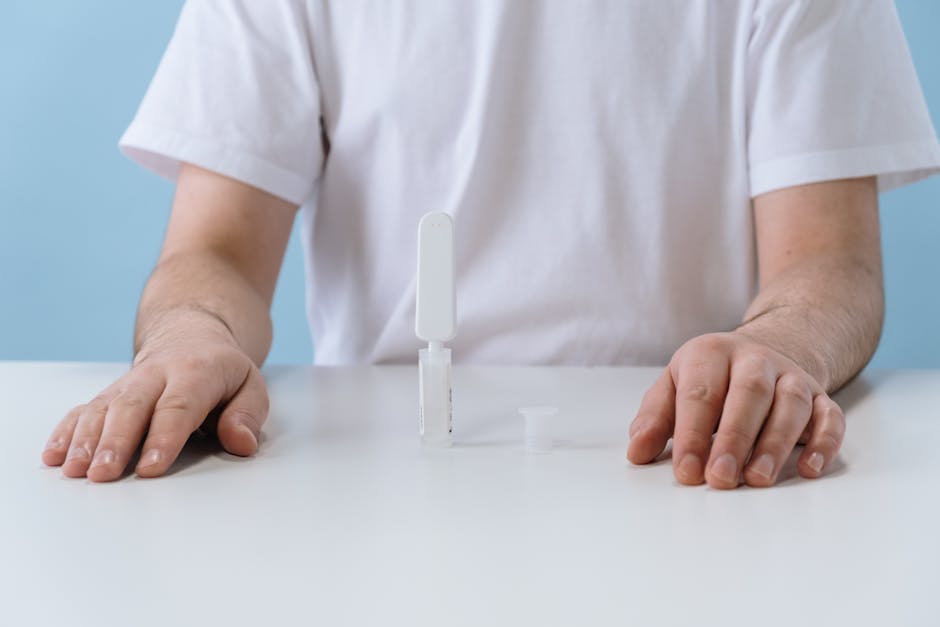
If your energy is down, your recovery is slower, your sleep is getting weird, and your doctor says your labs are “normal for your age,” that answer can feel like a bureaucratic shrug. Men over 45 usually do not want a motivational speech at that point. They want numbers.
That is why at-home hormone test kits have become popular. They offer a convenient way to check testosterone and related markers without scheduling an office visit first. For a time-poor guy who already tracks workouts, sleep, or blood pressure, this is not some fringe biohacker ritual. It is basic screening with less friction.
The straight take: the best at-home hormone test kits are useful for screening, comparing trends, and deciding whether a real doctor visit is worth the trouble. They are not a diagnosis. They are not a shortcut around medical judgment. And they are only as good as the sample you collect and the questions you ask after you get the result (Healthline, 2024; Testing.com, 2024).
For most men over 45, finger-prick blood kits are the smarter place to start than saliva tests if total testosterone is the main question. If you want a simple, lower-cost screen, Everlywell is the easy entry point. If you want a broader hormone panel and nurse support, LetsGetChecked is more useful. If you want a brand with a fast turnaround and the option to step into a traditional lab pathway, Labcorp OnDemand is the most practical hybrid option (Men’s Health, 2024; Medical News Today, 2024).
Why At-Home Hormone Testing Matters for Men Over 45
Testosterone naturally declines with age. That does not mean every tired 52-year-old has a hormone problem. It does mean hormone changes become one plausible explanation when energy, libido, body composition, mood, or recovery starts shifting in a way that feels different from normal stress or bad sleep.
That is where at-home testing earns its keep. It lowers the barrier to getting a first data point. Instead of waiting months, or skipping the issue because booking another appointment feels like one more administrative hobby nobody asked for, a man can collect a sample at home and see whether testosterone deserves a closer look (Healthline, 2024).
That convenience matters. Men in this age range are balancing work, family, training, and the annoying fact that recovery now runs on a different schedule. A simple screen can separate vague concern from an actual next step. If the number looks unremarkable, that is useful. If it looks low or borderline, that is also useful.
There is also a practical benefit to having objective data. A lot of men over 45 have a friend on TRT, another friend taking five supplements with names that sound like failed Marvel characters, and one physician who says everything is fine because the reference range says so. At-home testing cuts through enough of that noise to ask better questions.
Still, it helps to keep expectations realistic. A kit can tell you whether something may deserve follow-up. It cannot explain the whole picture by itself. Low energy might involve sleep apnea, stress, medication effects, thyroid issues, or plain old under-recovery. Hormones are part of the conversation, not the whole conversation.
Accuracy and Types of At-Home Hormone Tests: What to Look For
Not all hormone test kits are built the same. The biggest distinction is the sample type. For testosterone, finger-prick blood tests are generally considered more accurate than saliva tests for measuring total testosterone, which is why most serious at-home options lean that direction (Men’s Health, 2024).
That does not make saliva tests useless. It does make them a weaker default choice for a man over 45 who wants a clean answer to a straightforward question. If the goal is screening total testosterone, blood is usually the better tool.
A good kit should also make the process easy to trust. That means clear instructions, obvious labeling, reasonable turnaround times, and a lab process that does not feel slapped together. If collecting the sample is confusing, the odds of a sloppy sample go up fast.
Here is what actually matters when comparing kits:
- Collection method: Finger-prick blood is the stronger option for total testosterone screening.
- Hormones tested: Some kits look only at total testosterone. Others add SHBG, estradiol, cortisol, prolactin, or related markers.
- Turnaround time: Useful if you want to act quickly, but speed should not outrank quality.
- Support: If a result comes back odd, having access to some form of nurse or health consult support is better than staring at a portal and pretending you enjoy interpretive medicine.
- Practical fit: Some men want the cheapest entry point. Others want a broader panel because they already know one number rarely tells the whole story.
One more point that gets ignored in marketing copy: the best kit for you depends on your question. If you are simply asking, “Is my testosterone low enough that I should follow up with a physician?” a simple blood-based test may be enough. If you are already trying to understand symptoms with more nuance, a broader panel may be more useful.
Who this is not for: anyone expecting an at-home test to replace a full medical workup. That is not what these kits do, and companies that imply otherwise deserve side-eye.
Comprehensive Review of Top At-Home Hormone Test Kits
Here is the practical comparison most readers actually want.
| Kit | Collection method | Hormones/markers | Approx. cost | Turnaround/support | Best for | | — | — | — | — | — | — | | Everlywell At-Home Testosterone Test | Finger-prick blood | Total testosterone | Around $69 | Results in a few days | Men who want a simple first screen | | LetsGetChecked Testosterone options | At-home testing panel | Testosterone, SHBG, Free Androgen Index, Prolactin, Estradiol, Cortisol | Varies by panel | 2 to 5 days, 24/7 nurse support, CLIA-certified labs | Men who want a broader hormone picture | | Labcorp OnDemand Total Testosterone Blood Test | Finger-prick blood or in-person draw | Total testosterone | Around $69 | As fast as 1 day, free health consult | Men who want speed and a hybrid lab path |
Everlywell is the simple answer for someone who wants to stop guessing and get a baseline. It uses a finger-prick blood sample and focuses on total testosterone, with a price around $69 and turnaround in a few days (Men’s Health, 2024). That makes it attractive for men who do not need a sprawling panel and just want a first look.
Its limitation is also its appeal: it is narrow. If your real question is broader than total testosterone, Everlywell may leave you right back where you started, except now you have one number and several new questions.
Who it is not for: the guy who already knows he wants a more detailed read on the hormonal landscape, not just a single checkpoint.
LetsGetChecked is the more comprehensive option. Its testosterone testing options can include testosterone, SHBG, free androgen index, prolactin, estradiol, and cortisol, with results typically in 2 to 5 days and 24/7 nurse support through CLIA-certified labs (Men’s Health, 2024). For a man over 45 with symptoms that may not be explained by one number alone, that broader view can be worth the extra complexity.
This is the kit for someone who understands that hormones work more like a committee than a dictator. Total testosterone matters, but it does not operate in isolation. SHBG changes what is available. Estradiol matters. Cortisol can muddy the waters. A broader panel can help frame the conversation better before you talk with a physician.
Who it is not for: someone who wants the cheapest, simplest screen and does not care about added context.
Labcorp OnDemand sits in a useful middle ground. It offers a total testosterone test with a finger-prick blood option or an in-person draw, costs around $69, can return results as fast as one day, and includes a free health consult (Medical News Today, 2024). For men who trust established lab infrastructure more than direct-to-consumer branding, that matters.
Its biggest advantage is practical credibility. If you like the idea of starting at home but want a smoother path into more conventional follow-up, Labcorp OnDemand makes a lot of sense. It feels less like a wellness product and more like a screening tool.
Who it is not for: someone specifically looking for a broad multi-hormone panel from the start.
If the goal is a quick recommendation, here it is:
- Choose Everlywell for a basic, low-friction first screen.
- Choose LetsGetChecked if you want more context than a single testosterone value.
- Choose Labcorp OnDemand if you want speed and a more traditional lab setup.
None of these is a magic wand. That is a good thing. Magic wand marketing is how you end up paying premium prices for mediocre insight.
Interpreting Your Results and Next Steps
This is where men get themselves into trouble.
An at-home hormone test is a screening tool, not a diagnosis. Testing.com is clear on that point: these kits are not substitutes for professional medical care, and results should be discussed with a doctor before making health decisions (Testing.com, 2024). That is the boring answer. It is also the correct one.
A low or borderline testosterone result can be meaningful, but only in context. Timing matters. Symptoms matter. A physician may want confirmatory testing, additional labs, medication review, or a look at other conditions that can mimic a hormone problem.
A normal result also does not automatically mean nothing is wrong. It may mean testosterone is not the most obvious culprit. That still narrows the field.
The sensible next steps look like this:
- Review the result alongside your symptoms, not in isolation.
- Avoid making treatment decisions based on one home test.
- Bring the result to a physician if the number is low, borderline, or inconsistent with how you feel.
- Ask whether repeat morning testing or broader labs make sense.
Who this is not for: anyone hoping to self-prescribe a hormone protocol after one test result and a few hours online. That road is crowded with confidence and very light on judgment.
Maximizing Accuracy and Avoiding Pitfalls with At-Home Tests
A good kit can still produce a lousy result if the collection process is sloppy. Science in Health notes the basics that matter most: follow instructions carefully, check expiration dates, store the kit correctly, send the sample promptly, and test in the morning when testosterone levels are typically highest (Science in Health, 2024).
Those details are not trivial. Testosterone fluctuates. Sample quality matters. Mailing delays matter. If you collect late in the day, ignore the instructions, and leave the sample sitting around, you are not testing hormones anymore. You are testing your ability to sabotage your own data.
A few practical rules make the odds better:
- Read the instructions before opening the lancet.
- Confirm the kit is not expired.
- Collect the sample when you can mail it immediately.
- If the test is for testosterone, use a morning window when possible.
- Wash hands and prepare the collection area so you are not improvising midway through.
Men who already track sleep, workouts, or blood pressure usually understand this instinctively: trend quality depends on data quality.
The other pitfall is overinterpreting one result. These kits work best as part of a sequence: symptoms, screening, follow-up, then a decision with a clinician. Skip the middle steps and the whole thing turns into a DIY endocrine adventure.
FAQ
Are at-home hormone tests as reliable as doctor-ordered lab tests?
They can be useful and reasonably reliable for screening, especially blood-based testosterone tests, but they are not perfect substitutes for clinician-directed lab evaluation. Finger-prick blood tests are generally considered more accurate than saliva tests for total testosterone, and physician follow-up still matters when the result is abnormal or unclear (Men’s Health, 2024).
What hormones should I be testing for besides testosterone?
That depends on the question. Some broader panels include SHBG, estradiol, prolactin, cortisol, and free androgen index. Those can add context when a single testosterone number does not explain symptoms clearly (Men’s Health, 2024).
How often should men over 45 test their hormone levels?
There is no universal schedule in the provided source set. A practical approach is to test when symptoms change, when you want a baseline, or when a physician recommends follow-up. If you are monitoring an ongoing issue, the testing cadence should be discussed with your provider.
What should I do if my at-home test results are abnormal?
Treat the result as a prompt for follow-up, not a diagnosis. Bring the numbers to a doctor, discuss symptoms, and ask whether repeat morning testing or broader labs are appropriate before making any treatment decision (Testing.com, 2024).
Can I use my FSA/HSA to pay for these kits?
The provided sources for this article do not confirm a universal answer. Some health testing products may qualify depending on the seller and plan rules, but readers should verify directly with the test provider and their FSA/HSA administrator before assuming reimbursement.
At-home hormone kits are worth using when the goal is clarity, not self-diagnosis. For men over 45, the smart play is simple: start with a blood-based test, choose the level of detail that matches your question, and treat the result as a screening step that informs a real medical conversation.
Not glamorous. Just how adults make good decisions with imperfect tools.
Sources
- Healthline. “The Best At-Home Testosterone Test Kits of 2024.” 2024. https://www.healthline.com/health/testosterone-test-kits
- Men’s Health. “The 6 Best At-Home Testosterone Test Kits for Accurate Results in 2024.” 2024. https://www.menshealth.com/health/g42709607/testosterone-test-kit/
- Medical News Today. “Best home testosterone tests of 2024.” 2024. https://www.medicalnewstoday.com/articles/home-testosterone-test
- Testing.com. “At-Home Testosterone Test.” 2024. https://vertexaisearch.cloud.google.com/grounding-api-redirect/AUZIYQH7lY441ZESzEUJ4VcJs4QrAqKTpssnbkQomMzvX0b9ai8eLUX3C9WRsbv11cKN1eqWzrXahbvx0zKLstKxVkxDAhMTg4fne57D9bIORX0b6jkA6W0h08033WkfIyWnVOr02I87zfuP0Z4rjQU33w==
- Science in Health. “Best At Home Testosterone Test Kits 2025: Comparing Top Brands.” 2024. https://scienceinhealth.com/2025/11/20/best-at-home-testosterone-test-kits/
Continue reading: Read the pillar — Biomarkers & Lab Testing
This article is for informational purposes only and is not financial advice. Consult a qualified professional for personalized guidance.
Leave a Reply