
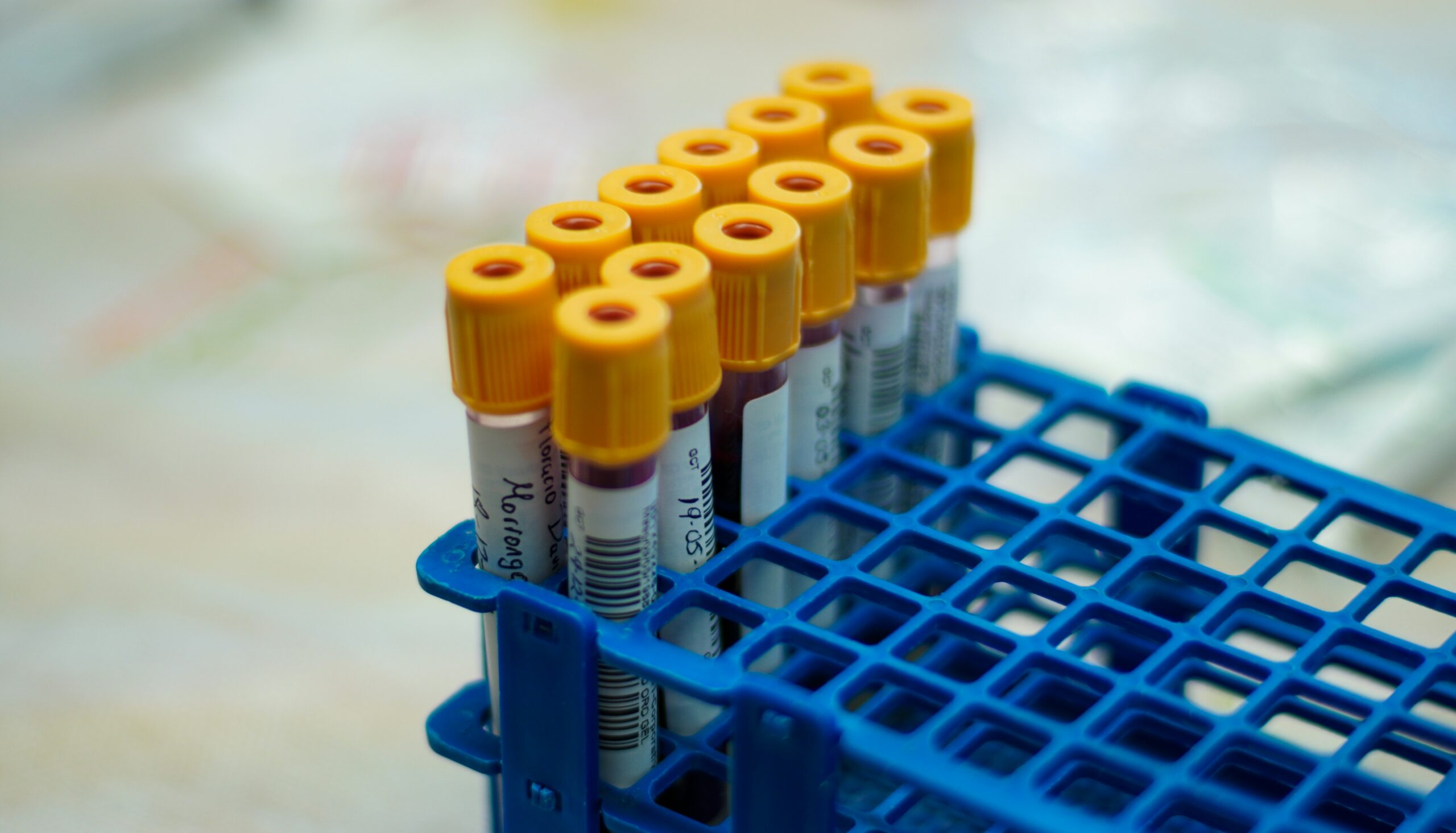
You get your annual blood panel back. The doctor says everything looks normal. You feel reassured for about a day — and then you go back to feeling exactly the same as before.
Here’s the problem: “normal” doesn’t mean optimal. Standard lab reference ranges are designed to detect disease, not to optimize health. They’re based on population averages that include sick people, sedentary people, and people who haven’t exercised in years. When your doctor says your numbers are “normal for your age,” what they’re really saying is “you’re not sick enough to treat.”
For men over 50 who want to feel and perform their best — not just avoid a diagnosis — that’s not good enough.
This guide covers the 10 biomarkers that matter most for men in the second half of life. Not the generic CBC your doctor orders. The specific markers that predict how you’ll feel, perform, and age over the next decade. For each one, you’ll get the standard lab range, the optimal target for longevity-focused men, what it means if you’re off, and what to do about it.
Why standard lab ranges mislead you
A lab reference range is built from the middle 95% of the testing population. If most 55-year-old men in the database have mediocre testosterone, then mediocre testosterone falls within “normal.” The range tells you where most people are — not where you should be.
Longevity-focused physicians use tighter “optimal” ranges based on research correlating biomarker levels with healthspan outcomes — reduced cardiovascular risk, better cognitive function, lower all-cause mortality. These ranges are narrower and set a higher bar.
The distinction matters. A total testosterone of 320 ng/dL is “normal” by lab standards but associated with significant symptoms in many men. An hsCRP of 2.8 mg/L is “normal” but represents meaningfully elevated cardiovascular risk. A vitamin D of 32 ng/mL passes the standard threshold but falls well below the 50–70 ng/mL range associated with best immune and bone health outcomes.
The goal isn’t to chase perfect numbers. It’s to understand what your numbers actually mean in the context of how you want to live.
The 10 biomarkers
1. Total testosterone
What it is: The headline hormone for male health — affects energy, mood, body composition, libido, and cognitive function.
Standard range: 264–916 ng/dL Optimal target: 500–900 ng/dL for men over 50
Why it matters: Testosterone declines 1–3% per year after 30. By your 50s, many men are in the low-normal range — technically “fine” but experiencing real symptoms. Levels below 500 ng/dL are associated with increased fatigue, reduced lean mass, and lower quality of life in otherwise healthy men.
If you’re low: Retest to confirm (two morning draws). Optimize sleep, body composition, and stress first. If levels stay below 300 ng/dL with symptoms, TRT is worth discussing with a provider. See our complete TRT decision guide.
2. Free testosterone
What it is: The fraction of testosterone that’s bioavailable — not bound to SHBG or albumin. This is what your body actually uses.
Standard range: 5–21 pg/mL (varies by lab) Optimal target: 10–20 pg/mL
Why it matters: Your total T can look normal while free T is low. SHBG increases with age, binding more testosterone and making it unavailable. A man with total T of 600 ng/dL and high SHBG may have the same free T as a man with total T of 350 ng/dL and low SHBG. Free T is often the better predictor of symptoms.
If you’re low: Check SHBG. If SHBG is elevated, discuss interventions that lower it (certain medications, body composition changes). Free T is a critical addition to any hormone panel — don’t let your doctor skip it.
3. SHBG (Sex Hormone-Binding Globulin)
What it is: The transport protein that binds testosterone and estradiol in your blood, regulating how much is available to tissues.
Standard range: 10–57 nmol/L Optimal target: 20–40 nmol/L
Why it matters: SHBG is the gatekeeper. Too high, and your usable testosterone drops even if total T looks fine. Too low (common in insulin-resistant or obese men), and testosterone clears faster but estrogen conversion may increase. It’s the context that makes your other hormone numbers meaningful.
If it’s high: Often elevated by liver conditions, hyperthyroidism, or aging. Discuss with your provider — this isn’t a number you self-treat.
4. Estradiol (E2)
What it is: The primary estrogen in men. Yes, men need estrogen — it’s essential for bone density, brain function, and cardiovascular health. But the ratio to testosterone matters.
Standard range: 10–40 pg/mL Optimal target: 20–35 pg/mL
Why it matters: Estradiol that’s too high relative to testosterone causes water retention, mood instability, and gynecomastia. Too low causes joint pain, low libido, and bone loss. It’s especially important to monitor during TRT, because exogenous testosterone aromatizes (converts) into estradiol.
If it’s off: This is a conversation with your TRT provider, not a DIY project. Aromatase inhibitors are sometimes used but carry their own risks and shouldn’t be taken without monitoring.
5. PSA (Prostate-Specific Antigen)
What it is: A protein produced by the prostate. Elevated levels can indicate prostate inflammation, enlargement, or cancer.
Standard range: 0–4.0 ng/mL (age-adjusted ranges exist) Optimal target: Below 2.5 ng/mL; trending matters more than single readings
Why it matters: A baseline PSA before starting TRT is non-negotiable. Not because TRT causes prostate cancer — the evidence says it doesn’t — but because you need a reference point. A sudden jump from 1.2 to 3.8 is more significant than a stable reading of 3.0, even though both are “normal.”
If it’s elevated: Don’t panic. PSA can be elevated by recent exercise, sexual activity, prostate infection, or benign enlargement. A single elevated reading warrants a repeat test and possibly a urology referral — not an immediate biopsy.
6. hsCRP (High-Sensitivity C-Reactive Protein)
What it is: The best single marker for systemic inflammation. Produced by the liver in response to inflammatory signals.
Standard range: Below 3.0 mg/L Optimal target: Below 1.0 mg/L
Why it matters: hsCRP predicts cardiovascular risk better than LDL cholesterol in many studies. Chronic low-grade inflammation is the common thread connecting heart disease, diabetes, cognitive decline, and accelerated aging. A reading above 1.0 mg/L in an otherwise healthy man suggests something is driving chronic inflammation — diet, visceral fat, sleep apnea, or an undetected infection.
If it’s elevated: Rule out acute causes (recent illness, injury, dental infection). If persistently elevated, focus on root causes: reduce visceral fat, improve sleep quality, increase omega-3 intake, and address any chronic infections. This is one of the most modifiable markers on this list.
7. HbA1c (Glycated Hemoglobin)
What it is: Your 90-day blood sugar average. More reliable than fasting glucose because it smooths out daily fluctuations.
Standard range: Below 5.7% (prediabetes: 5.7–6.4%) Optimal target: 4.8–5.3%
Why it matters: Metabolic dysfunction is the single largest health risk for men over 50. HbA1c catches problems years before a diabetes diagnosis. A reading of 5.5% is “normal” but trending in the wrong direction — and it’s associated with meaningfully higher cardiovascular risk compared to 5.0%.
If it’s elevated: This responds well to lifestyle intervention. Reducing refined carbohydrates, increasing walking (especially after meals), improving sleep, and losing visceral fat can drop HbA1c by 0.3–0.5% in 90 days. If lifestyle changes don’t move it, discuss metformin with your provider.
8. Vitamin D (25-hydroxyvitamin D)
What it is: A fat-soluble vitamin that functions more like a hormone. Affects immune function, bone density, mood, testosterone production, and muscle function.
Standard range: 30–100 ng/mL Optimal target: 50–70 ng/mL
Why it matters: Most men over 50 are insufficient (below 30 ng/mL) or suboptimal (30–50 ng/mL), particularly if they work indoors or live at northern latitudes. Vitamin D deficiency is associated with lower testosterone, weaker immune function, higher rates of depression, and increased fracture risk.
If it’s low: Supplement with vitamin D3 + K2. Most adults need 2,000–5,000 IU daily to maintain optimal levels, but the right dose depends on your starting point and body weight. Retest after 90 days to verify you’ve reached target. This is one of the simplest and cheapest optimizations on this list.
9. Ferritin
What it is: A measure of your body’s iron storage. Not the same as serum iron — ferritin reflects your reserves.
Standard range: 20–400 ng/mL (wildly broad — this is where “normal” is most misleading) Optimal target: 50–150 ng/mL
Why it matters: Too low causes fatigue, brain fog, and exercise intolerance — symptoms often attributed to aging or low testosterone. Too high is a cardiovascular risk factor and can indicate iron overload (hemochromatosis), which affects roughly 1 in 200 men of Northern European descent. The “normal” range of 20–400 is absurdly wide — a ferritin of 25 and a ferritin of 350 represent completely different clinical pictures.
If it’s off: Low ferritin is usually dietary — increase red meat, liver, or supplement with iron bisglycinate (the best-absorbed form). High ferritin requires investigation — it could be inflammation (check hsCRP simultaneously), liver disease, or hemochromatosis. Therapeutic blood donation is the standard treatment for iron overload.
10. ApoB (Apolipoprotein B)
What it is: A protein found on LDL and VLDL particles. It’s a better predictor of cardiovascular risk than standard LDL-C because it counts the actual number of atherogenic particles in your blood, not just the cholesterol they carry.
Standard range: Below 130 mg/dL Optimal target: Below 90 mg/dL (below 60 mg/dL if you have cardiovascular risk factors)
Why it matters: LDL cholesterol alone is outdated as a risk marker. Two men with the same LDL-C can have dramatically different ApoB levels — and it’s ApoB that drives plaque formation. Longevity physicians like Peter Attia have been vocal about making ApoB the primary lipid marker, and the evidence supports this position.
If it’s elevated: Dietary intervention (reduce refined carbohydrates and seed oils, increase fiber) can help modestly. Statins are effective at lowering ApoB if lifestyle changes aren’t sufficient. This is a conversation with a provider who understands advanced lipid management — not all doctors test for or interpret ApoB.
Where to get tested
Your doctor can order most of these — but many won’t unless you ask specifically. Standard annual panels typically cover CBC, metabolic panel, basic lipids, and maybe HbA1c. Hormones, hsCRP, ApoB, ferritin, and vitamin D are often considered “extras.”
Through your doctor: Free with insurance (if they’ll order it). Ask for the specific markers by name. Bring a printed list. Some doctors welcome informed patients; others resist. Either way, you’re entitled to request specific tests.
InsideTracker: The most actionable blood testing platform available. Their Ultimate panel covers hormones, metabolic markers, inflammation, and nutrients — up to 54 biomarkers across 10 healthspan categories. The platform doesn’t just report numbers; it provides personalized optimal zones and algorithm-driven recommendations. Annual membership is $149, plus $589 per Ultimate test. Best for men who want data-driven guidance, not just data.
Function Health: The best value for comprehensive breadth. Over 100 biomarkers tested twice yearly for $365 total. Covers everything on this list plus heavy metals, autoimmune markers, and advanced cardiovascular markers like Lp(a). Clinician-reviewed notes included. Best for men who want the most complete picture at the lowest per-biomarker cost.
Direct-to-consumer labs: Quest and Labcorp allow self-ordered panels in most states, typically $200–400 for a comprehensive hormone and metabolic panel. You get the numbers but no interpretation layer.
Your testing schedule
Baseline: All 10 markers before starting any new intervention (supplement, TRT, lifestyle change). 3-month retest: After any significant change, to measure impact. At minimum: the markers relevant to your intervention. 6-month maintenance: Once you’re stable, retest core markers every 6 months. Annual comprehensive: Full panel including markers not on this list (thyroid, liver, kidney function).
Frequently asked questions
Do I need to fast before testing? For most markers, yes. A 12-hour fast improves accuracy for glucose, insulin, lipids, and ApoB. Testosterone should be drawn before 10 AM when levels peak.
Can I just use at-home finger-prick tests? Some are accurate for specific markers (HbA1c, basic lipids). For hormones and hsCRP, a venous blood draw is more reliable. At-home kits are fine for tracking trends but shouldn’t replace a comprehensive venous panel.
How much does comprehensive testing cost? Through your doctor with insurance: potentially free if they order the right tests. Function Health: $365/year for two comprehensive draws. InsideTracker Ultimate: $738/year for two tests plus $149 membership. Direct-to-consumer labs: $200–400 per panel.
What if my doctor says my results are “normal” but I still feel off? Ask for the actual numbers, not just “normal.” Compare against the optimal ranges in this guide. If your free testosterone is 8 pg/mL and your doctor calls it normal, you now have the context to push for further evaluation or seek a specialist.
Should I bring this guide to my doctor? Yes. Most physicians respond well to patients who come prepared with specific questions and marker requests. Print the biomarker list with the optimal ranges and use it as a conversation starter.
These 10 markers are your health dashboard. Test them, understand them, and track them over time — because trends matter more than any single reading.