
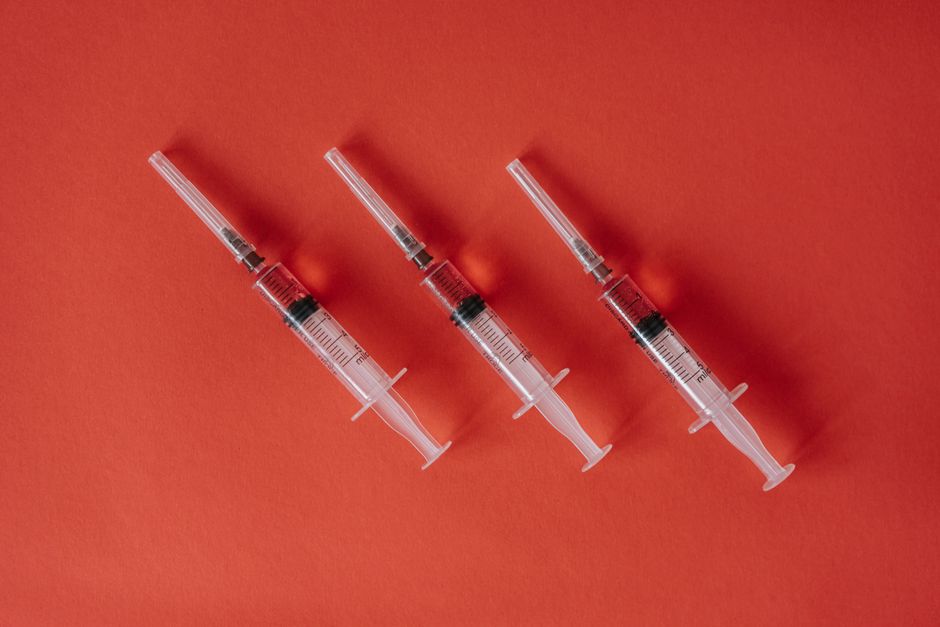
If you’re considering testosterone replacement therapy, a real TRT delivery methods comparison starts with one fact: the method matters almost as much as the prescription. The drug is still testosterone. The lived experience isn’t. A weekly injection, a daily gel, a compounded cream, and a pellet implanted every few months can all raise levels, but they create very different routines, costs, side-effect profiles, and household headaches.
That distinction matters because this isn’t a niche issue. The HIM study, published in the International Journal of Clinical Practice, found that 38.7% of men age 45 and older had total testosterone below 300 ng/dL, the usual clinical threshold for hypogonadism. Meanwhile, Global Market Insights valued the testosterone replacement therapy market at $1.9 billion in 2024, with projected growth through 2034. Translation: a lot of men are having this conversation, and many are being handed a protocol before anyone explains the trade-offs properly.
Here’s the straight version. Injections are usually the cheapest and most adjustable. Gels and creams are convenient but come with real transfer risk if other people touch the application site. Pellets are the lowest-maintenance option once dialed in, but they cost more and lock you into a longer timeline. For men over 45, the right answer usually comes down to five things: how much you hate needles, how much schedule friction you tolerate, who lives in your house, what your budget looks like, and how much volatility you’re willing to accept in your labs and how you feel.
TRT Delivery Methods Comparison: The Four Major Options at a Glance
The first useful distinction is simple: all four common methods deliver testosterone, but they do it at different speeds and with different levels of control. That’s why a proper TRT delivery methods comparison is really a comparison of routines and hormone curves, not just products.
Injections are usually intramuscular or subcutaneous shots given on a weekly or split-weekly schedule. Gels and creams are rubbed onto the skin daily, typically on the shoulders, upper arms, or thighs depending on the product. Pellets, such as Testopel, are implanted under the skin in an office procedure every three to six months. Each option solves one problem by creating another. That’s how medicine tends to work once marketing leaves the room.
For men in the 45-plus group, prevalence matters because it explains why clinics and telehealth companies are pushing standardized answers. The HIM study showed how common low testosterone becomes with age. But age prevalence doesn’t tell you which route will fit your life. A man with two young kids at home, frequent travel, and a low tolerance for weekly injections shouldn’t be funneled into the same choice as someone who wants the cheapest possible protocol and doesn’t mind handling syringes.
The broad pattern is this: injections win on cost and bioavailability, gels and creams win on needle-free convenience, and pellets win on low-maintenance consistency after the dose is set. None of those wins are free.
TRT Injections: Efficacy, Cost, and the Trade-Offs
Injections remain the default for a reason. They are efficient, relatively inexpensive, and easy to adjust when labs or symptoms say the dose is off. Fagron Academy notes that intramuscular testosterone can reach roughly 90% systemic bioavailability, compared with about 10% for transdermal gels. That difference helps explain why many clinicians still start the conversation here.
The upside isn’t subtle. Injections usually produce the highest total and free testosterone levels, which can matter for men who have been under-treated on topical products. In the 2015 Sexual Medicine study by Pastuszak and colleagues, injectable testosterone produced the highest measured hormone levels among injections, gels, and pellets.
The downside is also not subtle. The same Pastuszak study found the highest rate of erythrocytosis in injection users: 66.7% had hematocrit above 50%, versus 12.8% for gel users and 35.1% for pellet users. That doesn’t mean injections are unsafe for everyone. It means injections demand monitoring. If you’re on shots and no one is watching hematocrit, that isn’t a modern protocol. That’s autopilot.
There is also the quality-of-life issue. Injections tend to create peaks and troughs, especially with longer spacing between doses. Some men feel great for a couple of days, then flatter, more irritable, or more tired before the next shot. Others barely notice. But the fluctuation is real, and it shows up in labs and lived experience.
Cost is where injections usually pull away from the pack. Medication-only cost is commonly cited around $360 to $1,200 per year, with broader annual out-of-pocket costs landing around $1,200 to $3,000 once labs and visits are included. If cost sensitivity is high, this is usually the place to start. The article on TRT cost breakdown per month digs into that math in more detail.
Who this is best for: men who want the cheapest option, want fast dose adjustments, and don’t mind handling weekly injections or split dosing.
Who this isn’t for: men with intense needle aversion, men who are sloppy about lab follow-up, or men who feel lousy on wide hormonal swings and want the flattest possible curve.
TRT Gels and Creams: Daily Convenience with Real Transfer Risks
Gels and creams appeal to men who don’t want needles and want a steadier daily rhythm. On paper, that sounds excellent. Put it on in the morning, absorb it through the skin, move on with your life.
The problem is that your skin isn’t a sealed delivery device. It’s skin. The FDA requires boxed warnings on topical testosterone because secondary exposure is a real issue, not a lawyerly footnote. ConsumerMedSafety and the Institute for Safe Medication Practices have documented transfer risks that can persist for 4 to 12 hours after application. In reported pediatric cases involving children as young as 9 months to 5 years, secondary exposure was associated with virilization signs such as premature puberty, genital enlargement, and accelerated bone age.
That single fact should narrow the decision quickly for some households. If you have young children who climb on you before breakfast, or a partner who is likely to have skin-to-skin contact soon after application, gels and creams move from convenient to logistically annoying very fast. One cited study found that direct skin-to-skin contact could raise a female partner’s testosterone level by as much as 185%. That isn’t a rounding error.
The good side of topicals is steadier blood levels and an easy off-ramp if the dose is wrong. Daily application creates a habit rather than a weekly event. For some men, that means better adherence. For others, it means one more thing to remember before the day starts. Time-poor men tend to know immediately which camp they are in.
Cost is the other sticking point. Generic or lower-cost options may fall around $600 to $2,400 per year for medication alone, but brand-name gels can run much higher, with some estimates reaching $2,400 to $7,200 annually. Once you add labs and visits, total yearly cost often lands around $2,000 to $5,000.
Who this is best for: men who want to avoid needles, want flatter day-to-day levels, and can control exposure risk at home.
Who this isn’t for: men with young children, men with frequent skin contact at home, or men who know they will get tired of a daily application ritual by week three.
TRT Pellets: The Set-It-and-Forget-It Option with a Surgical Catch
Pellets are the option for men who want TRT to stop being a recurring task. Testopel and similar products are implanted subcutaneously in a quick in-office procedure, then release testosterone gradually for three to six months. UCSF Transcare describes the insertion as a roughly 10-minute visit. For the right person, that is the appeal right there.
Convenience is the selling point, and patient satisfaction appears high. Studies summarized in clinical materials report satisfaction rates up to 86%, with a pellet extrusion rate around 0.3%. If you travel a lot, hate managing prescriptions, or simply want fewer moving parts, pellets can feel refreshingly adult. No syringes in the bathroom. No daily gel drying time. No wondering whether you packed enough supplies for a long trip.
But pellets trade convenience for flexibility. Once the pellets are in, they are in. You can’t fine-tune the dose next Tuesday because your estradiol, hematocrit, or symptoms moved in the wrong direction. That makes pellets a stronger fit for men who already know roughly how they respond to testosterone, not men who are still experimenting.
The risk profile sits between injections and gels in some areas. In the Pastuszak study, pellet users had an erythrocytosis rate of 35.1%, lower than injections but still meaningfully above gels. There is also the simple reality that this is a procedure. Minor one, yes. Procedure, still yes.
Cost reflects that. Insertion visits are often quoted around $400 to $1,200 each, with annualized total costs, including labs and visits, commonly around $1,800 to $3,500. Medication-only cost estimates vary widely because the per-insertion model doesn’t behave like a monthly prescription.
Who this is best for: men who already know TRT helps them, want the lowest-maintenance option, and can tolerate less dose flexibility.
Who this isn’t for: first-time TRT patients who are still calibrating, men who want quick dose changes, or men who don’t want any procedure attached to their hormone protocol.
Cost Comparison: What Each Method Actually Costs Per Year
The cheap-versus-expensive framing is useful, but only up to a point. What matters is total annual cost, not just the line item for medication.
On medication alone, injections usually come in around $360 to $1,200 per year. Gels and creams generally run $600 to $2,400, while pellets may land anywhere from roughly $800 to $4,800 depending on the number of insertions and local pricing. Once you add provider visits, labs, and monitoring, the full out-of-pocket ranges are more like $1,200 to $3,000 for injections, $2,000 to $5,000 for gels and creams, and $1,800 to $3,500 for pellets.
That’s why price comparisons can get misleading online. One clinic quotes only medication. Another bundles labs. Another wraps everything into a membership. Telehealth models often charge $100 to $250 per month and include medication, labs, and consultations in the same number. For some men, that is cleaner budgeting. For others, it is a disguised markup on a cheap injectable protocol.
The simplest rule is this: injections are still usually the cheapest entry point, pellets usually have the highest per-visit sticker shock, and topicals are where convenience can get expensive fast. If your main concern is budget, the math usually points toward injections. If your main concern is routine friction, paying more for a smoother experience may be reasonable.
This is also where context matters. A man already paying for multiple specialist visits, advanced labs, and a concierge-style clinic may barely notice the difference between methods. A man trying to keep total TRT spend disciplined will notice it immediately. The piece on best online TRT clinics in 2026 is useful here because clinic pricing models often matter as much as the drug itself.
What Your Labs Look Like on Each Method: Pharmacokinetics Matter
Average testosterone level matters. The shape of the curve matters too. Men often discover this the annoying way, when their lab number looks acceptable but they feel like two different people across the same week.
Injections commonly create a peak-to-trough ratio around 2.5:1. In practical terms, that can mean supraphysiologic peaks above 1,000 ng/dL shortly after dosing and much lower troughs before the next shot. Some men tolerate that well. Others describe it as a mild weekly personality experiment they did not volunteer for.
Gels tend to run flatter, with a peak-to-trough ratio around 1.3:1 and serum levels more consistently in a eugonadal range, often around 400 to 700 ng/dL or higher depending on dose and absorption. Pellets are flatter still because they release gradually over months, though they are less adjustable once inserted.
That difference in curve may affect how you feel more than the headline number on the lab report. A switch study indexed at PubMed PMID 18042506 found that gels produced significantly less free testosterone fluctuation than intramuscular injections, with a peak-trough difference around 2.7 pg/mL for gels versus about 26.7 pg/mL for injections. The same study also reported better quality-of-life scores after switching from injections to gel in that cohort.
This doesn’t make gels superior across the board. It means some men feel better on steadier exposure even if their absolute level is lower. Others prefer the stronger effect and lower cost of injections and are happy to manage the rhythm with dose timing. If you want a deeper explanation of how this shows up in practice, the guide on how to read your TRT lab results is worth reading before your next follow-up.
The point isn’t to chase the highest number. It’s to match the pharmacokinetics to the symptoms, side effects, and schedule realities of the person taking it.
How to Choose: Matching Delivery Method to Your Lifestyle
No single method wins for every patient. Cleveland Clinic makes the right point here: the best TRT protocol depends on your symptoms, your labs, your medical history, and the practical details of how you live. That’s less exciting than a clinic telling you its preferred method is magically best. It’s also true.
Start with needle tolerance. If you hate injections enough that you will skip doses, the cheapest protocol isn’t actually the best one for you. Next, look at your household. If young children or a partner are likely to come into skin contact soon after application, topicals become a harder sell. Then look at cost. If you are price-sensitive, injections usually win. If the routine matters more than the budget, pellets may justify the higher spend.
After that, think about adjustability. The first year of TRT often involves tinkering with dose, timing, and monitoring. Injections and topicals are easier to modify during that phase. Pellets make more sense once you already have a stable response pattern. Finally, be honest about routine tolerance. Daily, weekly, or quarterly isn’t just a scheduling detail. It changes adherence, travel planning, and how intrusive treatment feels.
This is also where baseline context helps. If you are still figuring out what a normal testosterone level looks like at 50 or whether you have low testosterone symptoms men over 45 often miss, slow down before locking in a delivery method. The method is downstream from the diagnosis.
A good provider discussion usually includes four things: your baseline labs, your symptoms, your household exposure risk, and how much monitoring discipline you are realistically going to maintain. TRT can be useful. It isn’t self-driving. Consult your provider before choosing or switching methods, especially if you have fertility goals, elevated hematocrit, untreated sleep apnea, prostate concerns, or cardiovascular risk factors that need tighter supervision.
Frequently Asked Questions
Can I switch between TRT delivery methods once I’ve started, and how do I transition safely?
Yes, men switch between methods all the time, usually because of cost, convenience, side effects, or unstable levels. The transition still needs provider oversight because dose equivalence isn’t one-to-one. The safest approach is to switch based on current labs, symptoms, timing of the last dose, and follow-up testing rather than guesswork.
Which TRT delivery method has the lowest overall risk of side effects?
There is no universal winner. Gels appear to have the lowest erythrocytosis rate in the Pastuszak study, but they introduce transfer risk that injections and pellets don’t. Injections are efficient and cheap but need closer hematocrit monitoring. Pellets reduce routine friction but add a procedure and less dose flexibility.
How long does it take to feel the effects of each TRT delivery method?
The delivery method changes the curve more than the overall timeline. Some men notice symptom changes within a few weeks on any method, while body-composition and recovery changes may take longer. Injections may feel more immediate because of higher peaks; gels and pellets often feel steadier rather than dramatic.
Does Medicare or private insurance cover all TRT delivery methods equally?
Usually not. Coverage depends on diagnosis, formulary rules, the specific product, and whether the treatment is clinic-administered or self-administered. Pellets and brand-name topicals often create more friction on coverage and prior authorization than generic injections.
Is there a TRT method that works best for men who travel frequently?
Often, yes. Pellets are the cleanest travel-friendly option because there is nothing to pack or dose on the road. Gels can also work if you are disciplined about daily routine and exposure precautions. Injections are manageable for travel, but they require more planning around timing and supplies.
The Bottom Line
The best TRT method isn’t the one with the loudest marketing. It’s the one whose costs, monitoring burden, fluctuation pattern, and household logistics you can actually live with. For most men over 45, injections are the cost leader, gels and creams are the convenience play with real transfer risk, and pellets are the low-maintenance option once the protocol is already dialed in.
Sources
- International Journal of Clinical Practice. “Prevalence of hypogonadism in males aged at least 45 years: the HIM study.” https://pubmed.ncbi.nlm.nih.gov/16846397/
- Sexual Medicine. “Comparison of the Effects of Testosterone Gels, Injections, and Pellets on Serum Hormones, Erythrocytosis, Lipids, and Prostate-Specific Antigen.” https://pubmed.ncbi.nlm.nih.gov/26468380/
- Fagron Academy. “Hormone Compounding Blog Series: Testosterone – Switching Between Routes of Administration.” https://www.fagronacademy.us/blog/hormone-compounding-blog-series-testosterone—switching-between-routes-of-administration
- TRT.tips. “TRT Costs in 2025: What You’ll Actually Pay.” https://trt.tips/trt-costs-in-2025-what-youll-actually-pay/
- Global Market Insights. “Testosterone Replacement Therapy Market Size.” https://www.gminsights.com/industry-analysis/testosterone-replacement-therapy-market
- ConsumerMedSafety / Institute for Safe Medication Practices. “Danger of Accidental Testosterone Exposure in Women and Children.” https://www.consumermedsafety.org/safety-articles/danger-of-accidental-testosterone-exposure-in-children
- UCSF Transcare. “Testosterone Long-Acting Pellets (Testopel).” https://transcare.ucsf.edu/testosterone-long-acting-pellets-testopel
- HealthRX. “Testosterone Cypionate vs AndroGel Efficacy.” https://healthrx.com/compare-mens-trt/testosterone-cypionate-vs-androgel–efficacy
- PubMed / NIH. “Effects of Testosterone Gel vs IM Injections in Hypogonadal Men (Switch Study).” https://pubmed.ncbi.nlm.nih.gov/18042506/
- Cleveland Clinic. “Testosterone Replacement Therapy (TRT).” https://my.clevelandclinic.org/health/treatments/testosterone-replacement-therapy-trt
This article is for informational purposes only and is not financial advice. Consult a qualified professional for personalized guidance.
Leave a Reply