
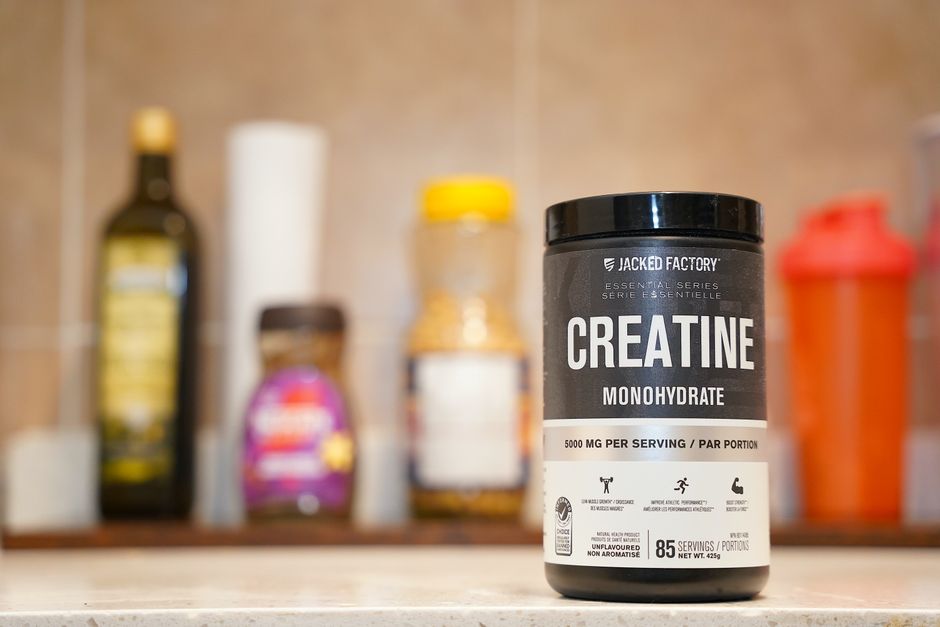
By your 50s, the supplement aisle starts to look like a confidence trick with better packaging. Every tub promises cleaner energy, sharper focus, more power, less soreness, and some vague form of optimization that conveniently costs extra.
That’s exactly why creatine strategies for men over 50 deserve a more sober look. This is one of the few supplements with decades of safety data, a real mechanism, and outcomes that matter to a time-poor guy who still wants to train hard, think clearly, and not spend money on fairy dust in a black jar.
The short version is simple. Creatine monohydrate still does the heavy lifting. Loading is optional. Timing matters less than consistency. Stacking can make sense in a few specific cases. And if a brand can’t show serious third-party testing, it doesn’t deserve your money.
Why Creatine Strategies for Men Over 50 Deserve a Second Look
After 50, muscle loss stops being theoretical. Sarcopenia tends to accelerate with age, and the key number is the right one to care about: adults can lose 3 to 8 percent of muscle mass per decade after 50. That shows up in slower recovery, less reserve in the gym, and eventually less margin everywhere else.
Creatine matters here for two reasons. First, muscle creatine stores often decline with age because older adults usually have less total muscle mass and, in many cases, lower dietary intake. Second, the intervention that keeps showing up in the evidence isn’t some exotic blend. It’s plain creatine monohydrate paired with resistance training.
The strongest summary here comes from a 2025 narrative review in Frontiers in Nutrition by Li, which cites a meta-analysis of 22 studies in adults with mean ages between 57 and 70. In that pooled data, creatine monohydrate plus resistance training increased lean tissue mass by a mean difference of 1.37 kilograms versus placebo. That isn’t a movie-trailer result. It’s better than that. It’s believable.
That number also clarifies the real use case. Creatine isn’t a shortcut for men over 50 who refuse to train. It’s a force multiplier for men already lifting, walking, carrying, rowing, or doing the unglamorous work of staying physically useful. The villain here isn’t aging itself. It’s the lazy assumption that decline is natural, therefore intervention is optional.
There is also a practical point many people miss: the upside isn’t limited to aesthetics. More lean mass and better training output usually mean better capacity, more resilience against injury, and a little more room before ordinary aging starts charging higher rent.
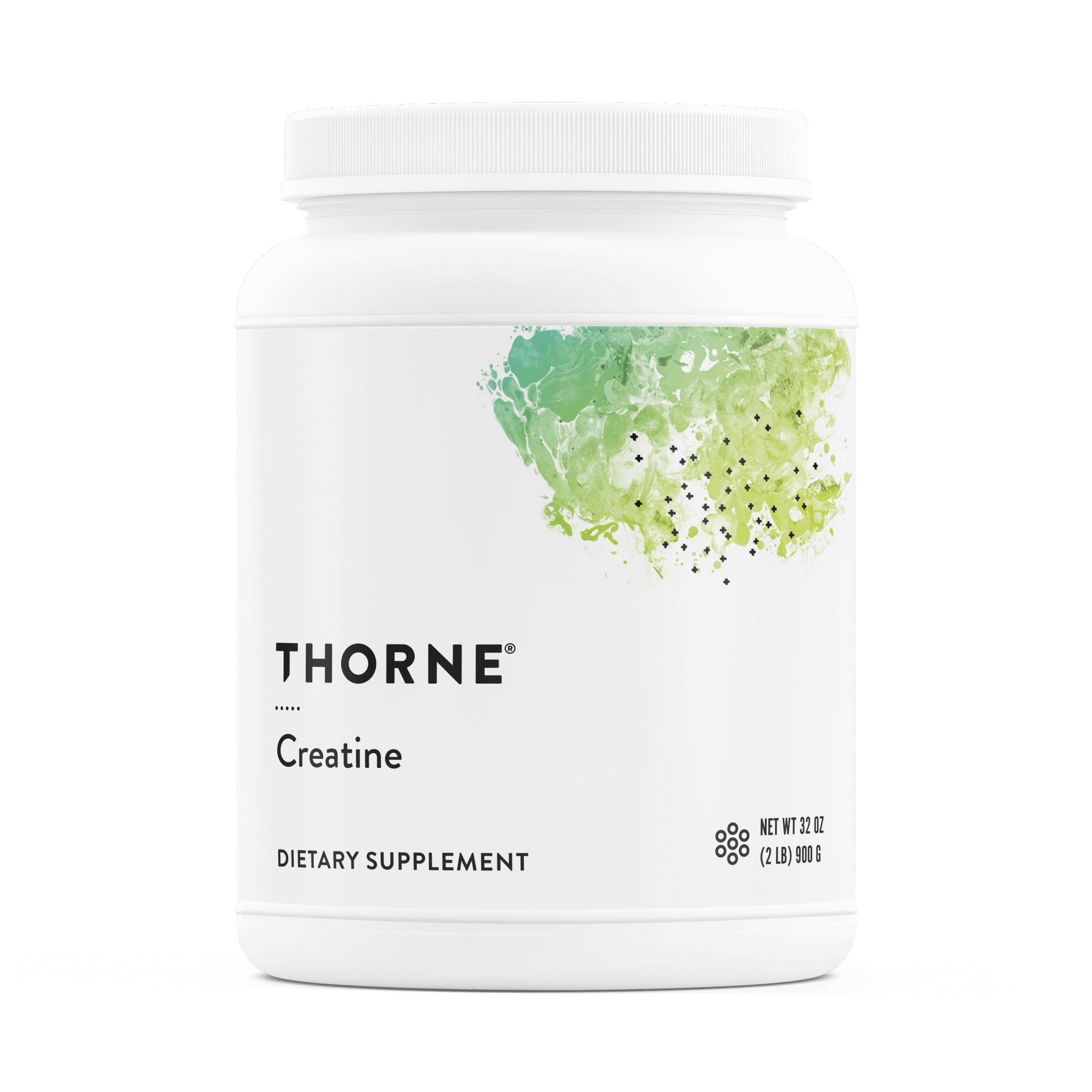
Thorne Creatine Monohydrate
We may earn a commission if you purchase through this link — it doesn't affect the price you pay
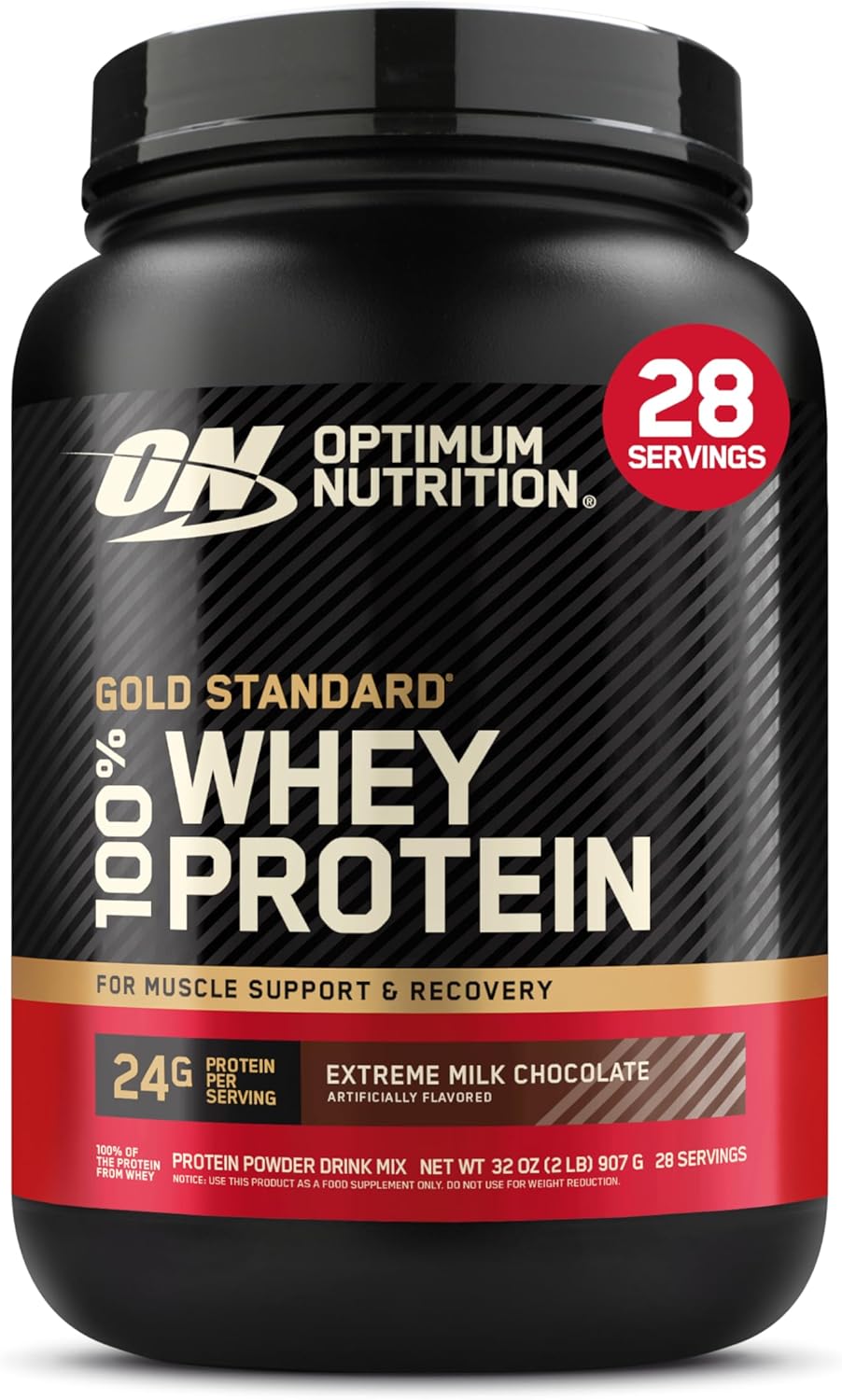
Optimum Nutrition Gold Standard 100% Whey
This article contains affiliate links. We may earn a commission at no extra cost to you.
Beyond Monohydrate: Sorting the Evidence on Alternative Creatine Forms
This is where supplement marketing gets silly. Creatine monohydrate is cheap, nearly 100 percent bioavailable at standard doses, and backed by decades of research. That should end the discussion, but the industry prefers a sequel.
So you get creatine hydrochloride, creatine nitrate, buffered creatine, creatine magnesium chelate, and the old disaster known as creatine ethyl ester. The sales pitch is almost always the same: better absorption, fewer stomach issues, less bloating, or somehow more results from a smaller dose. Conveniently, the premium price is presented as evidence of sophistication.
The 2021 review in the Journal of the International Society of Sports Nutrition by Antonio and colleagues cuts through that noise. Monohydrate remains the gold standard because it has the evidence base, the safety record, and the real-world performance data. The alternative forms may dissolve differently in water or sound fancier on a label, but they haven’t consistently outperformed monohydrate in head-to-head trials.
Creatine ethyl ester is the cautionary tale. According to the JISSN review, it degrades into creatinine in the digestive tract and has performed no better than placebo in some studies. That’s a nice reminder that a clever label and a worse molecule can still share shelf space.
For men over 50, this is good news, not boring news. It means the evidence-backed choice is also usually the least expensive one. Micronized creatine monohydrate from a reputable brand solves the problem most people actually have. The premium variants mostly solve the marketer’s problem, which is finding a way to charge more for a category everyone already understands.
If monohydrate upsets your stomach, changing dose size, taking it with food, or splitting intake is a better first move than chasing a miracle form. Most people don’t need a more advanced compound. They need less nonsense.
Optimizing Your Protocol: Dosing, Timing, and Loading Decisions
The standard protocol still holds up. As summarized in the Mayo Clinic’s 2025 explainer, a loading phase means 20 grams per day split into smaller doses for 5 to 7 days, followed by a maintenance dose of 3 to 5 grams per day. That gets muscle stores saturated faster.
But loading is optional. The same Mayo Clinic source notes that taking 3 to 5 grams per day consistently for 3 to 4 weeks also saturates muscle stores. That’s the better fit for a lot of older men, because it is simpler, gentler on the stomach, and easier to stick with. Consistency usually beats a heroic seven-day burst followed by forgetting the tub exists.
Timing is where the internet loves to turn a basic habit into theology. Pre-workout, post-workout, with carbs, without carbs, immediately after the last set while the moon is in retrograde. Mayo Clinic’s summary points the other direction: timing matters less than daily intake. For men over 50, the main objective is keeping muscle creatine stores topped off over time, not winning an argument on a fitness forum last updated in 2014.
Safety is another place where the mythology lags behind the data. Mayo Clinic and the JISSN review both support the basic point that creatine at standard doses hasn’t shown adverse kidney or liver effects in healthy adults in studies lasting 3 to 52 weeks. That’s a much more useful sentence than “creatine is perfectly safe,” because it says who the evidence applies to and where the guardrails are.
Who is this not for? Men with known kidney disease should talk to a clinician before supplementing. That isn’t hand-wringing. It’s the difference between evidence-based confidence and supplement-bro certainty. If you are healthy, train regularly, and want the simplest protocol that works, 3 to 5 grams of monohydrate every day is the adult answer.
Take it on rest days too. Muscle saturation doesn’t care whether you trained chest, legs, or your inbox.
Strategic Stacking: Creatine with HMB, Protein, and Beta-Alanine
Stacking is where useful supplementation often mutates into a chemistry set. Most stacks are just a more expensive way to avoid fixing sleep, training, or protein intake. A few, however, have enough logic and data to earn a place in the conversation.
The strongest pairing in the evidence set here is creatine plus HMB. A 2025 randomized crossover trial available through ResearchGate reported that adults over 65 taking 5 grams of creatine plus 3 grams of HMB with resistance training improved leg press strength by 25 percent, compared with 12 percent from resistance training alone. That doesn’t mean everyone needs HMB. It does mean the combination has more behind it than the usual “advanced recovery matrix” nonsense.
Protein is the non-negotiable backdrop. The cited target is 1.2 to 1.5 grams per kilogram of body weight per day for older adults, well above the standard 0.8 g/kg RDA. That matters because creatine can support training output and lean mass, but it can’t manufacture muscle from thin air. If daily protein is weak, the stack is upside down.
Beta-alanine is a different case. The cited range is 3 to 5 grams per day, and it may complement creatine by buffering intramuscular acid and delaying fatigue. That mechanism is separate from creatine’s, which is why the pairing is plausible rather than redundant. Still, this belongs in the “worth considering if your training justifies it” bucket, not the “every man over 50 needs this now” bucket.
The sane hierarchy looks like this. First, get creatine monohydrate right. Second, make sure total protein intake isn’t pretending to be adequate while living at breakfast-lunch-salad levels. Third, consider HMB if recovery and strength are major priorities, especially alongside structured resistance training. Beta-alanine is the optional extra, not the foundation.
That’s the broader pattern older readers usually appreciate: stack with intent, not appetite. The supplement industry would love to sell six partially useful things at once. Most men over 50 need one well-supported product, enough protein, and better discipline than the label writers have.
The Cognitive Case: Creatine for Working Memory, Processing Speed, and Fatigue Resistance
The physical case for creatine is stronger, but the cognitive case is no longer fringe. It’s emerging evidence, not magic, and that distinction matters.
The 2025 Frontiers in Nutrition review summarized a 2024 systematic review and meta-analysis of 16 randomized controlled trials that found significant positive effects of creatine supplementation on memory, attention time, and information processing speed. Separately, a 2025 systematic review in Nutrition Reviews looked at six studies involving 1,542 participants aged 55 and older and found positive associations between creatine and cognition, especially in memory and attention.
That doesn’t mean creatine turns a tired executive into a grandmaster. It means there is enough signal to take the question seriously. Mechanistically, the case is plausible. The brain uses about 20 percent of the body’s energy at rest despite accounting for roughly 2 percent of body weight, and creatine appears to support ATP regeneration, mitochondrial stability, and antioxidant defenses. Those aren’t small systems.
For the Resilience reader, this is probably the most interesting part of the story. Many men will tolerate a little strength decline before they tolerate cognitive drag. Slower processing, mental fatigue, and the vague sense that the edge is dulling tend to get attention fast, especially among executives and professionals who make a living from judgment.
The honest take is this: the cognitive data is promising enough to justify creatine as part of a broader performance-maintenance plan, but not strong enough to promise a dramatic mental upgrade. The mechanism is plausible. The human data is getting better. The results aren’t guaranteed. That’s what an adult evidence standard sounds like.
Quality Control: Third-Party Testing and Choosing the Right Brand
Once you have decided on monohydrate, the next job is avoiding contaminated, mislabeled, or lazily sourced products. This is less glamorous than debating creatine timing, which is exactly why it matters more.
The highest-assurance brands in this category are the ones carrying both NSF Certified for Sport and Informed Sport certifications, including Thorne and Momentous. Those marks don’t guarantee perfection, but they do indicate a higher level of third-party scrutiny around banned substances and label accuracy. That’s especially relevant for older athletes, executives who travel, and anyone who prefers not to play roulette with manufacturing quality.
Other verified options include Optimum Nutrition through Informed Choice, plus NOW Sports and Sports Research through Informed Sport. The point isn’t brand worship. It’s process discipline. If a supplement company wants trust, it should show receipts.
What should you actually look for on the label? Micronized creatine monohydrate first. Third-party certification second. A plain dose that makes sense third. If the tub is shouting about “superior transport technology,” “anabolic ignition,” or some other lab-coat cosplay, keep walking.
Safety still depends on the person, not just the product. As the JISSN review summarized, recommended doses of creatine monohydrate haven’t shown adverse kidney or liver effects in healthy adults across studies lasting 3 to 52 weeks. But men with kidney disease should get clinician input before supplementing. That’s the not-for clause that belongs in any responsible recommendation.
There is a useful broader rule here. Don’t pay extra for stories. Pay for evidence, testing, and consistency. In supplements, those three traits are rare enough already.
Related: science-backed creatine guide for men over 45
Related: creatine cognitive benefits review for men over 50
Related: Momentous vs Thorne third-party testing comparison
Related: third-party tested supplement brands guide
Frequently Asked Questions
Will creatine cause water retention or bloating for men over 50?
Some men notice mild water retention, especially during a loading phase, because creatine increases water content inside muscle cells. That isn’t the same thing as looking puffy from sodium-heavy travel food and bad sleep. If bloating is an issue, skipping the loading phase and using 3 to 5 grams per day is often the cleaner approach.
Can I take creatine if I have high blood pressure or take statins?
The cited sources don’t provide a statin-specific or blood-pressure-specific contraindication, so the honest answer is conditional. In healthy adults, standard-dose creatine hasn’t shown adverse kidney or liver effects in the cited studies, but men with kidney disease should talk to a clinician first. If you take statins or manage hypertension, the sensible move is to review the plan with your physician, especially if you already track labs and want a baseline.
Do I need to cycle creatine or can I take it indefinitely?
Nothing in the cited evidence suggests healthy adults need to cycle standard-dose creatine. The practical model is ongoing daily use, because the benefit comes from maintaining saturated muscle stores over time. Cycling usually adds complexity without adding a clear upside.
Should I take creatine on rest days, or only on training days?
Take it on rest days too. The point is maintaining saturation, not treating creatine like a pre-workout stimulant. Daily consistency matters more than whether the day includes squats, meetings, or both.
Is it safe to take creatine with coffee or pre-workout supplements?
The cited sources don’t flag coffee as a problem, and they don’t provide a broad warning on combining creatine with pre-workouts. The bigger issue is usually the rest of the pre-workout formula: stimulants, hidden proprietary blends, and ingredients that make the label look smarter than it is. Plain creatine monohydrate plus coffee is usually a more transparent arrangement than an everything-bucket pre-workout.
Creatine after 50 isn’t complicated unless marketing gets hold of it. The evidence-backed version is still plain monohydrate, taken consistently, paired with resistance training and adequate protein, and bought from a brand that submits to real third-party testing.
That isn’t flashy. It’s better. Flashy is how you end up paying extra for a weaker idea.
Continue reading: Read the pillar — Supplements & Nutrition
This article is for informational purposes only and is not financial advice. Consult a qualified professional for personalized guidance.
Leave a Reply