

Most longevity supplement coverage gets stuck on the same three names: NMN, NR, and urolithin A. That isn’t irrational. Those compounds are easy to explain, easy to market, and tied to a clean story about cellular energy. But longevity supplements research is a lot messier than that, because aging itself is a lot messier than that.
If you’re a 55-year-old executive who already has a supplement drawer, a sleep score, and at least one set of biomarker labs, you’ve probably figured this out. One capsule is rarely “the answer.” What matters is whether a compound targets a real mechanism, whether human data exists, and whether the claims survive contact with actual studies instead of podcast mythology.
The straight take: the most interesting compounds right now aren’t necessarily the most heavily marketed ones. Spermidine, fisetin, GlyNAC, ergothioneine, and apigenin each target a different part of the aging picture. Some have early randomized human data. Some mostly have mechanistic or animal evidence. None have proved they extend human lifespan. That’s the part marketers keep trying to skate past.
Why the Usual Longevity Supplements Aren’t the Whole Story
The core problem with treating longevity like a one-supplement category is that aging isn’t one problem. In 2023, a major update in Cell by López-Otín and colleagues expanded the field’s framework to 12 interconnected hallmarks of aging. That matters because a lot of familiar supplement talk still acts as if boosting one pathway explains the whole game.
NMN and NR are the obvious example. They aim at NAD+ metabolism and mitochondrial energy production, which is relevant, but it is still one lane on a crowded highway. Autophagy, cellular senescence, oxidative stress, chronic inflammation, genomic instability, and stem-cell exhaustion are all part of the picture too. If a compound improves one biomarker while the rest of the system keeps drifting, that may be interesting biology, but it isn’t a comprehensive anti-aging strategy.
That’s why the more useful frame is coverage, not hype. Spermidine is being studied for autophagy. Fisetin is being studied as a senolytic, meaning a compound intended to reduce senescent cell burden. GlyNAC targets glutathione deficiency, oxidative stress, and mitochondrial dysfunction at the same time. Ergothioneine looks interesting for cognition and physical function. Apigenin may help preserve NAD+ by slowing its breakdown instead of simply trying to pour more precursor into the system.
This is also where NMN vs. NR vs. Urolithin A: Which Longevity Supplement Has Real Evidence? still fits. Those compounds aren’t irrelevant. They are just not the whole board. The better question is whether a supplement addresses a distinct aging mechanism and whether the evidence is human, not just hopeful.
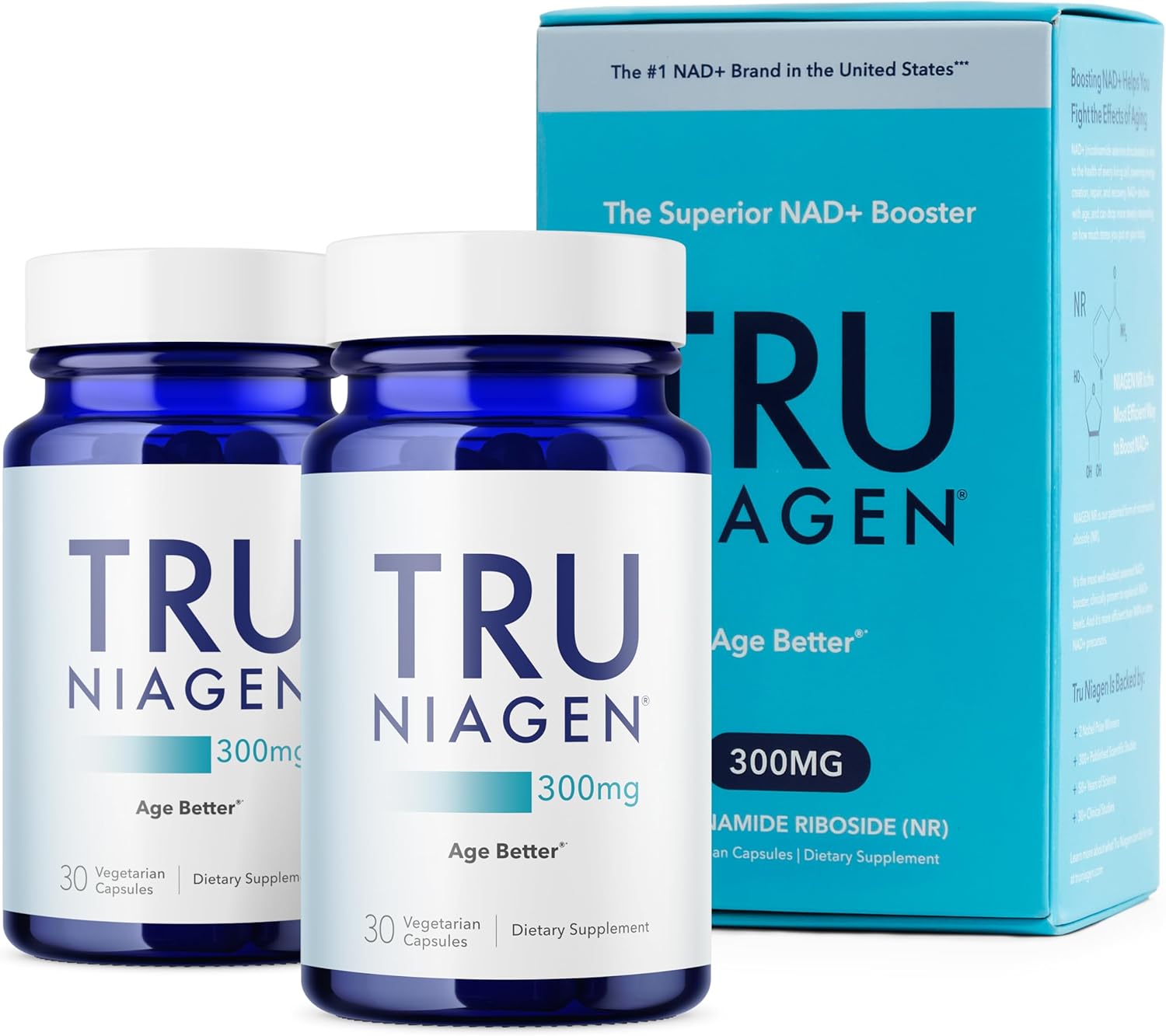
Tru Niagen (NR / nicotinamide riboside)
This article contains affiliate links. We may earn a commission at no extra cost to you.
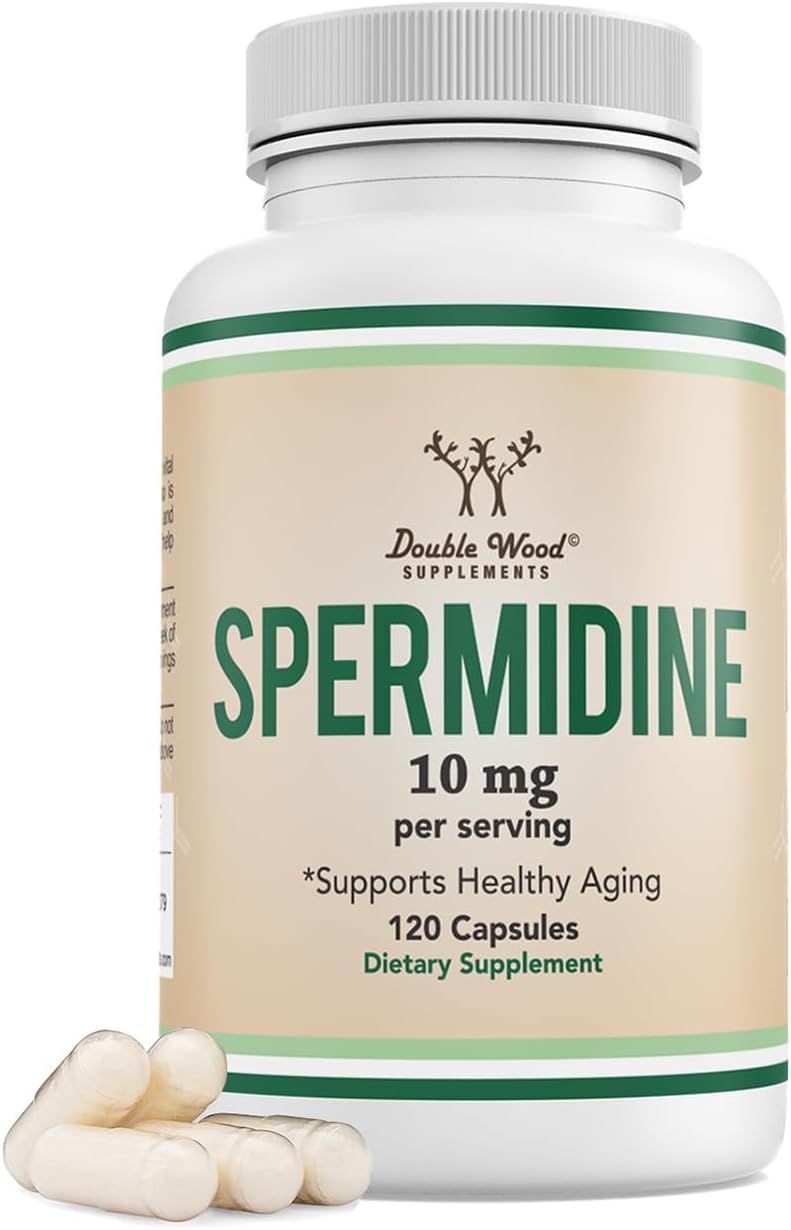
Double Wood Spermidine 10mg
$39.95
This article contains affiliate links. We may earn a commission at no extra cost to you.
Spermidine: The Autophagy Activator with Human Data
If there is one compound in this group that currently has the cleanest mix of mechanism plus early human data, spermidine has a good case. An August 2024 paper in Nature Cell Biology showed that spermidine levels rise during fasting and are necessary for triggering autophagy through the spermidine-eIF5A hypusination axis. In plain English, that means spermidine appears to be part of the cell’s clean-up response when nutrients are scarce.
That matters because autophagy is one of the few longevity buzzwords that actually points to a meaningful housekeeping system. Cells need a way to break down damaged components and recycle them. When that process gets sloppy, the accumulation problem begins. Not glamorous. Very relevant.
Human data is still early, but it is better than “we gave worms a supplement and everyone got excited.” In a 2025 randomized trial, 3 mg per day of spermidine over six months improved T-cell aging profiles by reducing exhausted T-cells and increasing naive T-cell proportions. Another 12-month trial in older adults with subjective cognitive decline found improved mnemonic discrimination. Those aren’t claims of lifespan extension. They are more modest and more believable: measurable movement in immune-aging and cognition markers.
The sensible interpretation is that spermidine belongs in the serious-conversation tier of longevity supplements research. The mechanism is plausible, the fasting link is biologically coherent, and the human data is no longer nonexistent. What the evidence doesn’t support is the usual leap from “interesting pathway” to “therefore everyone should take it forever.” If you’re looking for certainty, this field will disappoint you quickly.
Fisetin: What We Know from First Human Senolytic Trials
Fisetin has been one of the more talked-about senolytic compounds for years, mostly because preclinical work has been encouraging and because the idea of clearing out senescent cells is intuitive enough to survive a LinkedIn post. Old, dysfunctional cells accumulate. Remove them. Aging improves. Biology, unfortunately, doesn’t always respect clean slide decks.
The important update is that fisetin now has first-wave human safety data. A Phase I/II randomized, double-blind, placebo-controlled trial presented as Paper 429 at the 2025 Orthopaedic Research Society Annual Meeting found no increase in adverse events versus placebo in patients with knee osteoarthritis. That matters. Safety isn’t glamorous, but it is the first thing a compound needs to clear before longevity people start writing it fan fiction.
The less convenient part is that the same trial did not show significant benefit for pain or function with the specific formulation and dose used. That doesn’t kill the senolytic hypothesis, but it does make the current evidence more honest. Fisetin isn’t a proven human anti-aging supplement. It’s a compound with strong preclinical rationale, confirmed early safety, and unresolved efficacy.
Bioavailability is the catch. Pure fisetin is absorbed poorly, which may explain part of the gap between theory and real-world effect. That makes formulation a genuine issue, not marketing garnish. For now, fisetin sits in the “interesting but not settled” category of longevity supplements research. Worth watching. Too early to treat like a cornerstone.
GlyNAC: Reversing Multiple Aging Hallmarks at Once
GlyNAC is less glamorous than many branded longevity compounds, which is probably one reason it gets less airtime. It’s simply glycine plus N-acetylcysteine, aimed at restoring glutathione. Not exactly Silicon Valley immortality theater. But the underlying data is stronger than most people realize.
In a 16-week placebo-controlled randomized clinical trial published in The Journals of Gerontology: Series A in 2023, Kumar and colleagues found that GlyNAC supplementation in older adults improved glutathione deficiency, oxidative stress, mitochondrial dysfunction, inflammation, insulin resistance, endothelial function, and multiple aging hallmarks including genomic damage and telomere attrition. Physical measures improved too, including gait speed, muscle strength, and six-minute walk distance.
That’s a broad result set, which means two things. First, it is exactly the kind of multi-system effect researchers hope to see if a compound is addressing something upstream rather than tinkering with a narrow endpoint. Second, it deserves more scrutiny, not less, because broad positive findings should always trigger the adult question: how reproducible is this?
Still, among supplements with actual randomized human data, GlyNAC is harder to dismiss than trendier compounds. It doesn’t promise a miracle. It does offer one of the clearer examples of a supplement influencing several aging-related domains at once. If you’re evaluating compounds by evidence density rather than social-media heat, GlyNAC belongs near the top of the watchlist.
Ergothioneine: The Candidate Longevity Vitamin
Ergothioneine is one of the more intriguing candidates because the body appears to treat it as important. Humans express a dedicated transporter, OCTN1, to absorb and distribute ergothioneine, which is one reason some researchers have proposed it as a “longevity vitamin.” That phrase can sound a little too tidy, but the underlying observation is real: biology usually doesn’t build specialized transport machinery for random passengers.
The human association data is interesting. A 2024 review in Proceedings of the Nutrition Society reported that higher blood ergothioneine levels were associated with roughly a 50% lower risk of cognitive decline over five years in older adults. Association isn’t proof, but for a reader worried about staying sharp at 58, it isn’t a trivial signal either.
Then there is the mechanistic and animal evidence. A January 2025 study in Cell Metabolism found that ergothioneine extended lifespan in microscopic worms by 20% and nearly doubled running distance in middle-aged rats, apparently linked to higher NAD+ levels in muscle tissue. That’s promising, but it is still animal work. Rats are useful. They don’t chair quarterly board meetings.
Human trials have also shown dose-dependent improvements in subjective memory at up to 25 mg per day. That puts ergothioneine in a compelling middle ground: more than just theory, less than definitive. The case for it is stronger than most obscure longevity compounds, particularly for cognition and healthy aging, but the evidence isn’t yet mature enough to confuse “promising” with “proven.”
Apigenin: A Different Route to Higher NAD+
Apigenin matters because it reframes the NAD+ conversation. Most discussion focuses on adding more precursor through NMN or NR. Apigenin, a flavonoid found in foods like chamomile and parsley, works on the other side of the equation by inhibiting CD38, an enzyme that degrades NAD+.
That makes it conceptually attractive. Instead of constantly trying to refill the tank, apigenin may help slow the leak. Whether that turns into meaningful human benefit is a separate question, and this is where discipline matters. A 2024 review in Frontiers in Nutrition described evidence that apigenin improved learning and memory in older mice, extended survival in fly models of neurodegenerative disease, and correlated with sleep quality in large human cohorts.
Notice the split there. The mechanistic story is plausible. The preclinical data is encouraging. The human evidence is still mostly indirect or observational. That’s enough to justify interest, not enough to justify certainty.
So apigenin looks best as a complementary concept inside longevity supplements research, not as a proven alternative to anything. If NAD+ support is the lens, apigenin offers a different route than NMN or NR. That’s genuinely useful. It just hasn’t yet crossed the line into high-confidence human intervention data.
What the Evidence Actually Supports in Longevity Supplements Research
This is where most longevity supplement conversations fall apart. The field tends to mix mechanistic plausibility, animal data, small human studies, and commercial enthusiasm into one smoothie and then call it evidence. Better to separate the layers.
The National Institute on Aging’s Interventions Testing Program is a useful calibration tool because it is one of the stricter lifespan-testing systems in mammals. Across many compounds in genetically heterogeneous mice, only a handful have shown reproducible lifespan extension, including rapamycin, acarbose, and 17alpha-estradiol. Rapamycin increased median lifespan by roughly 15% to 26% depending on sex and protocol. That’s real signal. It’s also not the same thing as saying your favorite supplement extends human life.
For these compounds, the ranking is clearer than the marketing would like. Spermidine and GlyNAC have the strongest human randomized-trial-level data for aging-related biomarkers and function. Fisetin now has useful safety data in humans, but efficacy remains unsettled and bioavailability is still a problem. Ergothioneine has compelling observational and emerging intervention data, plus a biologically interesting transporter story. Apigenin remains mostly a mechanistic and preclinical play.
The honest conclusion is boring, which is usually a good sign. No supplement here has proved human lifespan extension in large randomized trials. Some may be worth watching closely. A few may be worth discussing with a physician or reviewing alongside labs, medications, and actual goals. None should be treated like a magic bullet. Aging doesn’t negotiate with branding.
Frequently Asked Questions
Which of these emerging supplements has the strongest human evidence right now?
Based on the studies cited here, GlyNAC and spermidine have the strongest randomized human evidence. GlyNAC has the broader multi-domain result set in older adults, while spermidine has a cleaner autophagy mechanism plus early immune and cognitive trial data.
Can I take spermidine and fisetin together, or might they compete for absorption?
No direct human evidence is cited here on combined use or absorption competition. The cautious conclusion is still the right one: spermidine and fisetin target different mechanisms, but fisetin’s poor bioavailability remains a limitation, and combination strategies are still ahead of the evidence.
How can I tell whether a supplement brand actually third-party tests its products?
Look for named third-party verification rather than vague purity language. Certifications such as NSF, USP, or Informed Sport are stronger signals than a brand simply saying it uses “quality ingredients.” If a company won’t identify the testing standard, treat that as a yellow flag.
Should I prioritize these emerging compounds over NMN, NR, or urolithin A?
Not automatically. The smarter move is to think in terms of mechanism and evidence quality. NMN, NR, and urolithin A target specific pathways, while compounds like spermidine or GlyNAC may broaden the coverage. Priority depends on what question you’re actually trying to answer, not which bottle is newest.
Are there safety concerns with combining multiple longevity supplements long-term?
Yes, especially if you are stacking compounds with limited long-term human data, taking prescription medications, or managing kidney, liver, or cardiovascular conditions. The evidence for individual mechanisms is moving faster than the evidence for multi-supplement stacks. That’s usually how people end up paying for uncertainty in capsule form.
The Bottom Line
The best emerging compounds in longevity research are interesting because they target different aging mechanisms, not because they promise a shortcut around aging itself. Spermidine and GlyNAC currently look the most credible on human data, while fisetin, ergothioneine, and apigenin remain promising for more specific reasons. The useful posture is skeptical optimism: pay attention, read the actual evidence, and don’t let a good mechanism impersonate a proven outcome.
Continue reading: Read the pillar — Supplements & Nutrition
This article is for informational purposes only and is not financial advice. Consult a qualified professional for personalized guidance.
Leave a Reply