
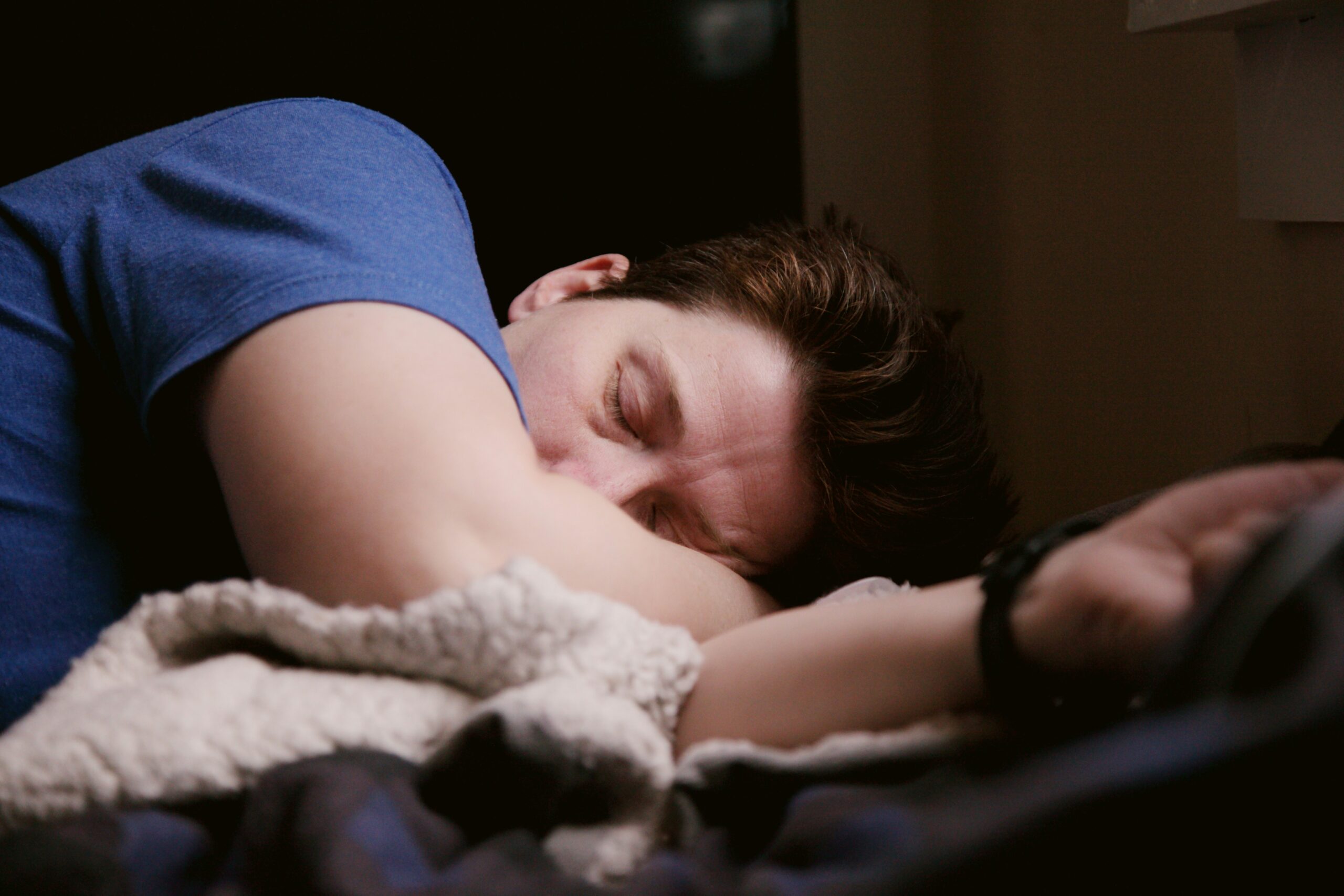
If sleep has gotten lighter, choppier, and less forgiving after 45, that isn’t just middle age doing what middle age does. Sometimes it is. Sometimes it is weight gain, stress, alcohol, late-night screen time, or sleep apnea. But low testosterone belongs on the shortlist too, especially when the sleep problem shows up alongside lower energy, flatter mood, slower recovery, or a libido that packed up and left without notice.
That matters because TRT sleep quality men over 45 questions are usually asked backward. Most men want to know whether testosterone therapy will fix the sleep problem. Fair question. The better one is whether low testosterone is part of the reason sleep started breaking down in the first place, and whether TRT helps enough to matter once the rest of the picture is accounted for.
The straight take is this: the evidence says testosterone and sleep push on each other in both directions. Low testosterone can make sleep worse. Poor sleep can push testosterone lower. In properly selected hypogonadal men, TRT appears to improve sleep quality for some patients, especially those with fatigue and clearly low baseline levels. But it isn’t a blanket sleep upgrade, and it is the wrong move for men with untreated severe obstructive sleep apnea. This is where a lot of clinics drift into lab-value tunnel vision. They chase the testosterone number and ignore the airway.
TRT Sleep Quality in Men Over 45: The Bidirectional Link Between Testosterone and Sleep
Testosterone and sleep aren’t separate systems politely minding their own business. They are wired together. When one degrades, the other often follows.
The prevalence numbers alone explain why this topic keeps coming up in midlife. The Endocrine Society says low testosterone is common in adult men with hypogonadism, and the HIM study published in the International Journal of Clinical Practice found hypogonadism in roughly 35% to 39% of men age 45 and older. That isn’t a fringe problem.
Now add the sleep side. The Sleep Foundation cites a study in healthy young men showing that sleeping fewer than five hours per night for one week reduced testosterone by about 10% to 15%. That was in younger men, which is the annoying part. If sleep restriction can move testosterone that much in healthy younger subjects, it isn’t hard to see why chronic bad sleep in a 52-year-old already dealing with age-related decline can turn into a real performance issue.
So the relationship works both ways. Poor sleep can suppress testosterone production. Low testosterone can make sleep worse. Treat only one side and you often get partial results. A man starts TRT but keeps untreated sleep apnea and still wakes up wrecked. Or he cleans up sleep hygiene, gets a little better, but never addresses clinically low testosterone and still feels like he is running on a drained battery by 3 p.m.
That’s the first useful reframe: this isn’t a sleep problem or a testosterone problem. For a lot of men, it is a feedback loop.
How Low Testosterone Disrupts Sleep Architecture After 45
Testosterone drops with age even in men who don’t meet the threshold for hypogonadism. The Sleep Foundation notes that testosterone levels tend to fall about 1% per year after age 30. That doesn’t mean every tired 50-year-old needs TRT. It does mean the hormonal backdrop is changing while the usual sleep disruptors get louder.
What does low testosterone do to sleep itself? Not just “feel more tired.” The better evidence points to changes in sleep architecture. Men with low testosterone tend to spend less time in slow-wave sleep, the deep sleep phase most tied to physical recovery. They also report more nighttime awakenings and lower sleep efficiency, which is the percentage of time in bed actually spent asleep. That’s the pattern many men recognize before they ever get labs: they can still fall asleep sometimes, but they don’t stay there cleanly.
The Sleep Foundation also notes that low testosterone is linked with insomnia-like symptoms, including difficulty falling asleep and staying asleep. That matters because men often sort symptoms into the wrong bucket. They assume the problem is “stress” or “getting older” when the actual picture may include a hormonal shift changing how restorative sleep feels.
The World Journal of Men’s Health review on obstructive sleep apnea and testosterone deficiency adds another layer. Men with OSA often have less REM sleep, less deep sleep, and more fragmented sleep overall. That fragmented pattern is exactly the kind of thing that drags down testosterone production. So by the time a man in his mid-50s says he is exhausted despite seven hours in bed, the issue may not be total sleep time at all. It may be poor-quality sleep plus low testosterone plus an airway problem hiding in plain sight.
This is why “I sleep enough” is one of the less useful sentences in this whole conversation. Quantity matters. Sleep architecture matters more.
What the TRAVERSE Trial and Other Clinical Studies Reveal About TRT and Sleep
The strongest case for TRT improving sleep doesn’t come from anecdotes or clinic marketing pages. It comes from clinical studies, especially when they focus on men with documented hypogonadism rather than anybody willing to pay cash for a prescription.
The largest TRT study to date, the TRAVERSE trial published in the New England Journal of Medicine in 2023, randomized 5,246 men ages 45 to 80 with testosterone below 300 ng/dL and symptoms consistent with hypogonadism. The main reason that study gets cited is cardiovascular safety. Fair enough. But the practical point here is that men on TRT also reported better sleep quality scores than placebo after 12 months, with the biggest gains in men who started with lower testosterone and daytime fatigue.
That finding fits common sense. If a man is genuinely hypogonadal and fatigue is one of the clearest symptoms, improving testosterone to a physiological range should help parts of daily function that were being dragged down. Sleep quality is one of those parts. Not because TRT is a sedative. Because it may improve the hormonal environment that supports more stable sleep and better next-day energy.
The smaller EARTH sub-analysis published in Aging Male in 2018 pointed in the same direction. Over 12 months, TRT improved sleep disturbance, sexual function, and quality of life in hypogonadal men without obstructive sleep apnea. That “without obstructive sleep apnea” caveat isn’t a footnote. It’s the whole game. When the airway problem is absent, TRT may help. When the airway problem is present and untreated, the risk picture changes.
That’s the honest summary of the evidence. TRT can improve sleep quality in appropriately selected men with low testosterone. It isn’t proof that every bad sleeper over 45 needs testosterone therapy. The mechanism is plausible. The clinical signal is real. The patient selection is everything.
TRT and Obstructive Sleep Apnea: The Risk That Requires Screening
This is the section most low-grade TRT marketing would prefer to mumble through.
TRT can worsen or unmask obstructive sleep apnea in predisposed men. The Endocrine Society’s 2018 clinical practice guideline advises against starting testosterone therapy in men with untreated severe OSA. That isn’t cautious hand-wringing. It’s basic risk management.
Why the concern? Because the same man who is likely to ask about TRT for fatigue and lousy sleep may also carry sleep apnea risk factors. Age over 55. BMI over 30. Large neck circumference. Loud snoring. Daytime sleepiness. A wife who has been reporting pauses in breathing for two years while he keeps calling it “just bad sleep.” Sound familiar.
The World Journal of Men’s Health review notes that OSA prevalence rises with age, and the estimate used here puts it at roughly 4% of men over 50, though real-world detection is probably worse because so many cases go untested. The American Urological Association recommends screening for OSA before starting TRT, often with the STOP-BANG questionnaire. That’s a practical move, not bureaucratic theater.
Who is TRT not for, at least not until the sleep issue is clarified? Men with untreated severe OSA. Men with heavy snoring plus obvious daytime sleepiness. Men whose fatigue is being explained entirely through a testosterone lens before anyone has looked at sleep breathing at all. For those men, starting TRT before dealing with the airway is like repainting the dashboard while the engine light is on.
This is also where a proper clinician earns the fee. The good ones don’t just ask for total testosterone and call it a day. They ask whether you snore, whether you wake up choking, whether your blood pressure is climbing, whether your hematocrit has been creeping up, and whether the sleep problem looks hormonal, respiratory, or both. Consult your provider before starting TRT, especially if any apnea risk factors are on the table.
Beyond Sleep Architecture: TRT’s Effect on Nocturia and Nighttime Urination
Not every sleep improvement from TRT is about deeper REM or prettier sleep-stage graphs. Sometimes the benefit is brutally practical: fewer bathroom trips at 2:14 a.m.
An EARTH sub-analysis published in Aging Male in 2015 looked at 64 hypogonadal men with nocturia, defined here as waking two or more times per night to urinate. After six months of testosterone enanthate at 250 mg intramuscularly every four weeks, the TRT group showed significant improvement in nocturia frequency and sleep conditions compared with placebo, measured through the IPSS and AMS questionnaires.
That matters because nocturia can wreck sleep even when total sleep time looks respectable on paper. If you wake two or three times a night to urinate, your sleep becomes a series of short contracts instead of one continuous block. Even if you fall back asleep quickly, the next day often feels like it was built from scraps.
This is one of the more useful clinical takeaways in the whole literature. Sleep benefit from TRT isn’t only about sleep stages. In some men, it is about reducing the things that keep interrupting sleep. Less nighttime urination, fewer awakenings, more consolidated rest. That’s the sort of outcome a time-poor 55-year-old actually notices without needing a wearable to translate his own morning.
It’s also a reminder that sleep disturbance itself can be a signal of more severe hypogonadism, as the 2018 Aging Male analysis suggested. Not proof. A signal.
Practical Protocol: Getting the Sleep Benefit Without the Risk
If the goal is better sleep, the practical protocol is more useful than the sales pitch.
First, screen for obstructive sleep apnea before starting TRT. The AUA points to tools like STOP-BANG for a reason. If you snore, carry extra weight, wake up unrefreshed, or have witnessed breathing pauses, solve the airway question early.
Second, stay in the physiological range. The TRAVERSE protocol targeted testosterone levels around 350 to 750 ng/dL. That isn’t a license to chase the highest number you can tolerate. It’s a reminder that replacement therapy is supposed to replace, not turn into a hobby.
Third, monitor hematocrit. The Endocrine Society recommends stopping TRT if hematocrit rises above 54% and evaluating for causes that can include sleep apnea. This is one reason telehealth-only “you send money, we send gel” models deserve skepticism. TRT without follow-up isn’t optimization. It’s paperwork with a side effect profile.
Fourth, stack TRT with boring things that still work. Sleep hygiene. Weight management. Consistent training. Reduced alcohol close to bedtime. Weight loss in particular can improve both OSA and testosterone levels, which makes it one of the few interventions that helps the whole loop instead of one corner of it.
Finally, if TRT isn’t appropriate, work the sleep side hard anyway. Treat apnea if it is present. Tighten the sleep schedule. Clean up the bedroom environment. Recheck symptoms and labs after that. In some men, better sleep alone may improve testosterone enough to change the decision.
The real recommendation is conditional, not universal. If you are a man over 45 with documented low testosterone, poor sleep, and no untreated severe OSA, TRT may improve sleep quality and daytime function. If the main problem is undiscovered sleep apnea, TRT isn’t the clever shortcut. It’s the wrong order of operations.
Frequently Asked Questions
How long after starting TRT will I notice sleep improvements?
The studies cited here measured outcomes over months, not days. Some men notice energy or sleep changes within weeks, but the cleaner evidence from TRAVERSE and the EARTH analyses points to longer follow-up windows. Expect a gradual signal, not a movie montage.
Can TRT make sleep apnea worse even if I don’t know I have it yet?
Yes, that is one reason screening matters. The Endocrine Society advises against starting TRT in men with untreated severe obstructive sleep apnea, and men with snoring, higher BMI, large neck circumference, or daytime sleepiness deserve a closer look before therapy starts.
Should I get a sleep study before starting testosterone therapy?
If you have meaningful apnea risk factors, it is worth discussing with your provider. Not every man needs a formal study first, but men with loud snoring, witnessed apneas, resistant fatigue, or rising hematocrit shouldn’t skip the airway question.
Does the type of TRT, like gel versus injection, change the sleep outcome?
This brief doesn’t provide strong comparative evidence that one delivery method is better for sleep itself. The more important variables are whether you actually have hypogonadism, whether levels are kept in a physiological range, and whether sleep apnea has been ruled in or out.
Is poor sleep causing low testosterone, or is low testosterone causing poor sleep?
Sometimes both. That’s the central pattern in this topic. Poor sleep can suppress testosterone, and low testosterone can degrade sleep quality. The job is to figure out which driver is strongest in your case instead of pretending only one exists.
The Bottom Line
TRT can improve sleep quality in men over 45 when low testosterone is real, symptoms are present, and obstructive sleep apnea isn’t being ignored. The useful question isn’t whether testosterone is a sleep miracle. It’s whether your sleep problem is hormonal, respiratory, behavioral, or some combination of all three, and whether the treatment plan respects that reality.
Related: low testosterone symptoms men over 45 often miss
Related: normal testosterone level for men over 50
Related: TRT cardiovascular risk what the research actually shows
Related: best wearables for sleep apnea detection
This article is for informational purposes only and is not financial advice. Consult a qualified professional for personalized guidance.
Leave a Reply