
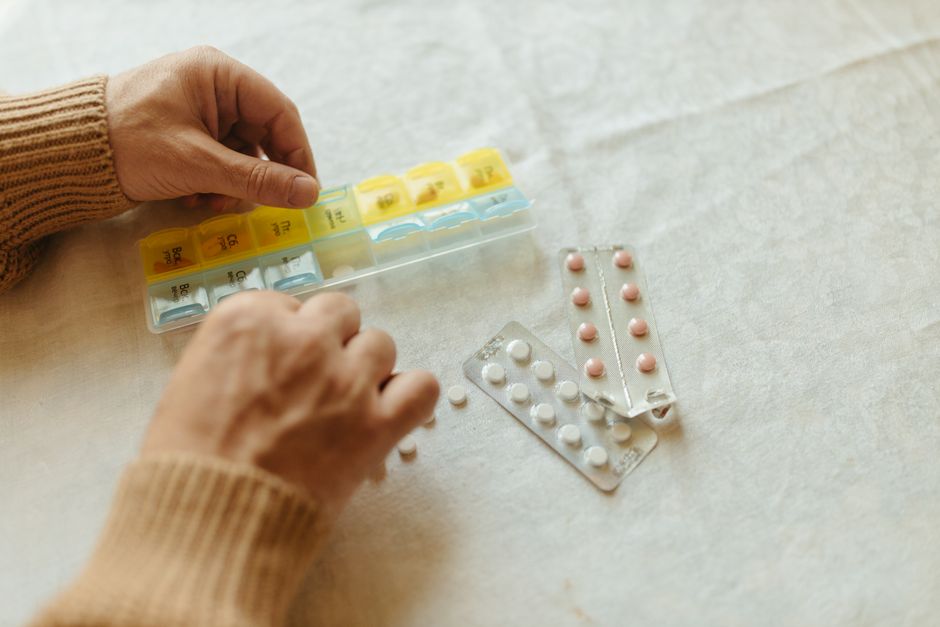
TRT injection frequency weekly vs daily sounds like a small protocol detail until you live through the difference. A lot of men do fine on paper with the same total weekly testosterone dose, then spend the second half of the week wondering why energy drops, mood gets thinner, libido backs off, and the whole thing starts feeling like a chemistry experiment run by a committee.
The basic point is simple: frequency shapes the curve. The Endocrine Society’s 2018 guideline notes that testosterone cypionate and enanthate are usually started at 75 to 100 mg intramuscularly each week or 150 to 200 mg every two weeks, but those schedules don’t produce the same day-to-day blood levels. Change the injection cadence and you change the peaks, the troughs, the estradiol swing, and sometimes the side-effect profile too.
For a 55-year-old executive who values his time, this isn’t about chasing a biohacker fantasy. It’s about getting stable symptom relief without turning your week into a hormonal rollercoaster. Weekly injections are convenient. Twice-weekly split dosing is often steadier. Daily microdosing can be the smoothest option of all, but it adds hassle and remains off-label for common testosterone esters. That’s the trade.
The Pharmacokinetic Case for Injection Frequency
Injection frequency matters because testosterone cypionate is slow, not flat. The Endocrine Society guideline describes an approximate eight-day half-life for testosterone cypionate, which is long enough to support weekly dosing but not long enough to keep serum levels perfectly even from one shot to the next.
That’s why a large single injection creates a spike-and-decline pattern. The guideline notes that a 200 mg intramuscular injection can push serum testosterone above 1,100 ng/dL within two to five days, then drift toward roughly 400 ng/dL by day 14. That isn’t a subtle wobble. It’s a real peak-to-trough swing, and the body notices.
When men say they feel great for two days, normal for two more, and then oddly flat before the next shot, this is usually what they are describing. It doesn’t mean the weekly dose is automatically wrong. It means the delivery pattern may be doing exactly what the math says it should do.
The Andrology review on testosterone pharmacokinetics makes the same broader point in more academic language: exogenous testosterone rarely mimics the body’s native diurnal pattern very closely, so protocol design becomes an exercise in choosing which imperfection you can tolerate. One big shot is easy, but it produces more obvious highs and lows. Smaller, more frequent injections smooth the line.
That smoothing can matter beyond how you feel. Bigger peaks may increase downstream aromatization and may amplify the erythropoietic signal that pushes hematocrit up. Smaller peaks may reduce those problems. The mechanism is plausible, though not every claim here has the kind of randomized-trial backing marketers like to imply.
Weekly TRT: The Standard Protocol With a Catch
Weekly TRT remains the default starting point for a reason. It’s simple. One injection per week is easy to remember, easy to teach, and easy for a clinic to standardize. For a man already juggling work, family, training, and the occasional lab portal that looks like it was designed during the Bush administration, convenience counts.
The problem is that convenience isn’t the same as stability. Boost Health Clinic reports that roughly 30% to 40% of men on once-weekly TRT notice a visible dip in energy, mood, or libido during the back half of the week. Clinicians often call this the TRT trough, which sounds tidy and clinical. It feels less tidy when Friday arrives and you are wondering why the engine suddenly lost compression.
Weekly dosing also produces the biggest early peak of the three common approaches being compared here. That matters because high peaks are where some men see more water retention, breast tenderness, irritability, or lab drift in estradiol and hematocrit. Not every patient gets those effects, and not every side effect comes from frequency alone, but the shape of the curve doesn’t exactly help.
There is another catch: weekly dosing can hide the line between a protocol issue and a dose issue. If symptoms reliably worsen on days five, six, and seven, the answer may not be “increase the dose.” Sometimes the answer is “stop trying to solve a frequency problem with more drug.”
Weekly TRT is still a reasonable option for men who hate frequent injections, have stable labs, and don’t notice much symptom fluctuation. It’s also practical for men who travel constantly or know from the start that daily compliance won’t happen. But it is usually not the best choice for men who already know they are sensitive to hormonal swings or who have had issues with estradiol spikes, mood volatility, or high hematocrit. If that sounds familiar, managing high hematocrit on TRT is worth reading alongside your next set of labs.
Twice-Weekly Split Dosing: Smoother Levels, Fewer Side Effects
Twice-weekly split dosing is where a lot of men land after the honeymoon with weekly injections ends. The idea is boring in the best possible way: keep the total weekly dose the same, divide it into two smaller injections, and reduce the size of the peak and the depth of the trough.
Denver Regenerative Medicine reports that splitting the same weekly dose into injections every 3.5 days can reduce peak-to-trough variance by about 40% compared with once-weekly dosing. That’s the main reason clinicians often try it before doing anything more exotic. You aren’t changing the total amount of testosterone. You are changing the way it arrives.
In practice, this often means steadier energy through the week, fewer end-of-week dips, and less pressure to reach for aromatase inhibitors because the estradiol spike never gets quite as dramatic. Denver Regenerative Medicine also notes that smaller peaks may moderate hematocrit rise by reducing the magnitude of erythropoietic stimulation. That isn’t a guarantee, but it is a rational move when weekly injections feel too jagged.
Twice-weekly dosing also tends to be the easiest compromise between physiology and real life. It asks more than one injection per week, but not much more. For many men, Monday morning and Thursday evening is manageable. Daily microdosing may be smoother on paper, but twice-weekly is where a lot of sensible protocols live because it captures most of the stability benefit without making the routine feel like a part-time job.
This is often the best fit for men with low or lower SHBG, because lower SHBG can mean faster free-testosterone movement and more noticeable symptom swings between larger injections. The American Urological Association guideline and the Endocrine Society guideline both emphasize individual variation in testosterone kinetics.
If your bloodwork looks erratic or you are still learning how to read TRT lab results, split dosing is often easier to troubleshoot than either once-weekly peaks or a full daily protocol. It gives you a smoother baseline without changing too many variables at once.
TRT Injection Frequency Weekly vs Daily: What Actually Changes
The real TRT injection frequency weekly vs daily question isn’t whether one protocol is more “hardcore.” It’s what changes in actual physiology and actual daily life when you move from one larger weekly shot to many smaller ones.
First, the serum curve gets flatter. The Men’s Health Clinic argues that daily subcutaneous microdosing, usually around 10 to 20 mg per day with an insulin syringe, can virtually eliminate major peaks and troughs. Hone Health makes the same case from a patient-experience angle: more frequent small injections often mean fewer mood swings, fewer crashes, and less of the day-three-versus-day-six split that makes weekly protocols feel uneven.
Second, the delivery method usually changes. Daily microdosing is typically done subcutaneously rather than intramuscularly, which many men find easier and less disruptive. The tradeoff is repetition. One injection each morning may be physically simple, but it is still one more recurring task in a life that already has enough recurring tasks.
Third, the side-effect profile may improve for some men. The Men’s Health Clinic and Hone Health both argue that smaller daily doses may reduce estrogen spikes and water retention by avoiding the big post-injection surge. The Asian Journal of Andrology review by Ohlander and colleagues adds a related data point: erythrocytosis rates appear to vary by formulation and delivery method, and frequent subcutaneous dosing may be associated with lower rates than larger intramuscular injections in some settings. That’s interesting, not definitive.
Fourth, the protocol becomes less standard. The FDA hasn’t specifically approved daily subcutaneous testosterone cypionate or enanthate protocols, even though many clinicians use them in practice. That doesn’t make daily microdosing reckless. It does mean the evidence base is thinner and the monitoring burden matters more. TRT always belongs in a provider-guided conversation, especially when you are moving beyond the standard starting schedules.
So what actually changes from weekly to daily? Usually: smoother levels, smaller peaks, fewer trough symptoms, and better tolerance for men who are sensitive to hormonal swings. Also: more injections, more routine friction, and less long-term standardization.
How to Choose Your Injection Frequency
Start with the least glamorous answer: use symptoms, labs, and tolerance for routine together. The Endocrine Society guideline gives standard starting points, but it also makes clear that one schedule doesn’t fit every patient. The AUA guideline reinforces the same idea. Frequency isn’t a purity test. It’s a tool.
Weekly dosing is worth considering if you want the simplest routine, your symptoms remain stable all week, and your estradiol and hematocrit stay well behaved. It’s usually not for the man who consistently feels a dip before the next shot or who gets obvious post-injection swings.
Twice-weekly dosing is often the best middle path for men who want smoother levels without turning TRT into a daily ritual. It tends to make the most sense when weekly injections produce a visible trough, when estradiol management gets messy, or when lower SHBG makes larger injections feel more volatile.
Daily microdosing is worth considering if stability is the top priority, if you tolerate subcutaneous injections well, and if you are willing to be annoyingly consistent. It’s often not for men who already resent one injection per week, who travel chaotically, or who are likely to miss frequent doses and then wonder why the protocol stopped behaving.
The best protocol is the one that keeps symptoms controlled and labs stable without adding unnecessary drama. If you are trying to pick between convenience and smoothness, start by asking a better question: what is actually going wrong right now? Low energy at the tail end of the week, rising hematocrit, estradiol symptoms, and unstable free testosterone don’t all point to the same fix. For baseline context on age-related expectations, normal testosterone levels for men over 50 helps separate “this is aging” from “this deserves a closer look.”
Frequently Asked Questions
Can I switch from weekly injections to daily microdosing without changing my total weekly dose?
Often yes. Many clinicians keep the same total weekly amount and simply divide it into smaller daily doses. The point is to change the delivery curve, not necessarily the total testosterone exposure. That said, protocol changes should still be reviewed with your provider because labs, SHBG, symptom response, and formulation details can change how the new schedule behaves.
Will more frequent injections reduce my need for an aromatase inhibitor?
Sometimes. More frequent dosing may reduce the post-injection peaks that drive higher aromatization in some men, which is why some clinics report less need for aromatase inhibitors after moving from weekly to split or daily dosing. It isn’t automatic, and estradiol management should be based on symptoms and labs rather than forum folklore.
Does daily microdosing work with testosterone cypionate, or do I need a different ester?
Daily microdosing is commonly discussed with testosterone cypionate and enanthate, usually through subcutaneous injections. You don’t automatically need propionate. The bigger issue is whether your clinician is comfortable supervising that style of protocol and whether your labs support it.
How do I know if I’m experiencing the TRT trough or if my dose is simply too low?
Timing helps. If you feel reasonably good early in the week and consistently worse near the next injection, that pattern suggests a trough problem more than a total-dose problem. If symptoms are poor all week, the dose, diagnosis, sleep, body composition, or another part of the picture may be off. Trough labs and symptom tracking matter here.
Is daily microdosing significantly more expensive than weekly or twice-weekly injections?
It can be. The testosterone itself may cost about the same if the total weekly dose doesn’t change, but supply use, syringe volume, pharmacy packaging, and vial management can make daily protocols less efficient. The bigger cost for many men is compliance.
If weekly TRT feels smooth, your labs look good, and you aren’t chasing problems that don’t exist, there is no prize for making the protocol more complicated. But if you are dealing with end-of-week crashes, estradiol volatility, or hematocrit creep, frequency is one of the cleanest levers to adjust before escalating dose.
For most men, twice-weekly split dosing is the practical sweet spot. Daily microdosing is the stability play for men willing to do the extra work. Weekly dosing is still fine when convenience wins and the curve doesn’t punish you for it. The smart move isn’t picking the most intense protocol. It’s picking the one your provider can monitor and your actual life can support.
Sources
- Endocrine Society Clinical Practice Guideline. “Testosterone Therapy in Men With Hypogonadism.” Journal of Clinical Endocrinology & Metabolism, 2018. https://academic.oup.com/jcem/article/103/5/1715/4939465
- American Urological Association. “Testosterone Deficiency Guideline.” 2018, reviewed 2024. https://www.auanet.org/guidelines-and-quality/guidelines/testosterone-deficiency-guideline
- Boost Health Clinic. “TRT Injection Frequency: Once vs Twice a Week.” 2024. https://boosthealthclinic.com/blog/trt-injection-frequency-once-vs-twice-a-week/
- Denver Regenerative Medicine. “TRT Injection Frequency and Dosage Guide.” 2024. https://denverregenerativemedicine.com/finding-the-perfect-testosterone-therapy-protocol-for-you/
- The Men’s Health Clinic. “Microdosing TRT.” 2023. https://themenshealthclinic.co.uk/microdosing-trt-the-future-of-testosterone-replacement-therapy/
- Hone Health. “Is Microdosing Testosterone More Effective?” 2024. https://honehealth.com/edge/microdosing-testosterone-trt-frequency/
- Ohlander SJ, Varghese B, Pastuszak AW. “Erythrocytosis Following Testosterone Therapy.” Asian Journal of Andrology, 2017. https://pmc.ncbi.nlm.nih.gov/articles/PMC5690890/
- Pastuszak AW, et al. “Pharmacokinetics of Testosterone Therapies in Relation to Diurnal Variation of Serum Testosterone Levels as Men Age.” Andrology, 2022. https://pmc.ncbi.nlm.nih.gov/articles/PMC9293229/
This article is for informational purposes only and is not financial advice. Consult a qualified professional for personalized guidance.
Leave a Reply